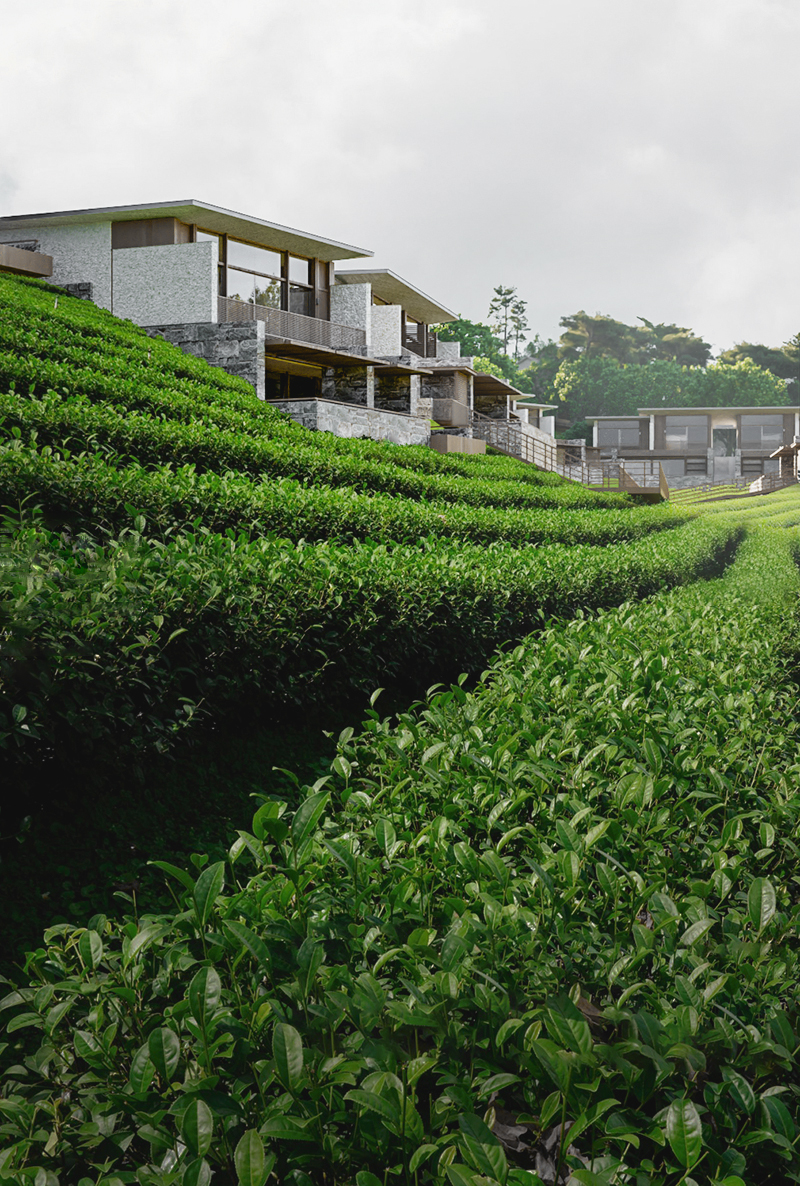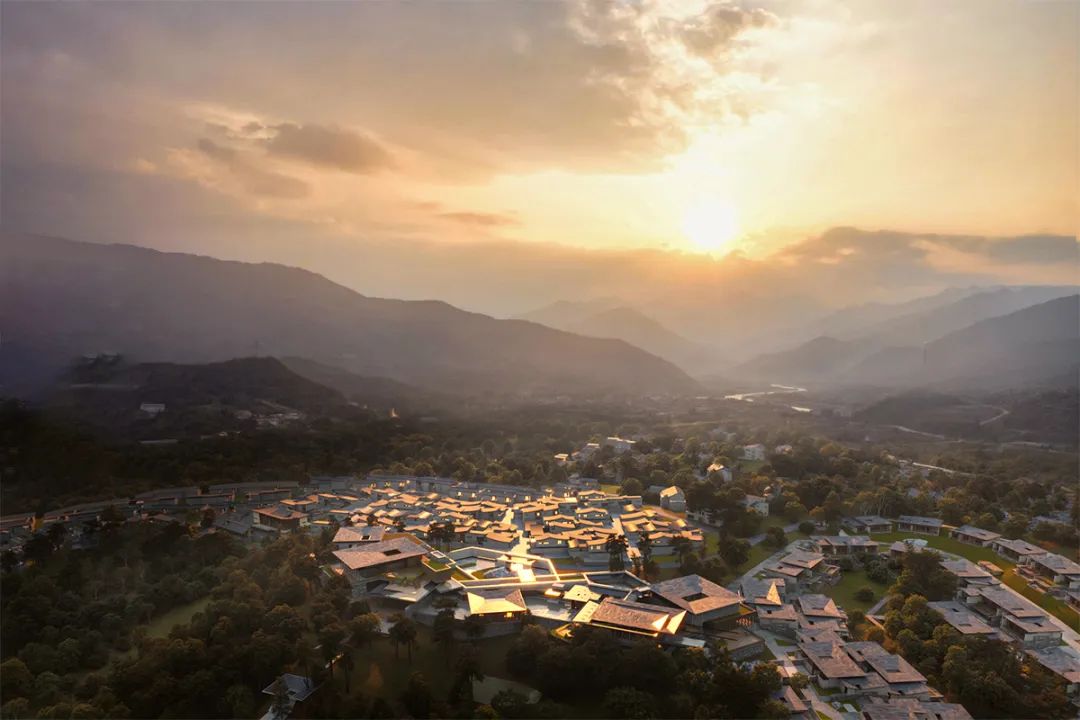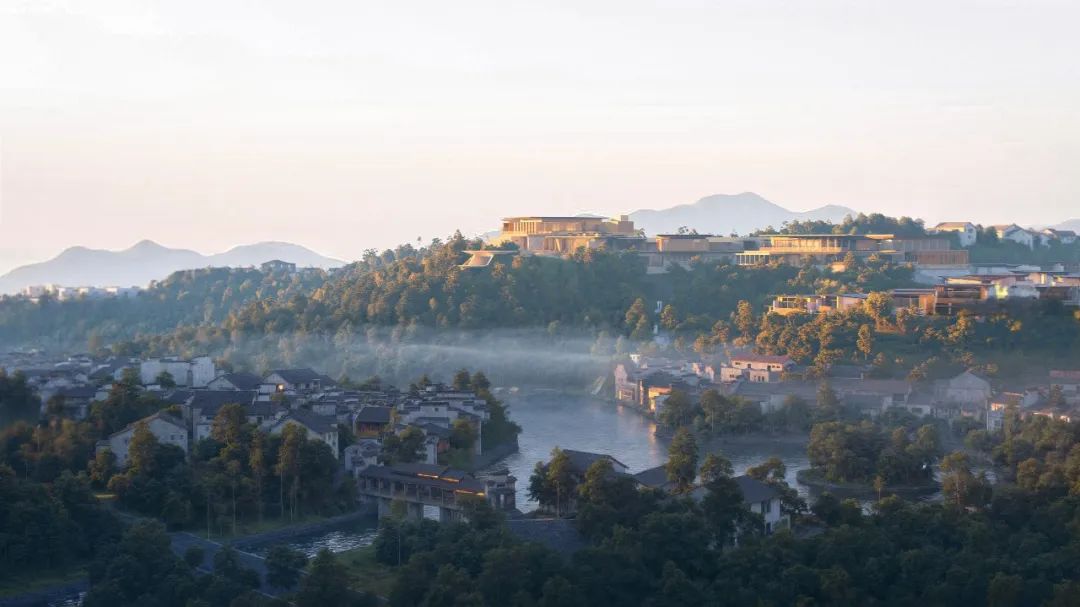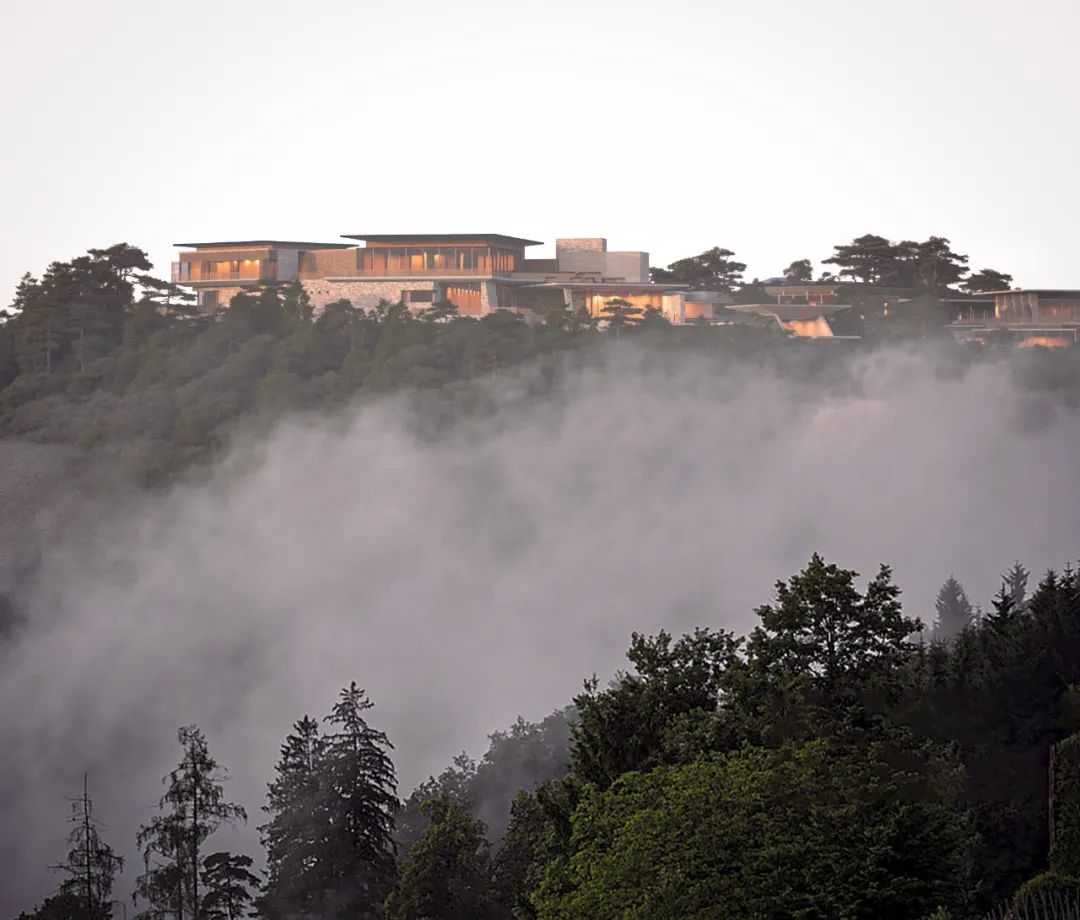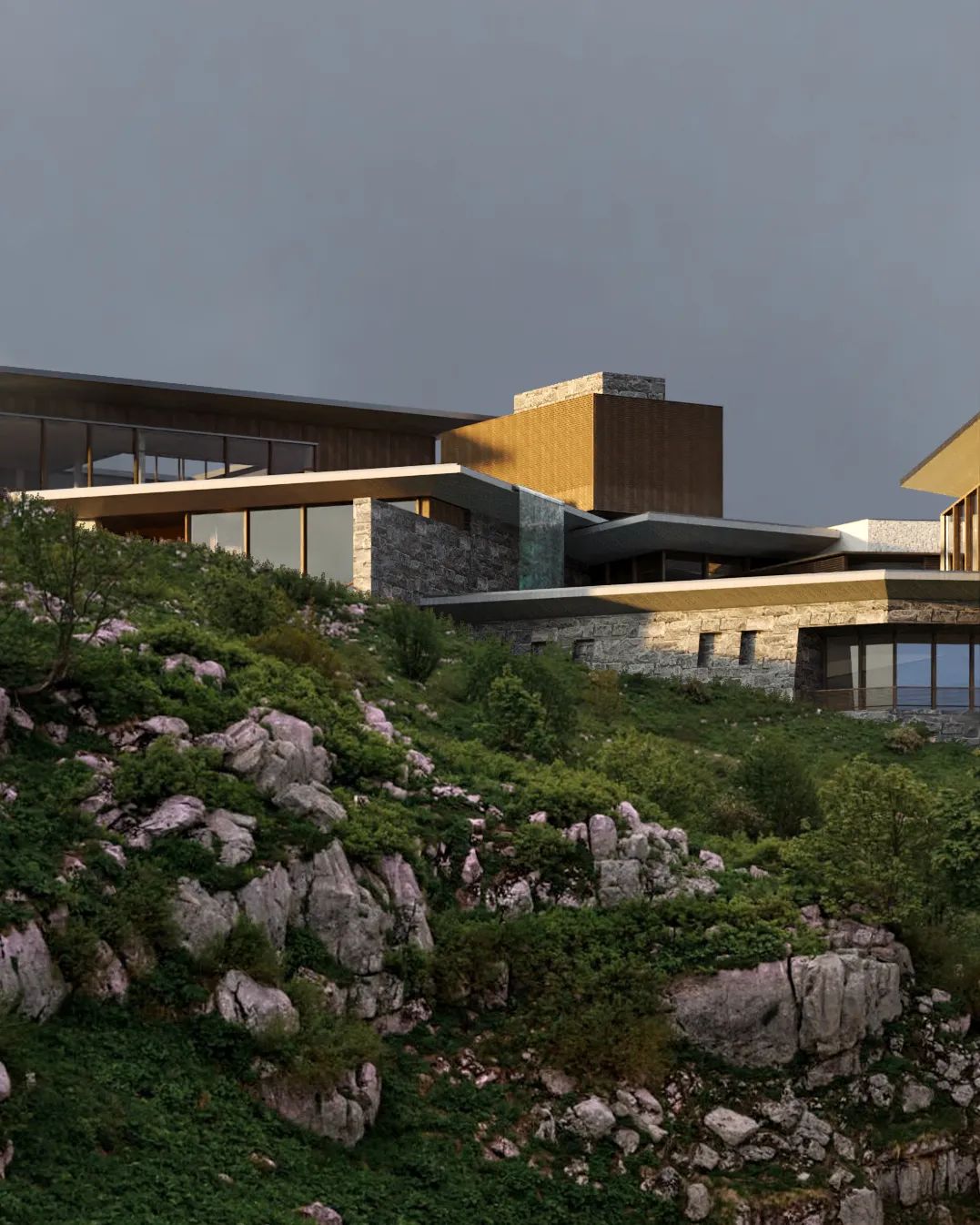


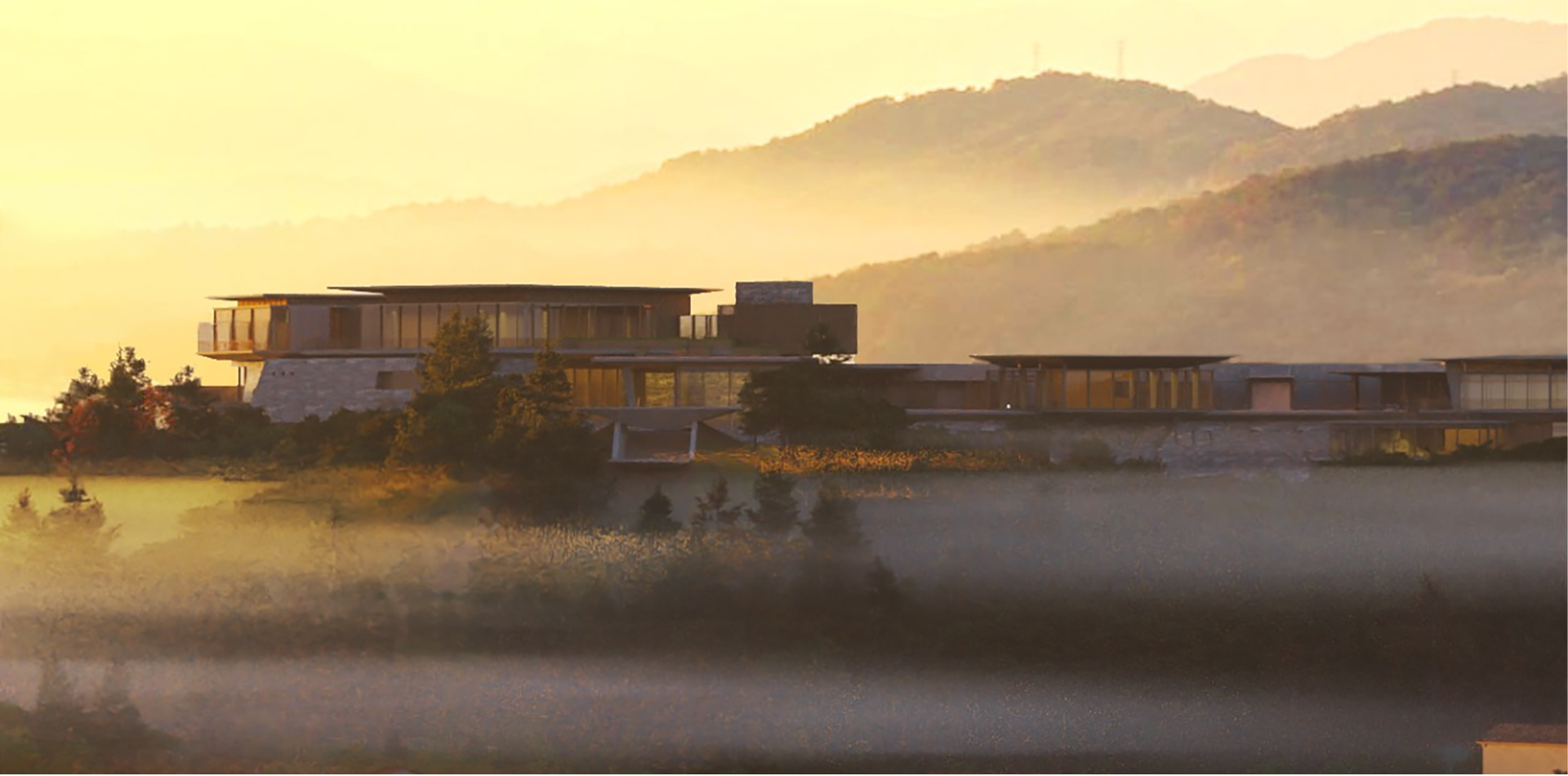

Kimpton Hotels, the flagship brand within the luxury boutique segment of the InterContinental Hotels Group, is celebrated for its seamless blend of cultural narratives and tailored resort experiences. With Huangshan’s profound cultural legacy and its iconic, poetic landscapes, the region has emerged as the ideal backdrop for this distinguished brand. Meng Fanhao, co-founder and lead architect at line+, was invited to spearhead the design of the Kimpton Hotel in Huangshan, bringing his cross-disciplinary experience in cultural and resort architecture along with a fresh, innovative perspective. As the project’s chief architect, he is responsible for the conceptualization and full execution of the design process. Having successfully passed the detailed evaluations of both Century Golden Resources Group and InterContinental Hotels Group, the project is set to break ground later this year.
"My vision for the Kimpton Huangshan goes beyond constructing a modern dwelling. I aim to stir emotional resonance through the immersive experience of the space, continuing the evolving spirit of contemporary Huizhou."
— Meng Fanhao
Project Name: Kimpton Huangshan
Architectural and Landscape Design: line+ studio
Chief Architect/Project Principal: Meng Fanhao
Design Team:
Concept Design Phase: He Yaliang, Su Kelun, Zhu Xiaojing, Yang Hanyue, Xu Hao, Xing Shu, Yang Xuejian, Han Yuyan, Li Renjie, Chen Yiqi
Design Development Phase: Su Kelun, He Yaliang, Shou Chengbin, Shen Rui, Yang Hanyue, Chen Yiqi, Xing Shu, Jiang Hong, Chen Qianzhen
Development Organization: Century Golden Resources - Tengyun Zhuke - Huangshan Yujian Future Development Co., Ltd.
Client Team: Chen Yiqi, Ma Shenshen, Guo Rongbin, Ye Mingchao, Lu Xin, Li Zhi
Hotel Operator: InterContinental Hotels Group (IHG)
Construction Drawing Design: Shanghai Zhongfang Architectural Design Co., Ltd.
Location: Yixian County, Huangshan City, Anhui
Building Area: 24200 m²
Design Period: 2022.08 – Present
Structure: Reinforced Concrete, Steel Structure
Materials: Glass, Rough Stone, Wood, Terracotta Tiles
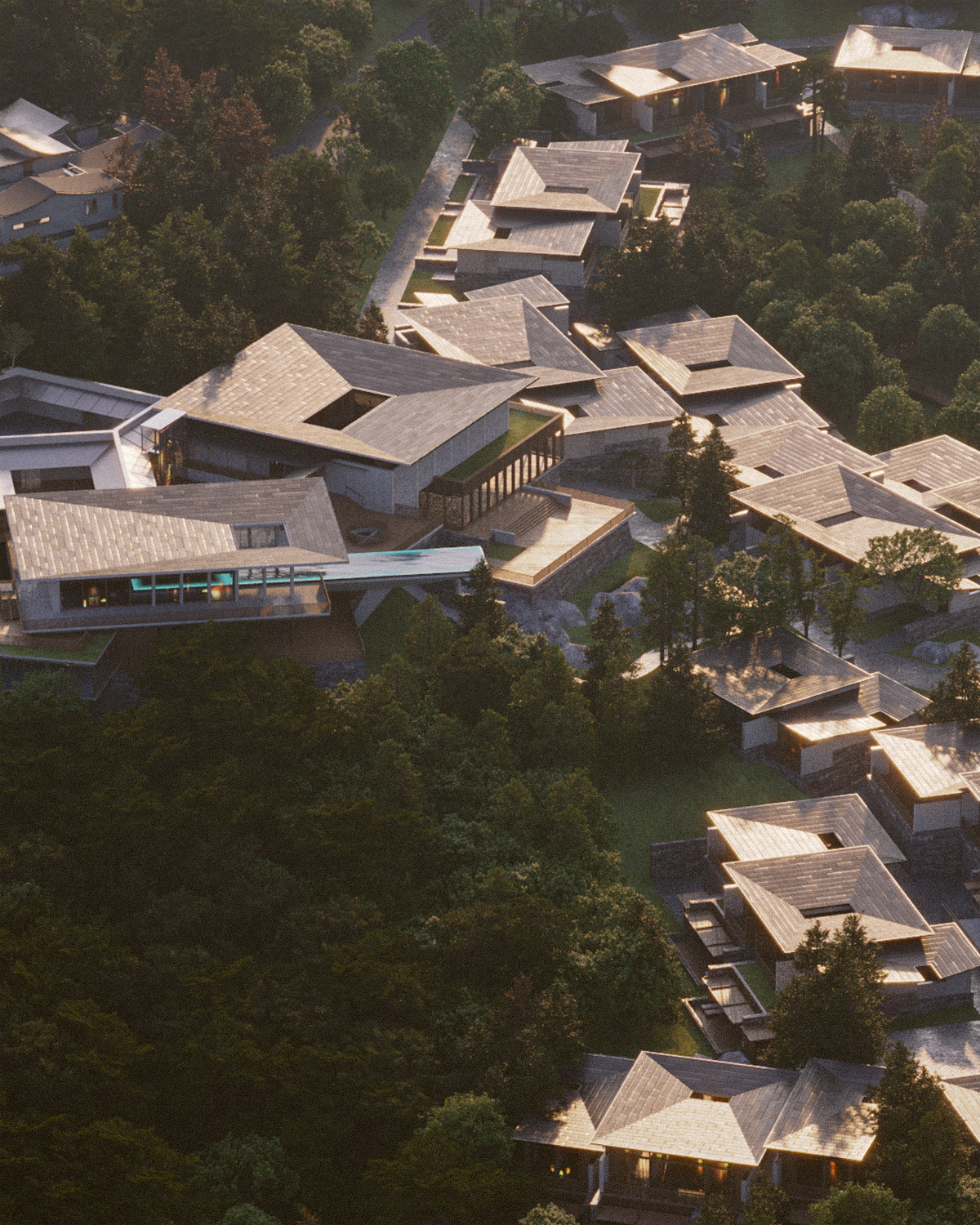
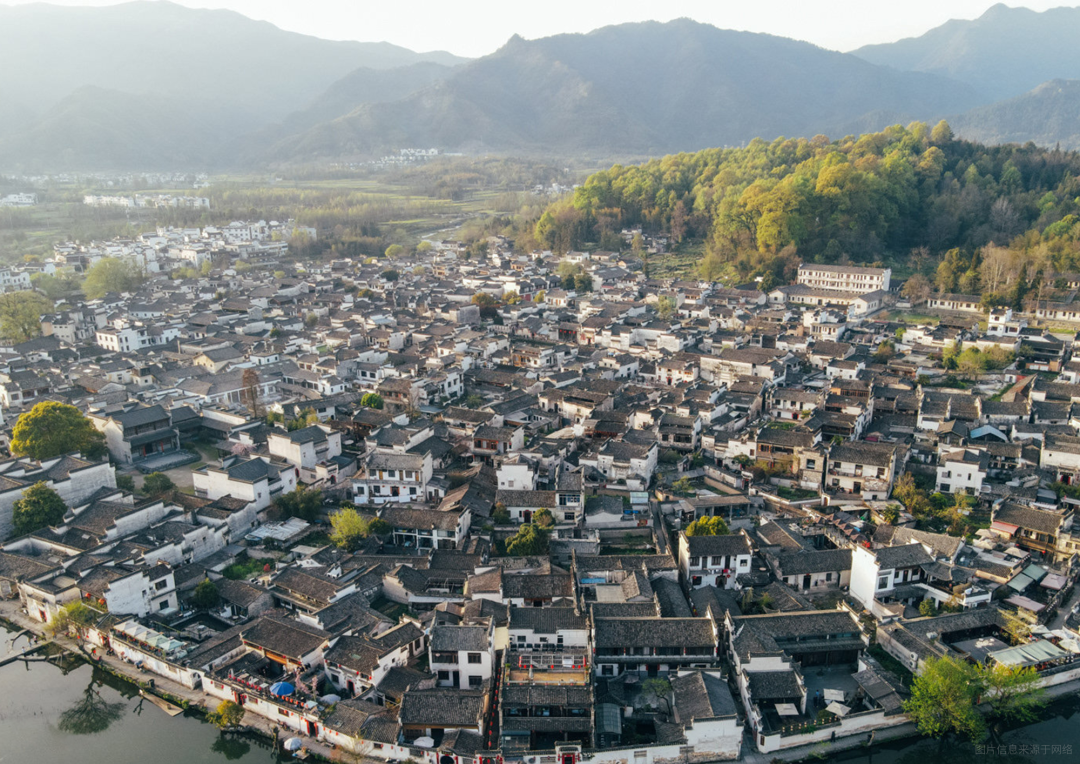
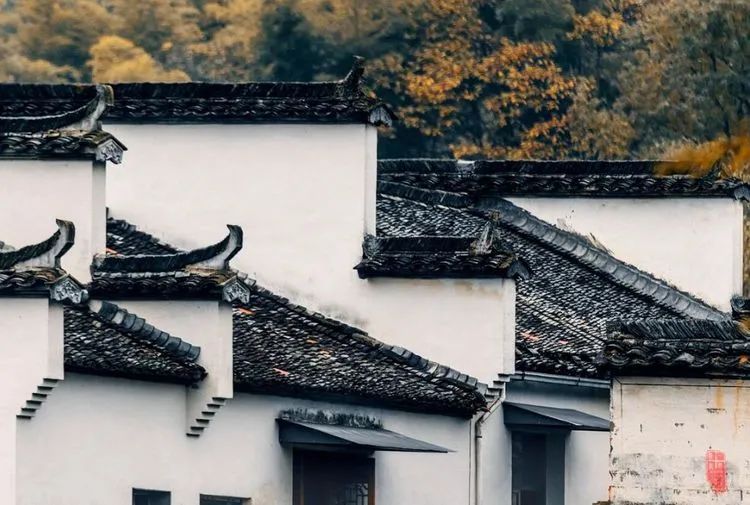
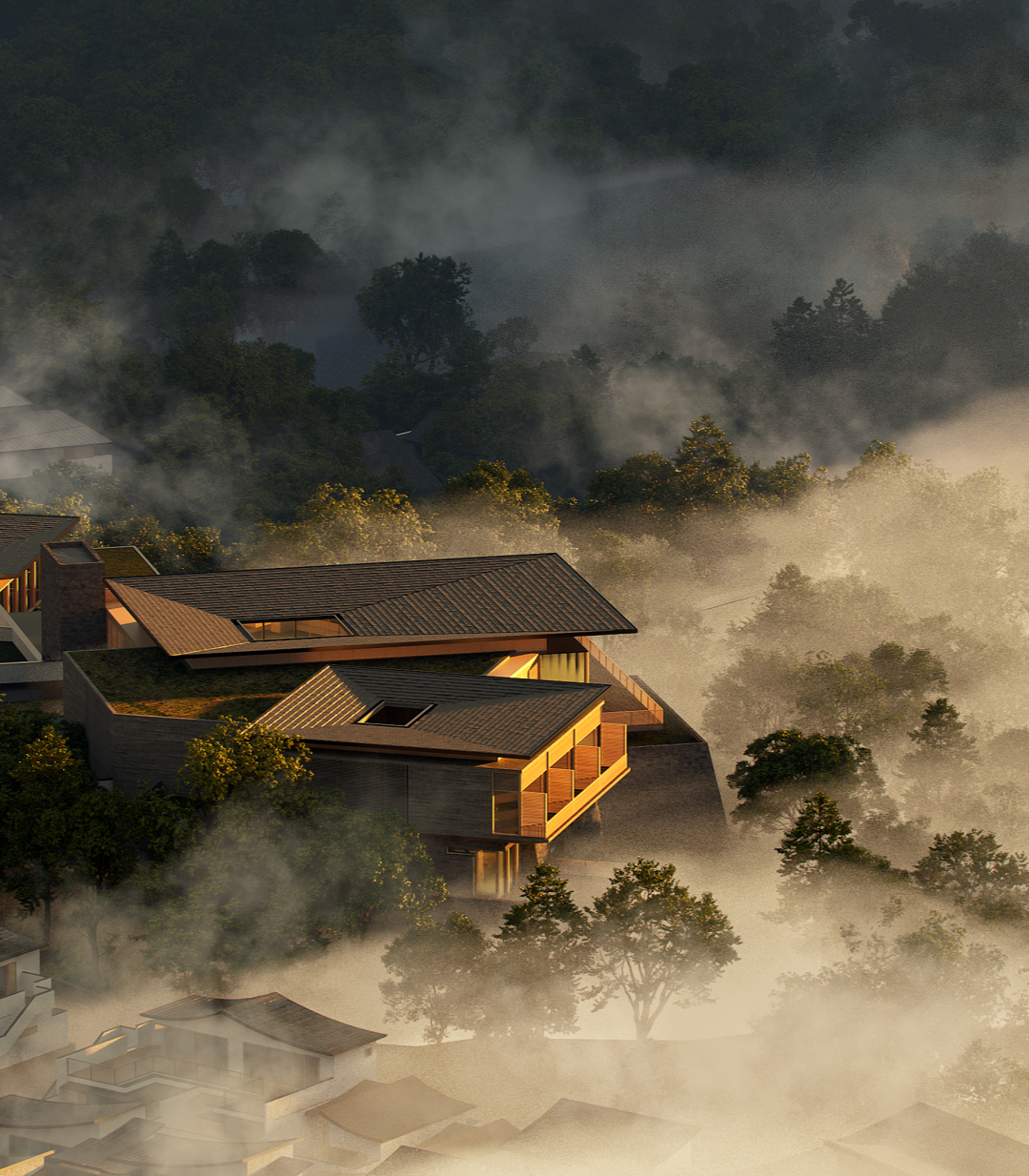

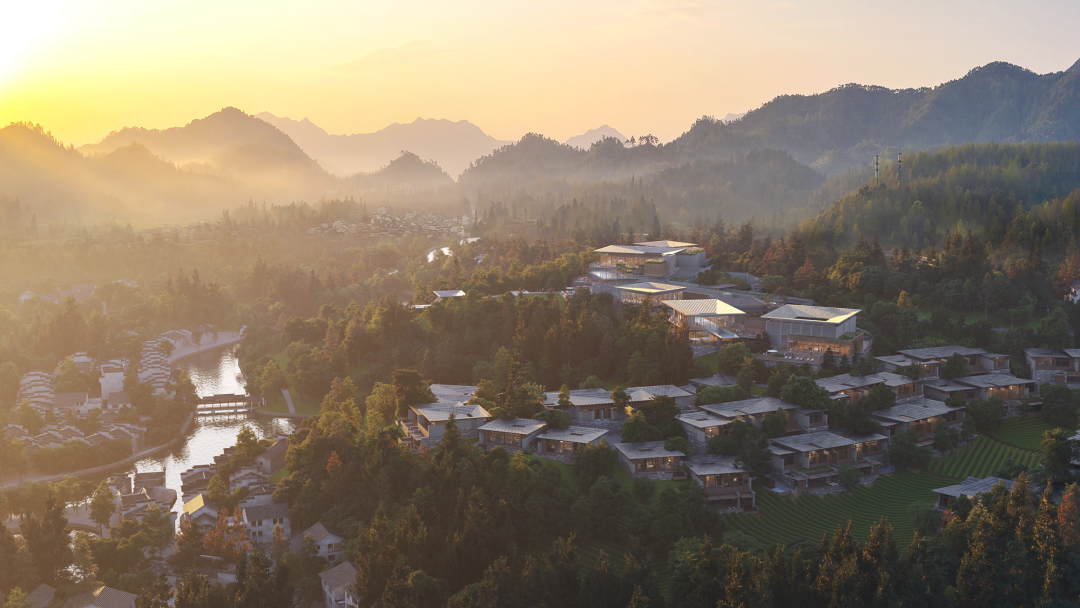
The design draws inspiration from the fundamental elements of Huizhou dwellings—courtyards, skywells, and alleyways—reinterpreting them as architectural prototypes for spatial organization. Among these, the skywell stands out. In traditional Huizhou houses, the skywell served practical functions such as lighting, drainage, and ventilation, but it also embodied a profound cultural metaphor: the idea of "converging four waters into the hall," symbolizing harmony and unity within the household.
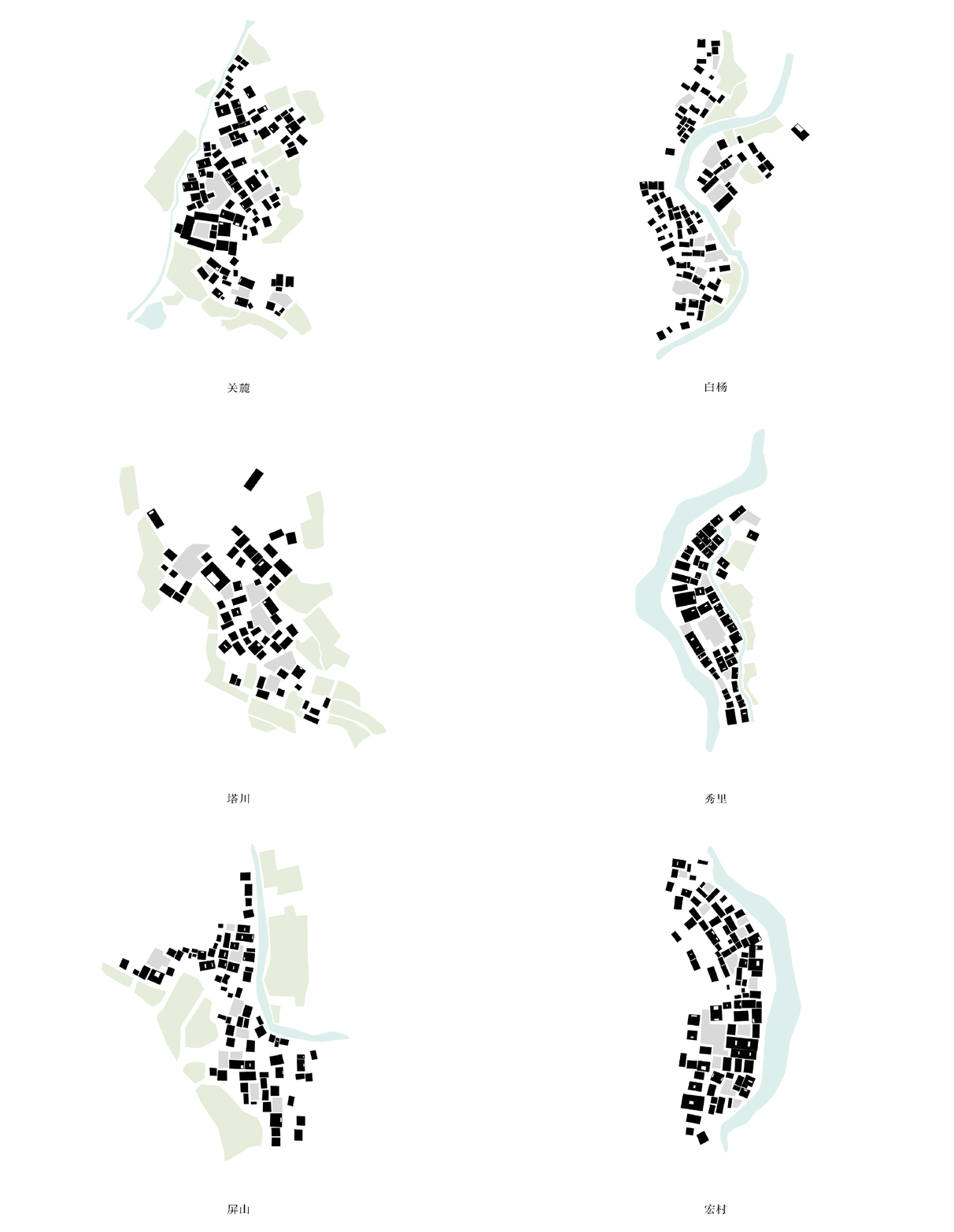
△ Study of the Surrounding Village Fabric
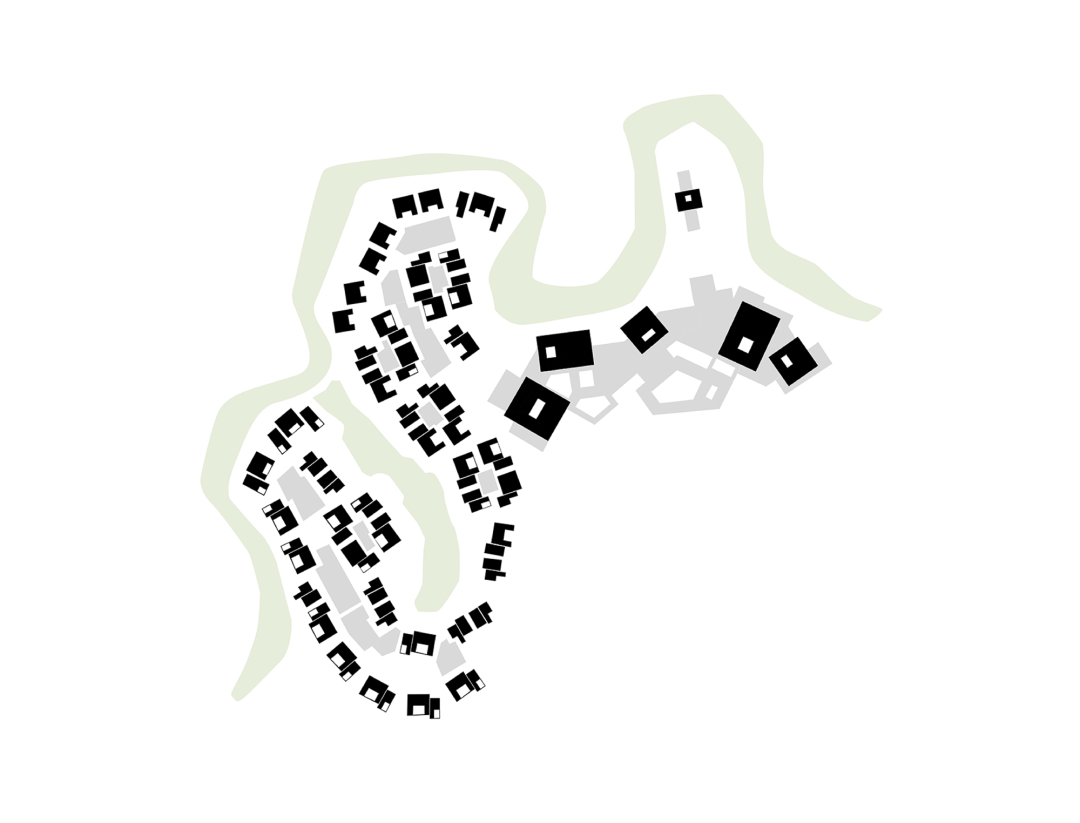
△ Project Site Fabric
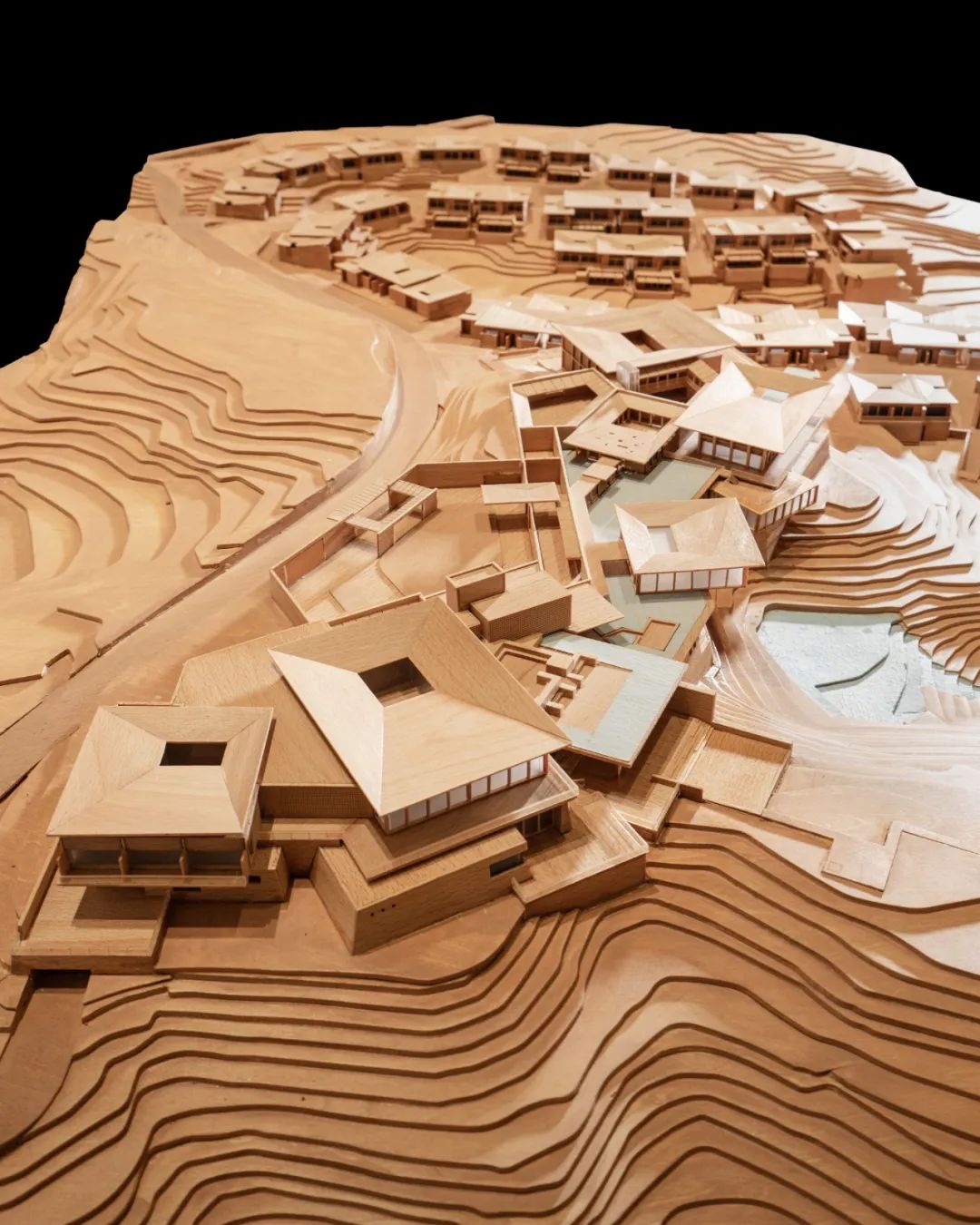
△ Model
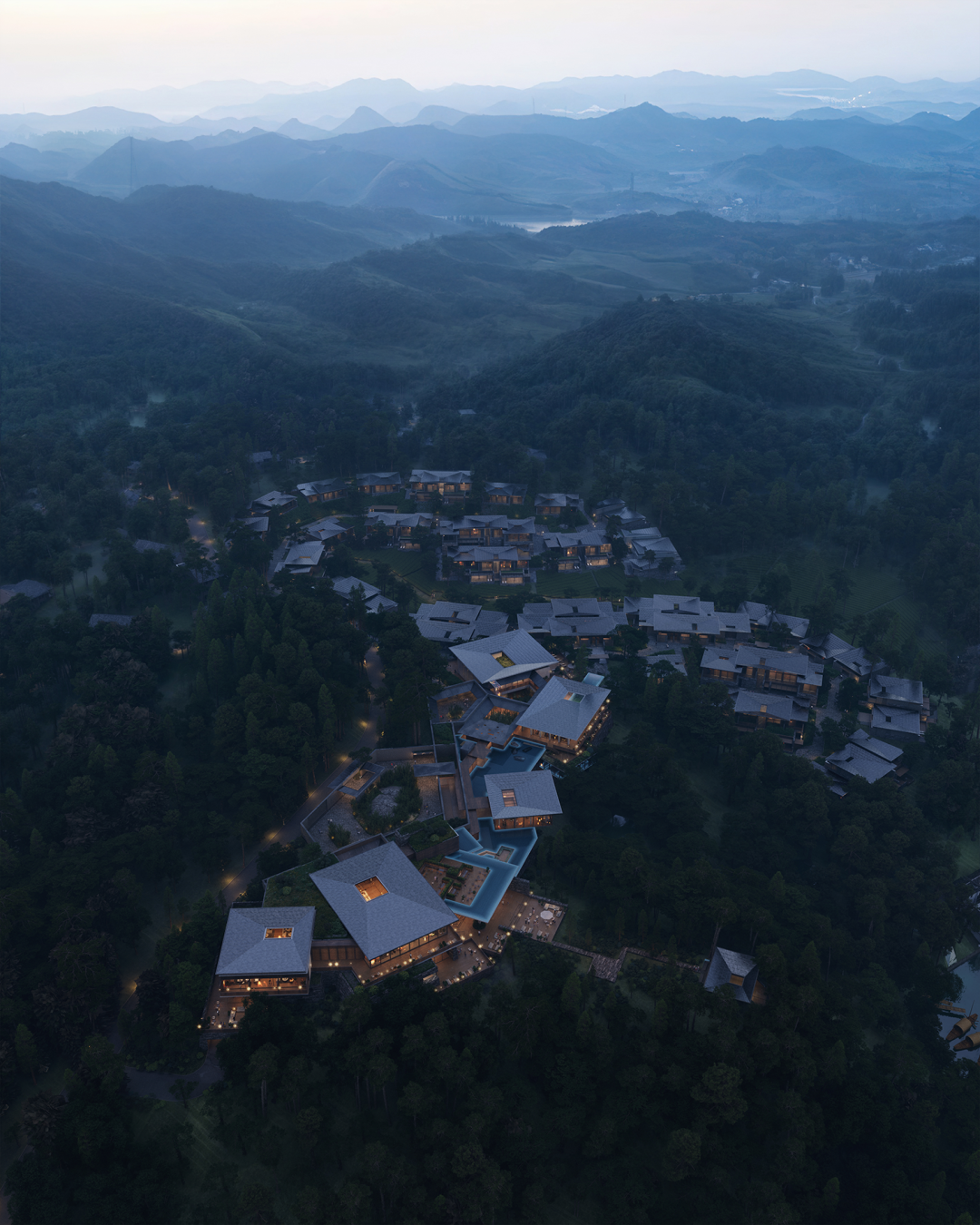
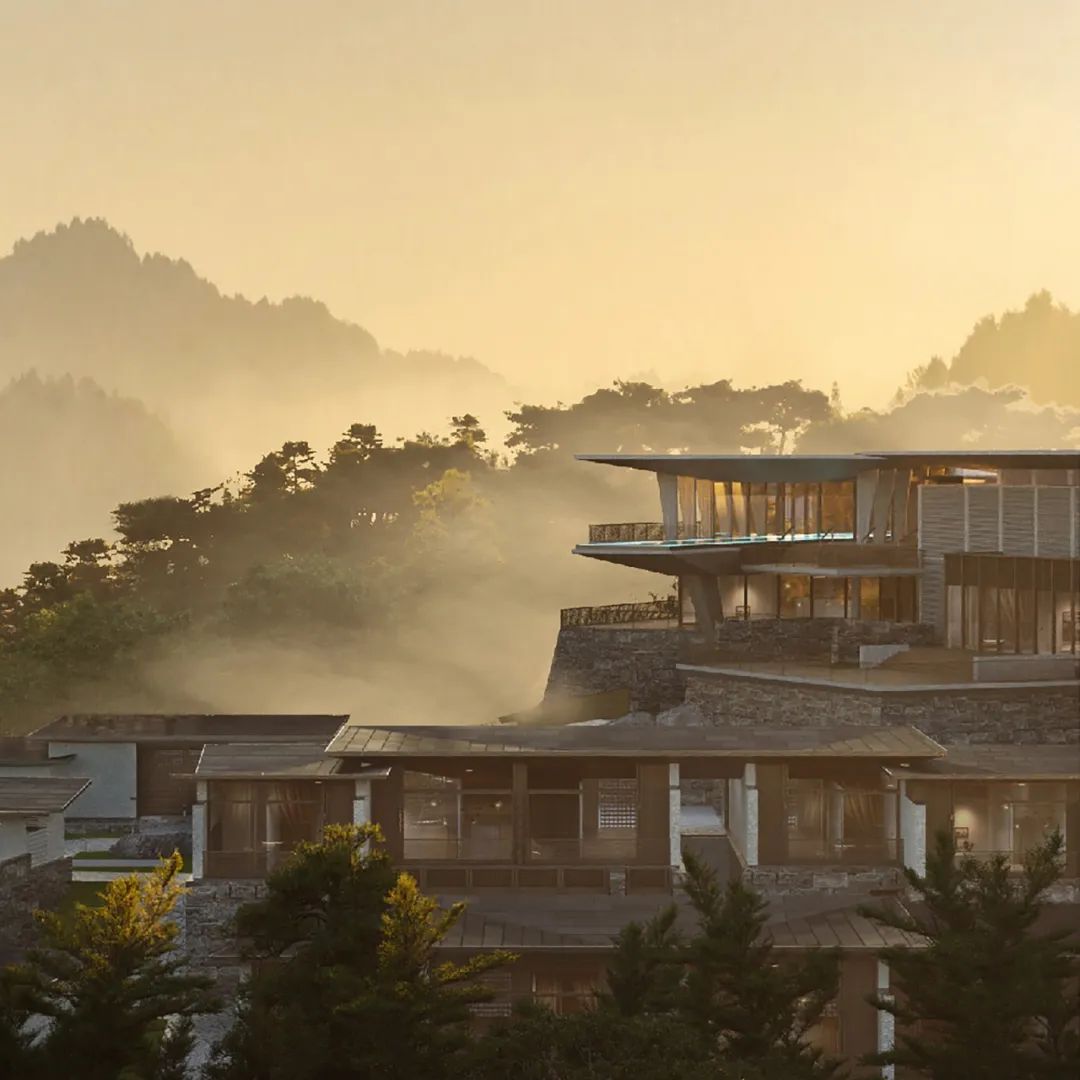
The site itself presents a strikingly varied topography, with steep slopes, gentle inclines, and a valley, creating an elevation difference of up to 30 meters. The layout of the hotel responds to this dramatic landscape, using the natural terrain and the varying vistas of sunlight—at sunrise, midday, and sunset—as guides to shape the spatial sequences of the hotel.
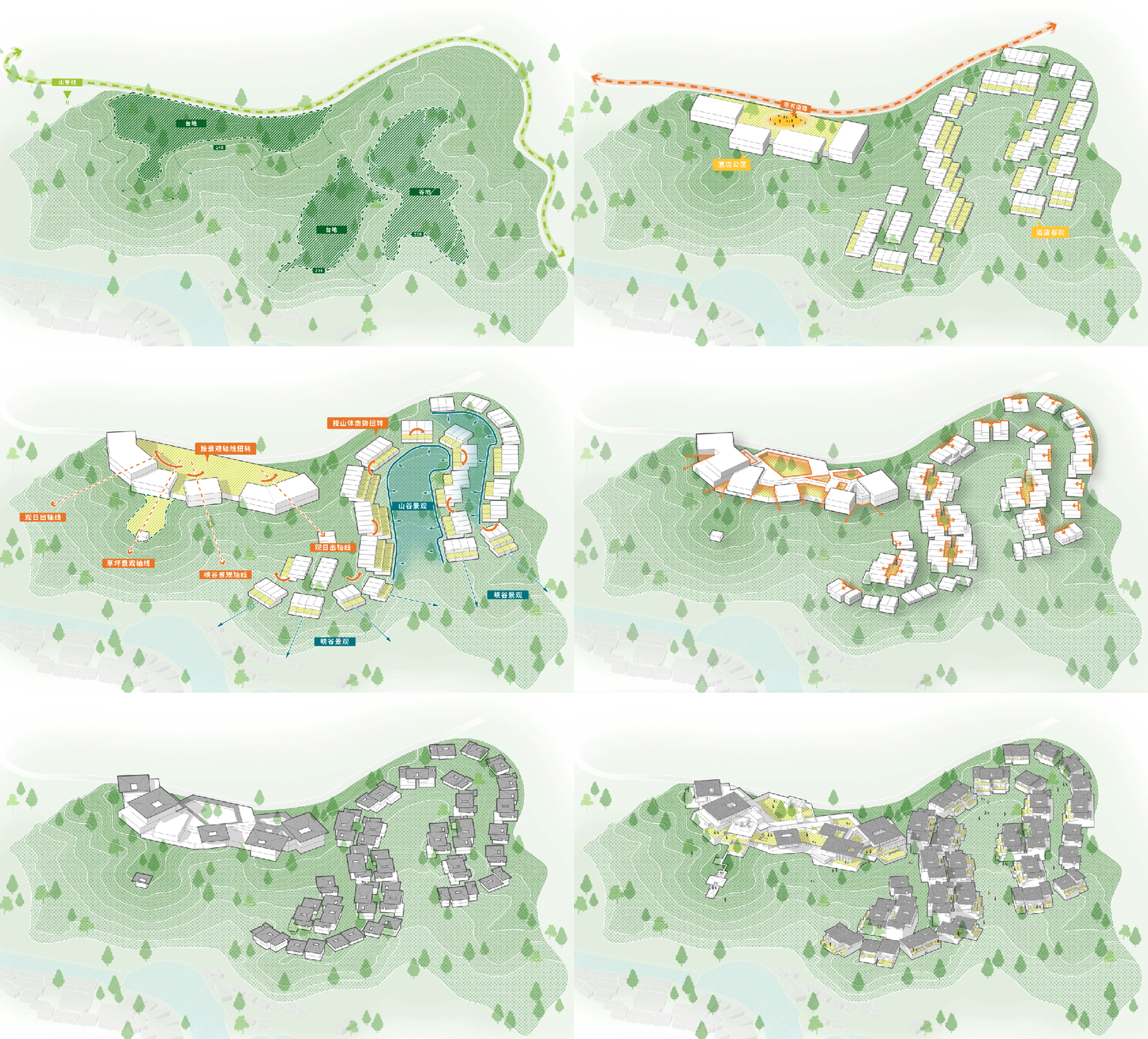
△ Planning Generation Analysis
The eastern highland, with its open vistas, offers views of the sunrise, making it ideal for outward-facing public spaces. To the north, the view unfolds to reveal a panoramic scene of rolling mountains and the close-knit, ancient villages below—where nature and culture coexist harmoniously. In contrast, the western valley is more inward-looking, shrouded in peaceful solitude and dense with tall poplar trees. This seclusion fosters a quiet, reflective atmosphere. The layout, therefore, follows the natural contours of the land: public spaces are positioned to the east, while the guestroom clusters gradually transition westward.
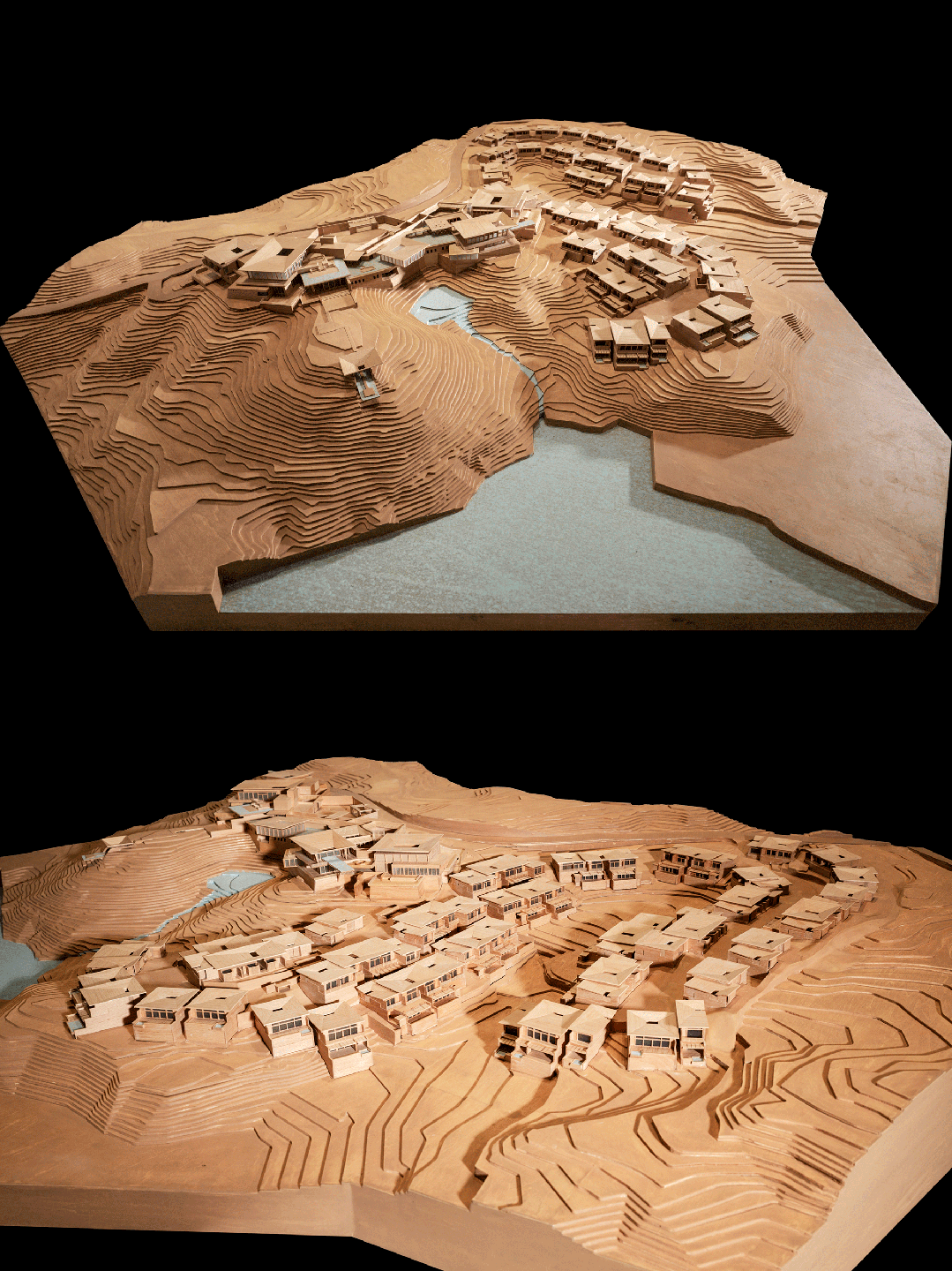
△ Overall Layout Model
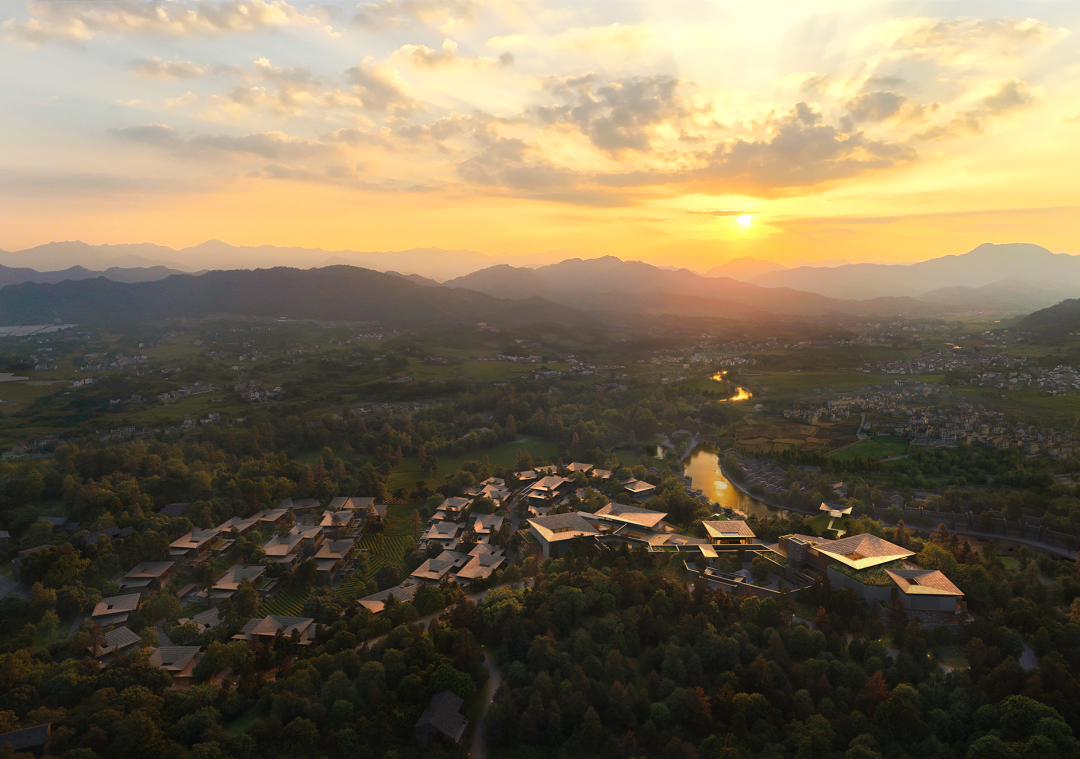
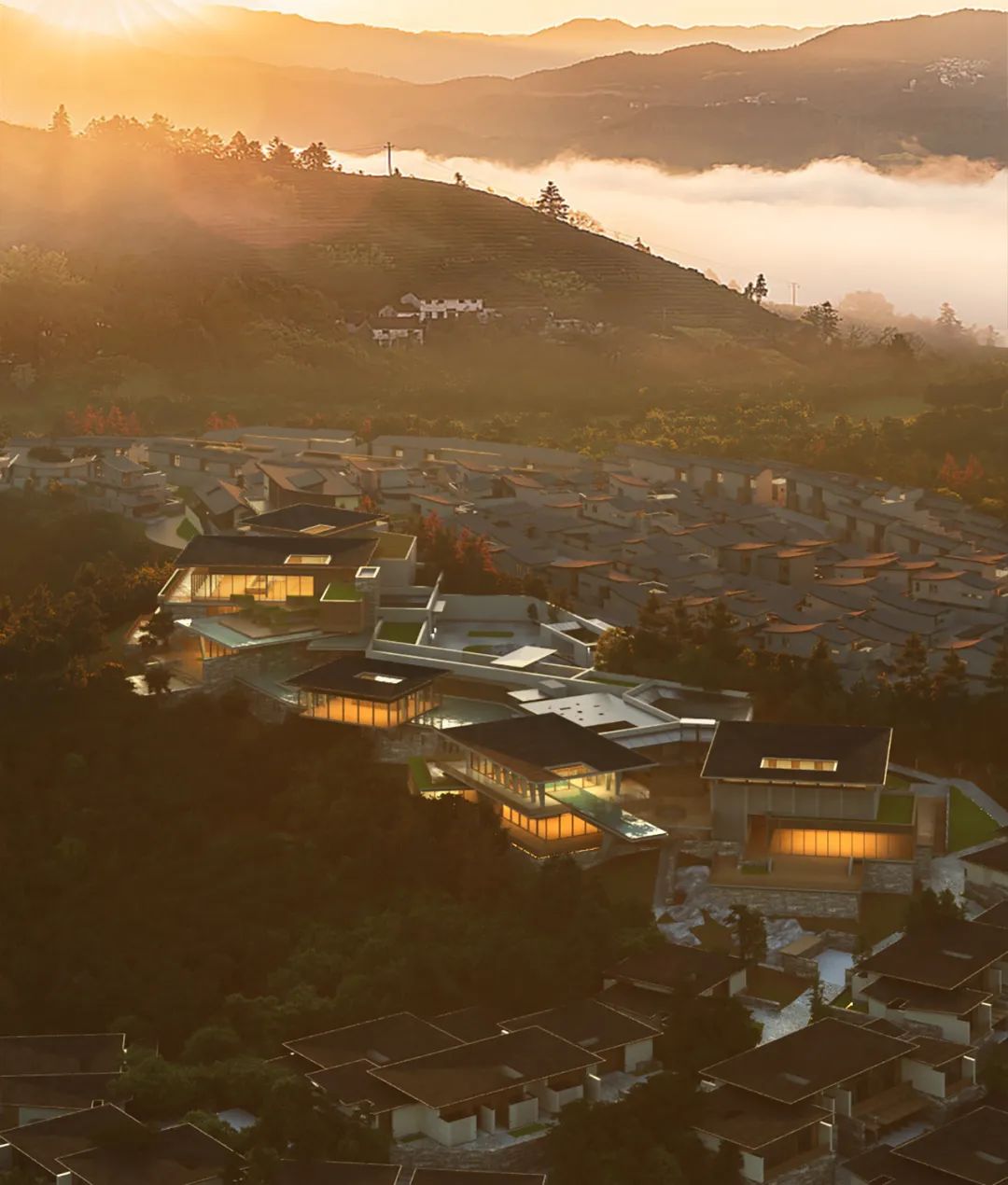
The architectural organization mirrors the traditional grouping found in Huizhou villages, where buildings are organized into clusters, linked by alleys, and capped with inward-sloping roofs.
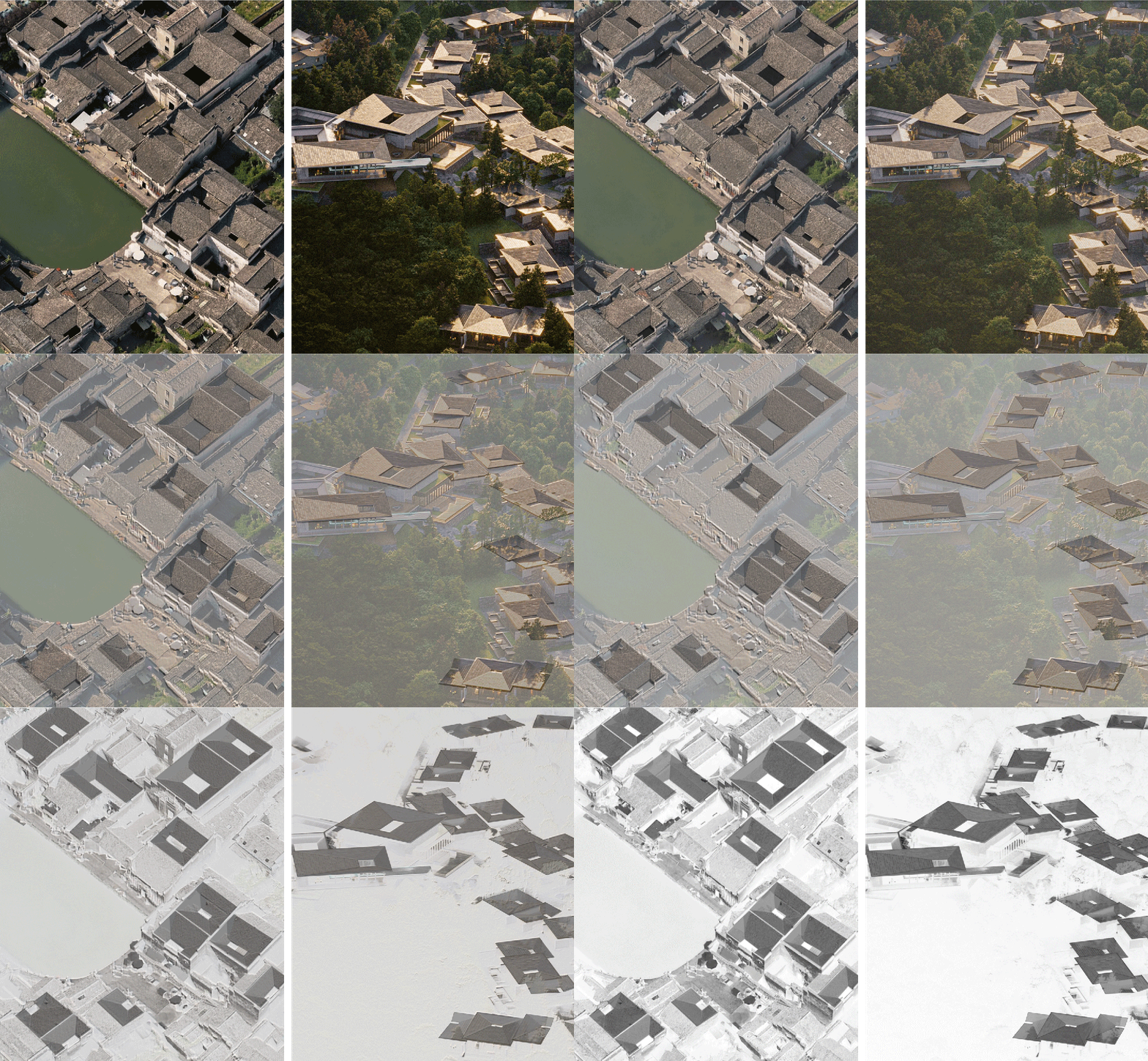
△ Roof Element Extraction
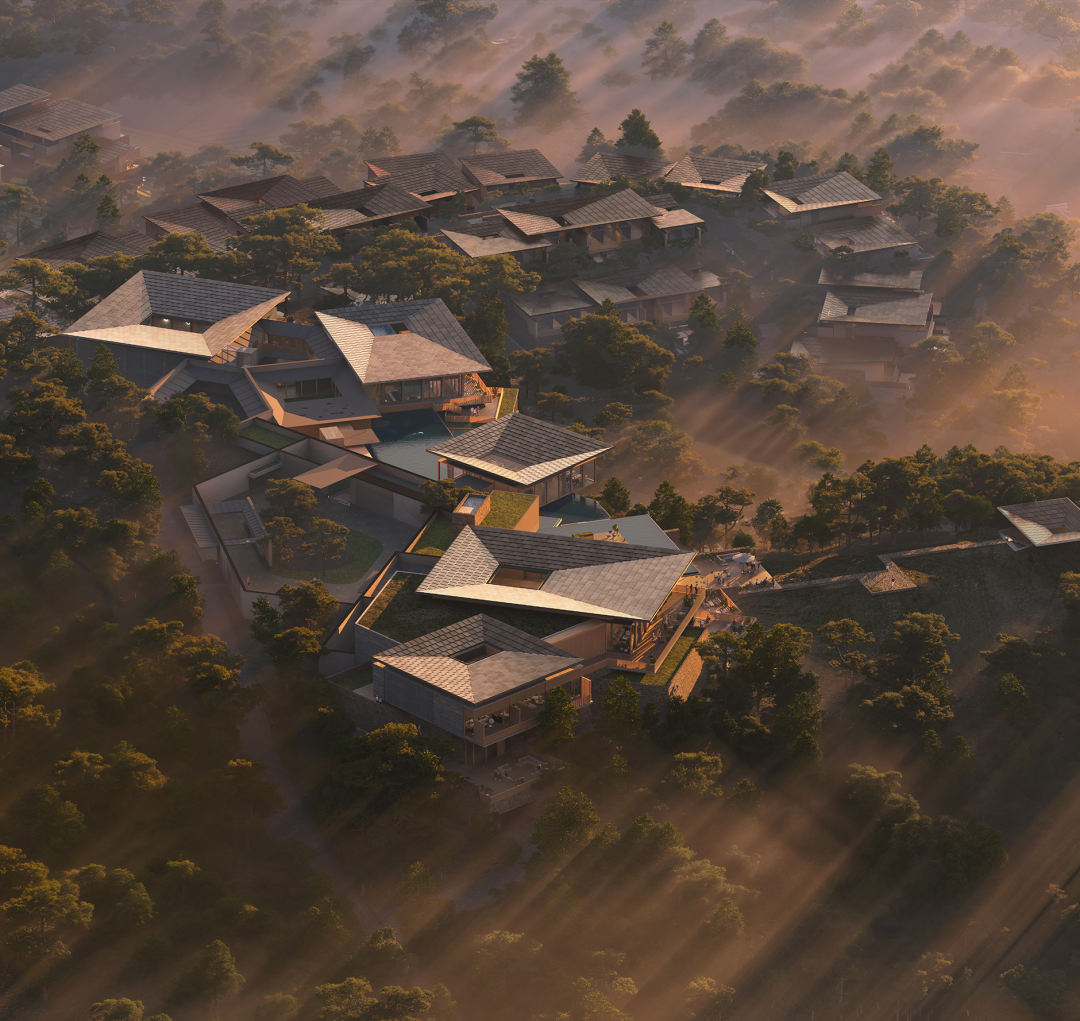
Below these roofs, a series of skywells and courtyards seamlessly guide the transition between private and public, exterior and interior, creating both singular and dynamic spatial experiences.
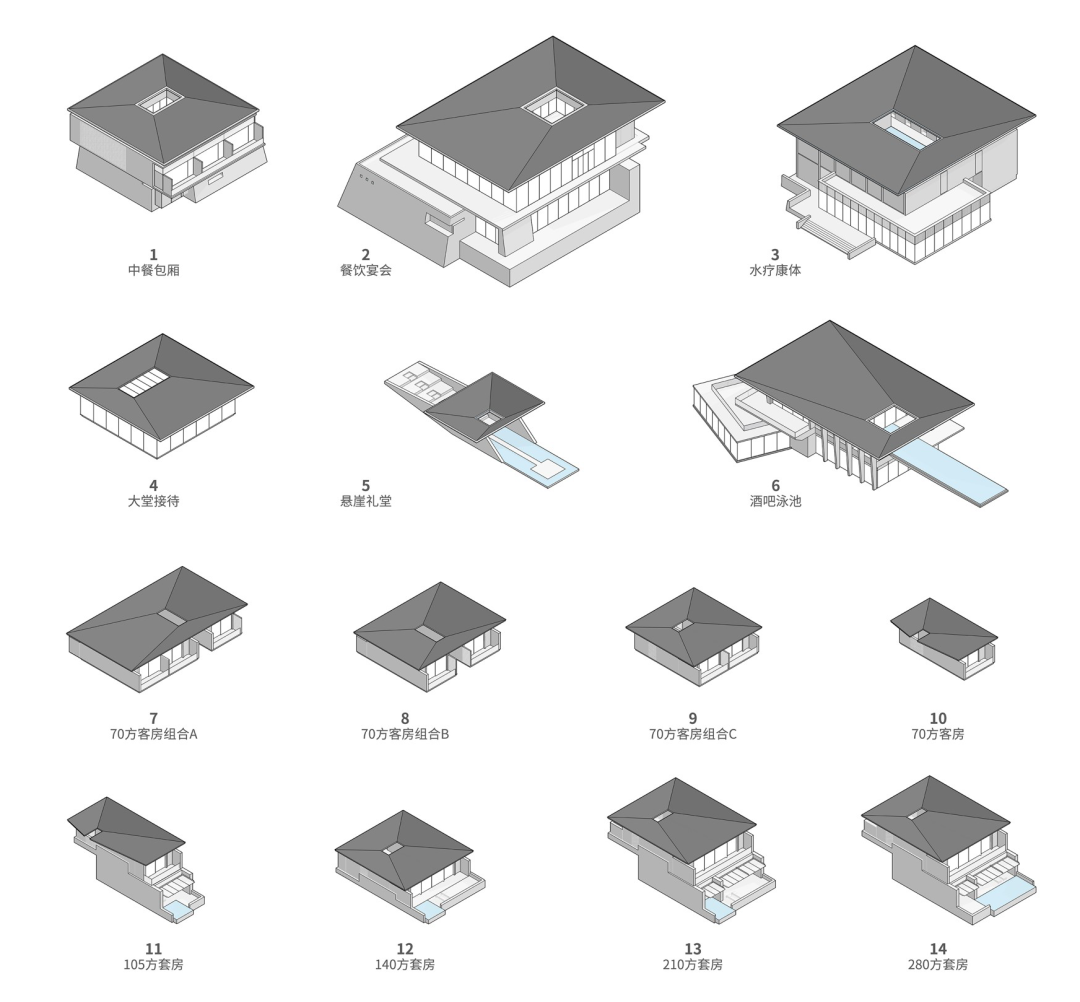
△ Roof Element Application Analysis
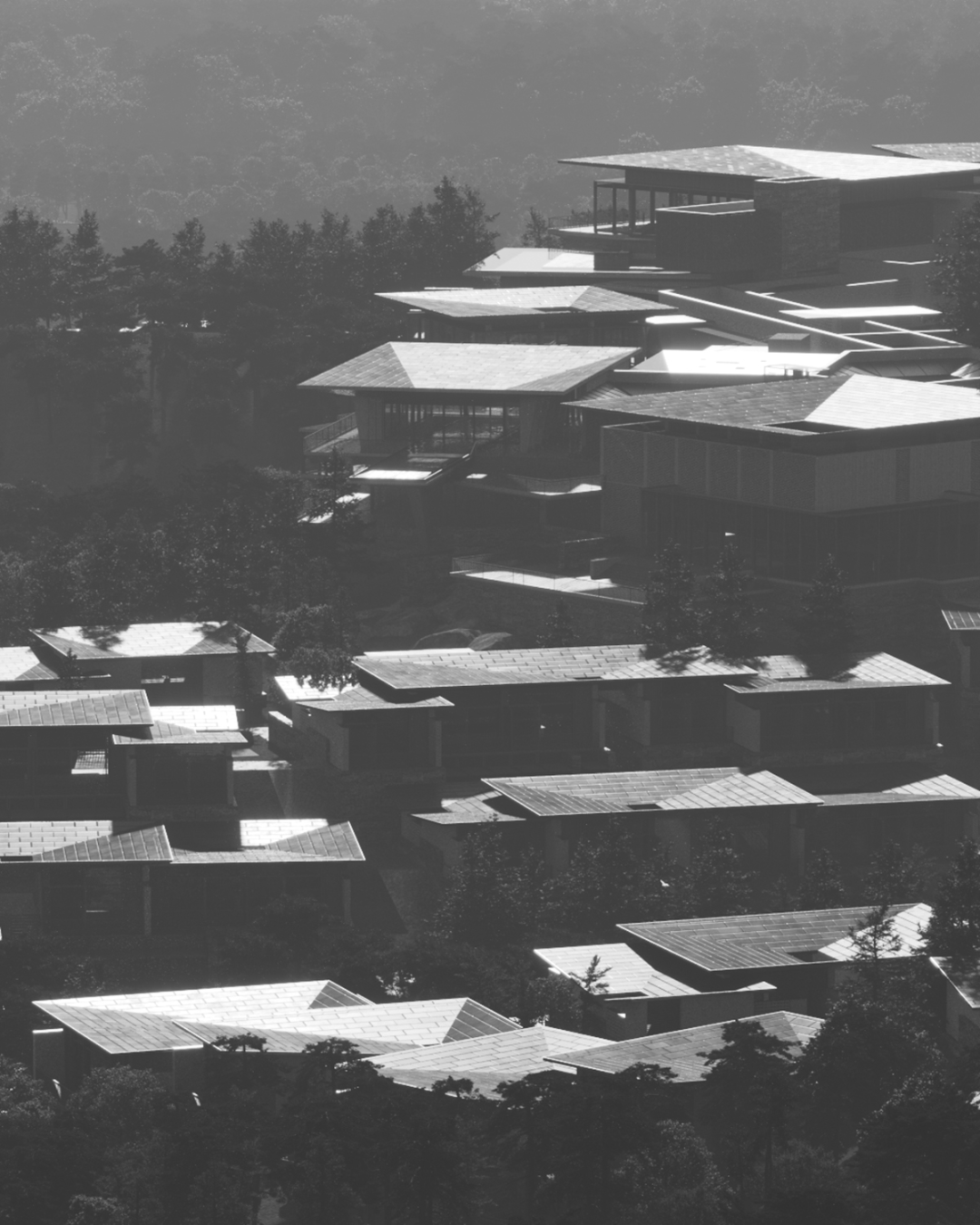
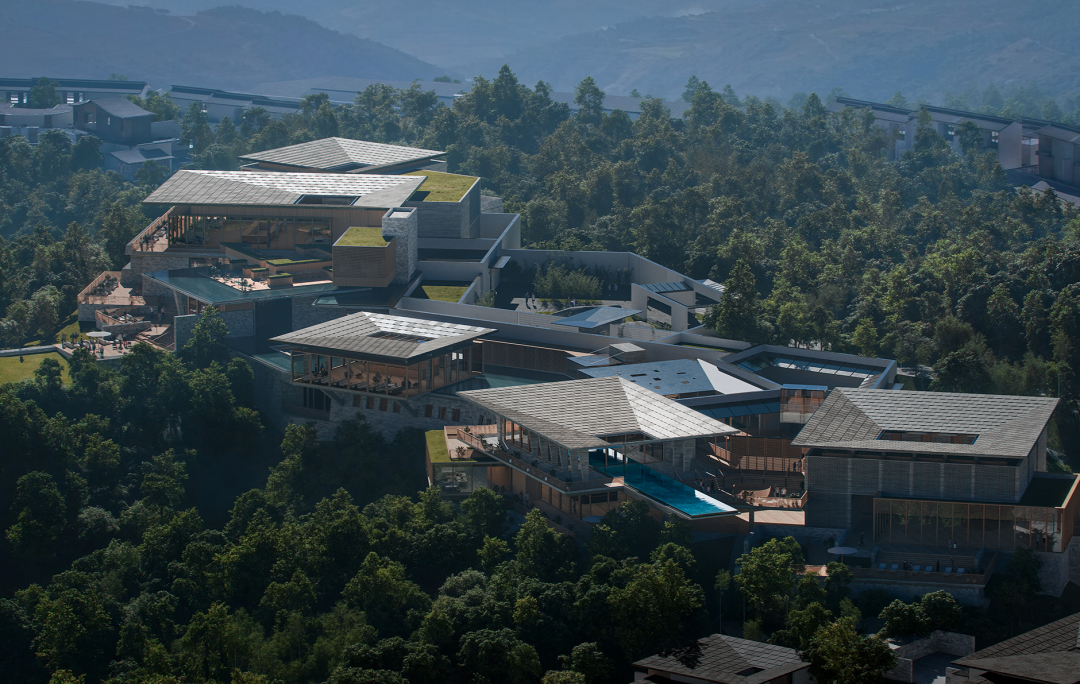
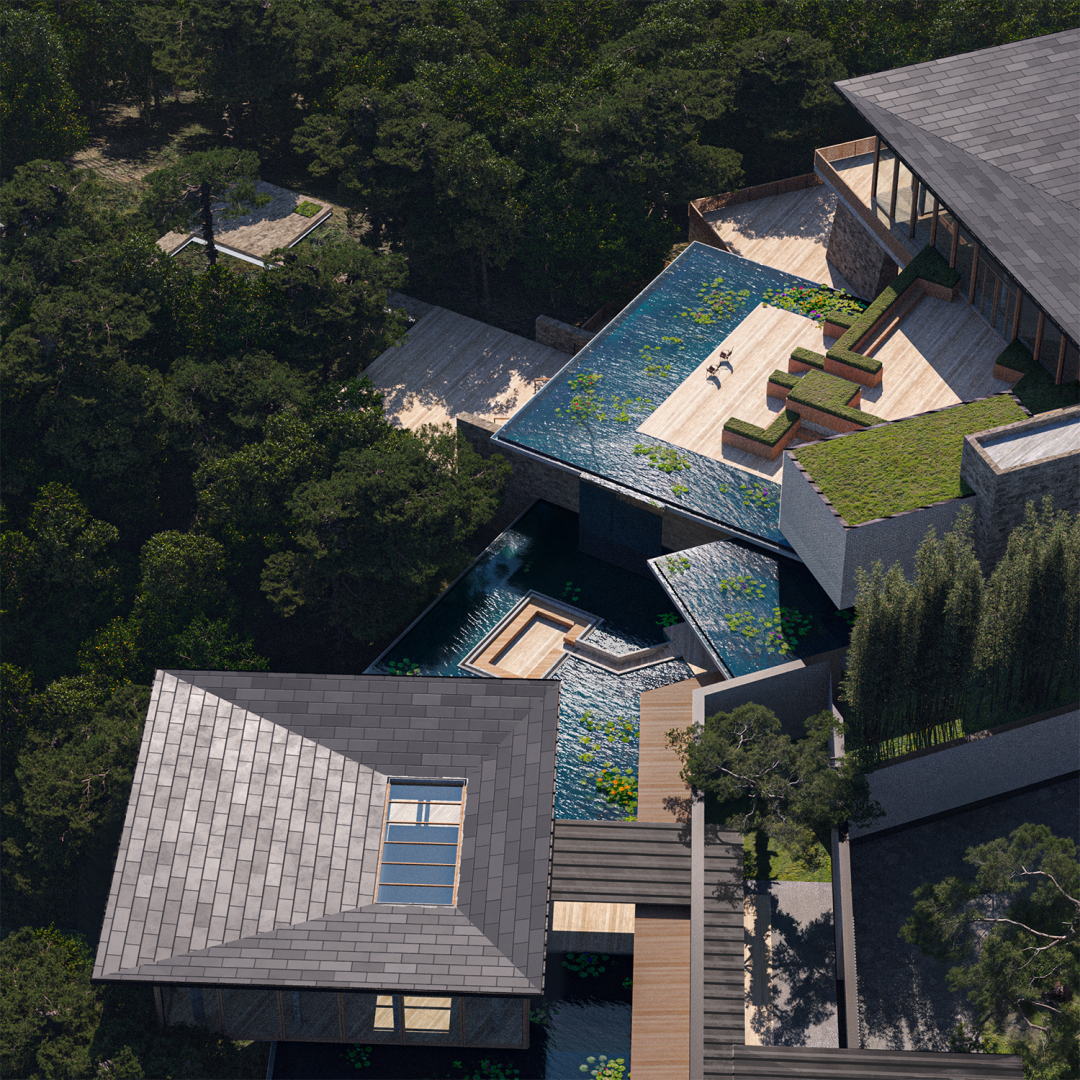
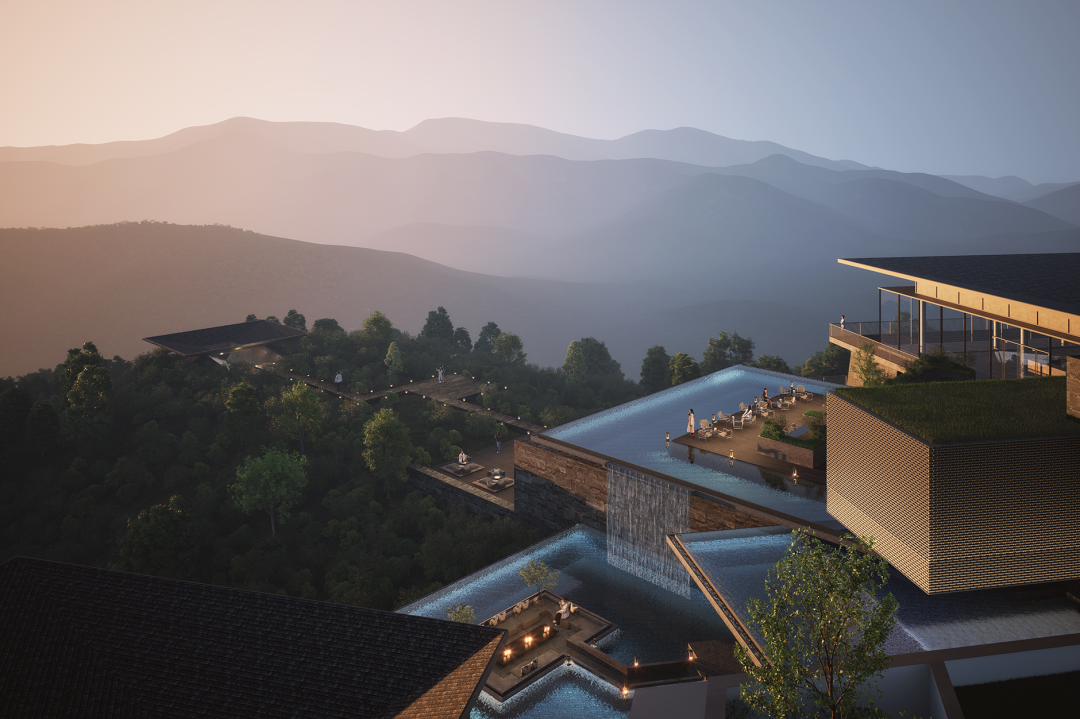
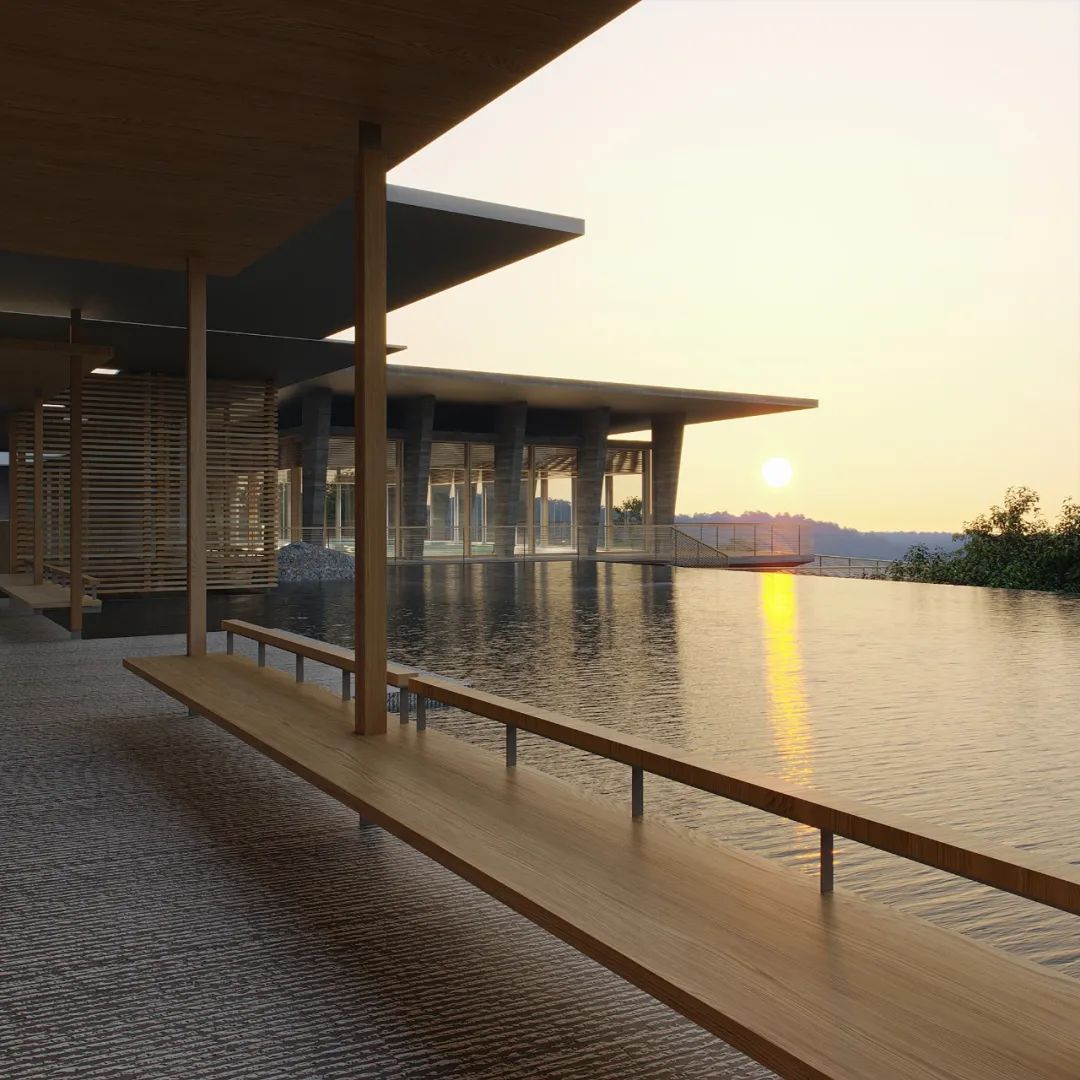
The public spaces are arranged along the canyon landscape, with the arrival and reception zones forming the entry sequence. To the east, elevated terraces open to expansive views, accommodating gathering areas like restaurants and banquet halls. This design not only maximizes the site's scenic potential but also emphasizes the outward-focused experience of the space.
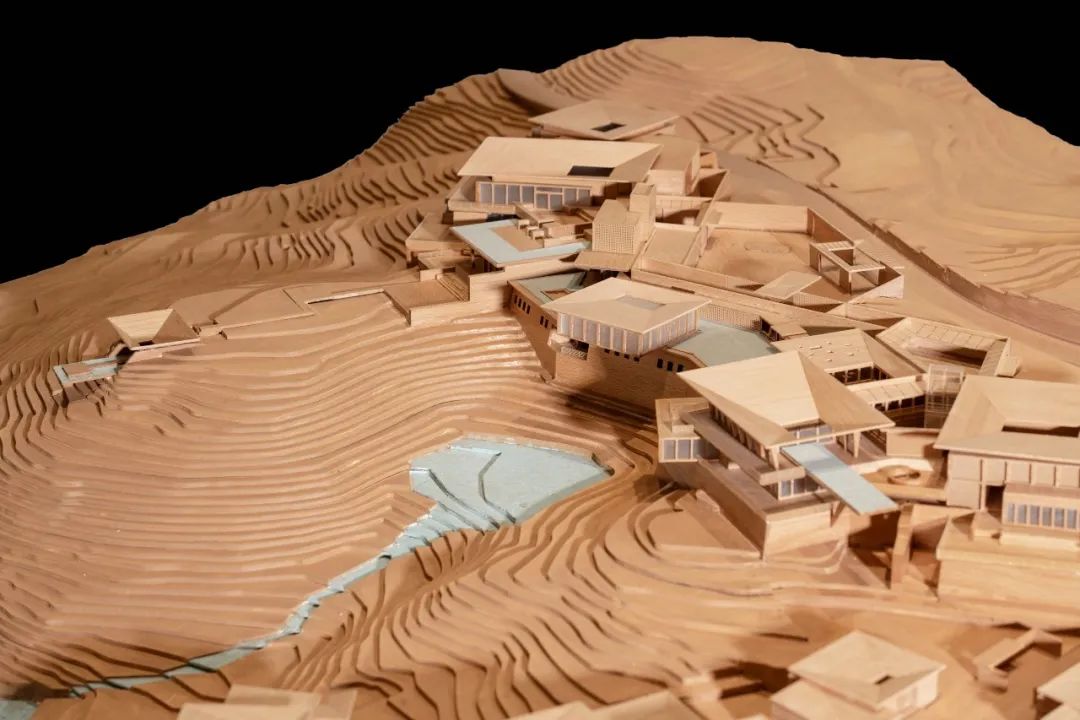
△ Public Area Model
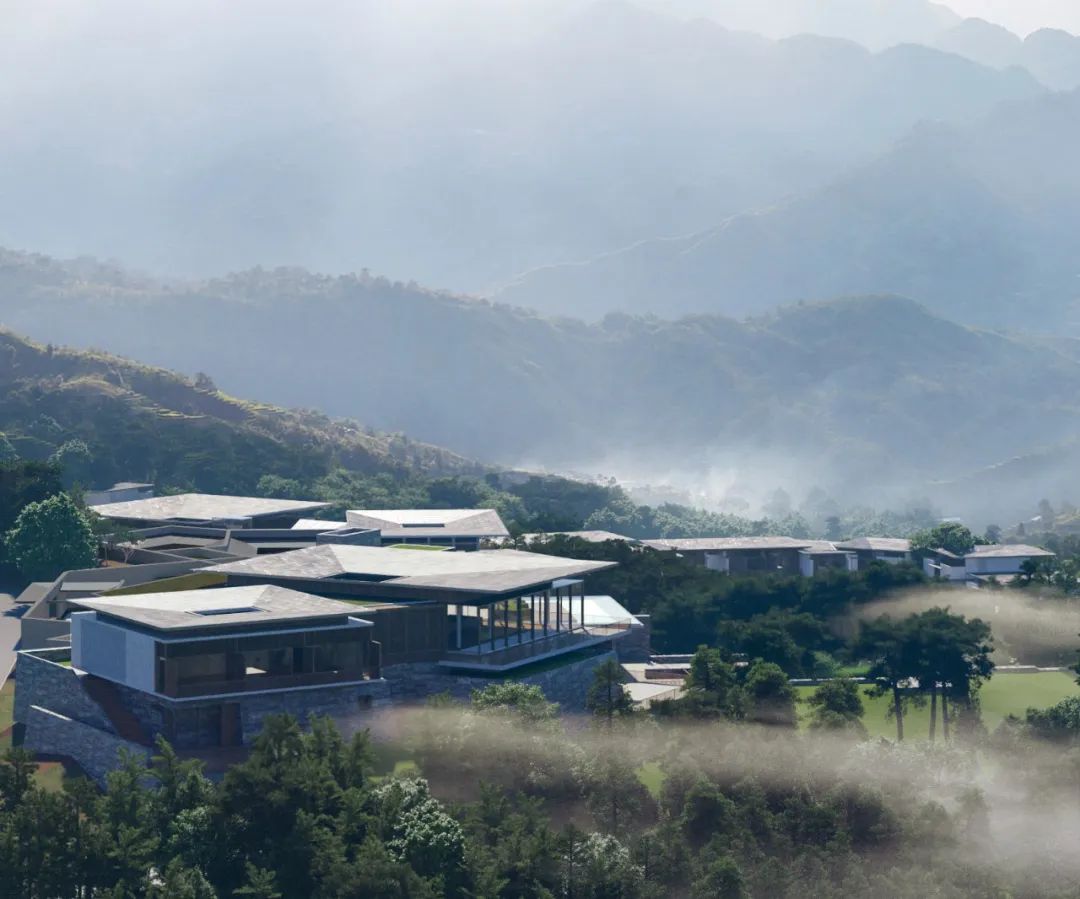
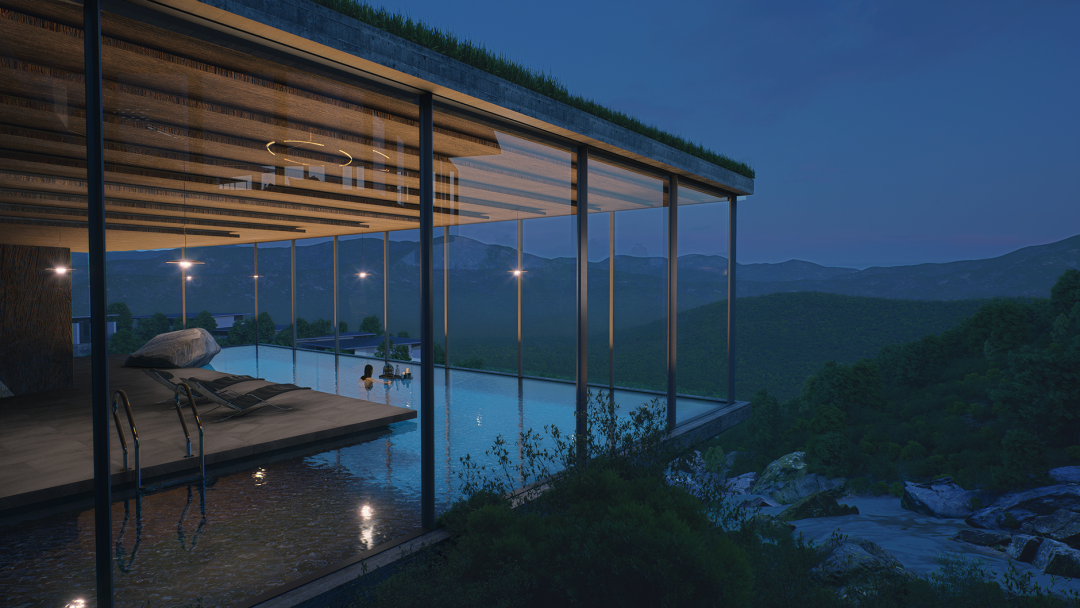
Dining is a signature offering of Kimpton Hotels, and it has been placed at the easternmost end of the site, where it enjoys a high degree of independence and the best possible views. To the west, a more secluded, gently sloping plateau is devoted to wellness and leisure spaces, providing a more intimate and tranquil atmosphere.
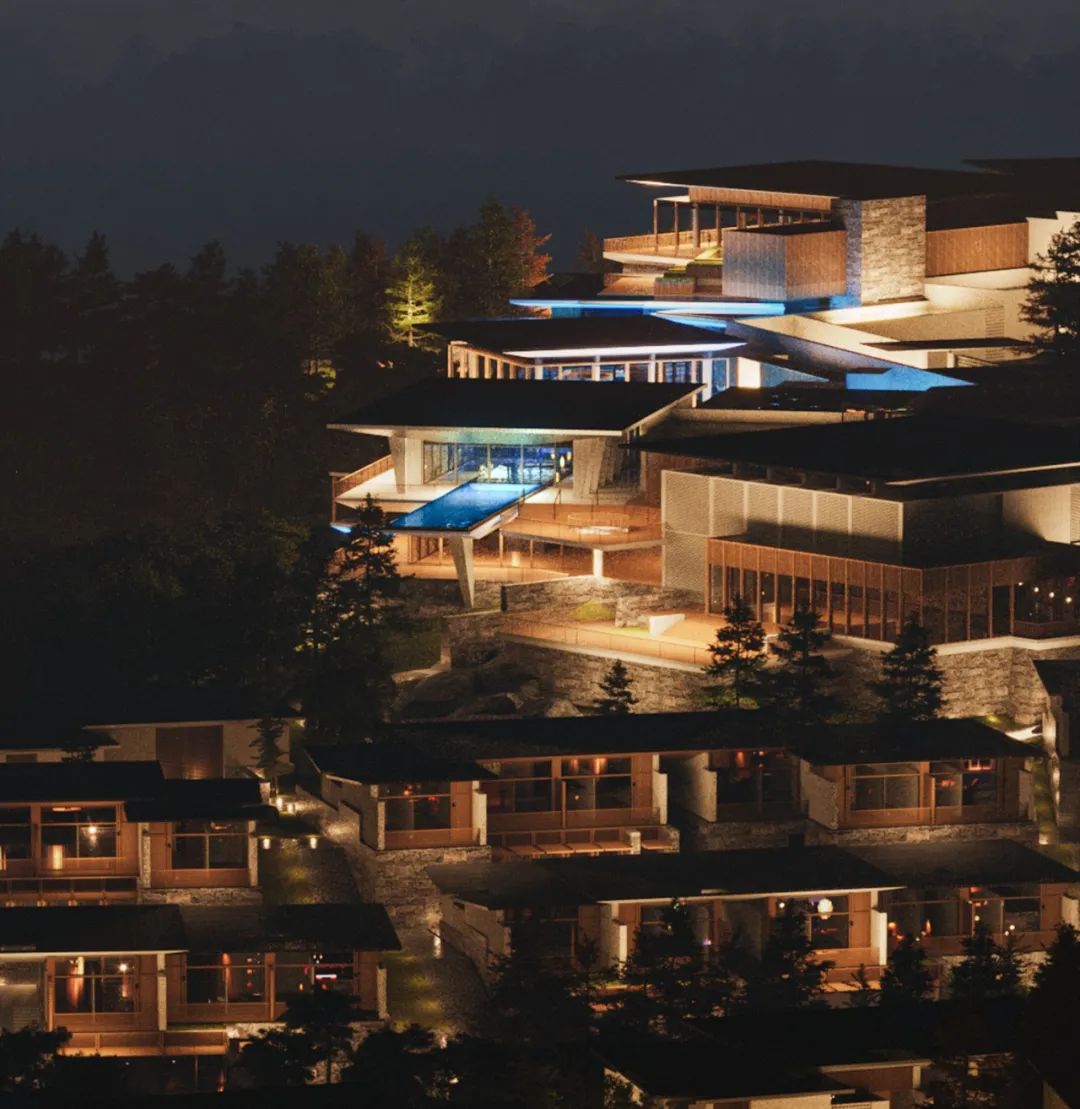
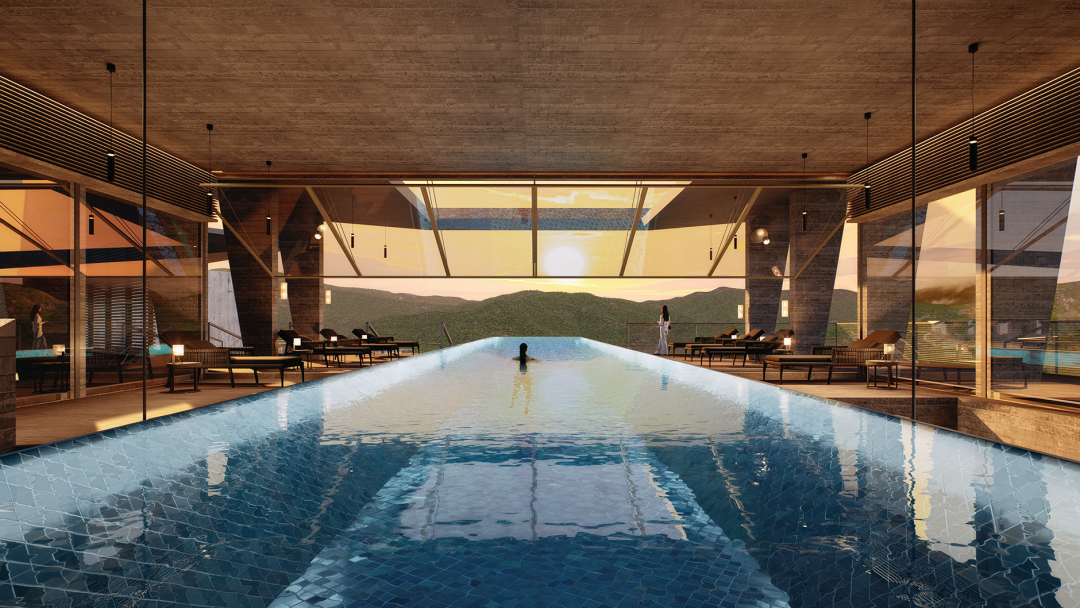
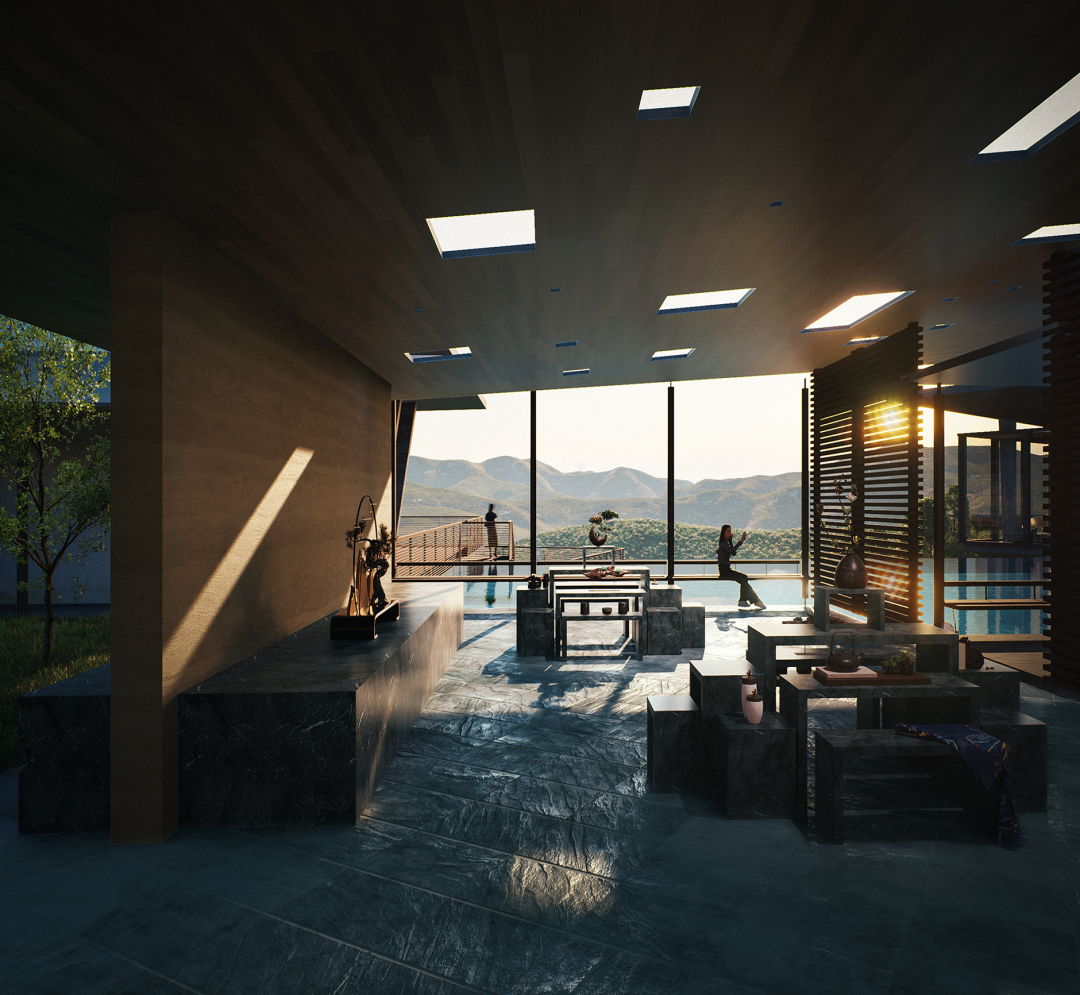
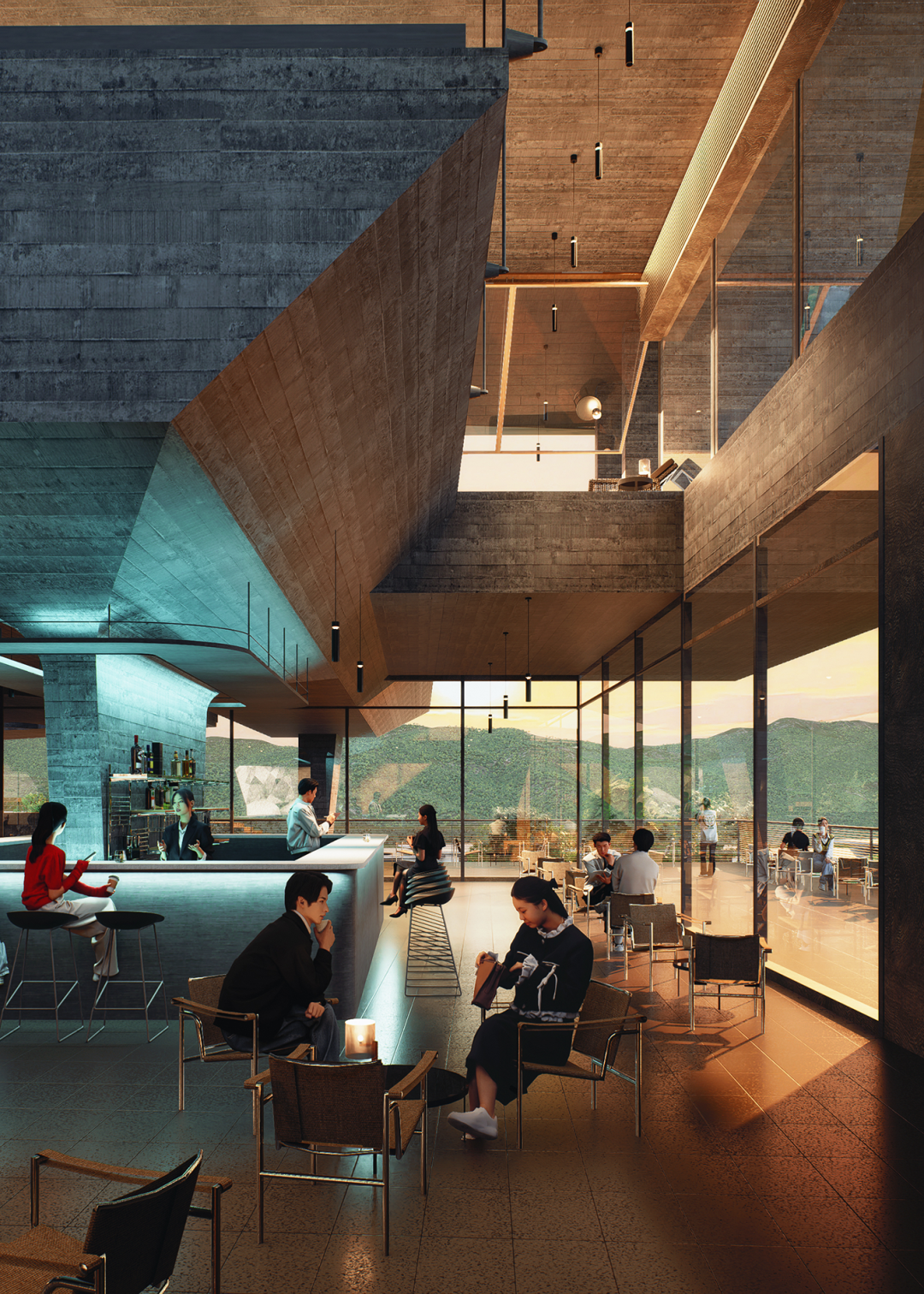
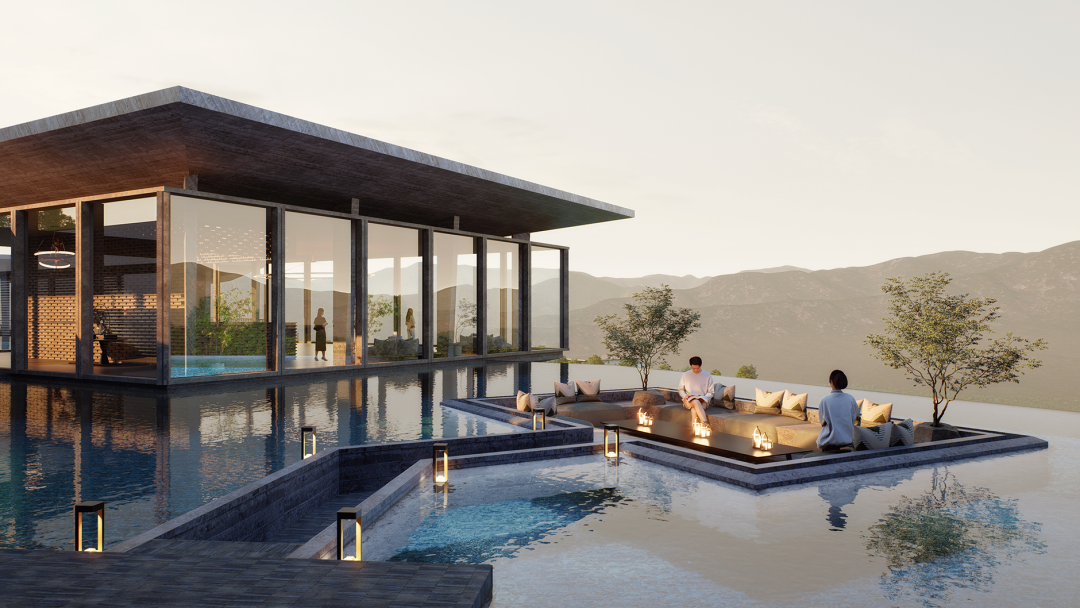
At the heart of the public buildings are skywells, opening toward the sky to bring in natural light and establish an inwardly focused, contemplative atmosphere. The spatial arrangement within the clusters adheres to a rhythm of symmetry and layered courtyards, breaking down larger volumes into fragmented, terrace-like forms that enhance spatial continuity and openness.

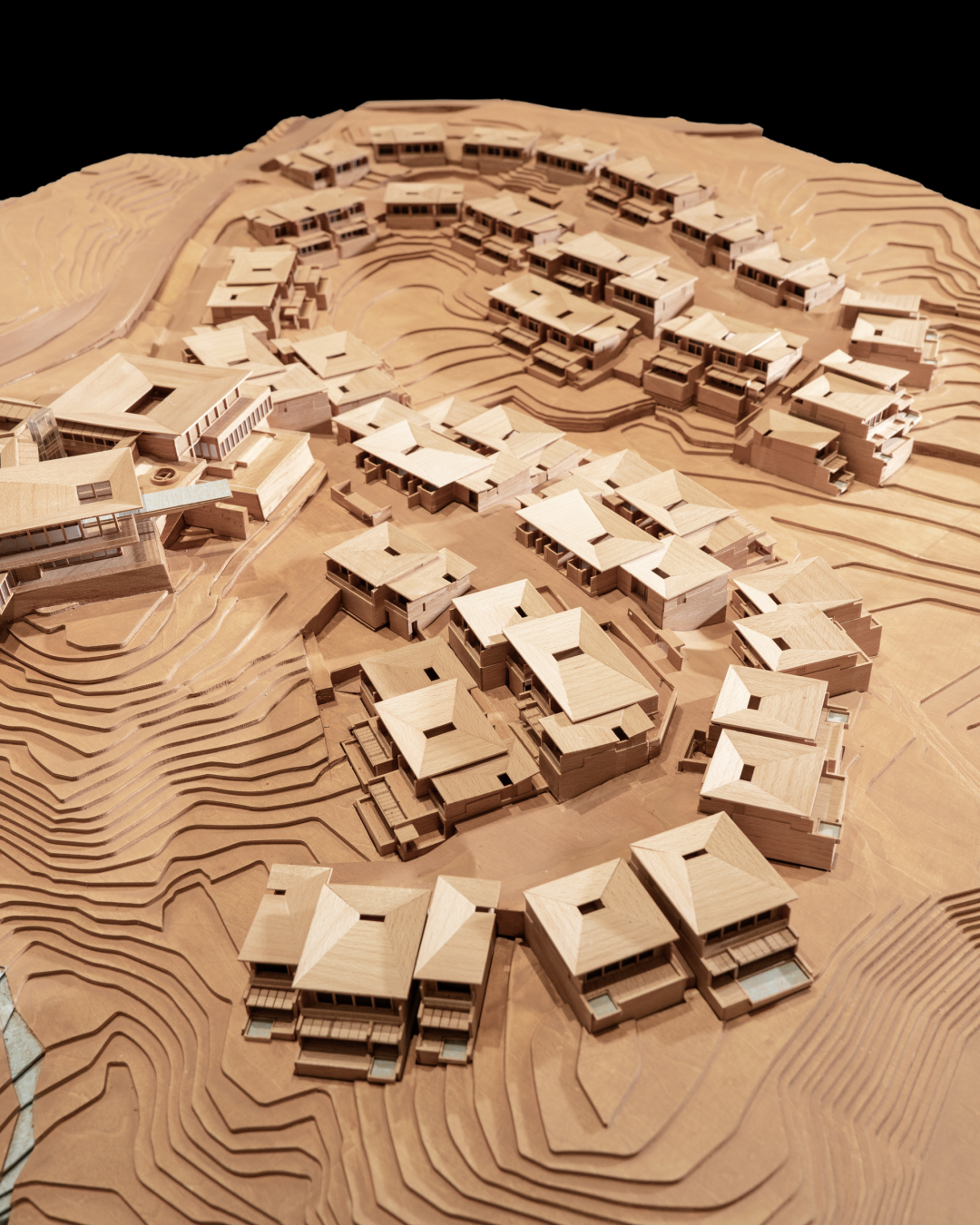
△ Guestroom Model
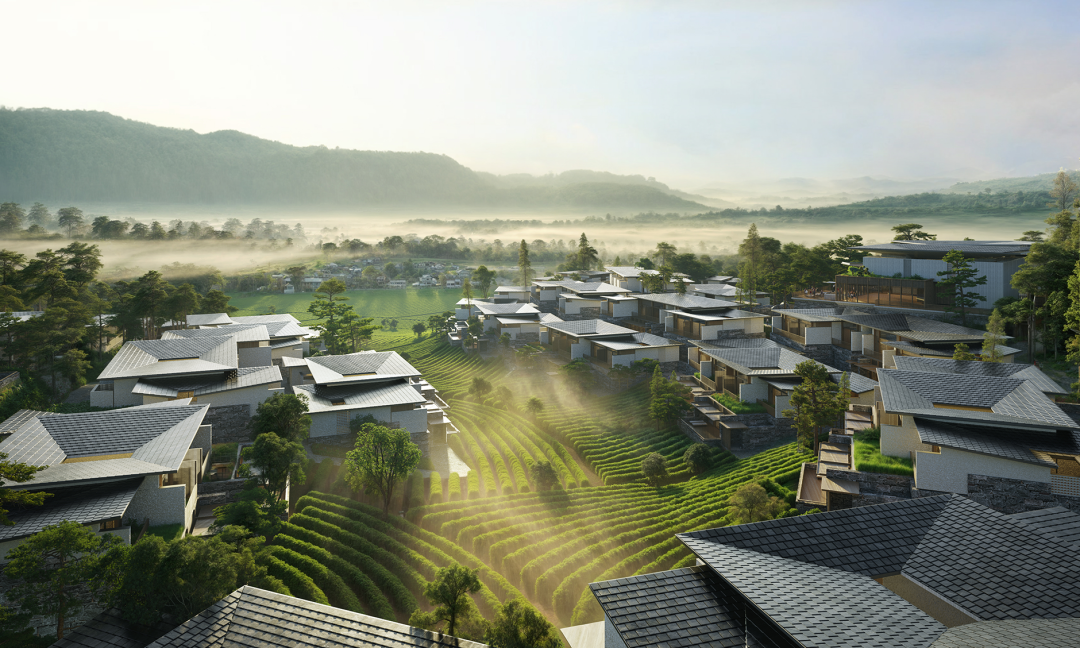
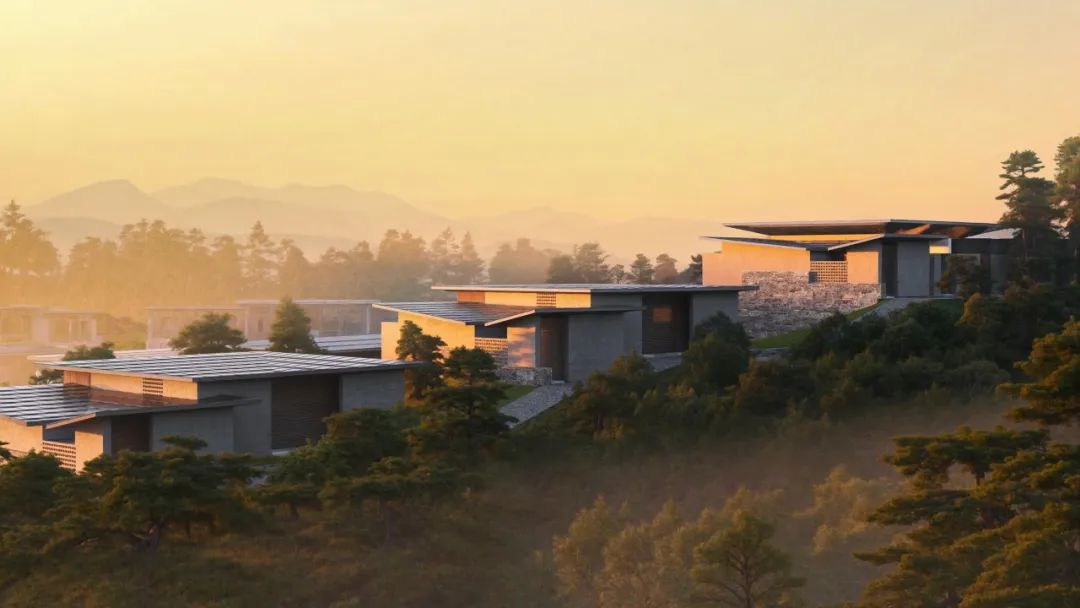
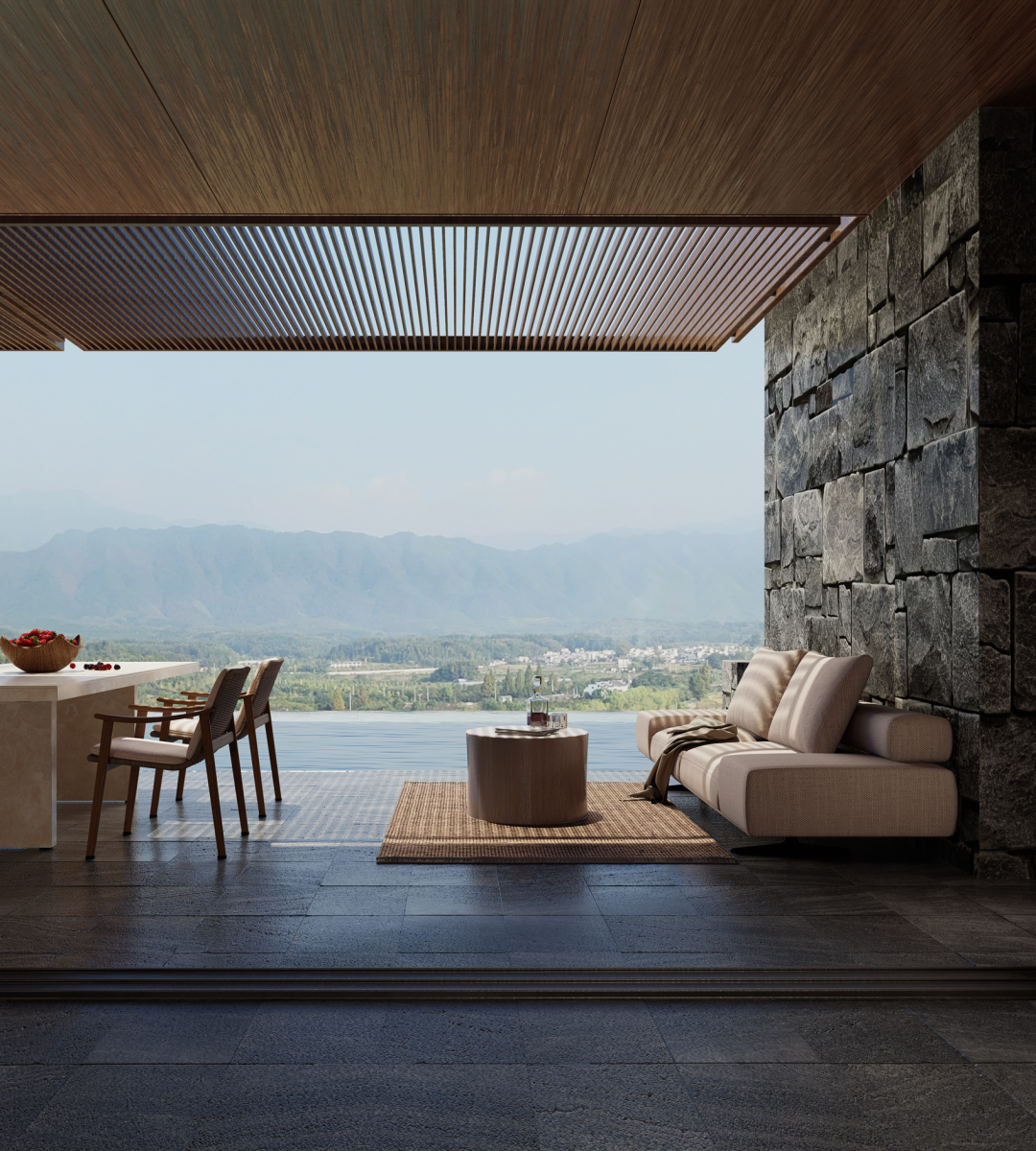
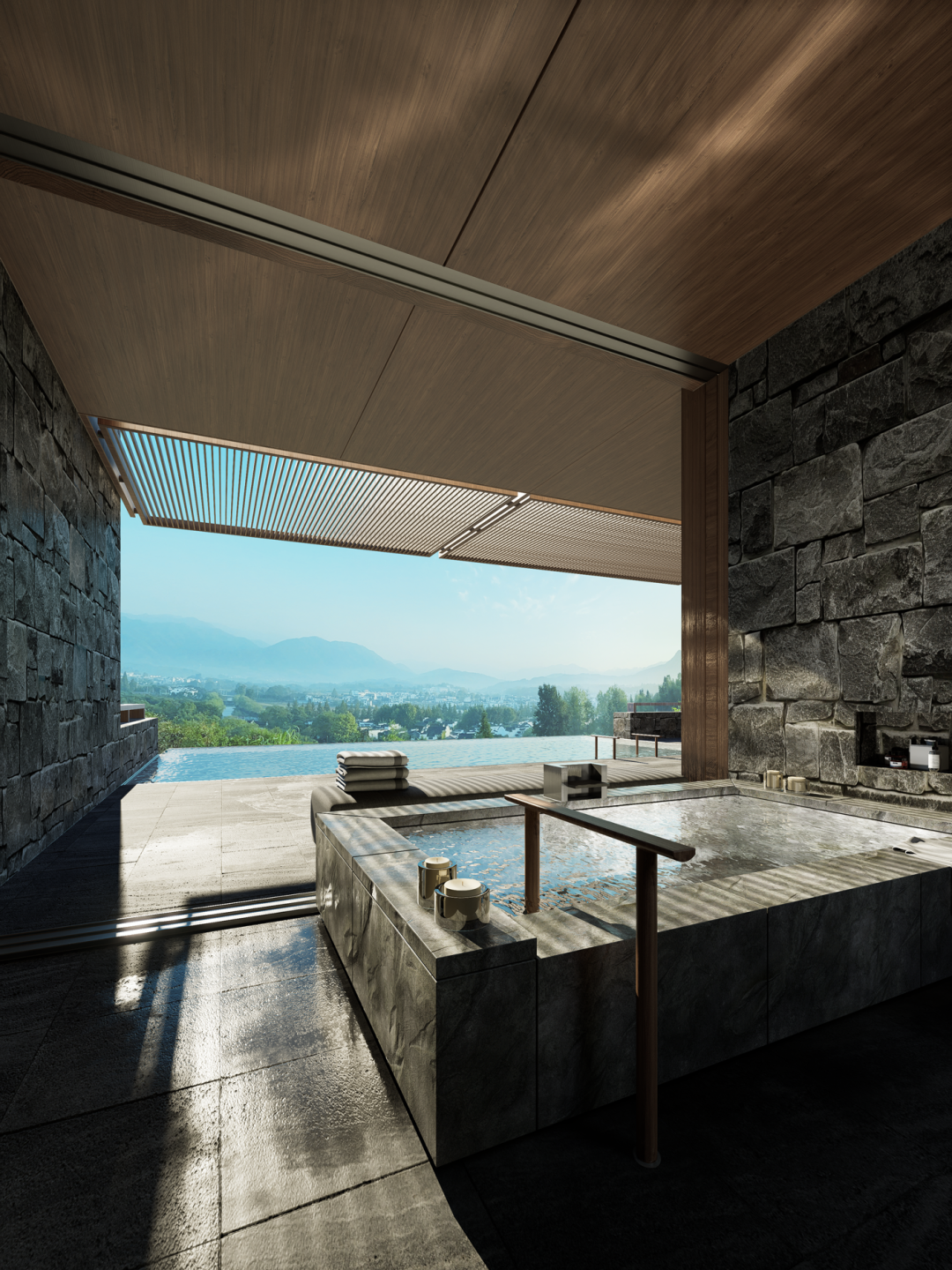
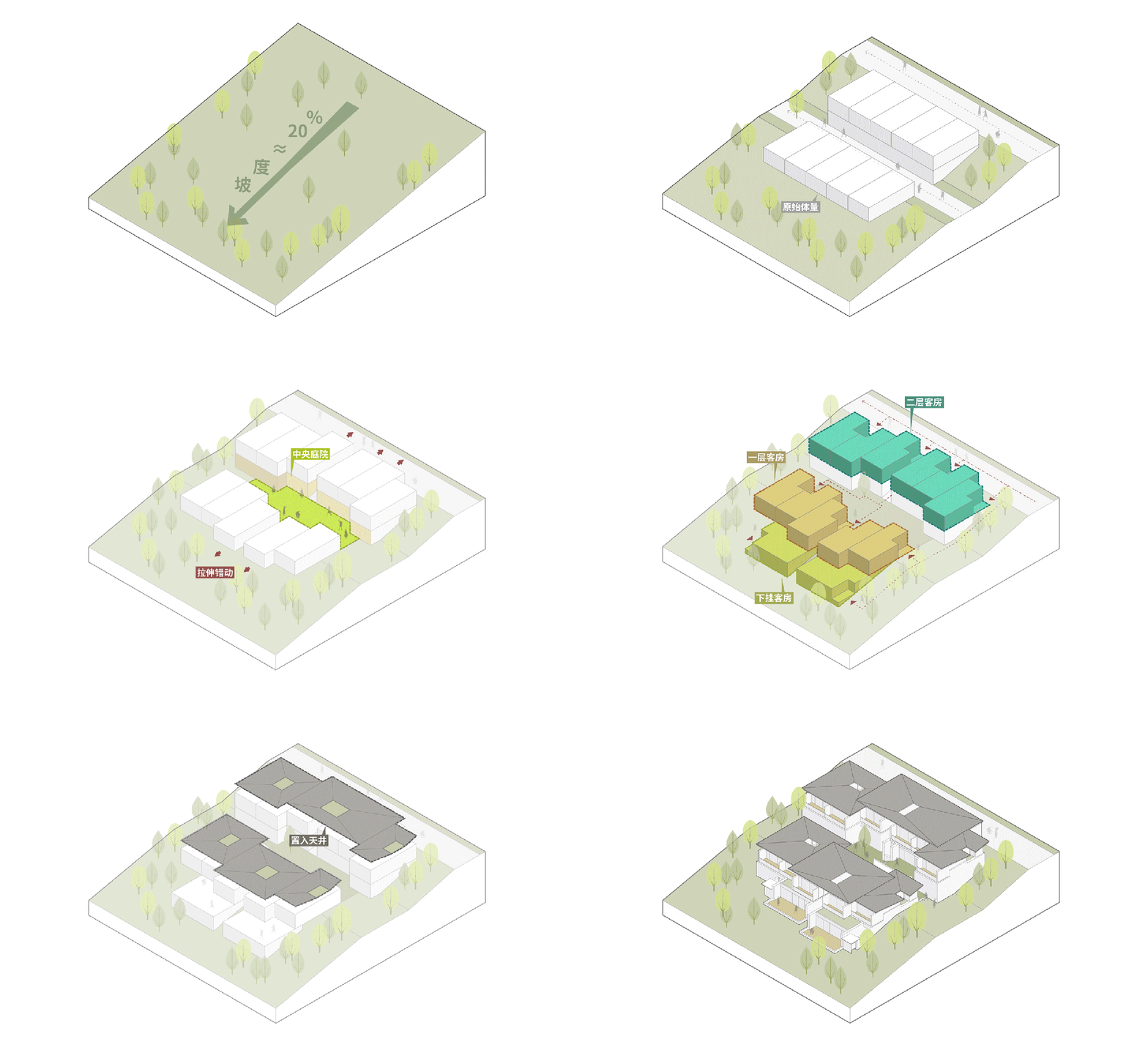
△ Guestroom Cluster Analysis
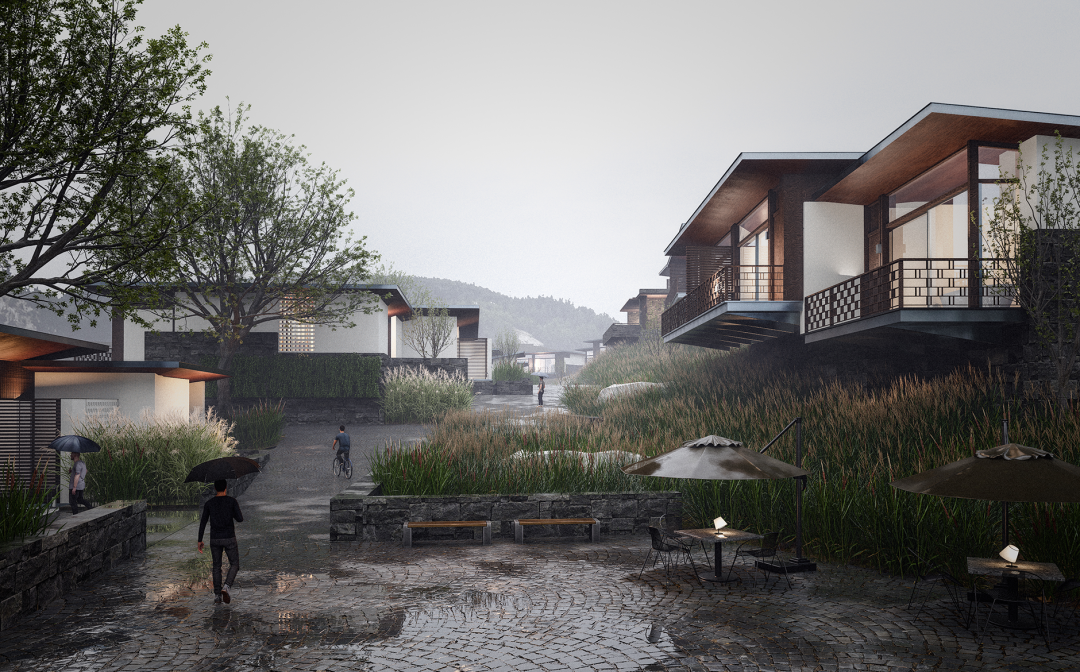
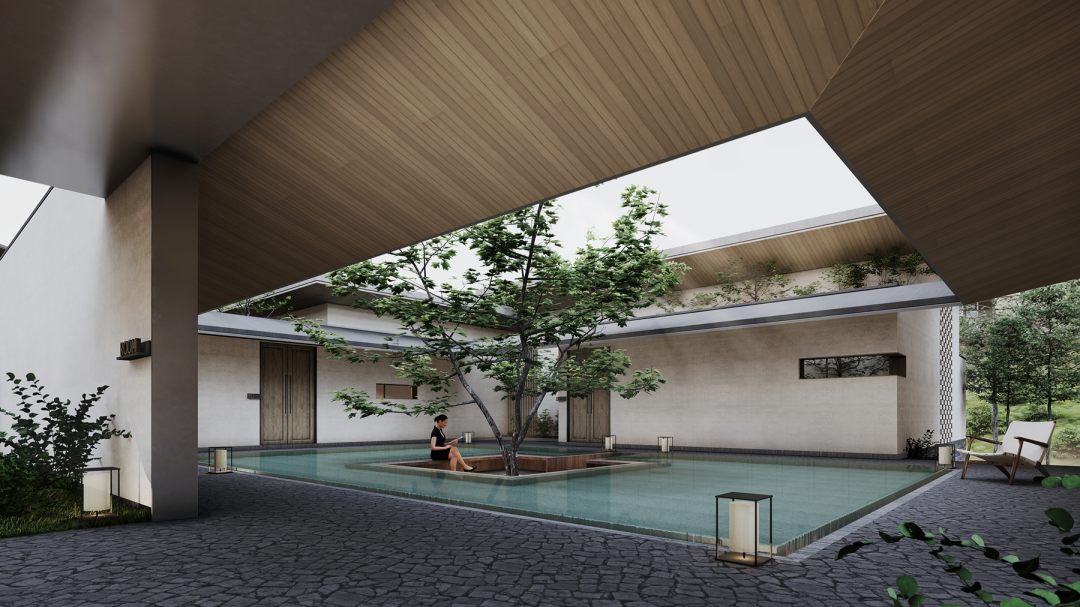
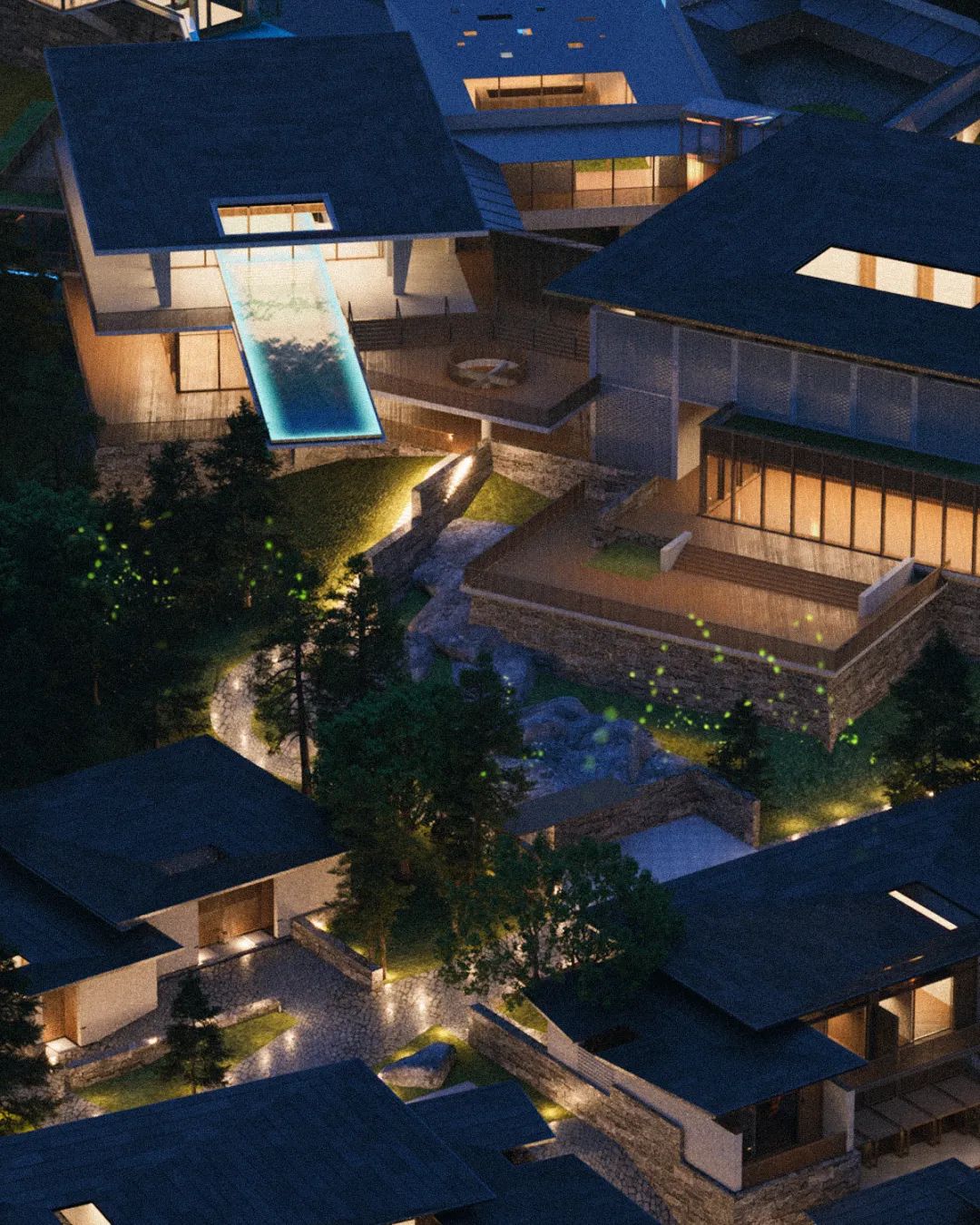
The guestroom clusters follow a linear arrangement along both sides of the primary circulation route, responding to topographical and sightline considerations. On sloped terrain, the rooms are terraced downward from higher elevations, ensuring that each level enjoys uninterrupted panoramic views. Within the valley, controlled spacing between guestroom clusters minimizes visual intrusion, enhancing privacy while preserving a sense of openness and connection to the landscape.
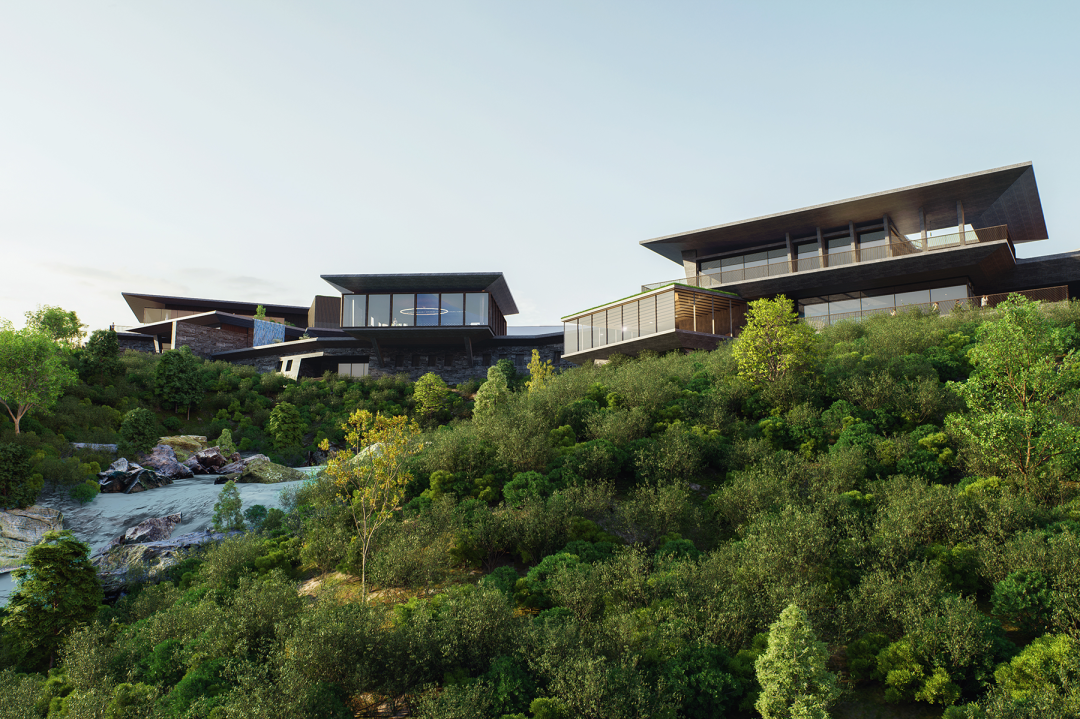
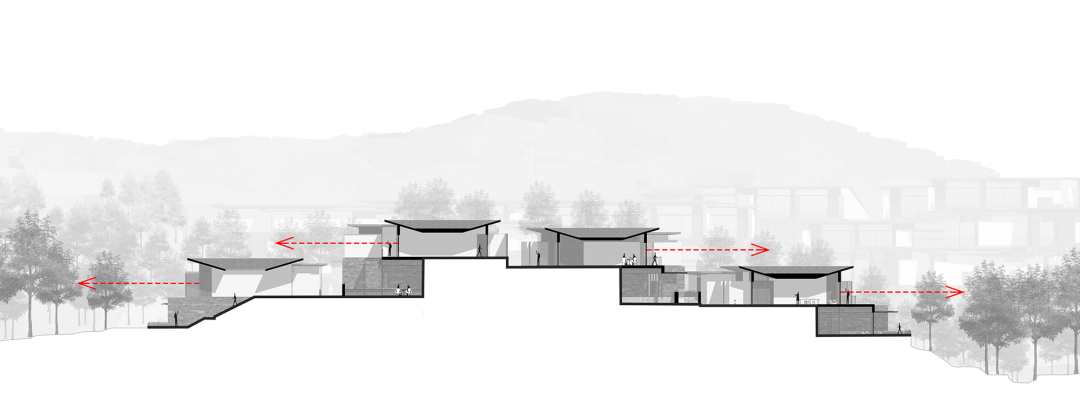
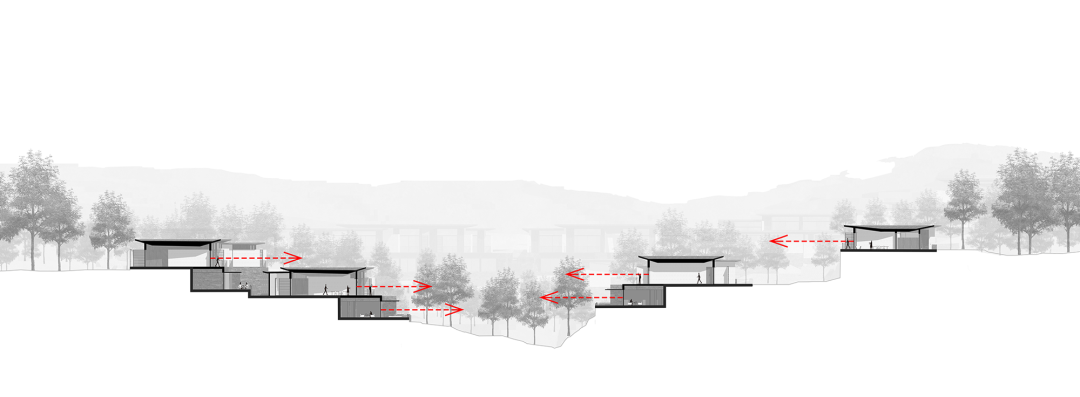
△ Visual Analysis