


Green Living Within
引绿入居
Facing the environmental challenges of a high-density urban district, we explore the possible form of zero-carbon living in the future city through a synergistic innovation across planning, layout, façade, structure, and energy performance.
-- Meng Fanhao
Project Name: Central Park 199
Master Planning & Architectural Design: line+ studio
Chief Architect / Project Principal: Meng Fanhao
Client: CSCEC Second Bureau · CSCEC JIUHE
Interior Design: CCD Cheng Chung Design, W.DESIGN Wujian Design
Landscape Design: GTS Lanson Design
Construction Drawing Collaboration: Shanghai THAD Architectural Design Co., Ltd.; China Southwest Architectural Design and Research Institute Co., Ltd.
Façade Design: Shanghai IDO Curtain Wall Construction Consulting Co., Ltd.
Lighting Design: bpi Lighting Design
Location: Jing’an District, Shanghai
Gross Floor Area: 153,400.19 m²
Design Period: August 2024 – August 2025
Construction Period: December 2024 – ongoing
Structure: Frame–Shear Wall, Frame–Core Tube
Materials: UHPC, stone-textured aluminum panels, ceramic panels, brushed bronze-finish aluminum panels
In the premium urban core of Jing’an District, Shanghai, line+ Co-Founder & Chief Architect Meng Fanhao, in collaboration with CSCEC JIUHE, creates a pioneering model integrating ecology, technology, and humanity.
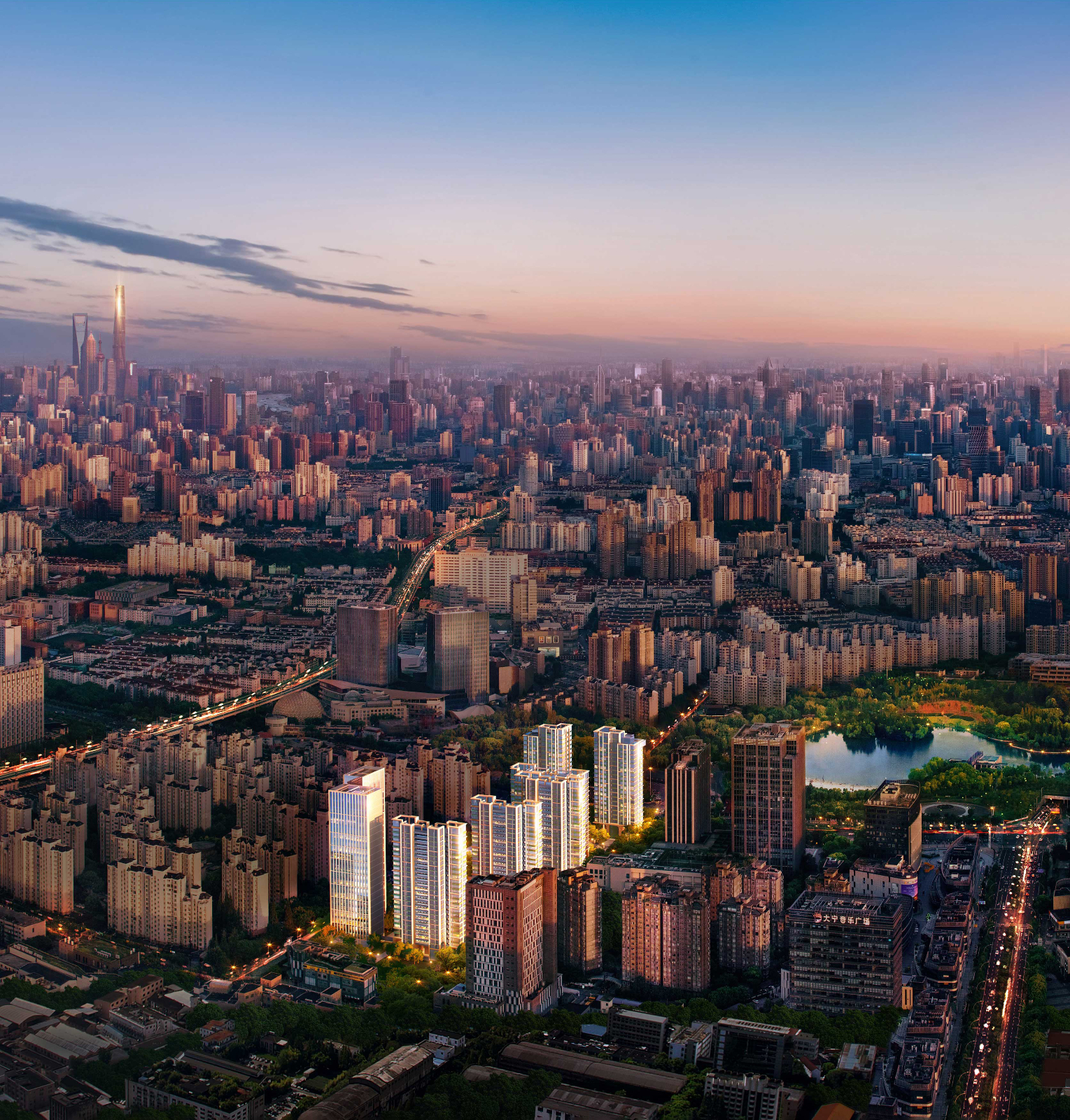
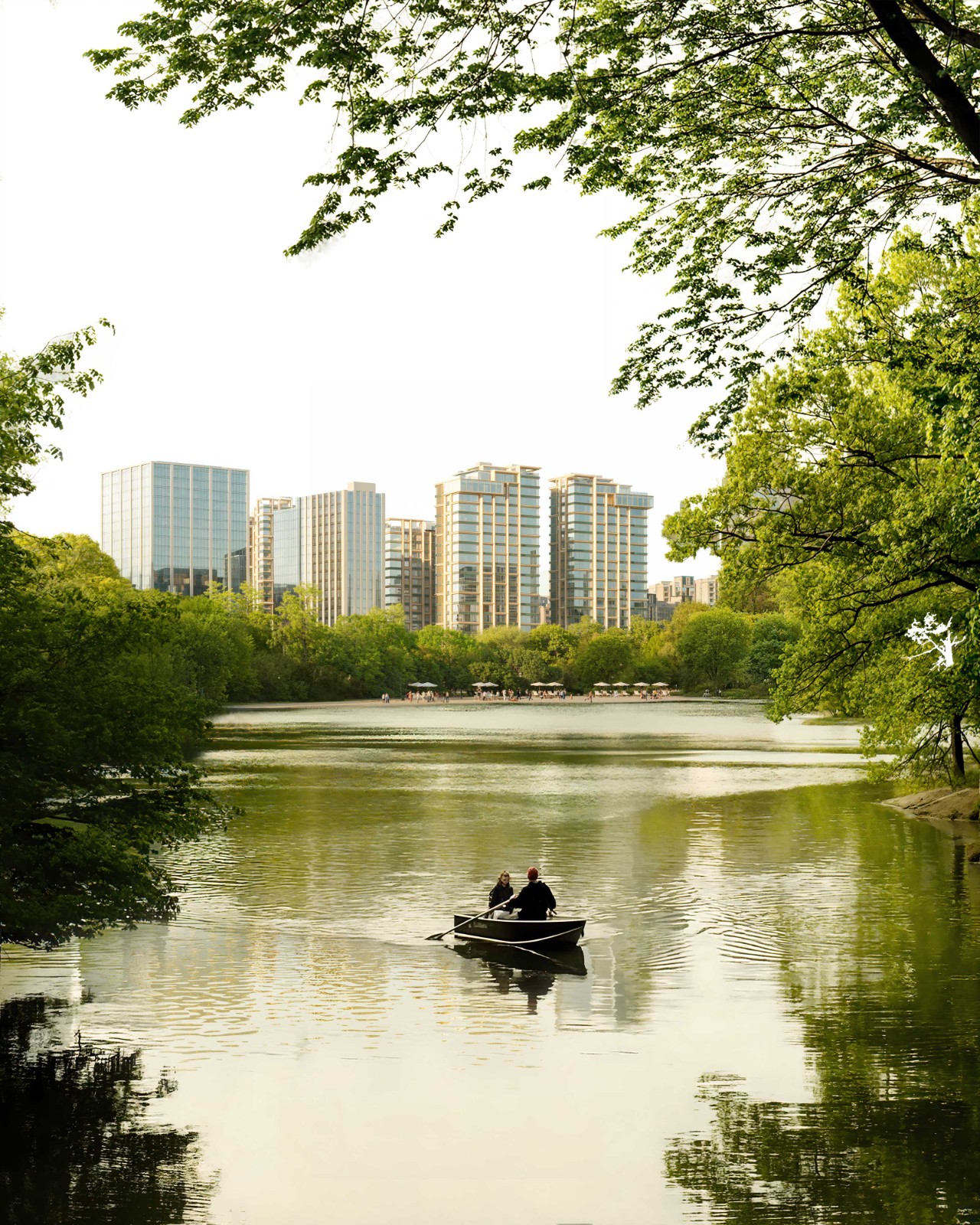
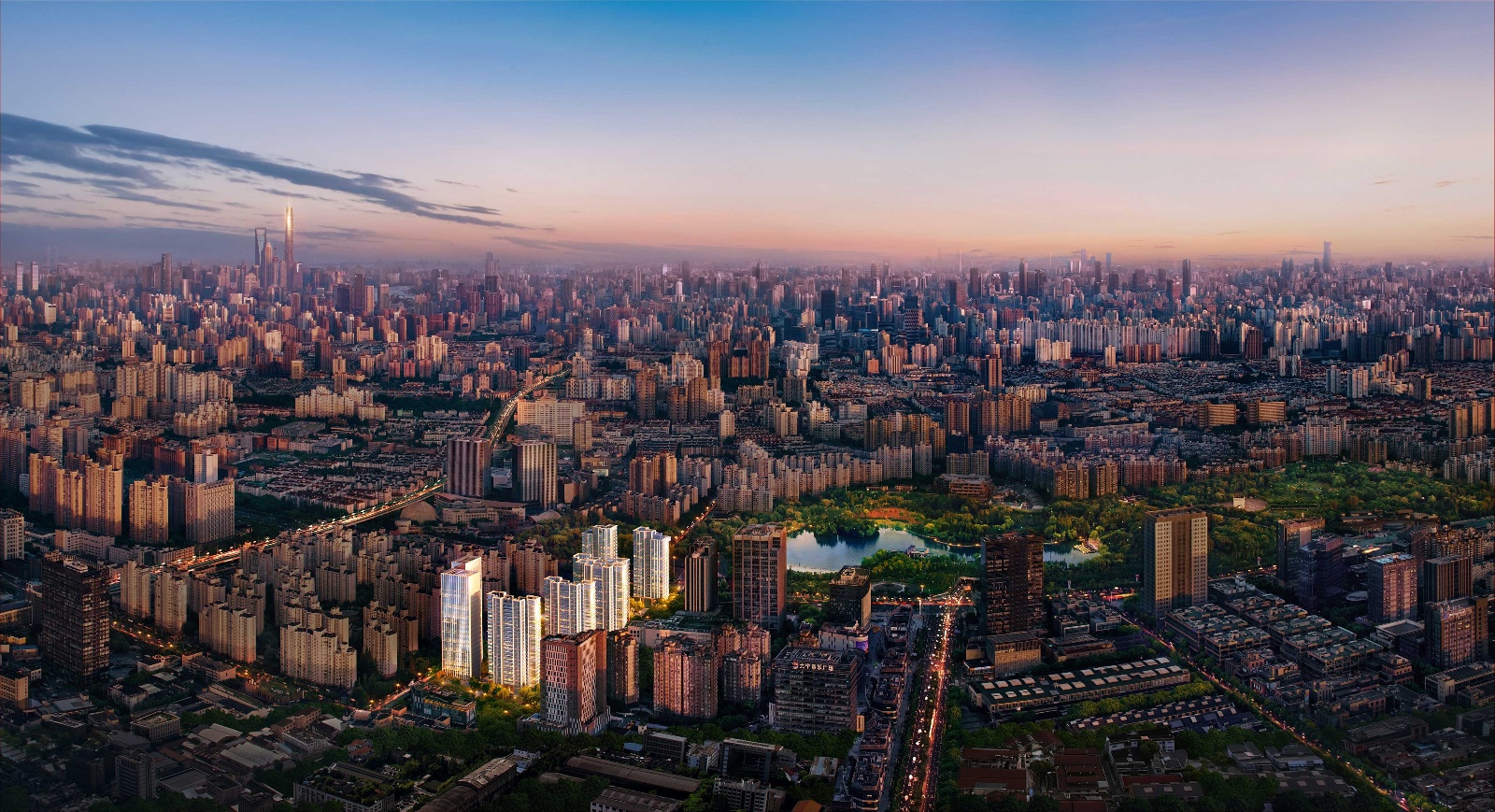
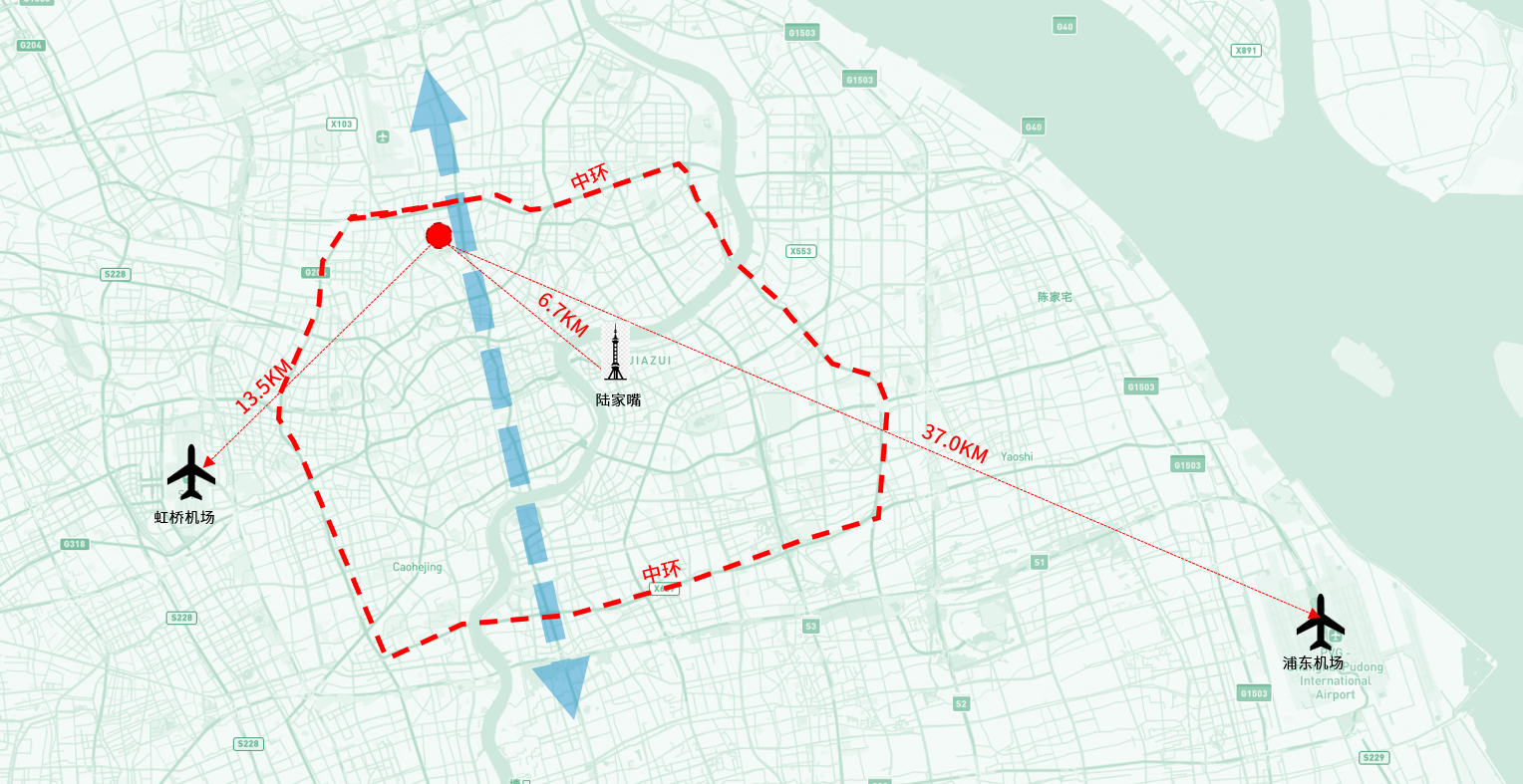
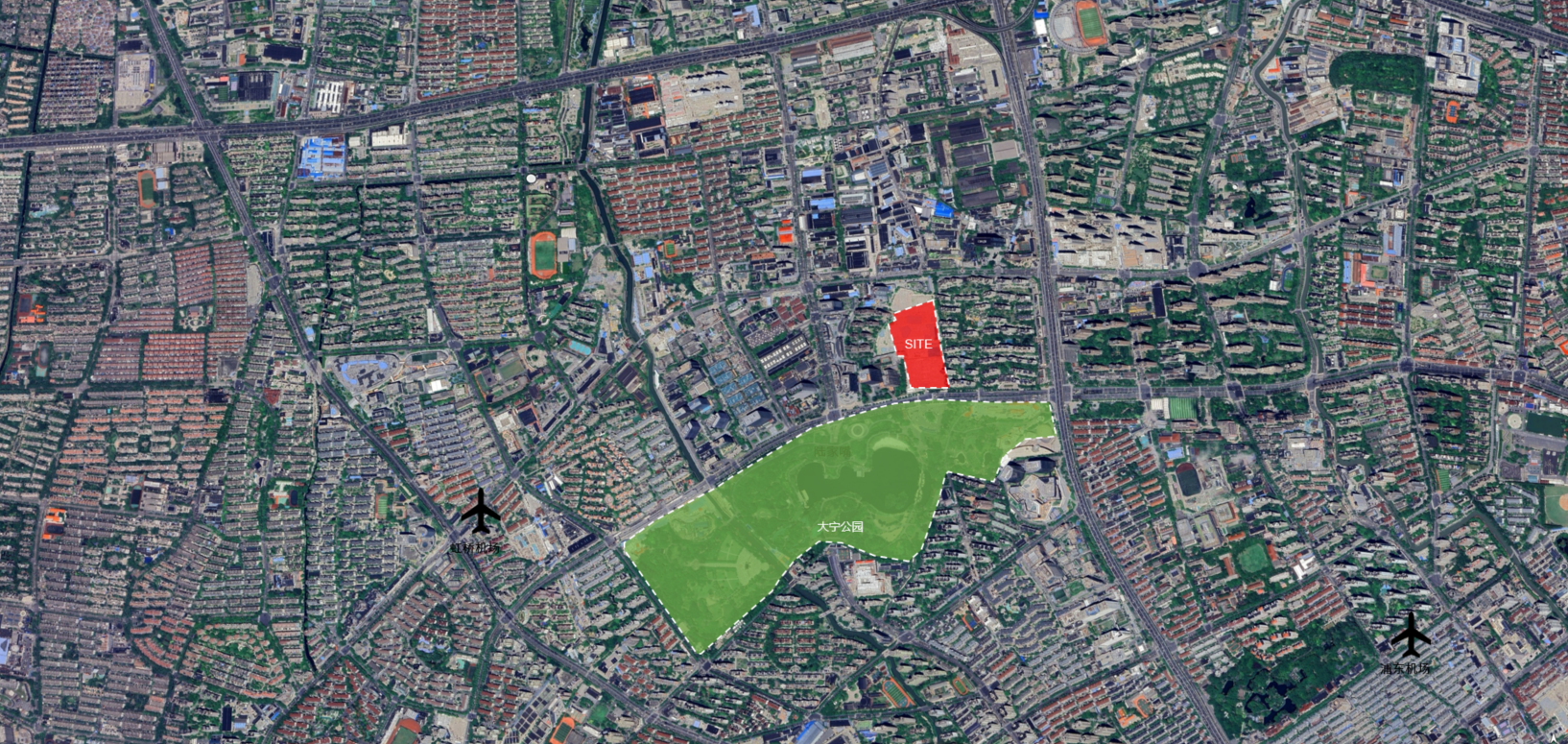
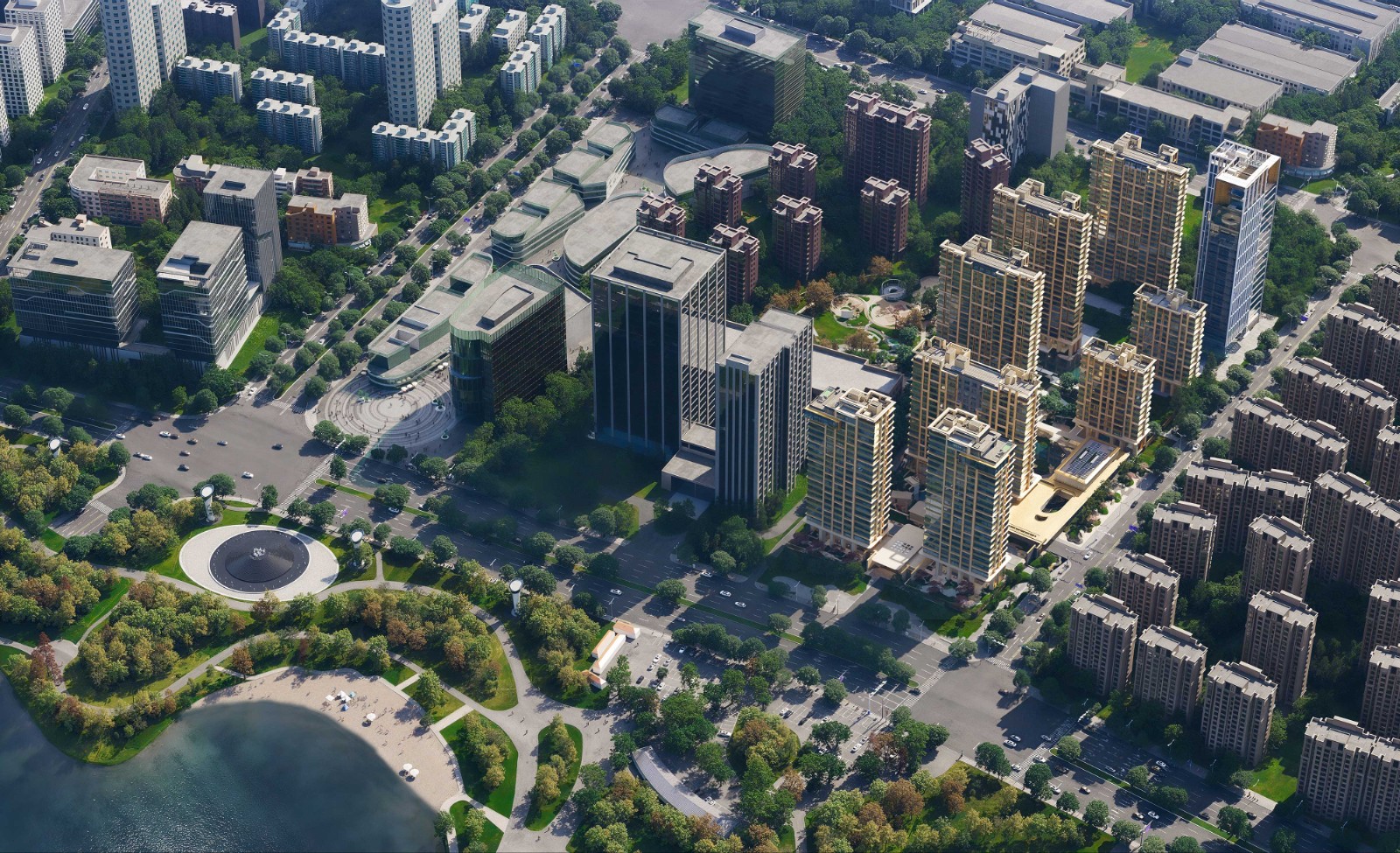
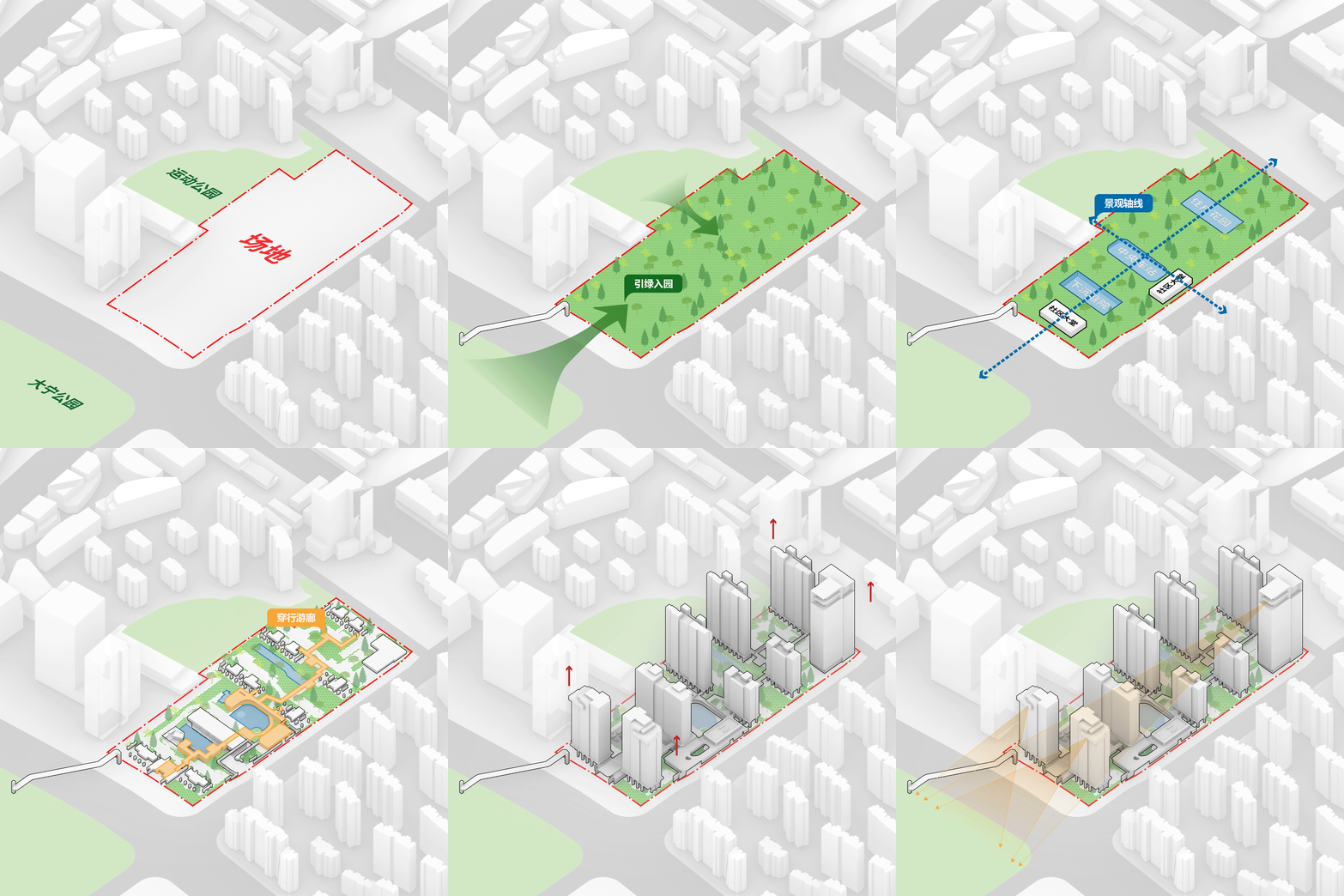
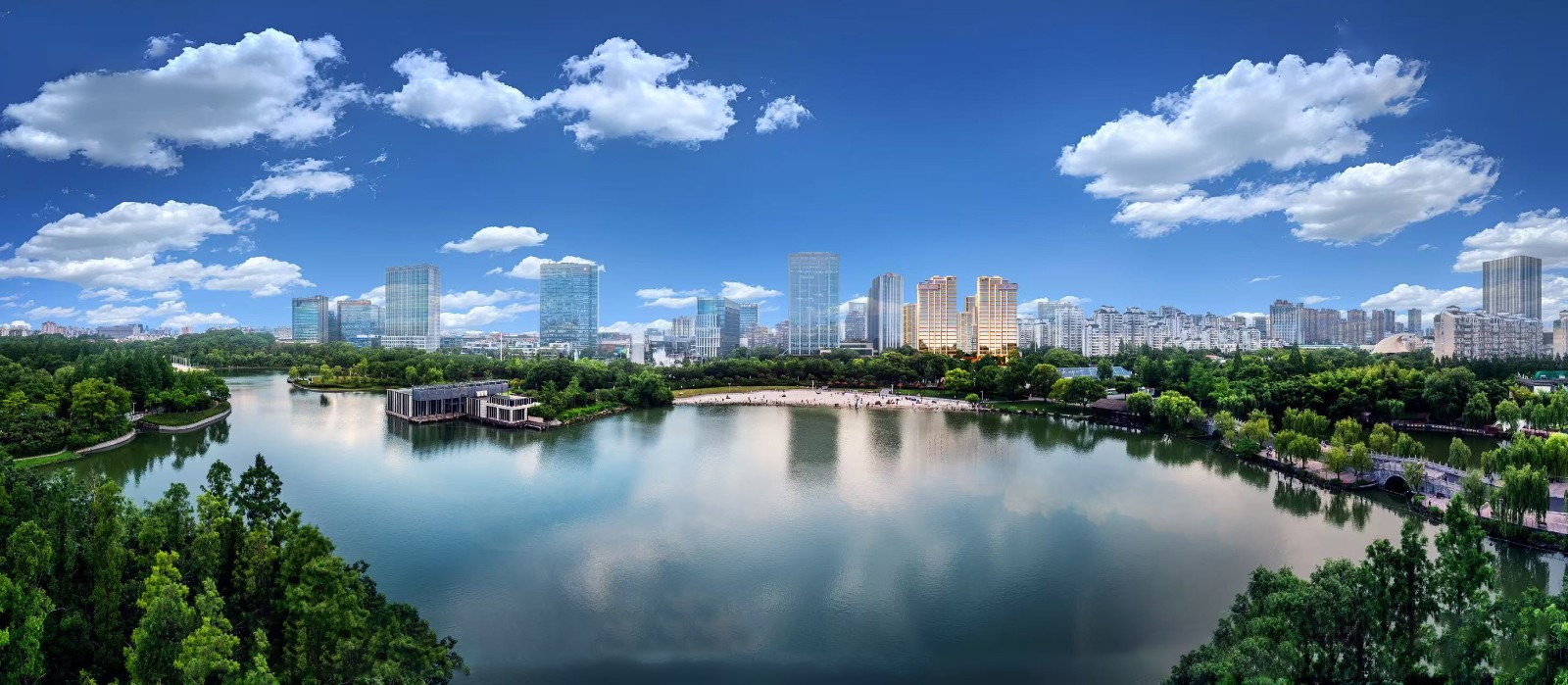
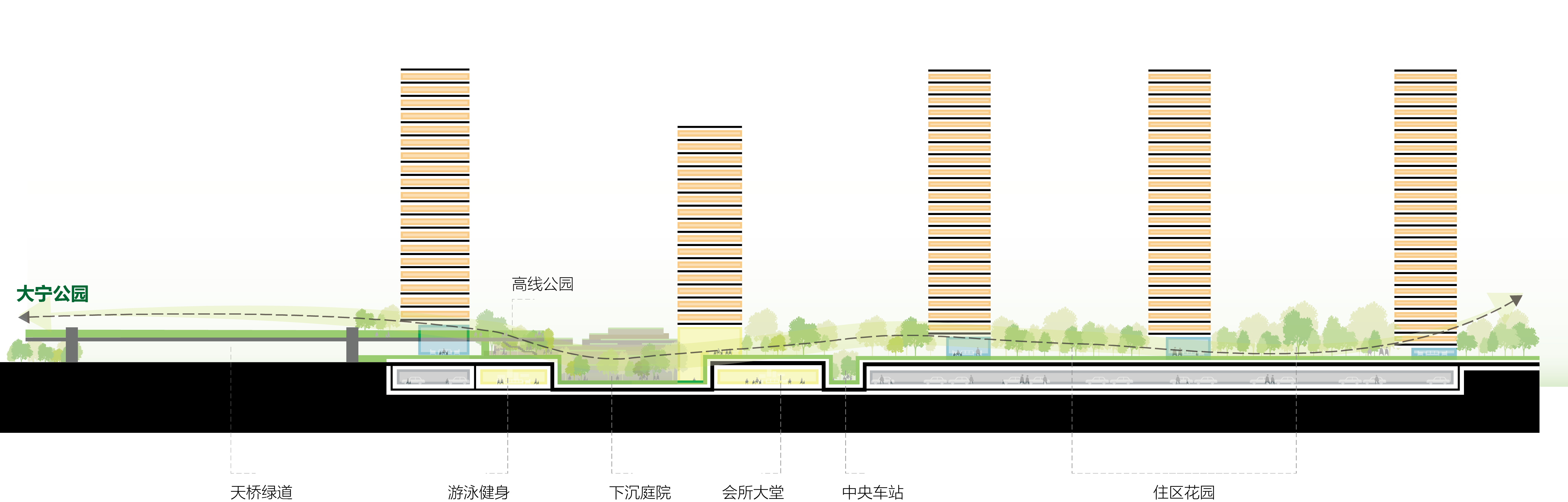
Situated at the heart of Jing’an, the site is bordered on the south by Daning Park—the largest urban green space in Puxi. This exceptional natural resource provides an ideal opportunity for design. With “introducing nature and achieving three-dimensional symbiosis” as the core strategy, the project aims to build a relationship of coexistence between people and nature within the urban context.
01
Sky Bridge: Linking Nature and Community
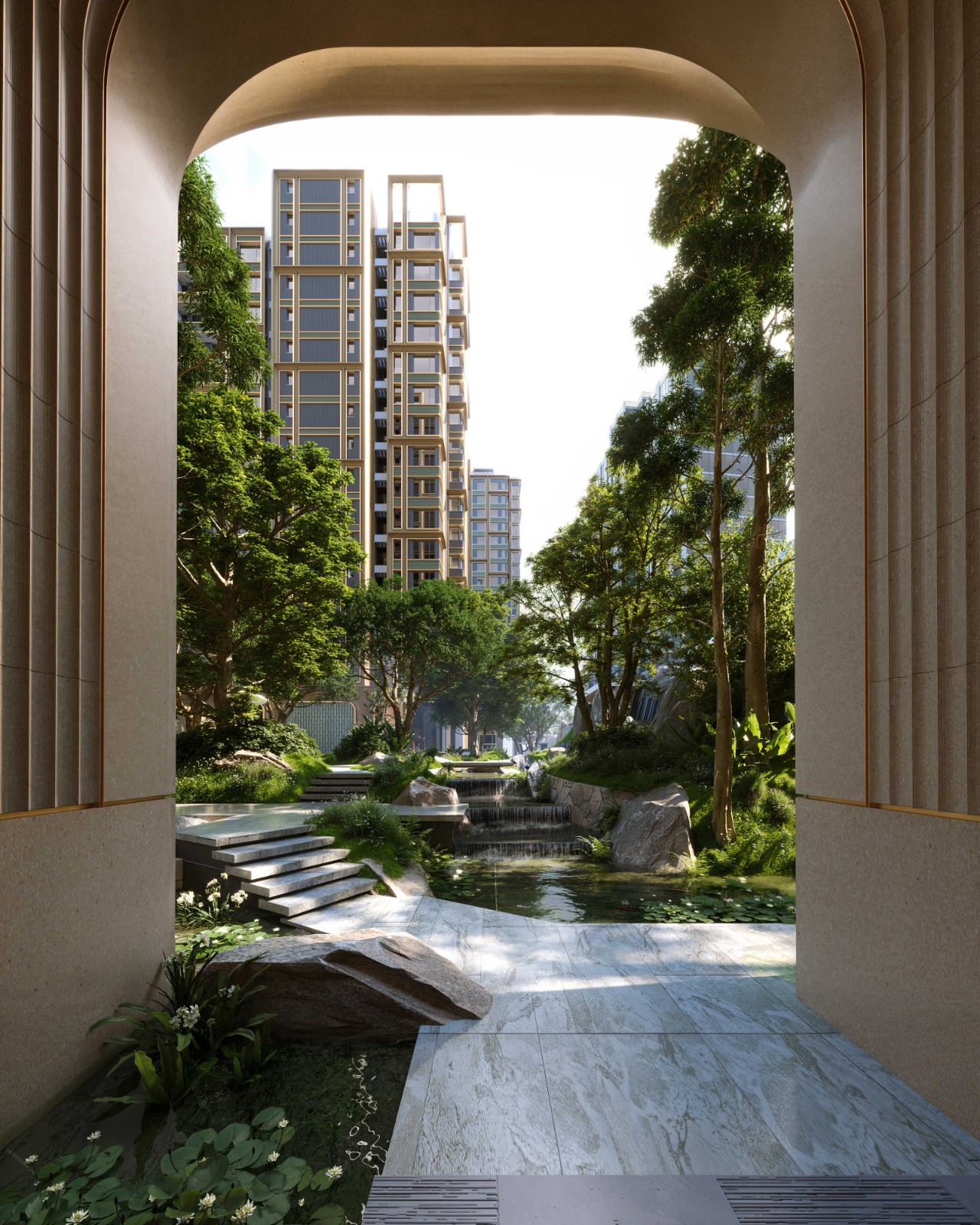
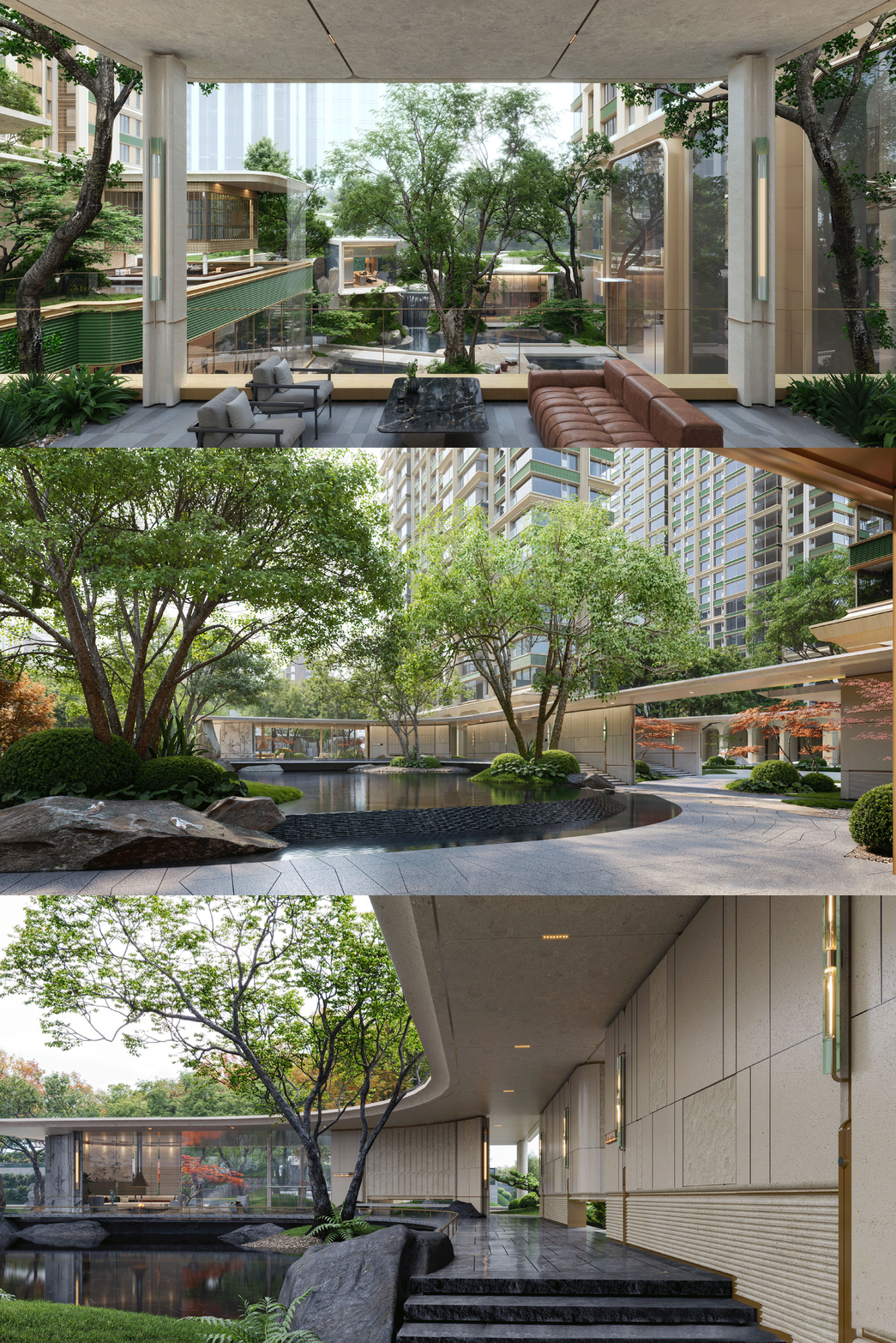
To break the urban boundaries, line+ designed a landscape sky bridge that spans across the green park and the community, channeling the ecological energy of Daning Park inward. This “Highline Park” serves not only as a physical connector but also as an extended platform for functions and experiences—combining jogging paths, resting terraces, art installations, and family-friendly spaces.
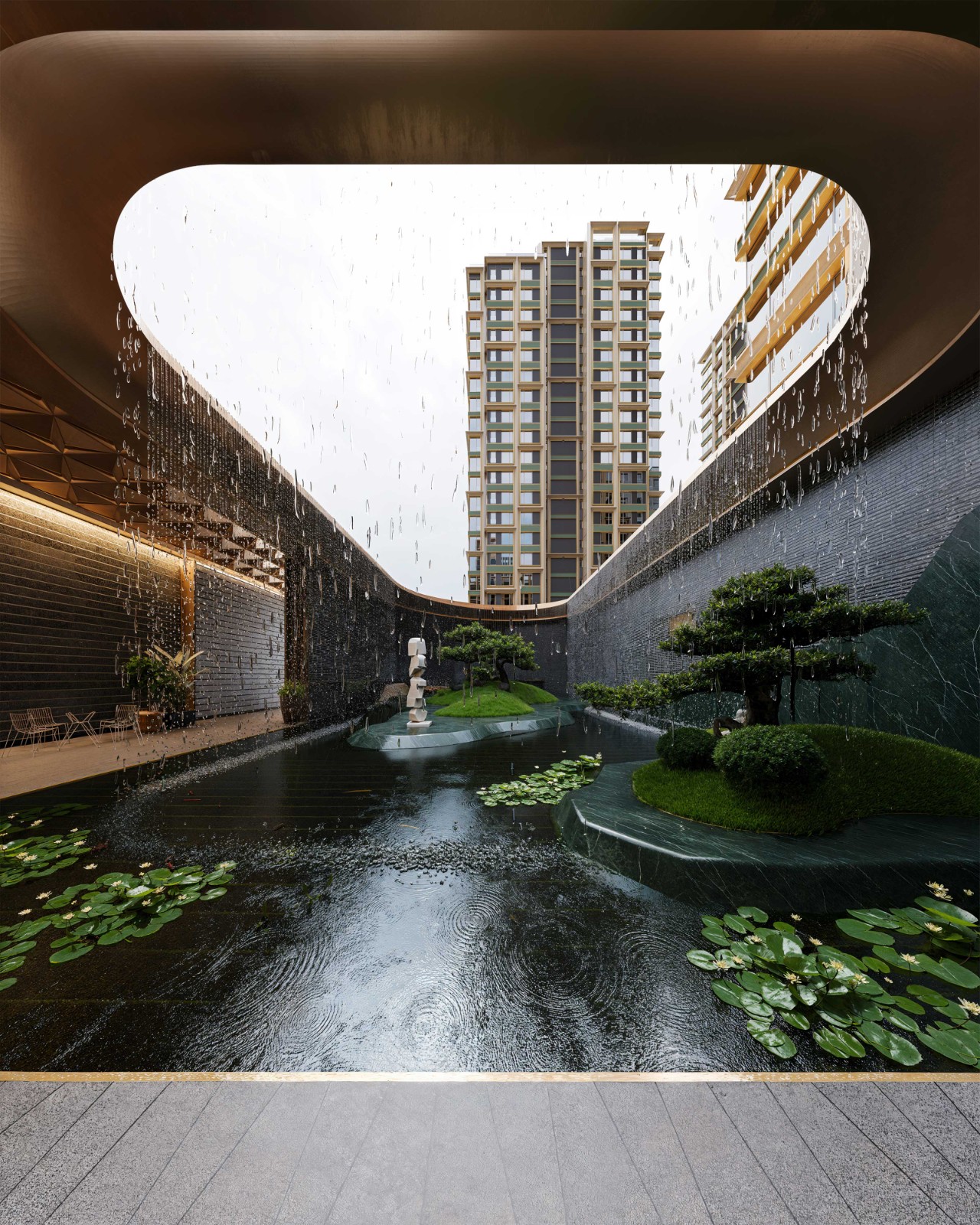
Beneath the bridge, water features help create a comfortable microclimate; above, it carries the dual vision of urban ecology and community vitality, redefining living as not merely spatial elevation but a reconstruction of lifestyle.
02
Zero-Carbon Experiment: Defining Future Living
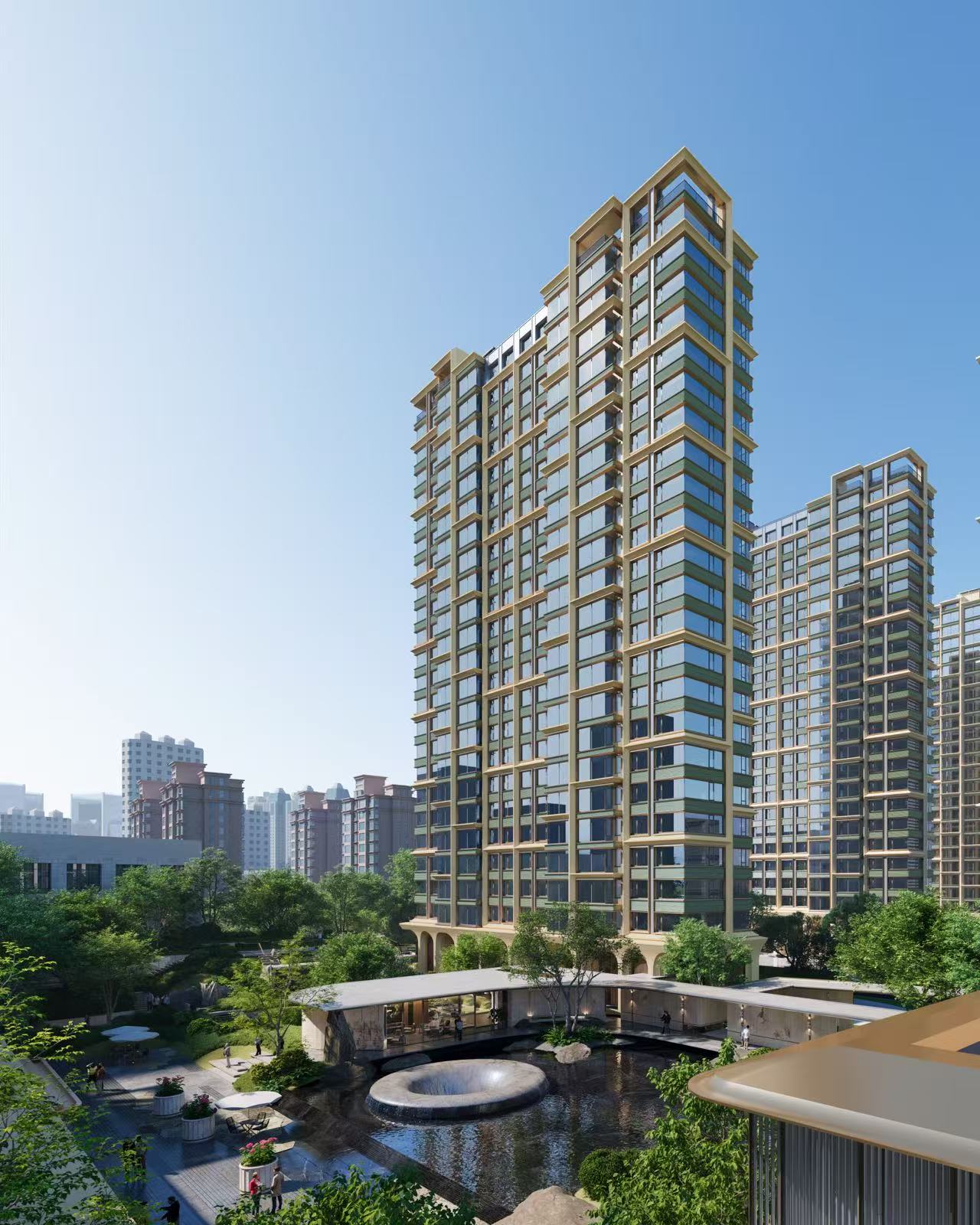
In response to global climate issues, the project sets “zero-carbon future” as its goal, systematically introducing ultra-low-energy envelopes, intelligent energy management systems, and renewable technologies. This approach significantly reduces energy consumption while providing a healthier, more comfortable living environment, leading the way toward an urban zero-carbon lifestyle.
03
Spatial Innovation: Responding to High-Density Urban Living
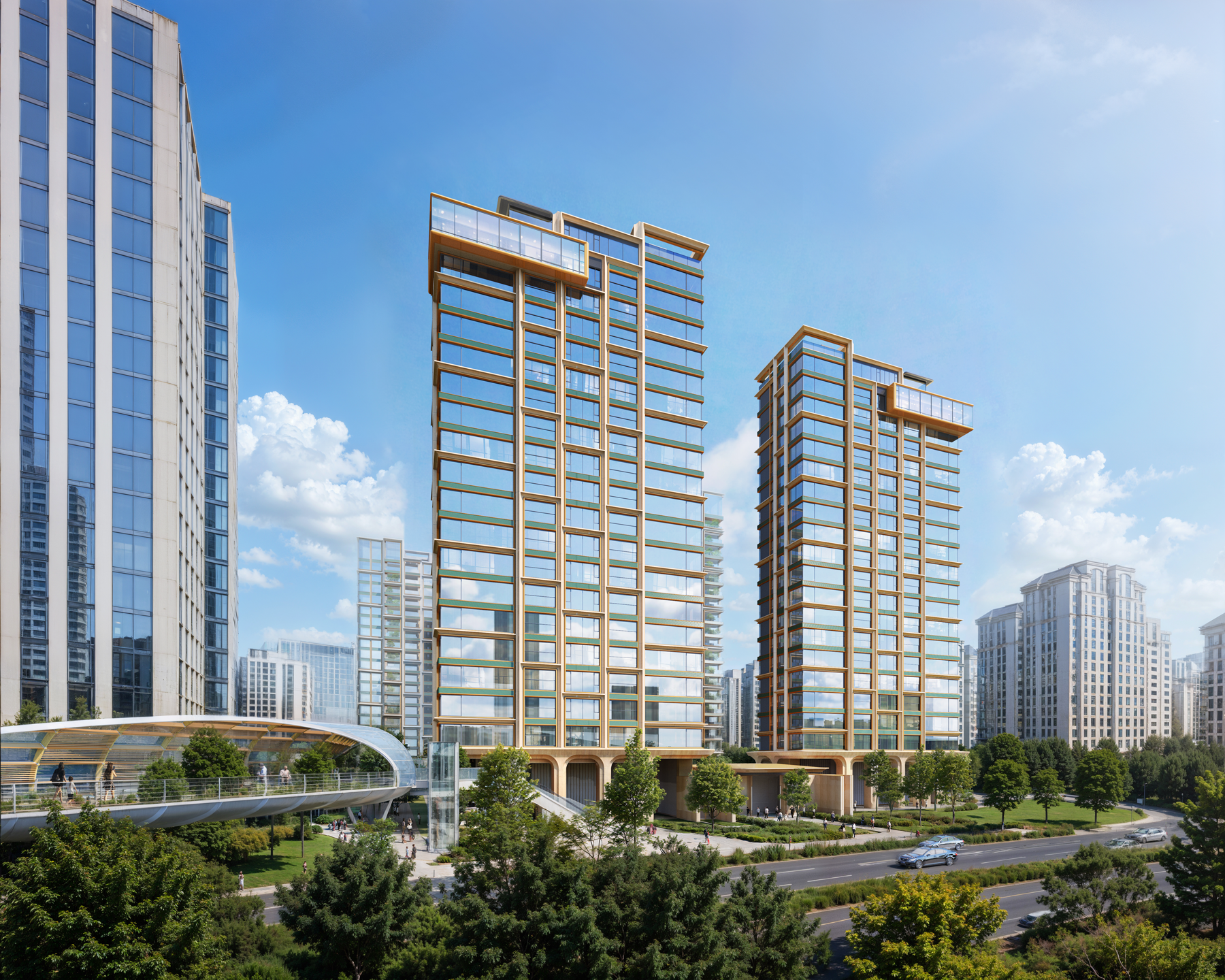
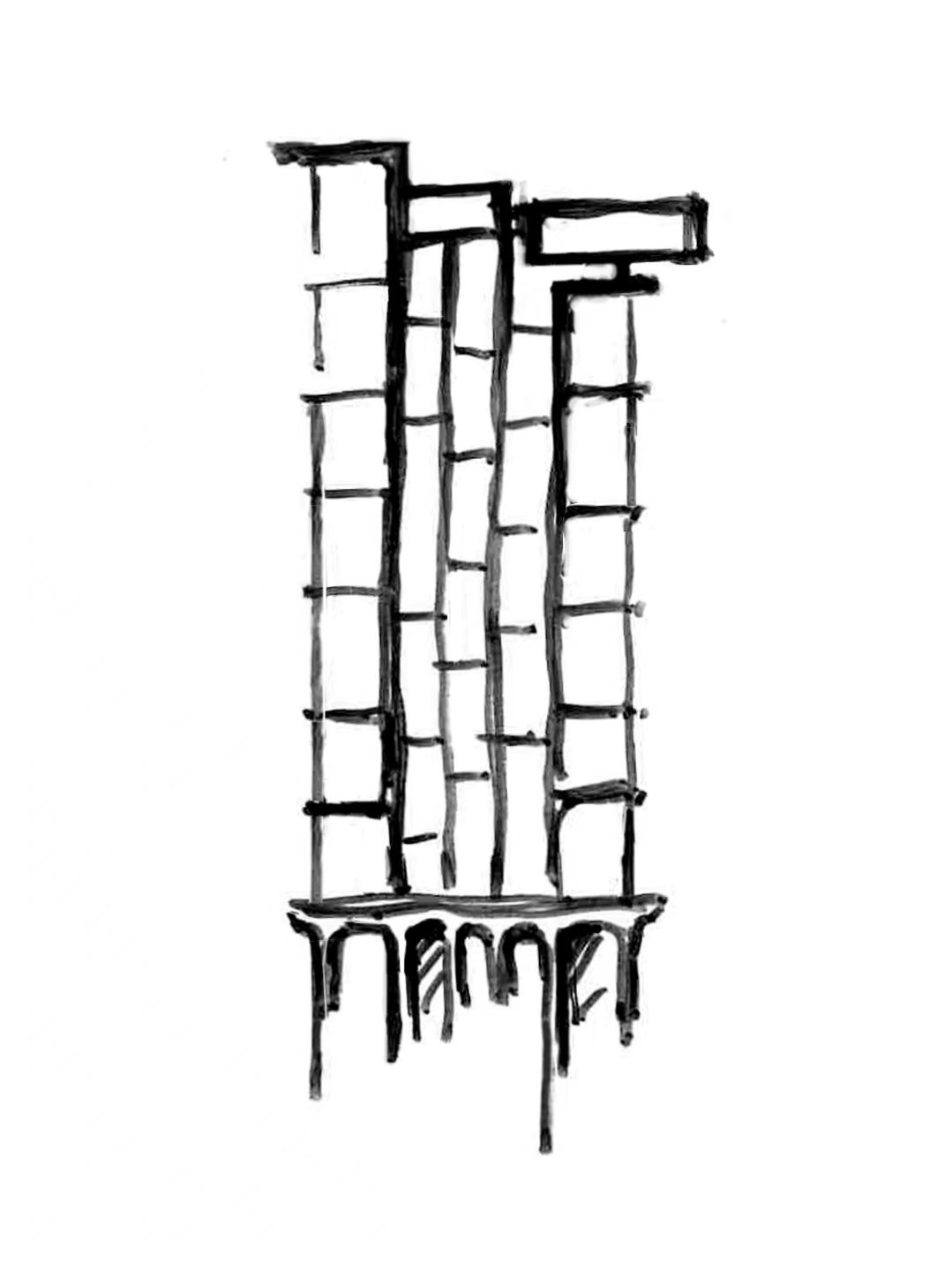
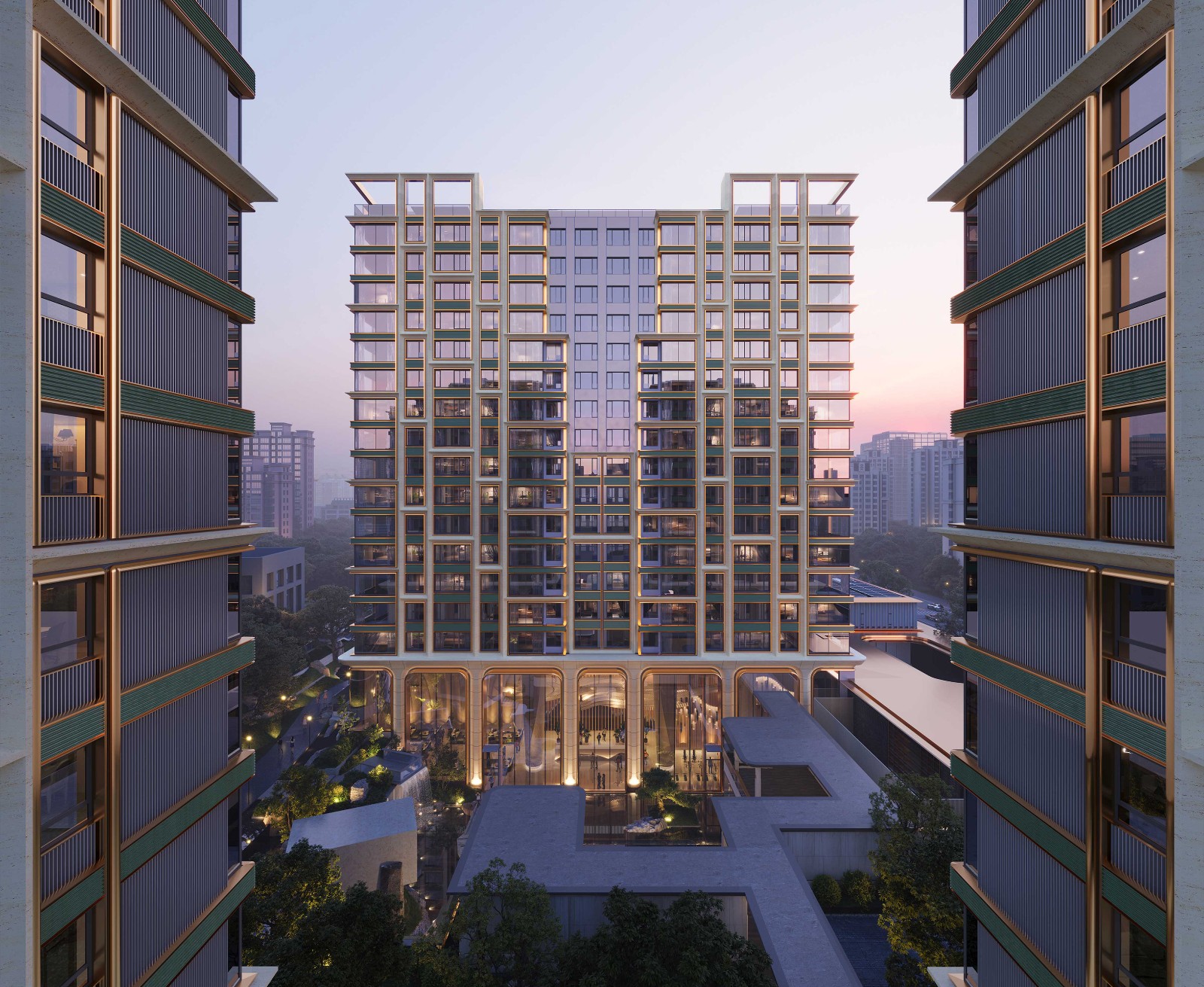
The architecture adopts a clear and restrained massing strategy to maximize the “city-facing, park-backing” configuration.
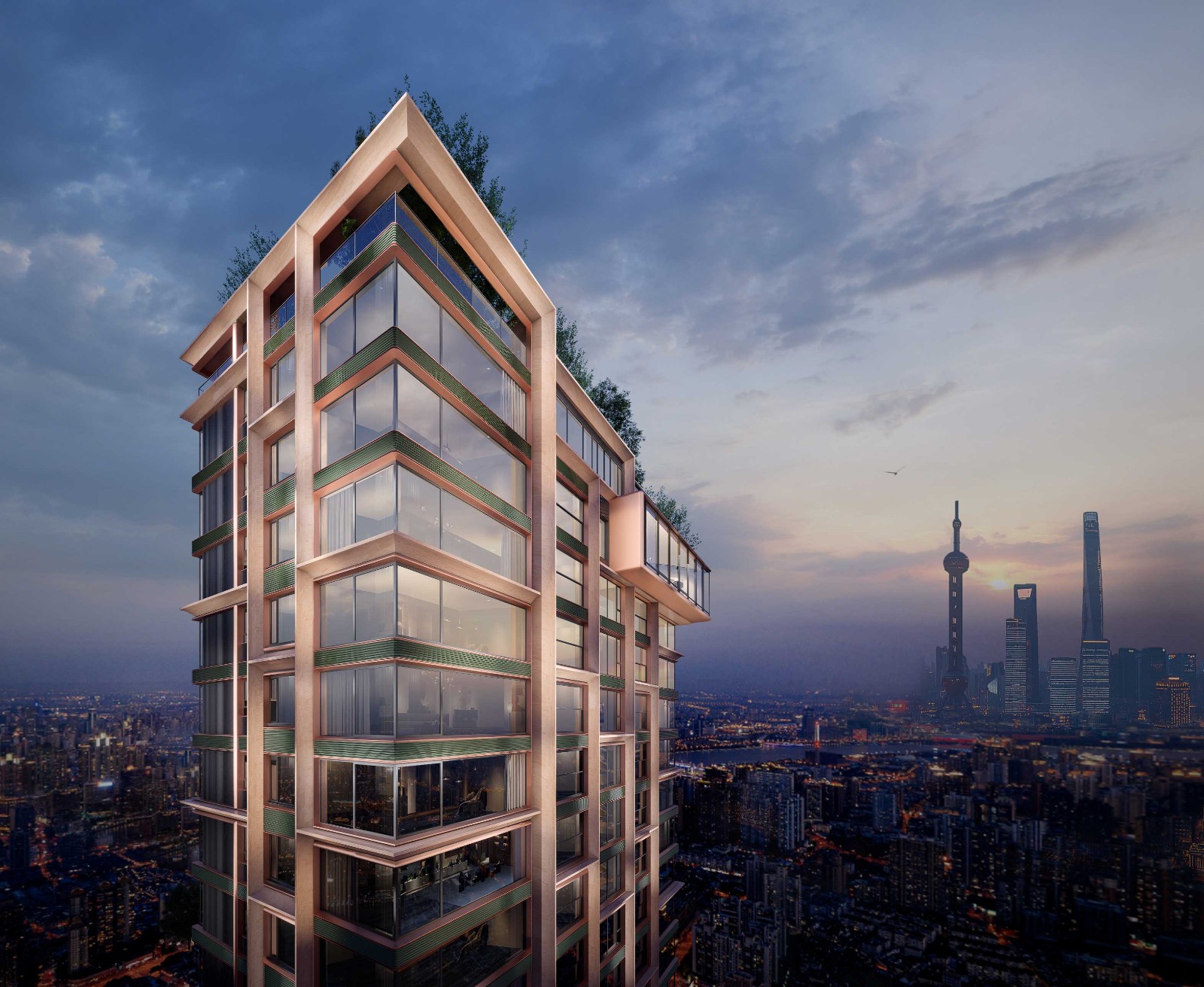
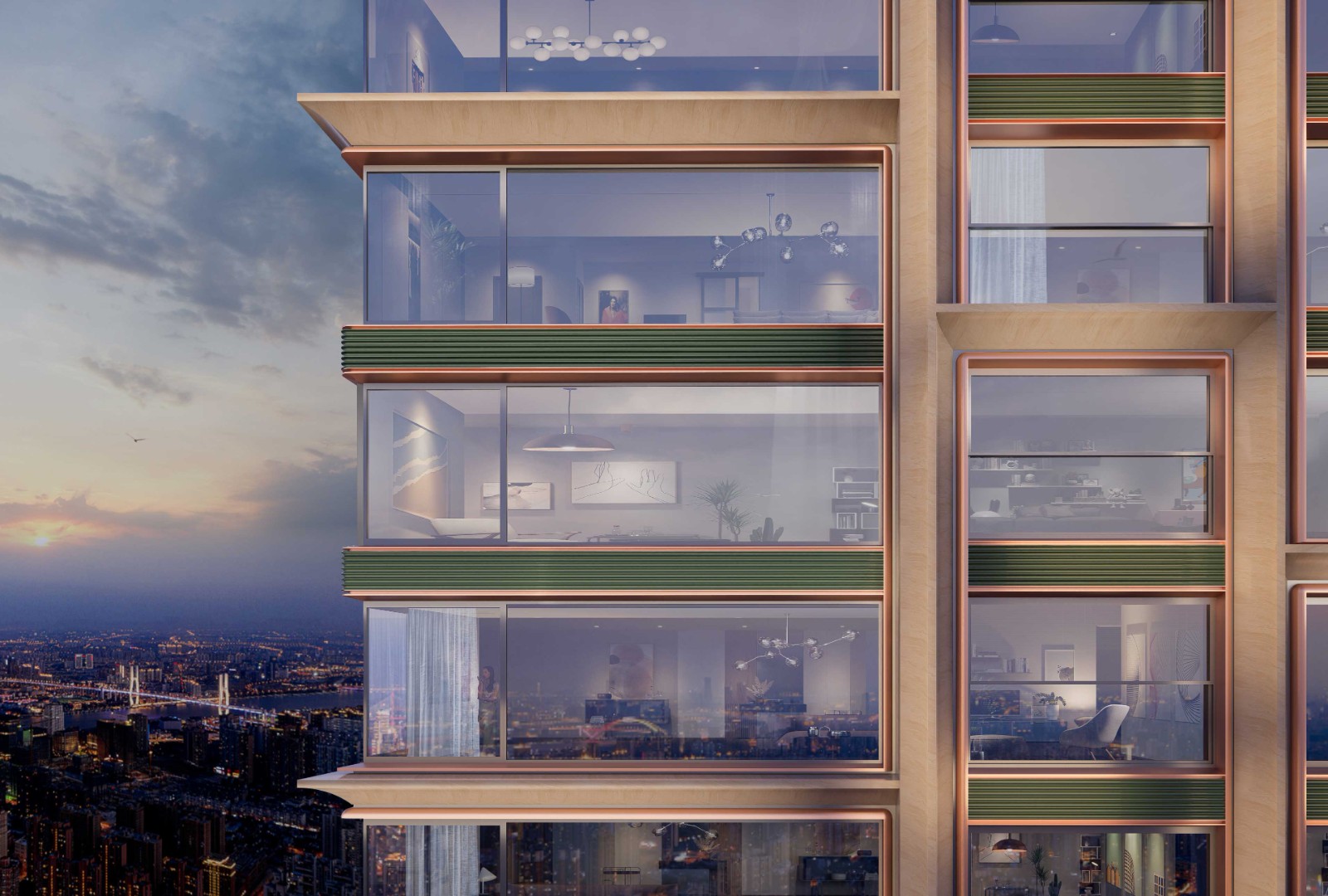
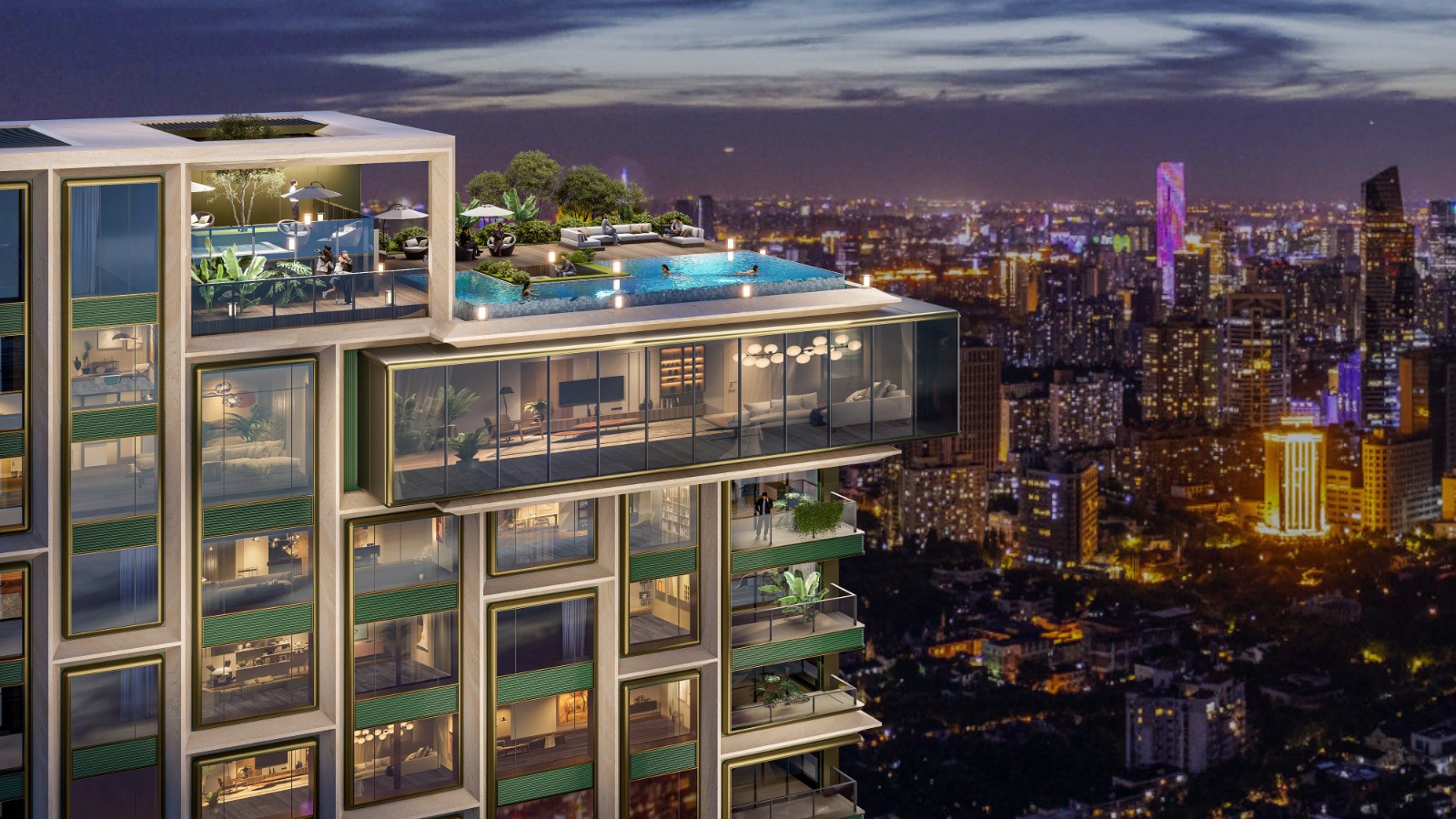
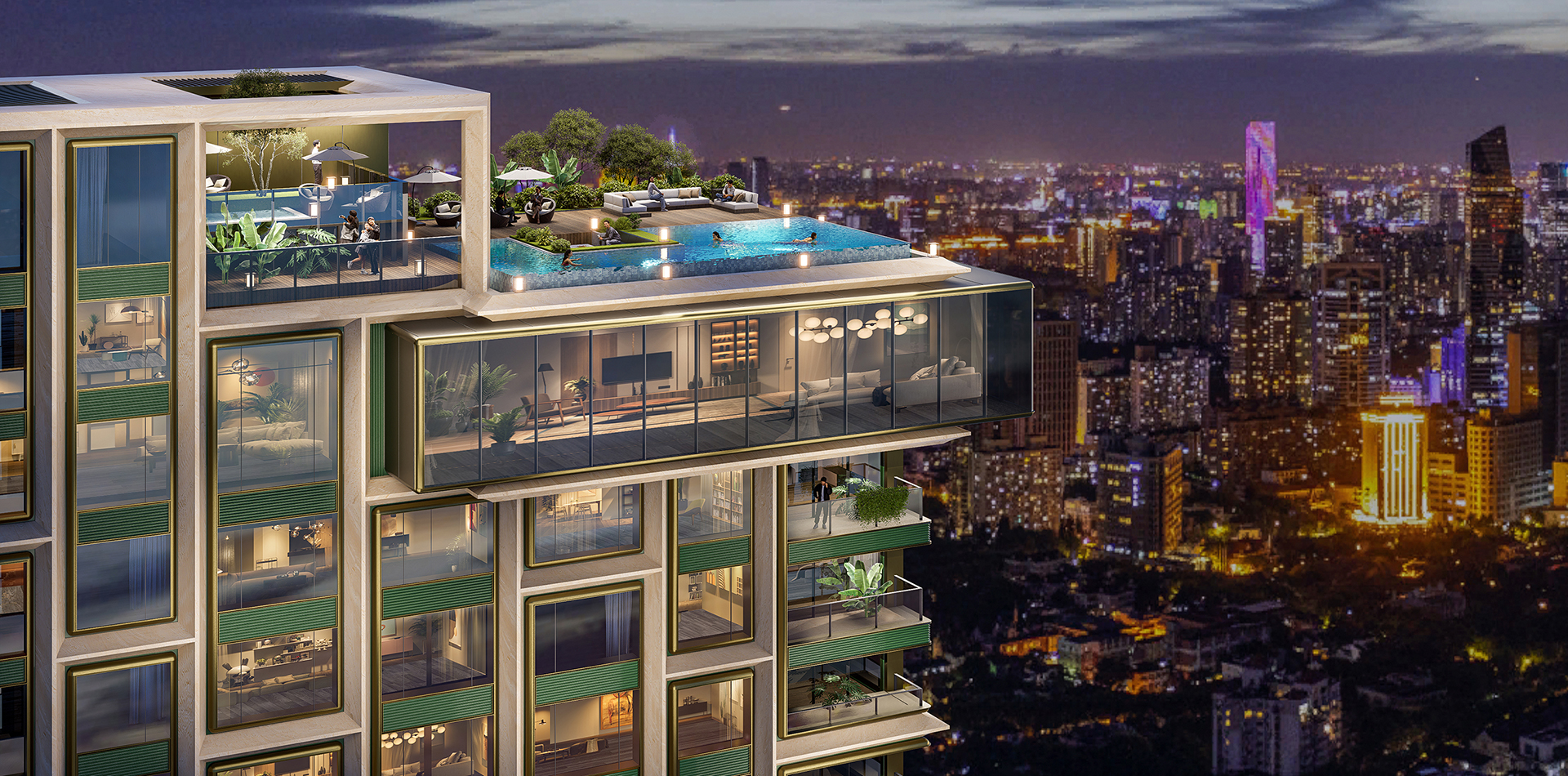
All units feature generous south-facing façades for optimal daylight and ventilation. A column-free structure and 270° panoramic living rooms blur the boundary between interior and exterior, framing views of both park scenery and city skyline. The community also features a 3,000-square-meter glass-domed clubhouse equipped with a heated pool, grand banquet hall, gym, and art salon—creating a vibrant social hub for shared identity and cultural resonance.
04
Material Symphony: Merging Eastern and Western Aesthetics
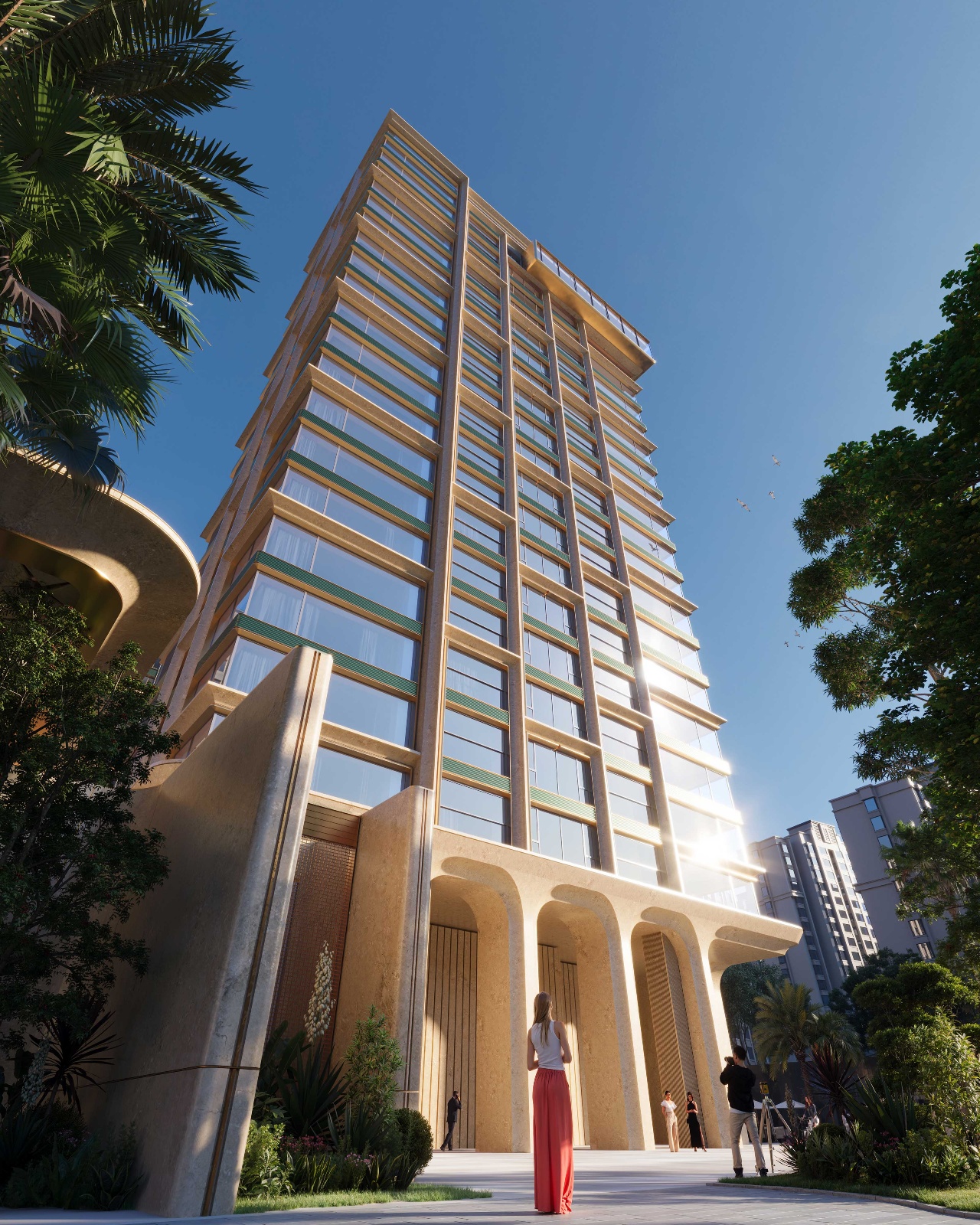
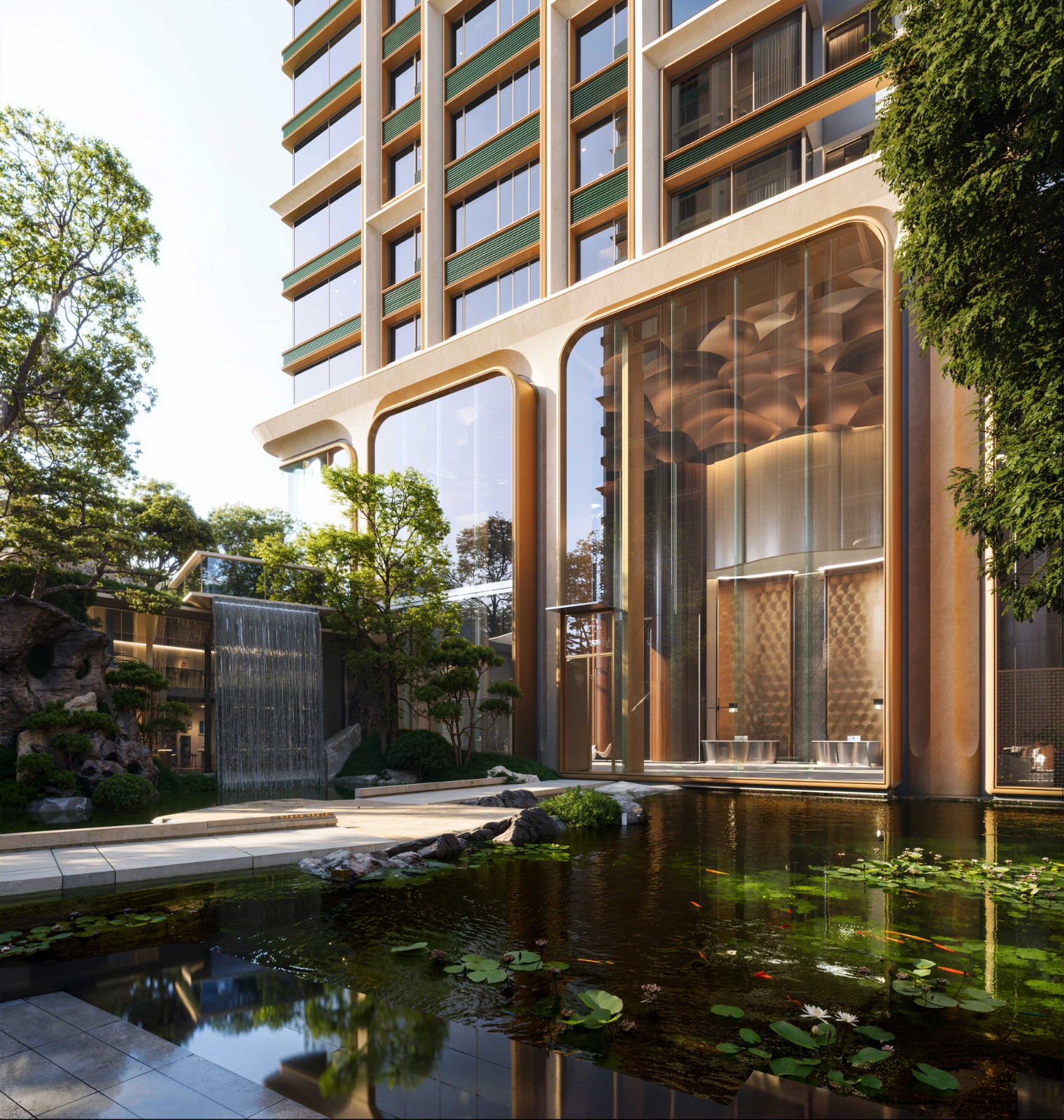
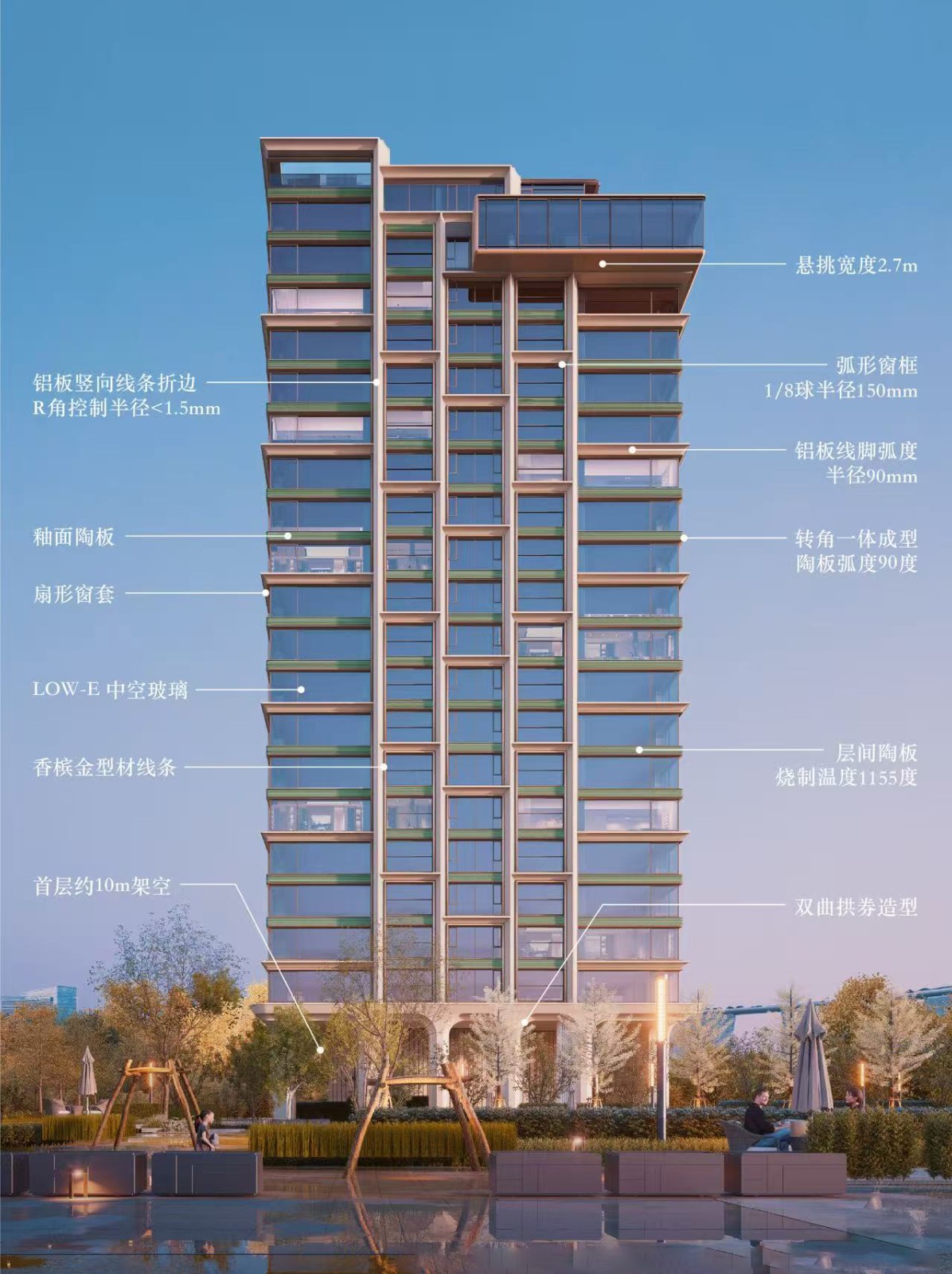
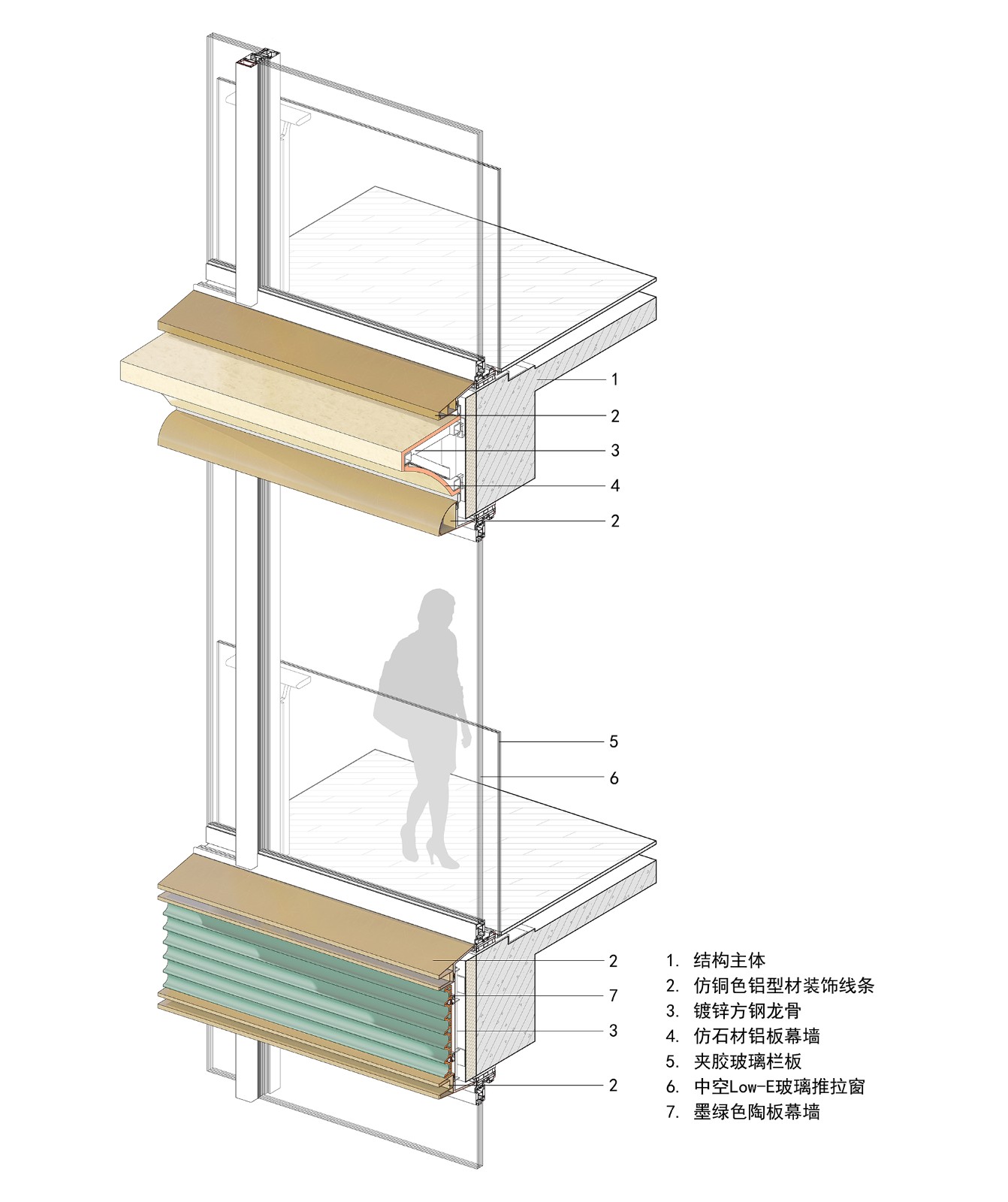
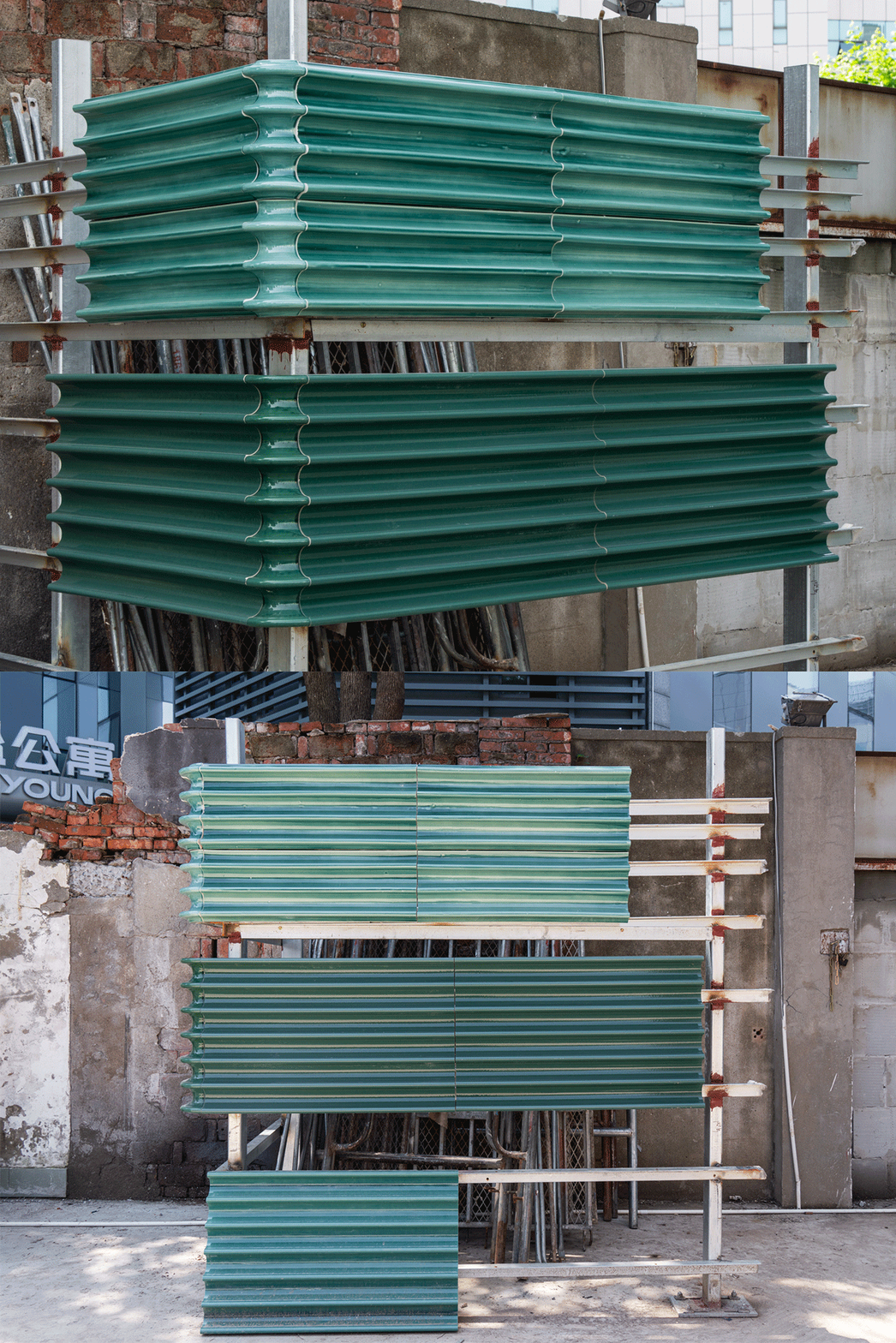
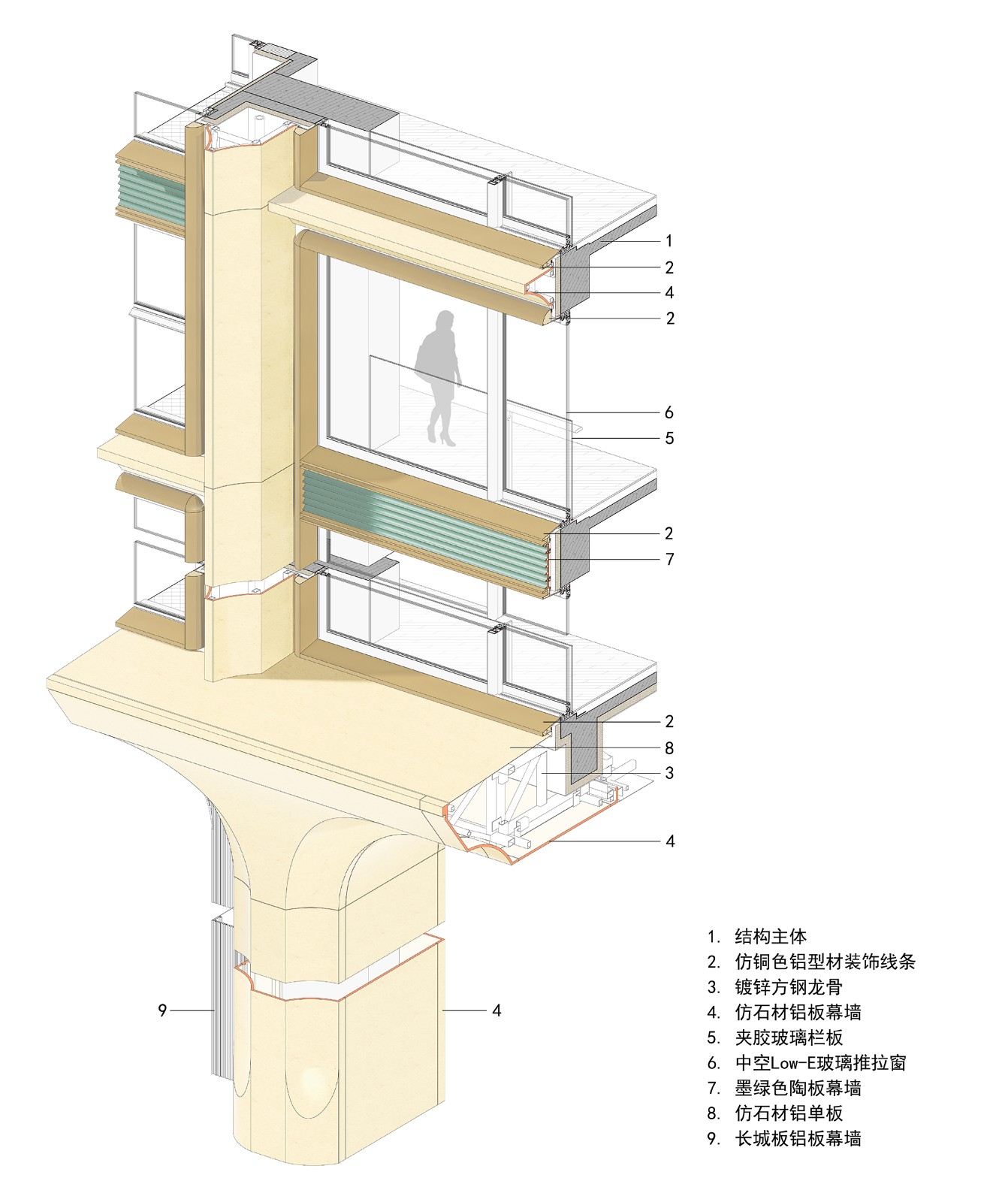
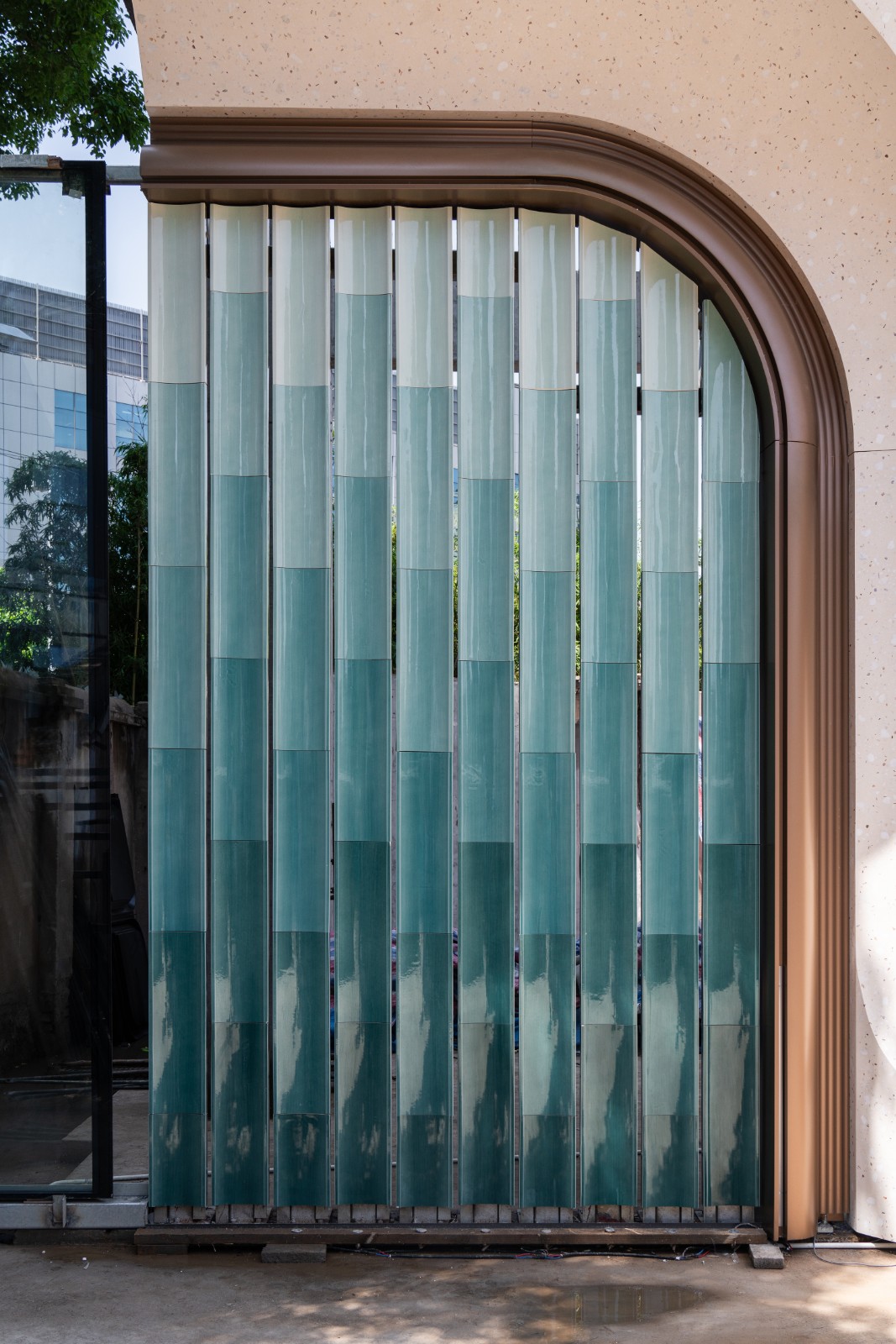
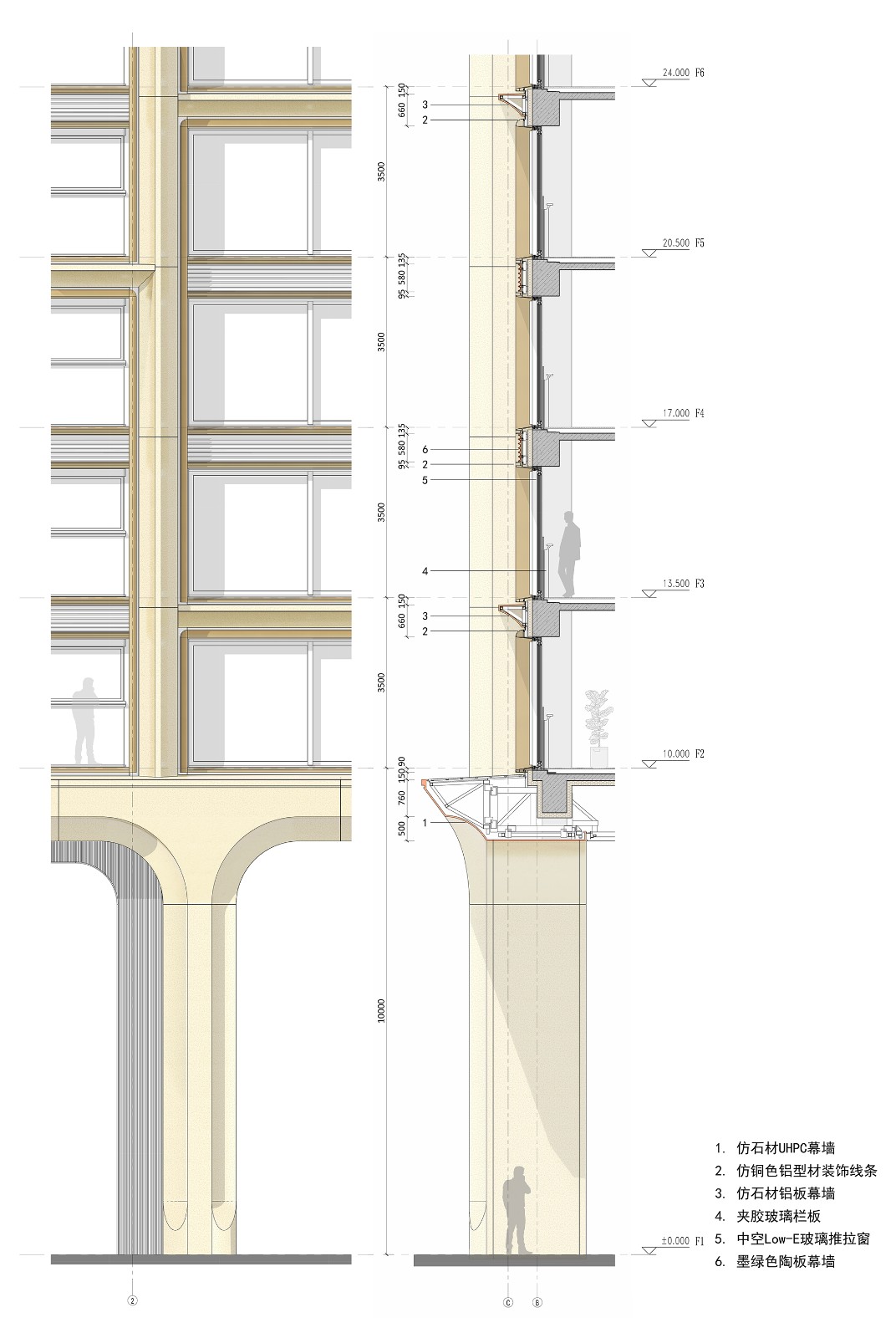
The building facade employs materials such as UHPC, stone-imitation aluminum panels, and ceramic panels. The custom-made cyan-glazed ceramic panels from Jingdezhen integrate the traditional aesthetic of "raindrops on celadon" with modern craftsmanship, presented through contemporary curtain wall systems to construct a profound dialogue between Eastern texture and Western rationality.
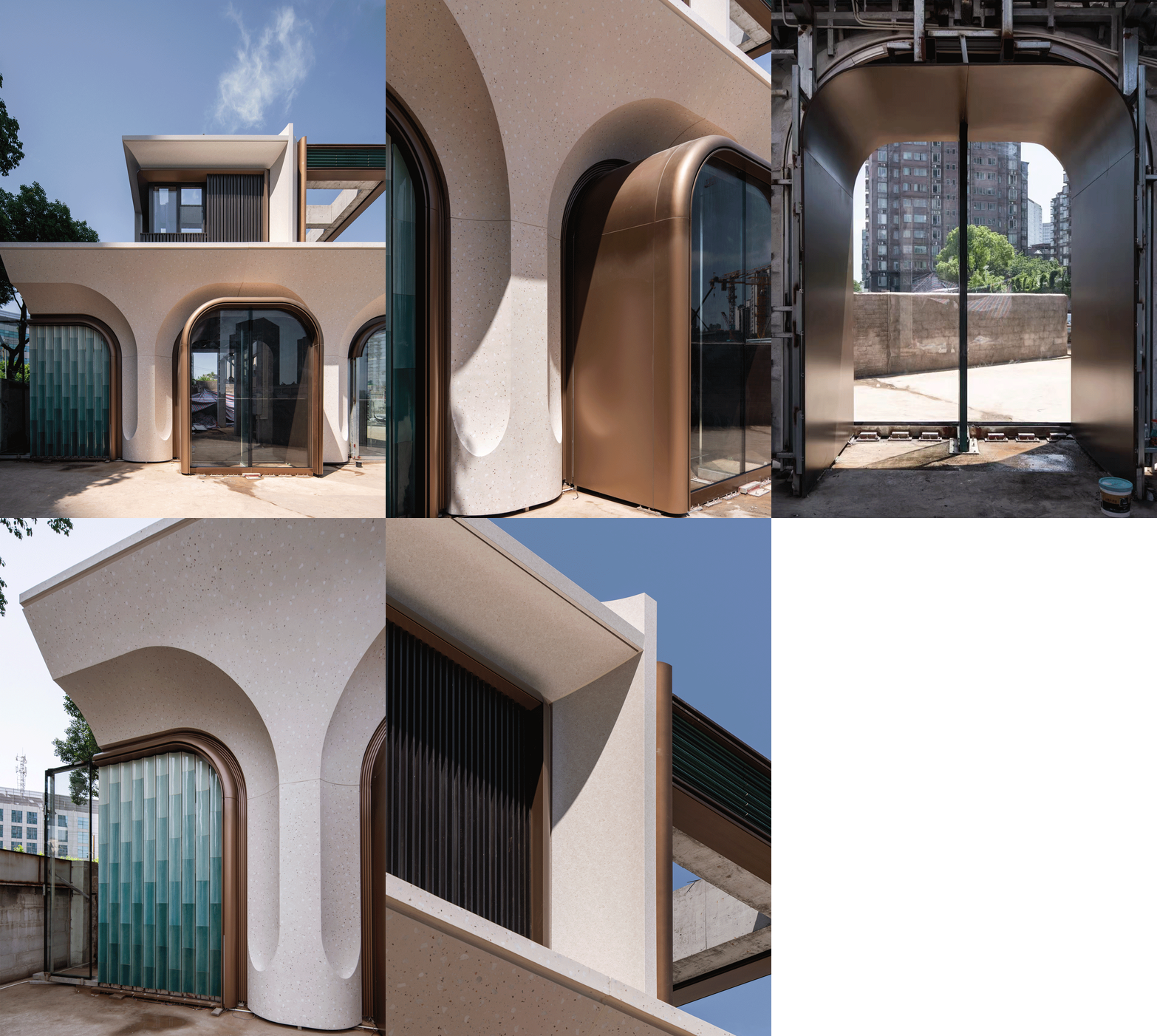
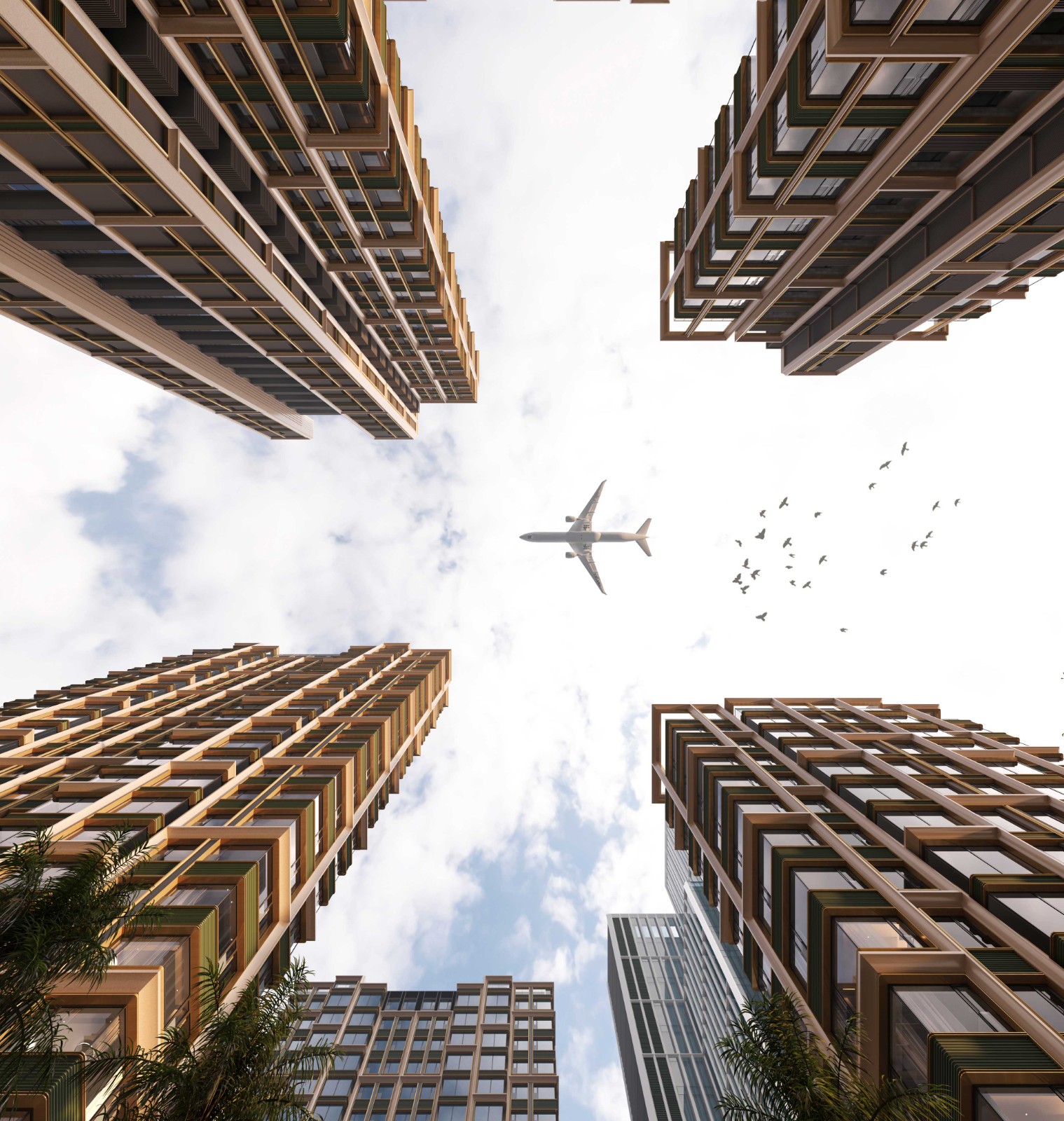
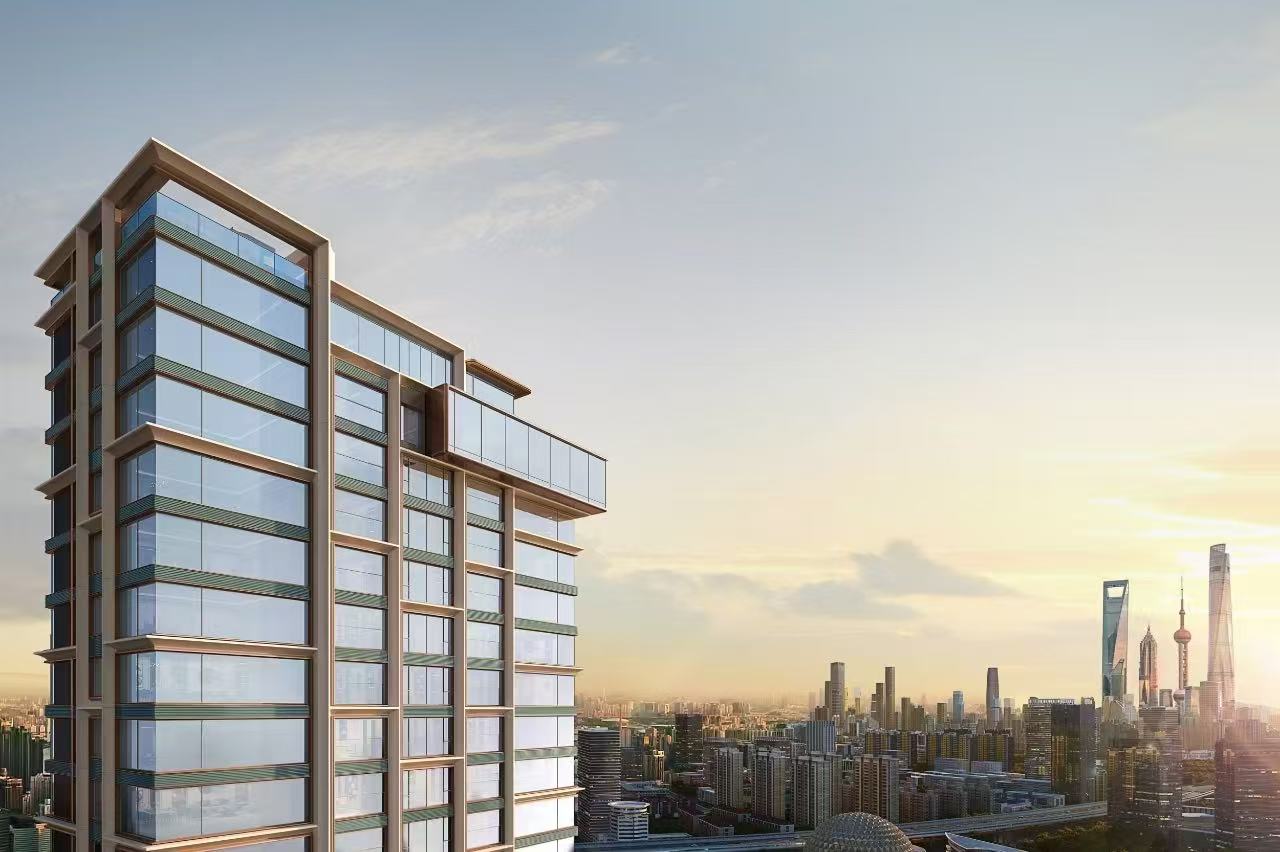
Central Park 199, developed by CSCEC Jiushang and designed by line+, represents a key practice in Shanghai’s urban core. Anchored in “Park Residence, Zero-Carbon Technology, and Spatial Innovation,” it responds to contemporary urban dwellers’ pursuit of ecology, technology, and emotional belonging. In the high-density city, it redefines the standard of “good housing”: not as spatial luxury, but as a dynamic balance between nature and the human body, between the city and life itself.