


Anchored
in Stone
石之锚固
“We do not seek a visual landmark, but to heal the mountain's scars. When concrete learns the mountain's syntax, architecture completes its highest tribute to nature.”
——Meng Fanhao
Project Name: Shenzhen Meishajian Viewing Platform
Design Firm: line+ studio
Chief Architect / Project Principal: Meng Fanhao
Project Architect: He Yaliang
Design Team: Xing Shu, Han Yuyan, Xu Hao, Xu Yifan, Li Renjie
On-site Architect: Xing Shu
Client: People’s Government of Yantian District, Shenzhen
Structural Consultant: AND Office / Zhang Zhun, Hu Xiaojie
MEP Consultant: ZZ Architectural Design & Consulting
Lighting Consultant: TJAD-Architectural Lighting Studio
General Contractor: Shenzhen Zhonghe Construction Co., Ltd.
UHPC Contractor: Zhejiang Jianxin Decoration Co., Ltd.
Signage Design: SURE Design
Location: Shenzhen, Guangdong, China
Building Area: 300 m²
Design Period: Oct 2022 – Jun 2024
Construction Period: Jul 2024 – Present
Structure: Reinforced concrete slabs, columns, and shear walls
Materials: Reinforced concrete, UHPC with stone-like texture
Photography: Bai Yu, line+, SZDYAS
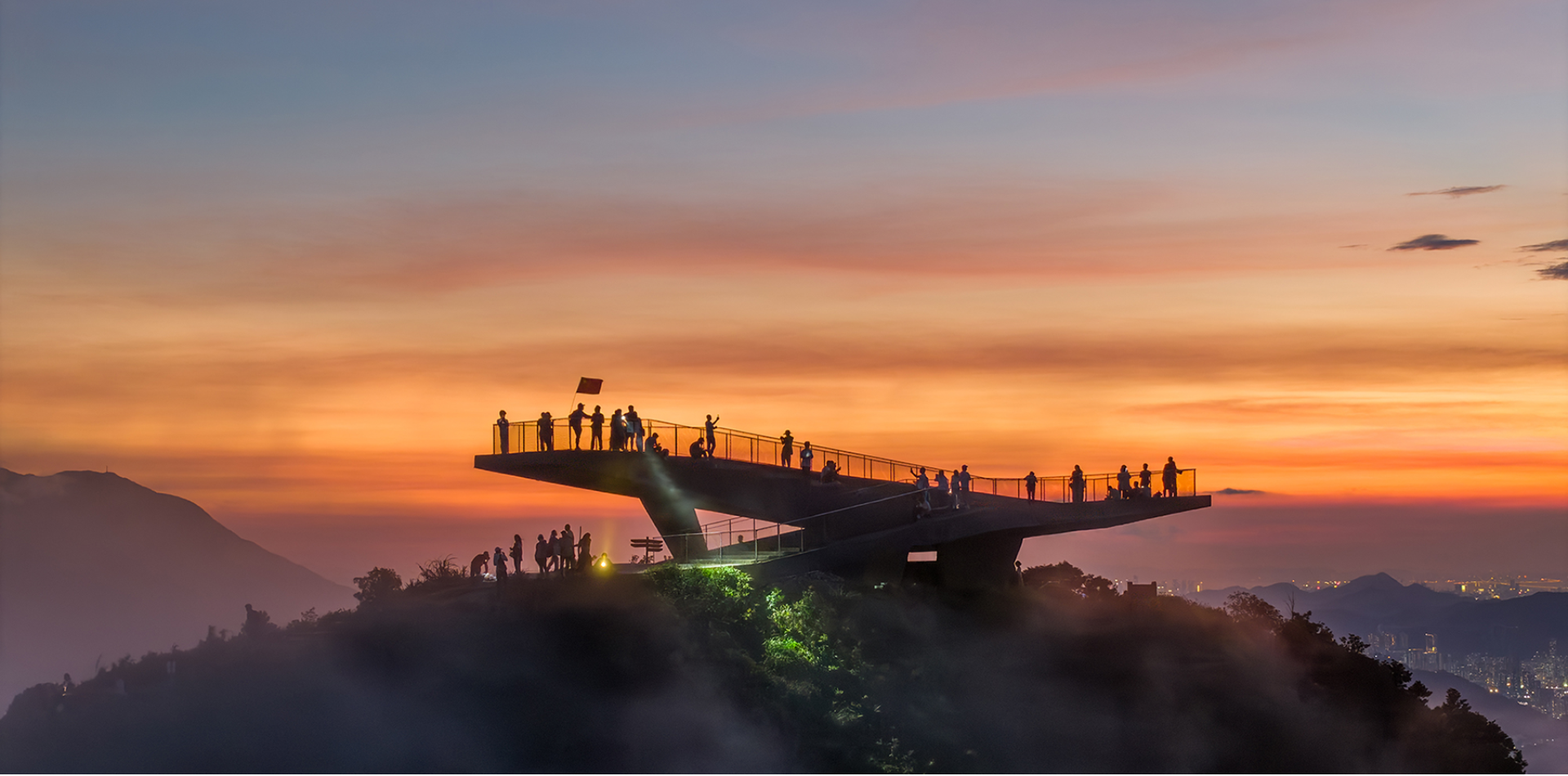
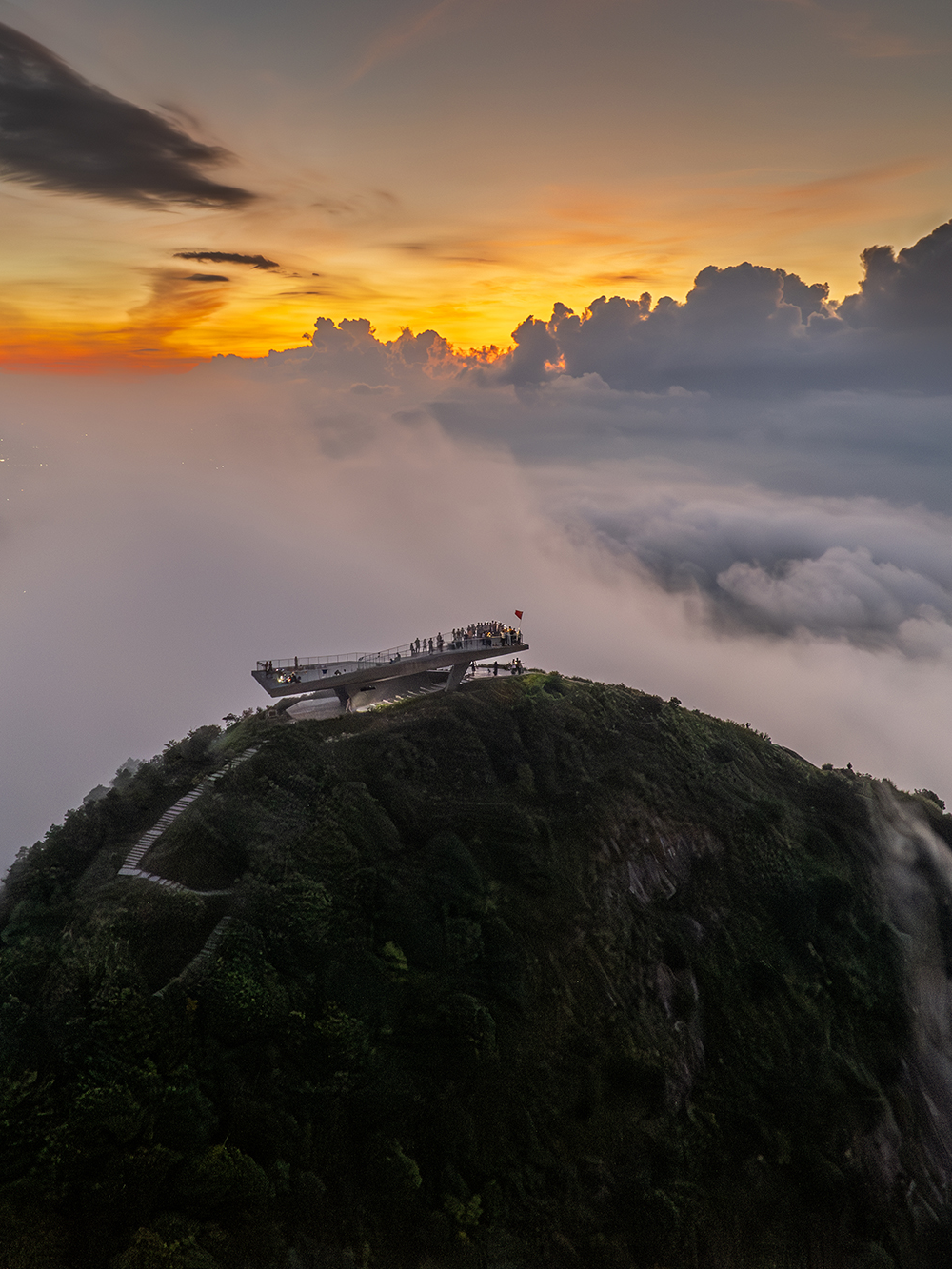
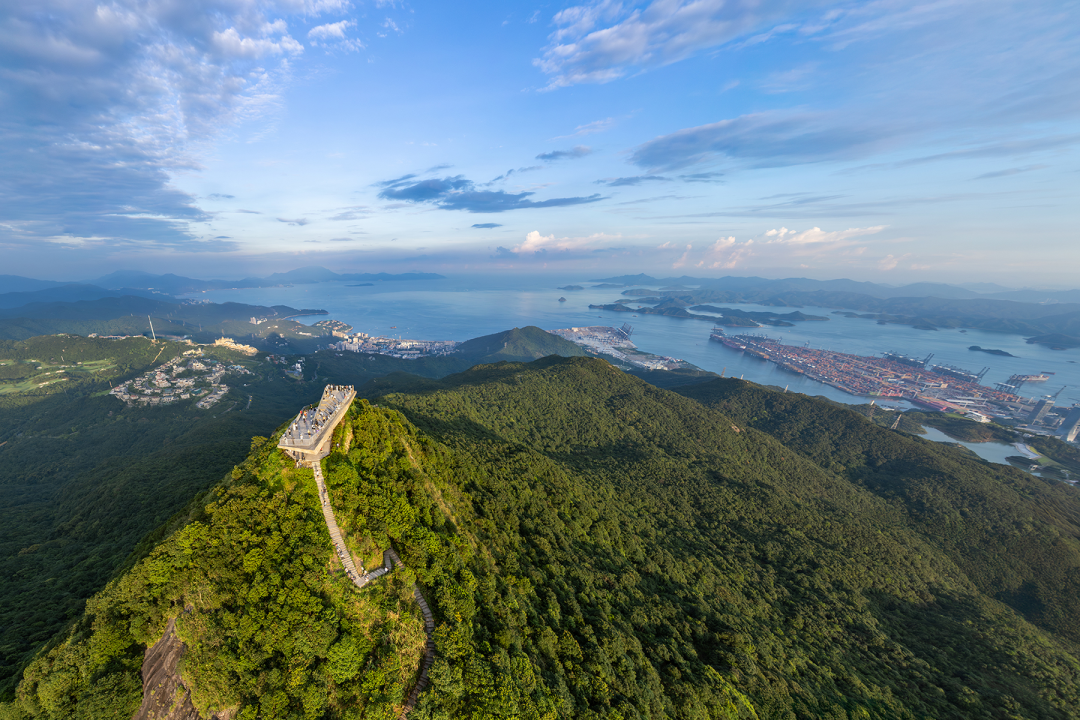
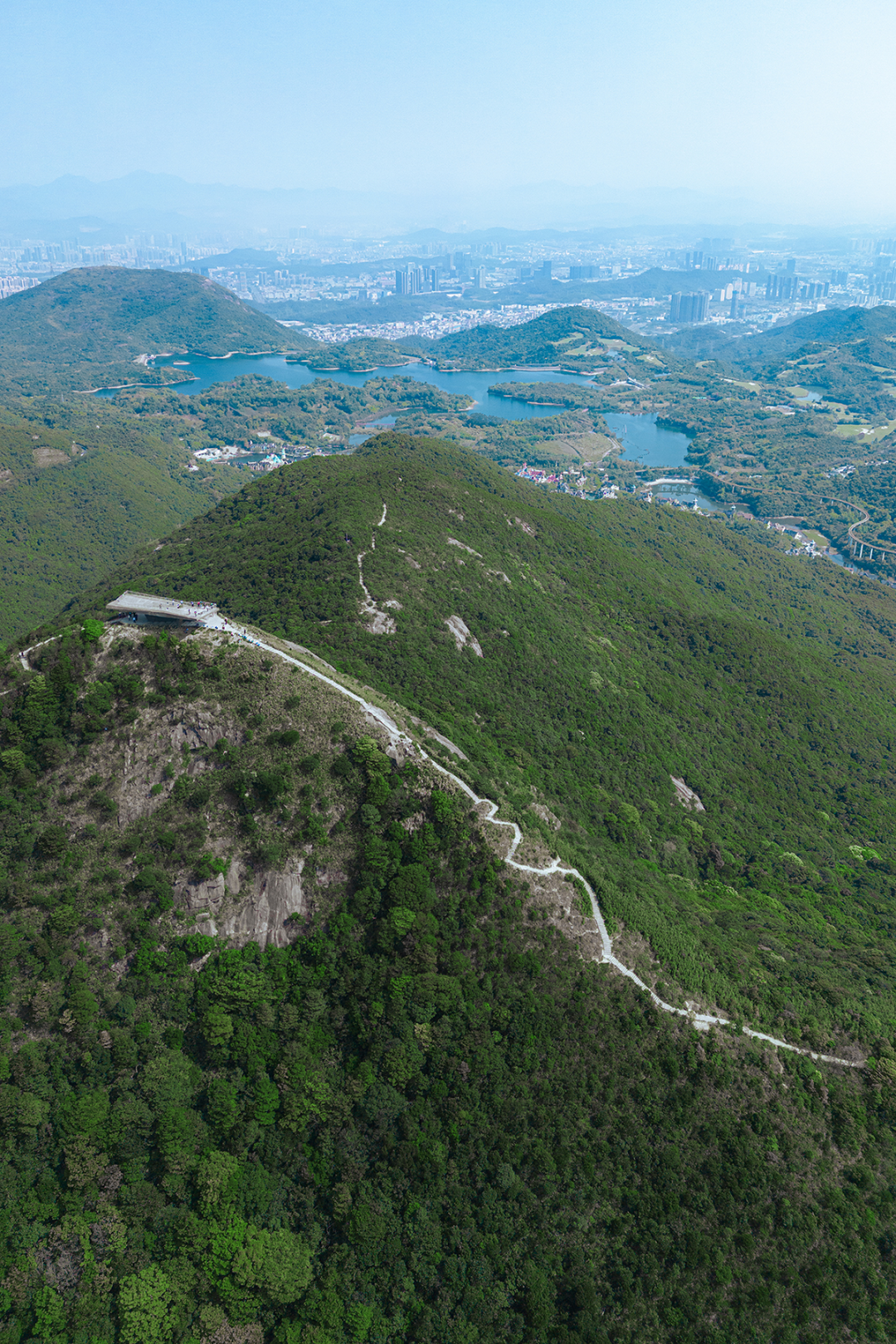
Mount Meishajian (elevation 753 meters), the third highest peak in Shenzhen, is a popular destination for outdoor enthusiasts and a spiritual landmark for climbers.
Following the success of the Shenzhen Forest Service Station, Meng Fanhao, co-founder and chief architect of line+ studio, has once again partnered with his team to create the Meishajian Viewing Platform, a project that seeks to redefine the form of a mountain summit in Shenzhen.
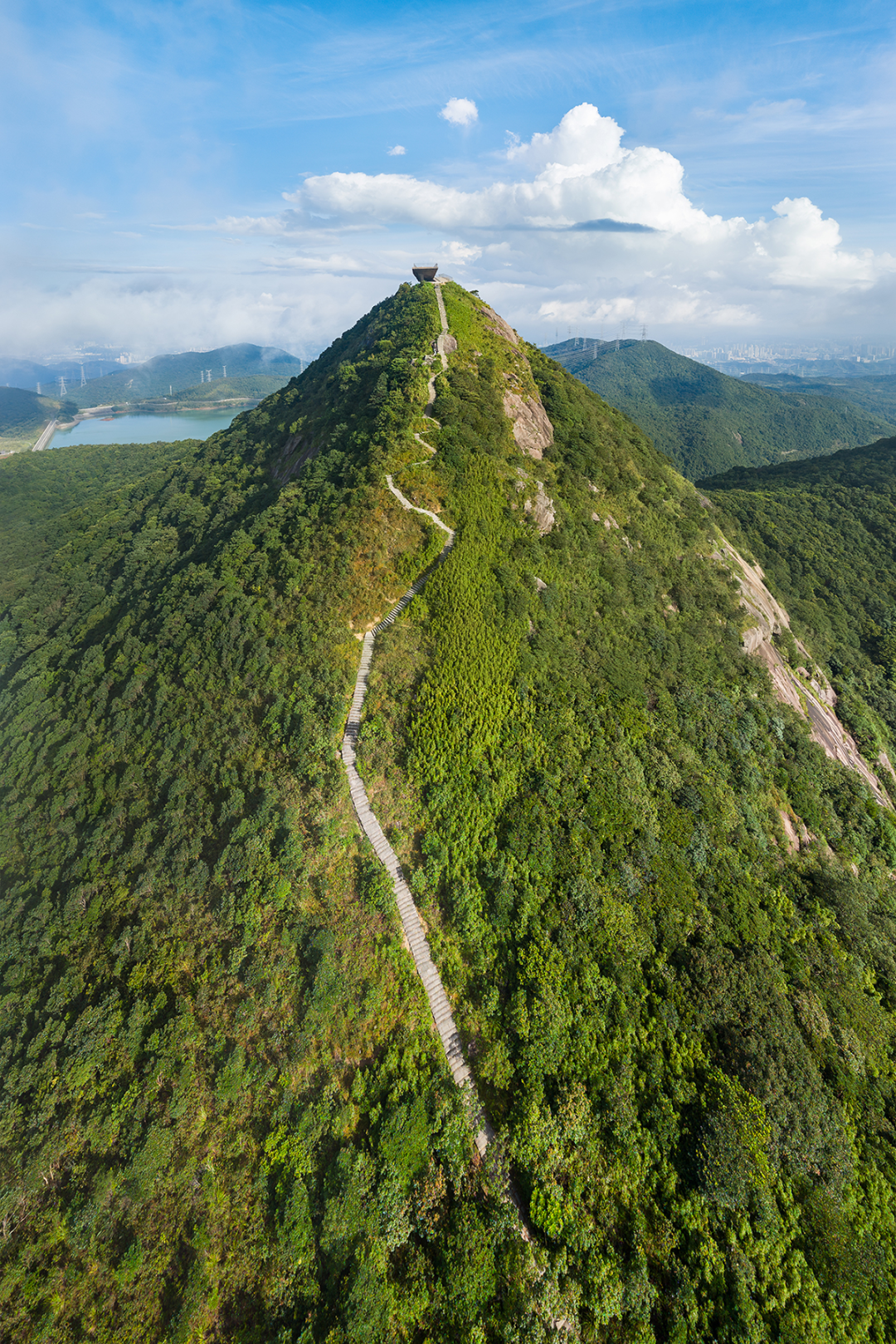
When the client initially proposed referencing Lingnan architectural tropes, an on-site visit changed our brief. Standing on the exposed crest — subject to persistent level-8 winds, where five approach trails converge and an abandoned signal-tower pit scars the ground — made clear that any conventional architectural expression would read as intrusion. Climbers arriving breathless after steep stone steps seek an expansive, unmediated dialogue with sky and sea, not another object that blocks sightlines.
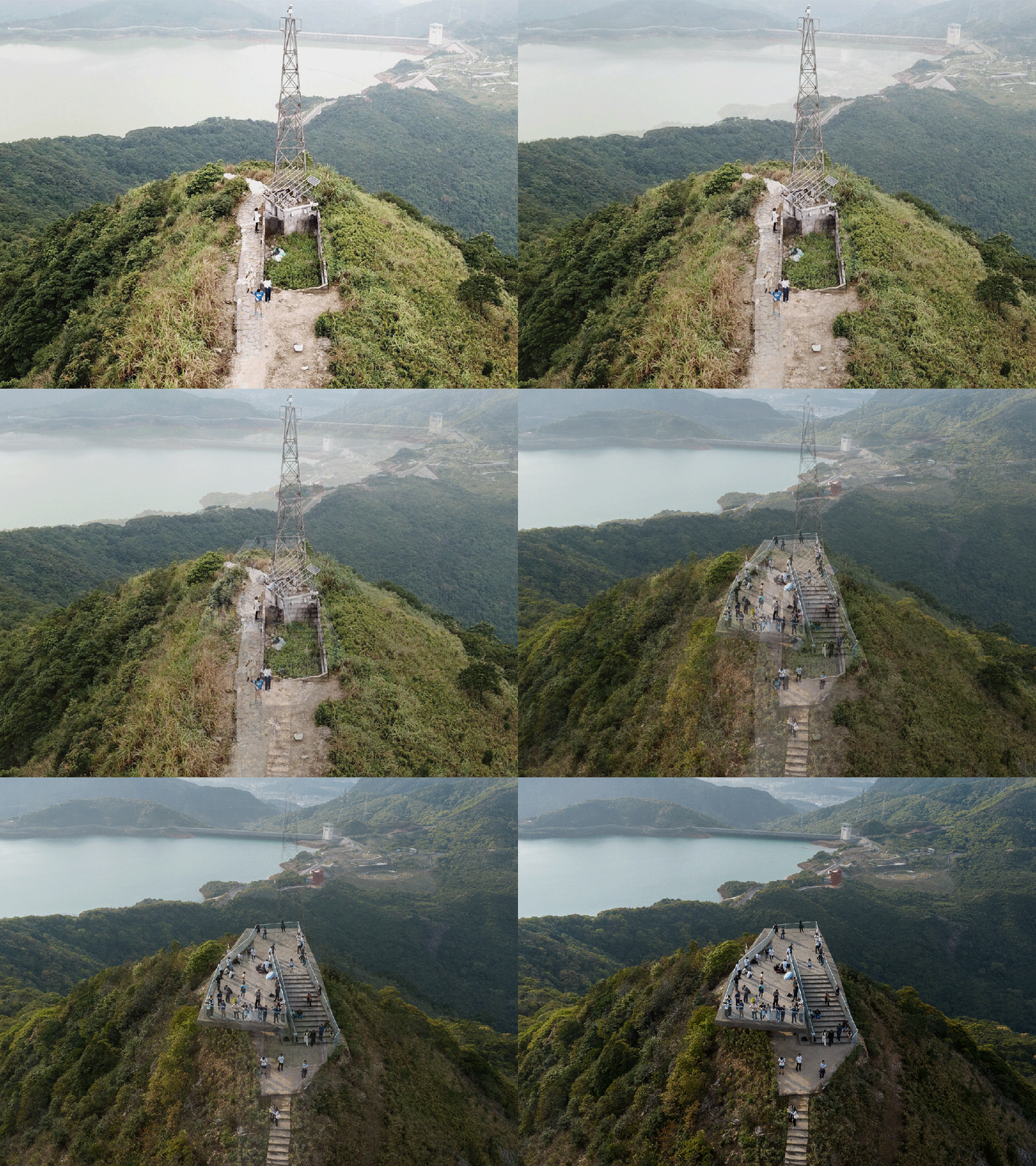
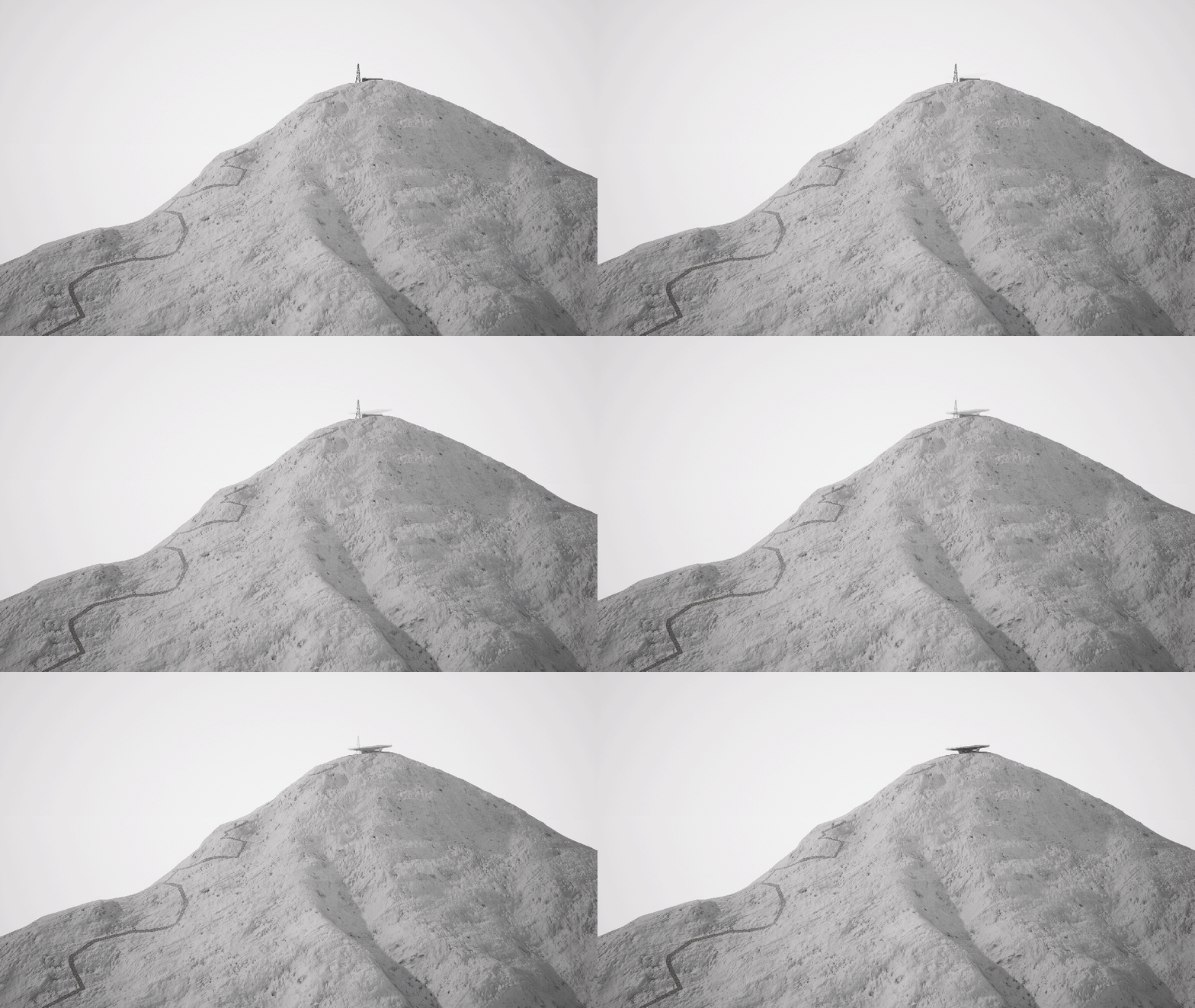
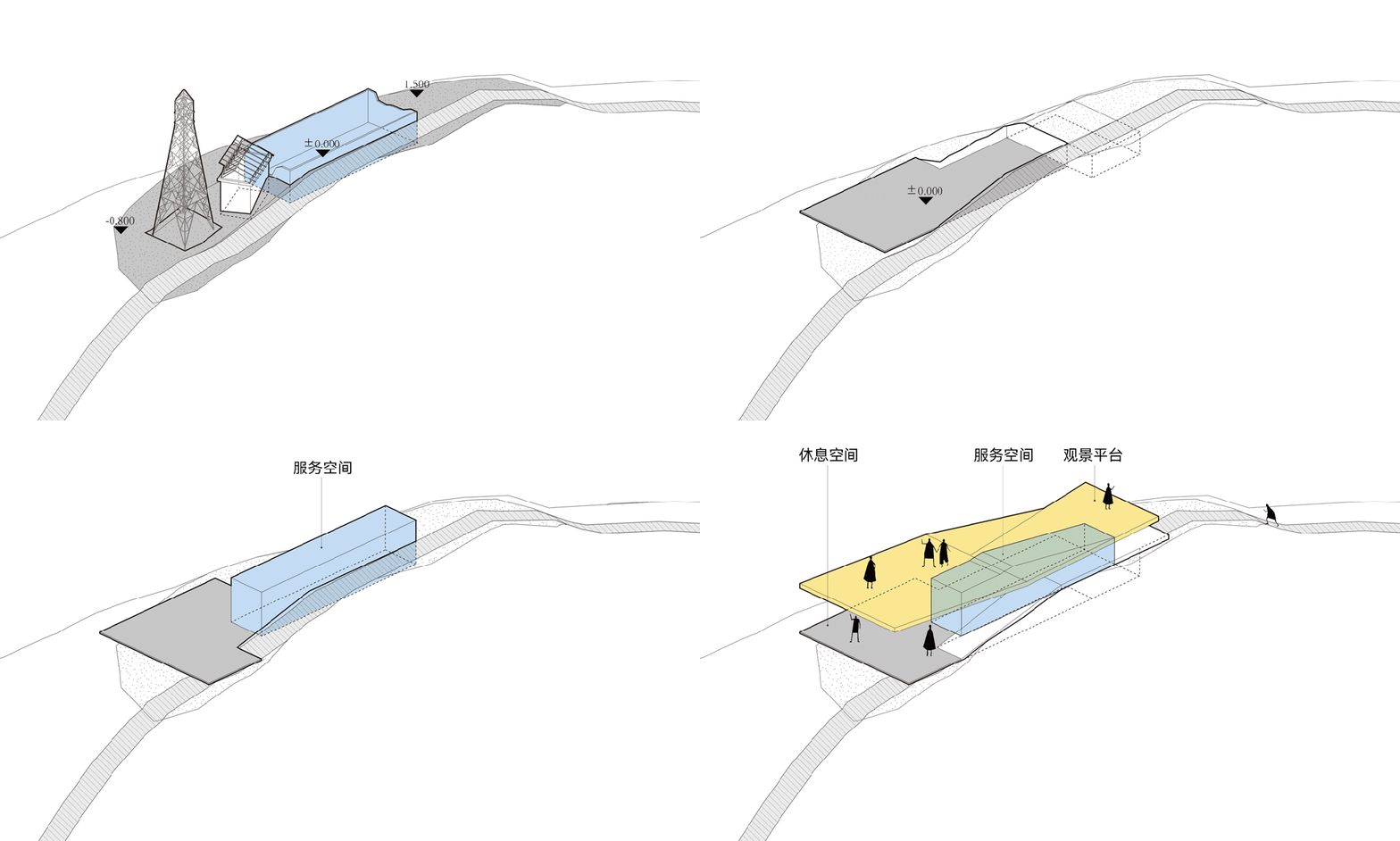
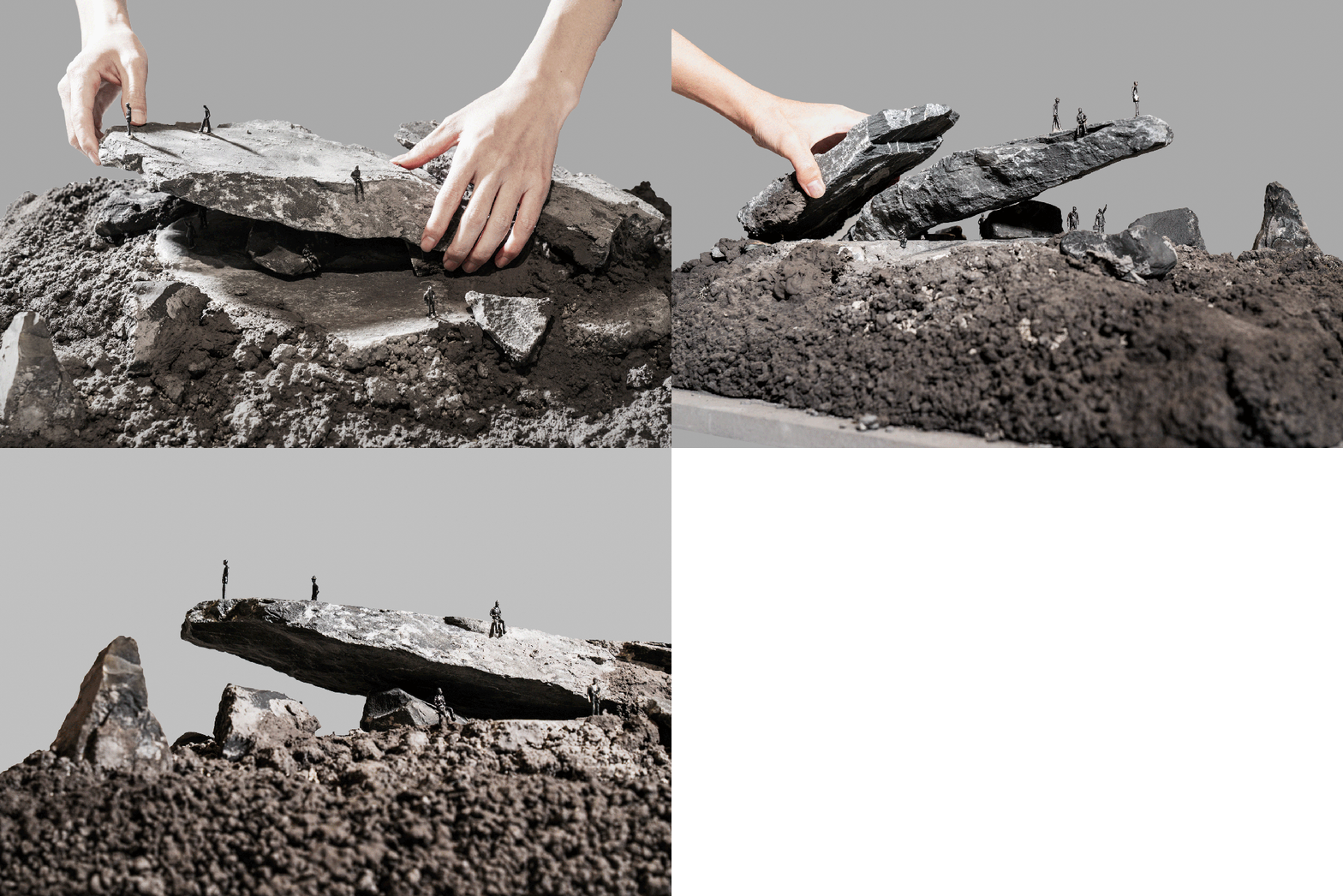
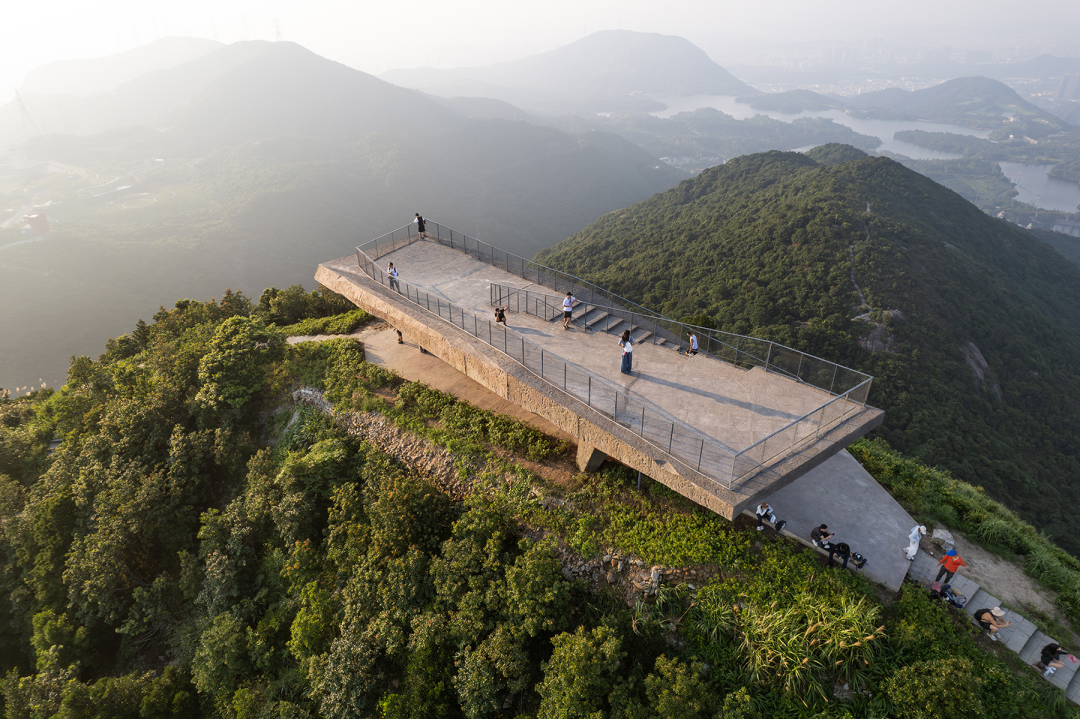
We therefore abandoned the conventional pavilion model and intervened as a site repair. Maintaining existing trails, the design works with weathered boulders and depressions: a series of offset, interlocking cast‑in‑place concrete "artificial monoliths" produce sheltered pockets — wind breaks and viewing decks — while visually receding into the mountain’s fabric.
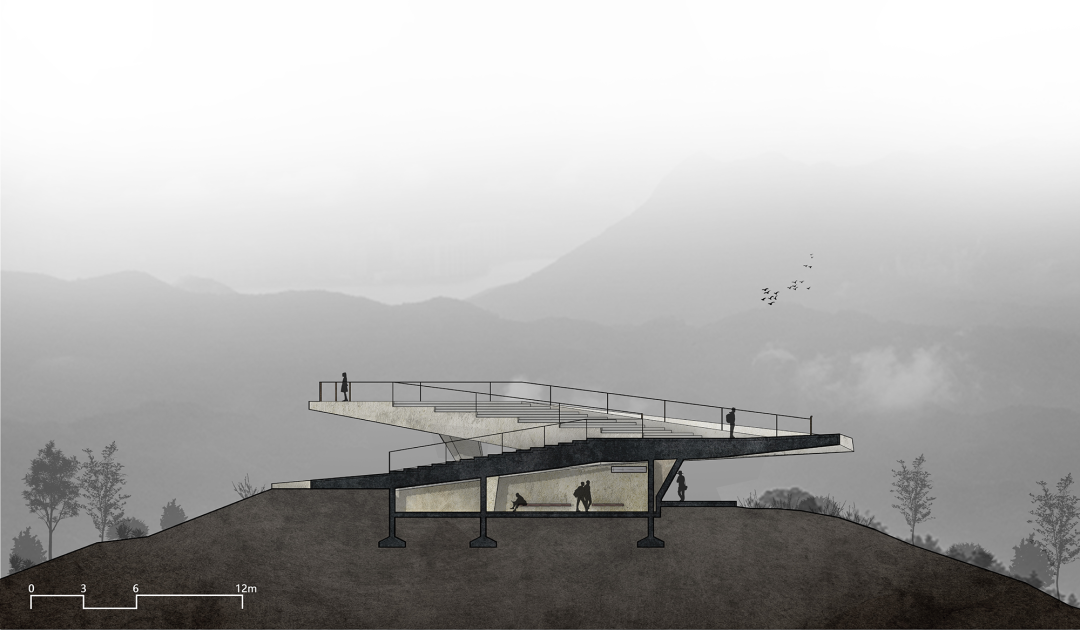
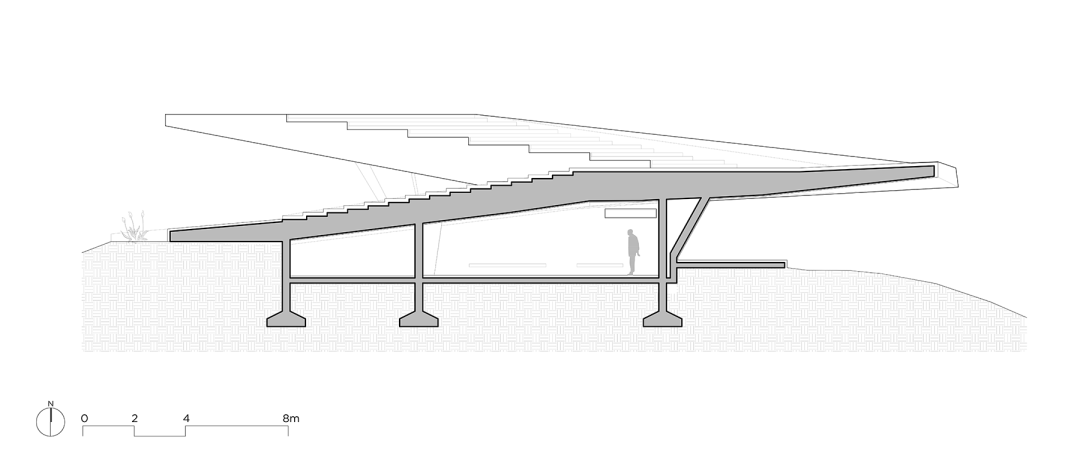
△ Section Analysis

This act of “de-architecturalization” reduces perceived building presence while offering a tactile, anchored massing that visually and physically integrates with the hill.
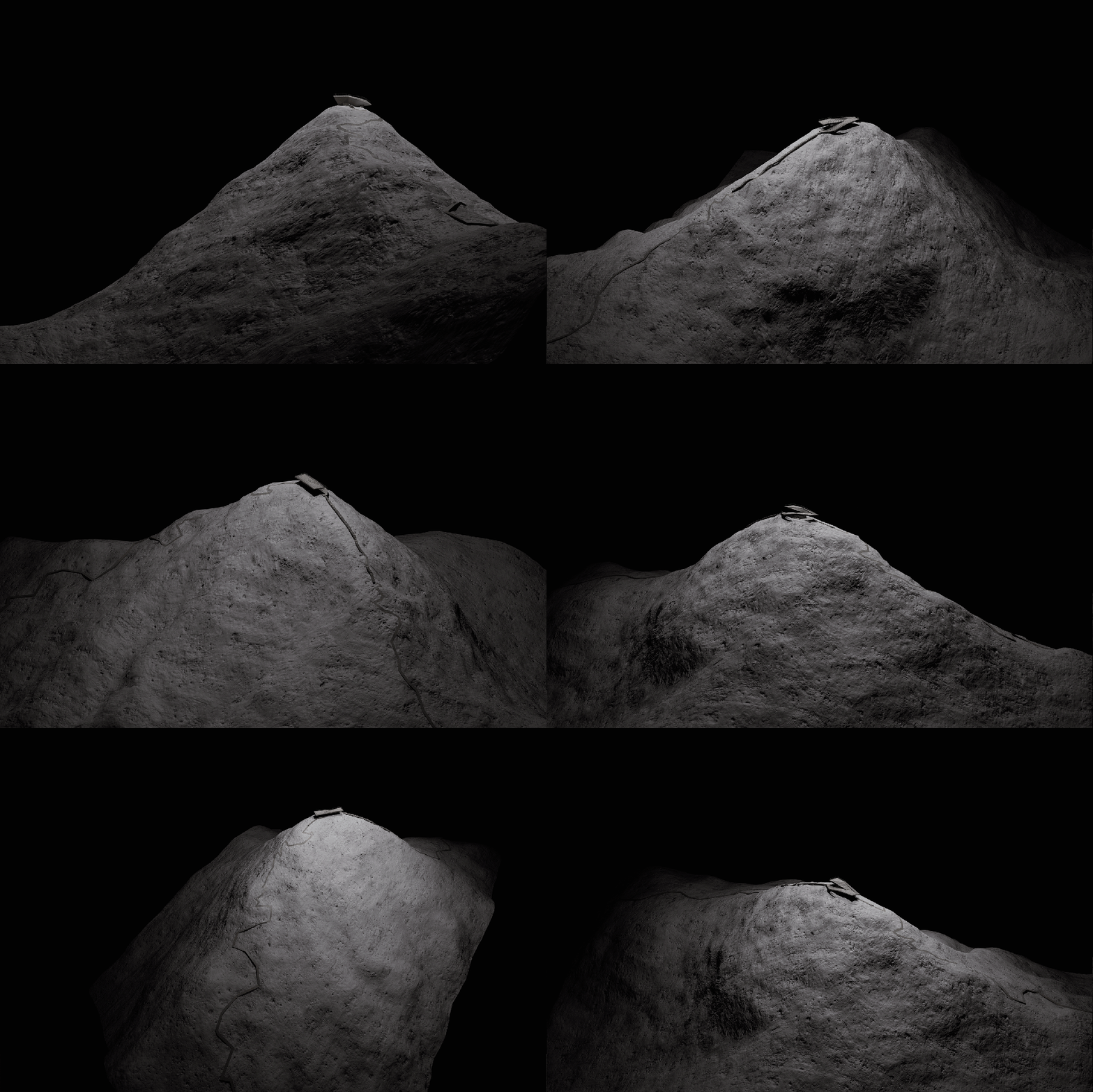
△ Structure Integrated with the Mountain
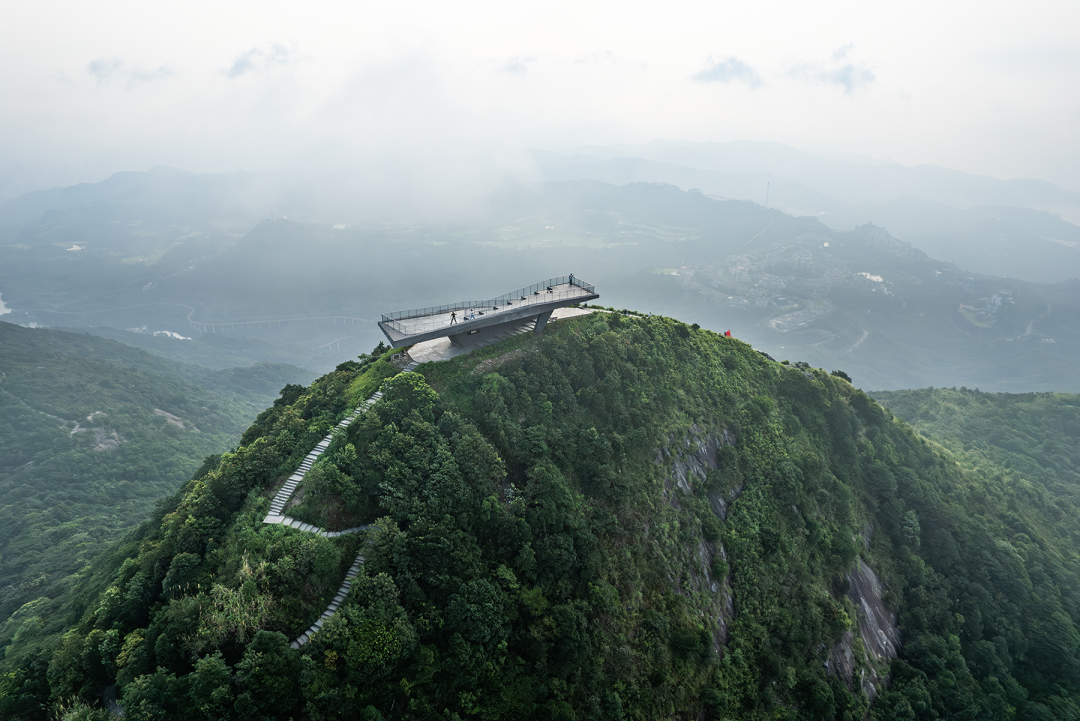
The project strategy can be summarized as Brutal Vernacular — pairing the structural honesty and material directness of brutalism with a local, site-sensitive responsiveness.
The design avoids a conventional “building.” Instead, slightly tilted, monolithic concrete slabs cloak the slope, echoing the natural accretion of rock and foregrounding a contemplative form of place-making.
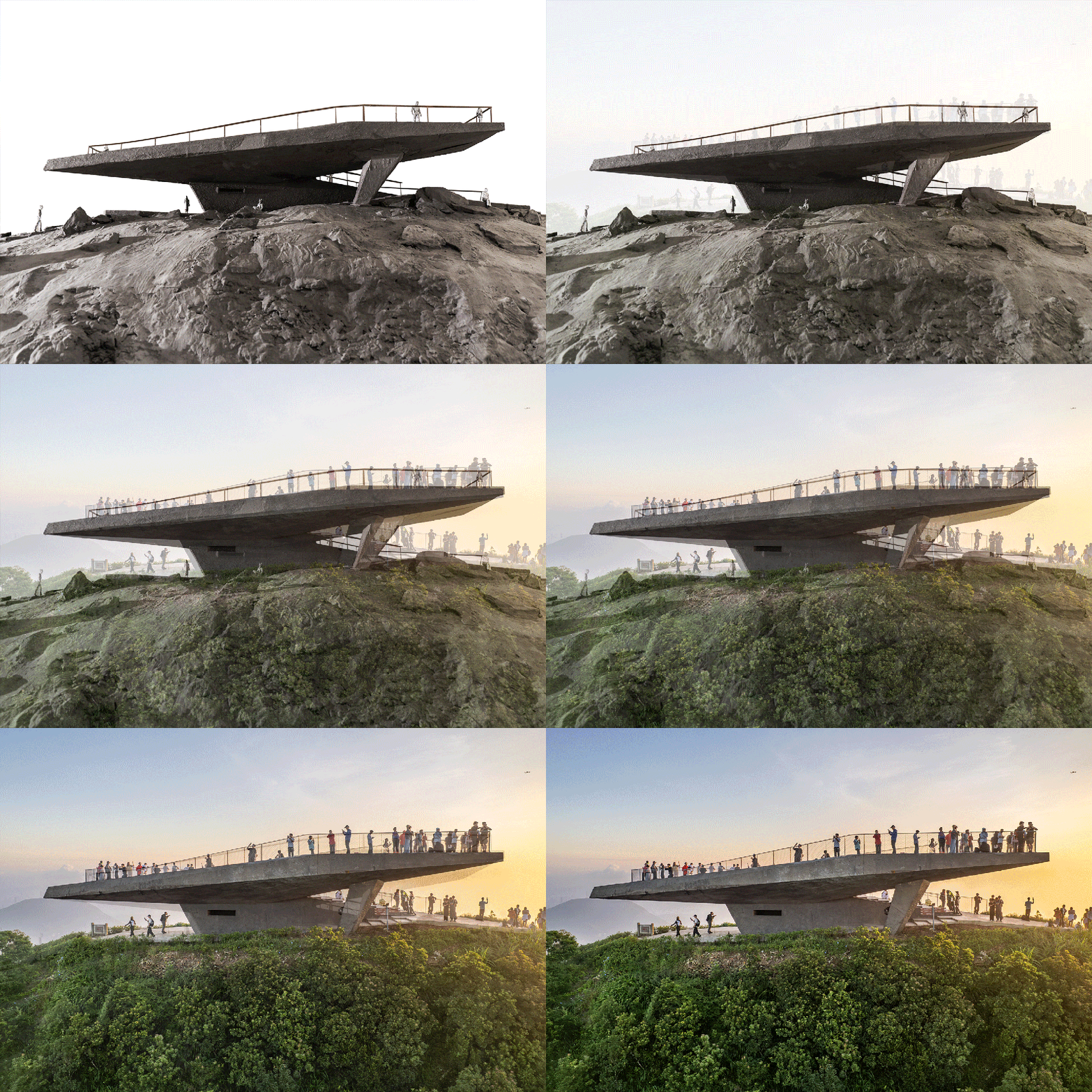
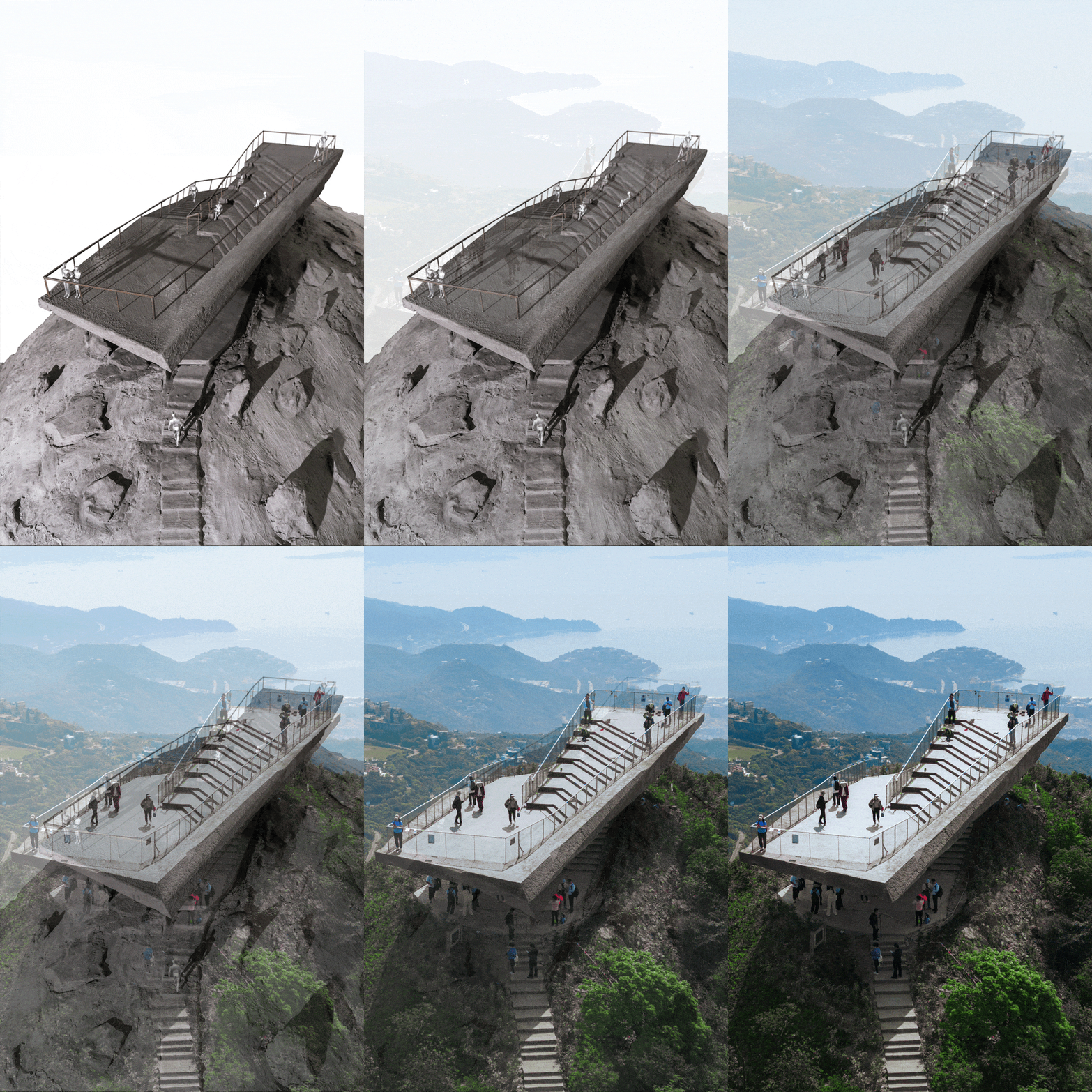
△ From the Model to the Building

The goal is never a theatrical focal point; instead, the design withdraws, directing attention outward to the panorama and the movement of natural elements.
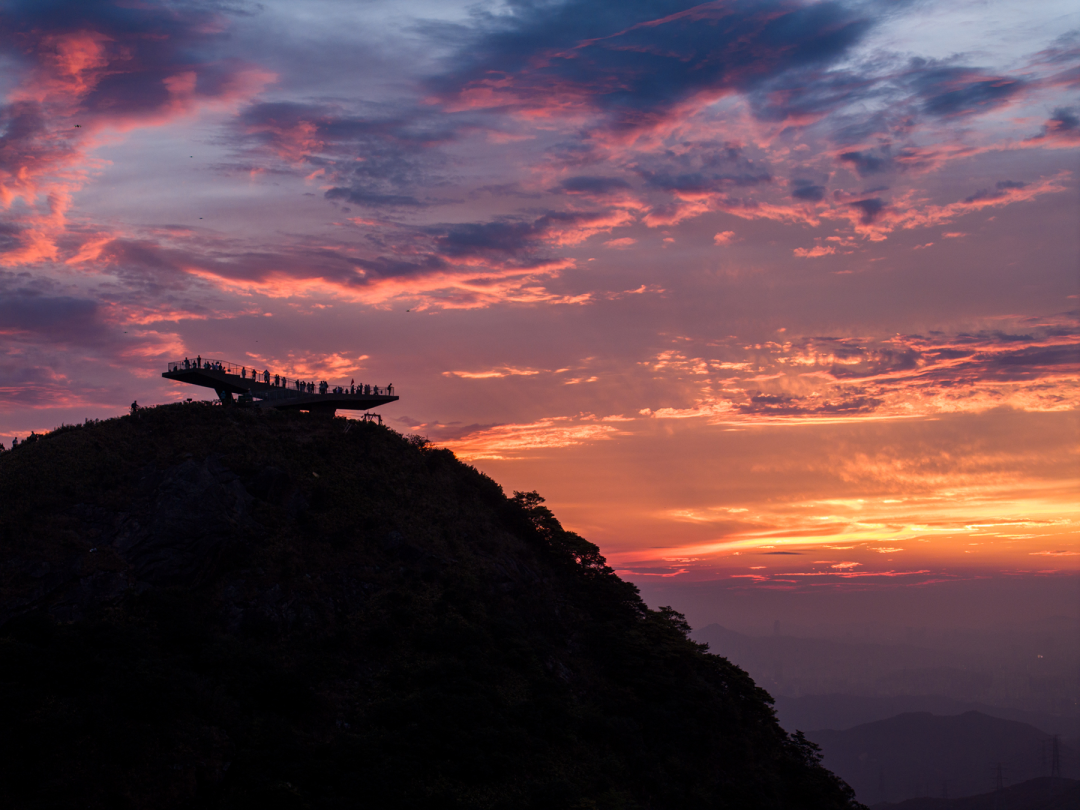
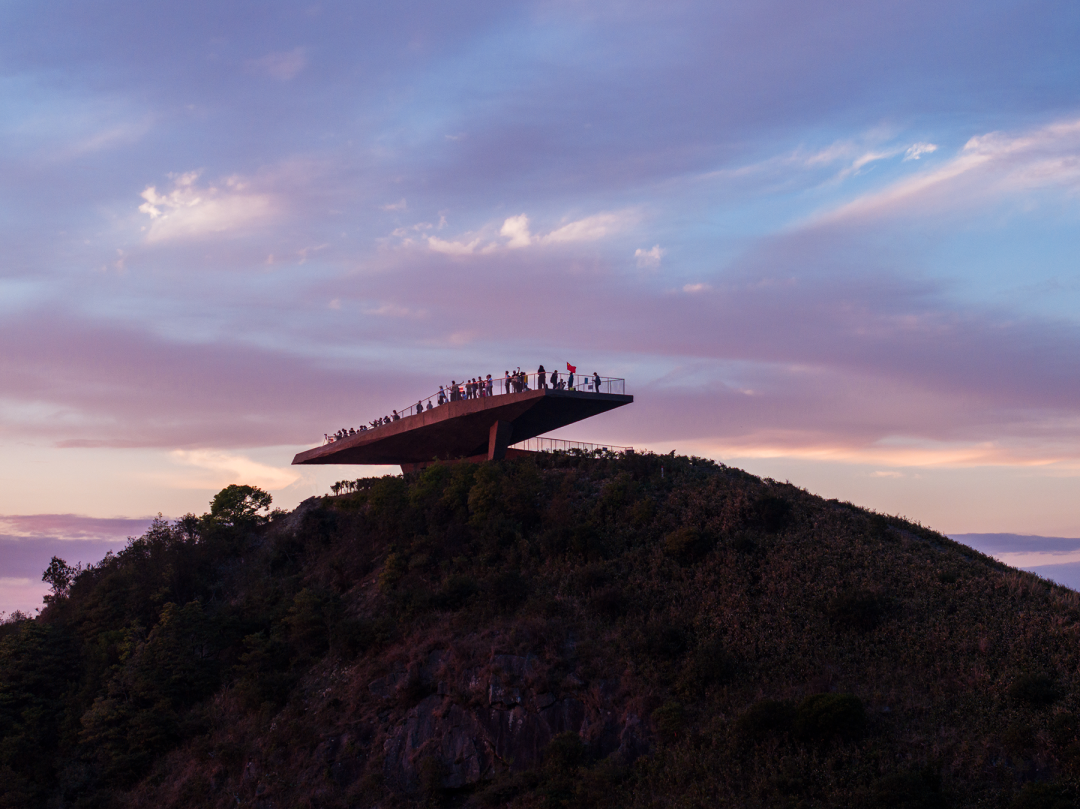
1. Anchoring the design to wind conditions
Facing persistent summit winds, the design prioritizes mass and continuity over lightweight framing. A cast-in-place reinforced-concrete system provides gravitational anchorage, avoiding slender steel members vulnerable to wind uplift. Gentle ramps and low platforms mitigate turbulence and let the architecture trace the mountain’s contours.
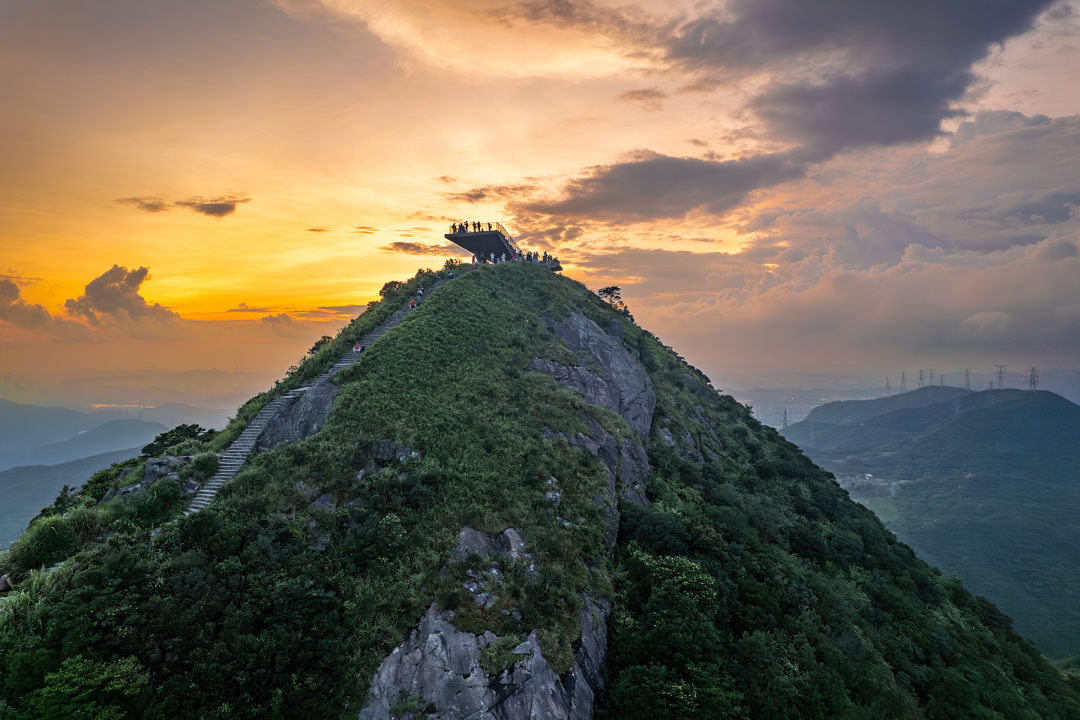

△ From the Model to the Building
2. Translating stone as material and memory
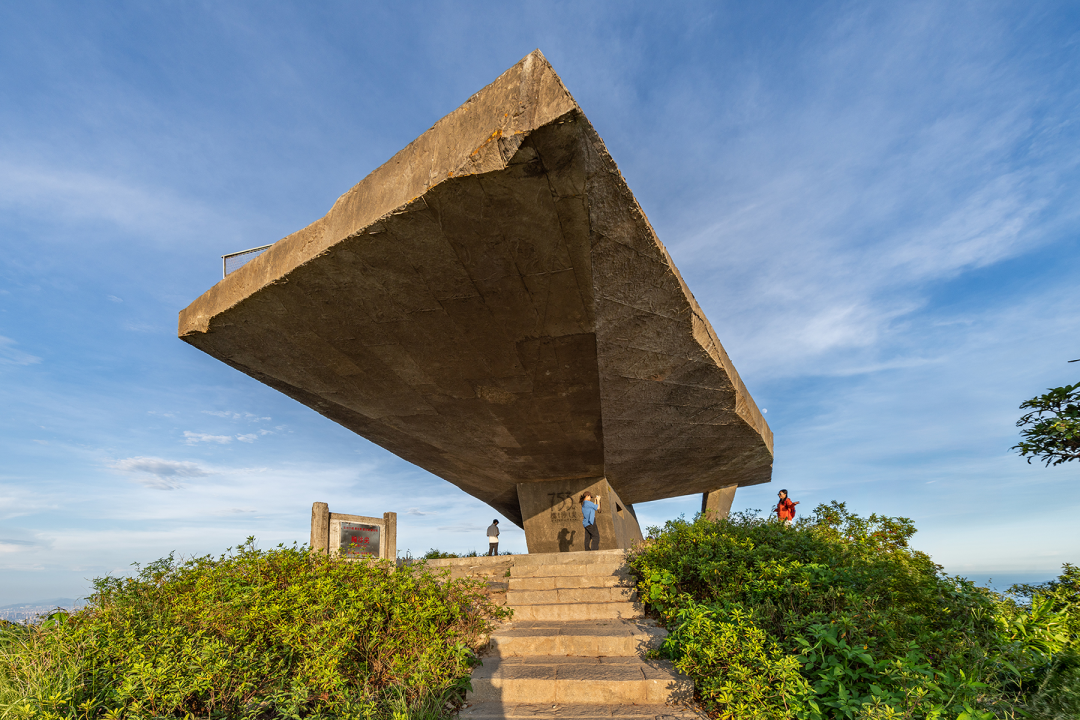
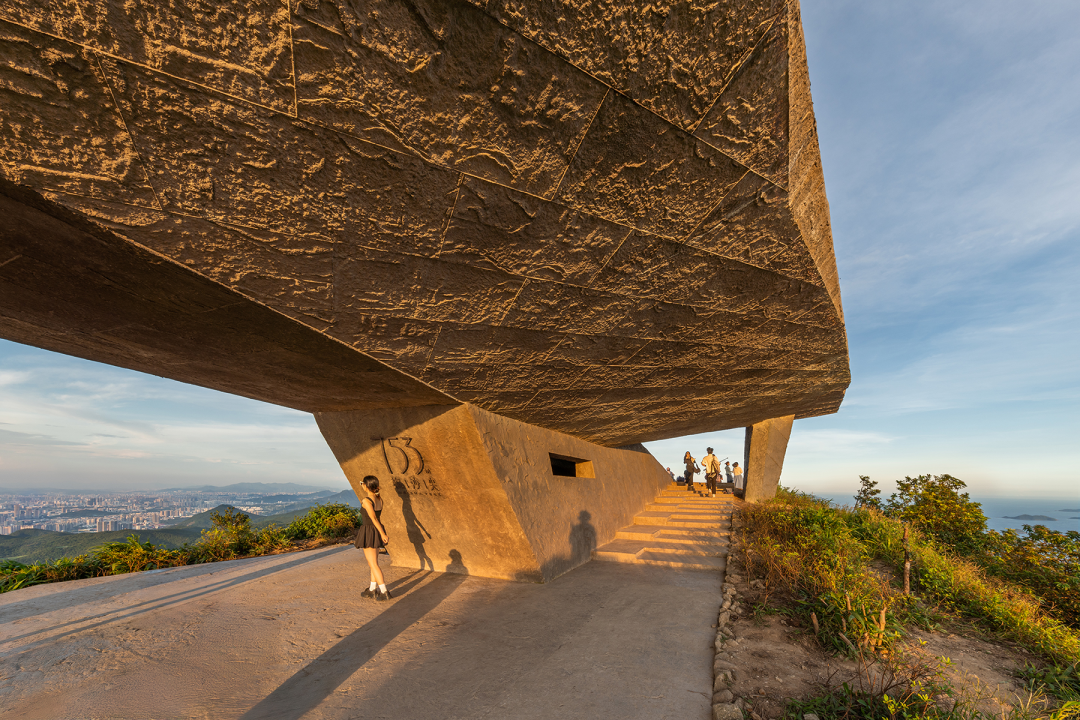
Surface texture and scale were derived from the scattered boulders on site. Using seven modular formwork patterns, we cast concrete panels that retain a course, naturalized texture. These “man-made stones” enter into a dialogue with native rock: a deliberate contrast of found and crafted that sustains the site’s geological memory while creating cave-like refuges for climbers.

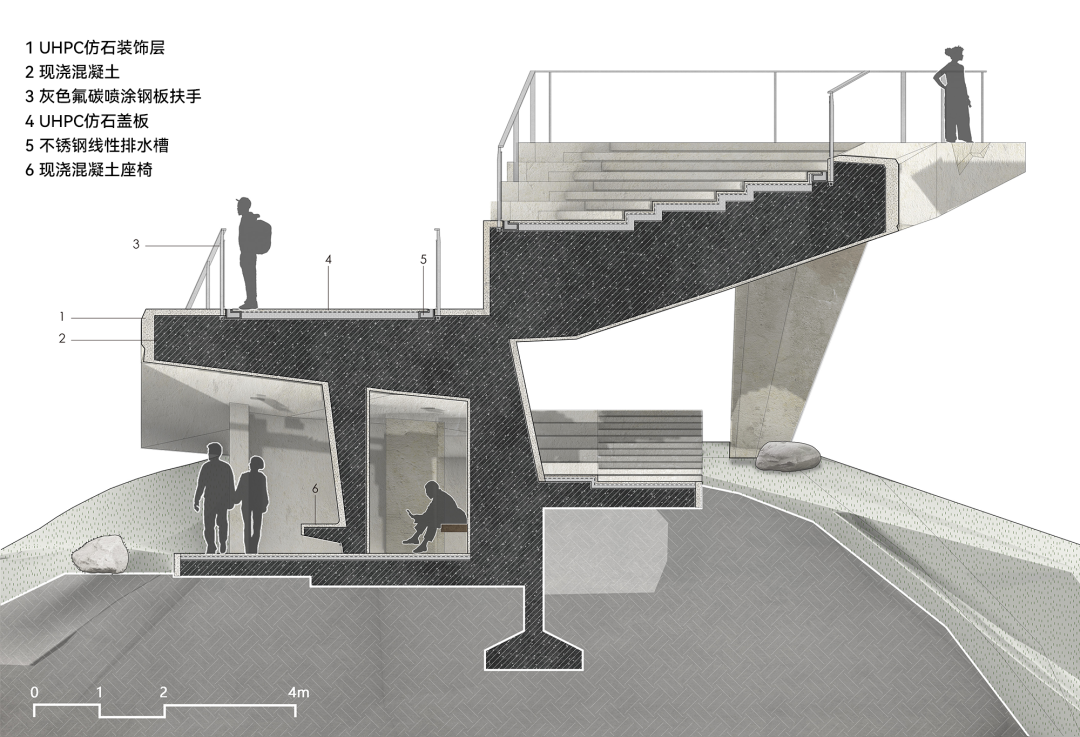
Exposed to wind, storms, and seasonal cycles, the design makes materials and structure intentionally weather-active, allowing the intervention to evolve with the landscape. The exterior skin is UHPC cast from textured molds that imprint natural rock grain, enabling the artificial monoliths to patinate and read as geological accretions.

3. Path as architecture
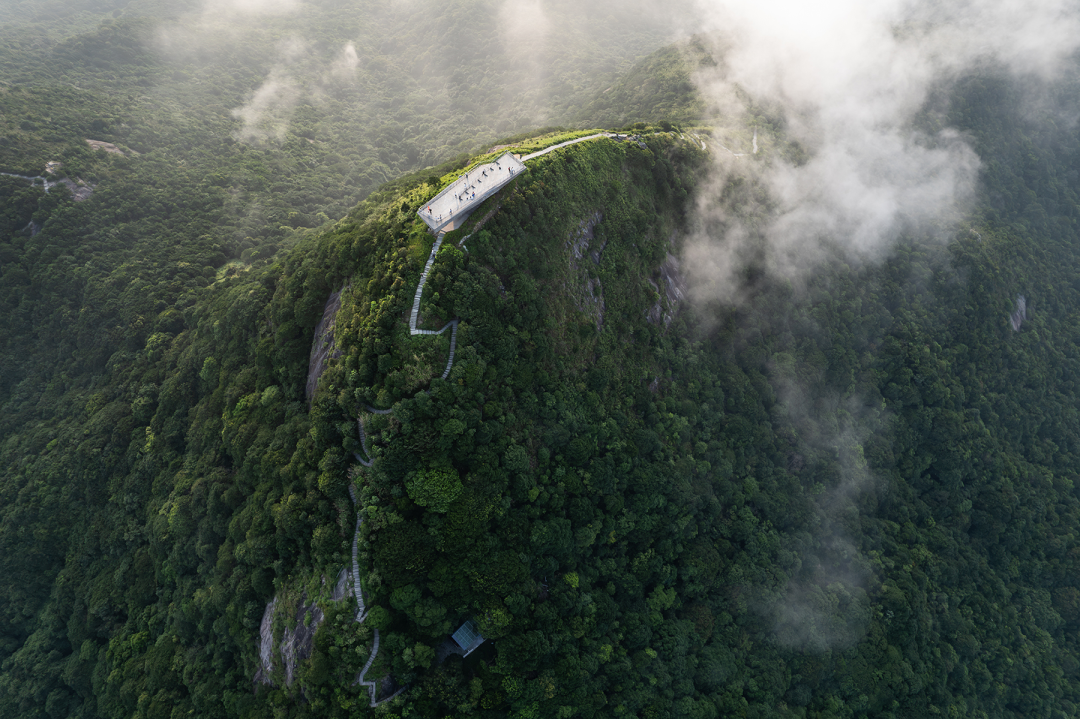
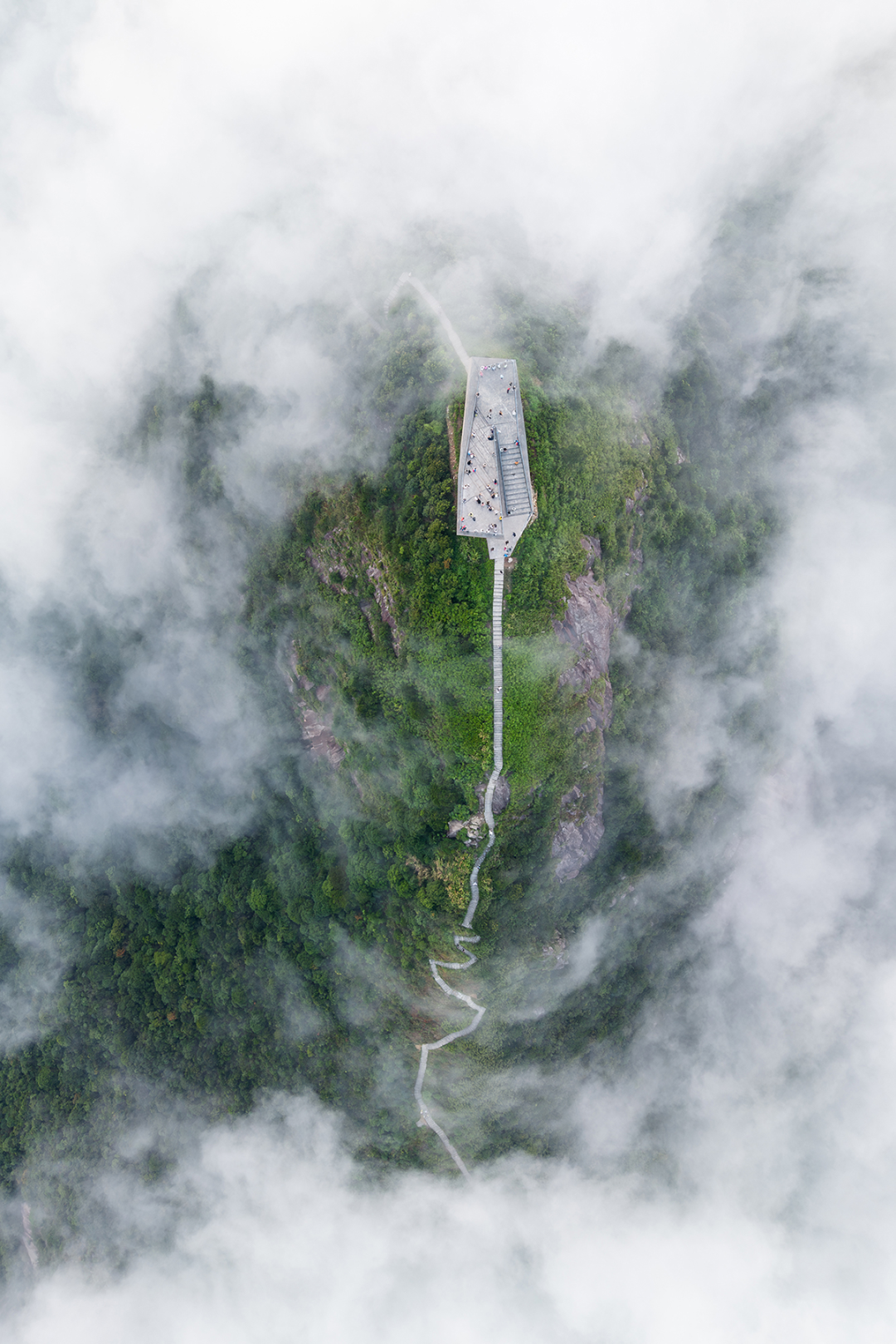
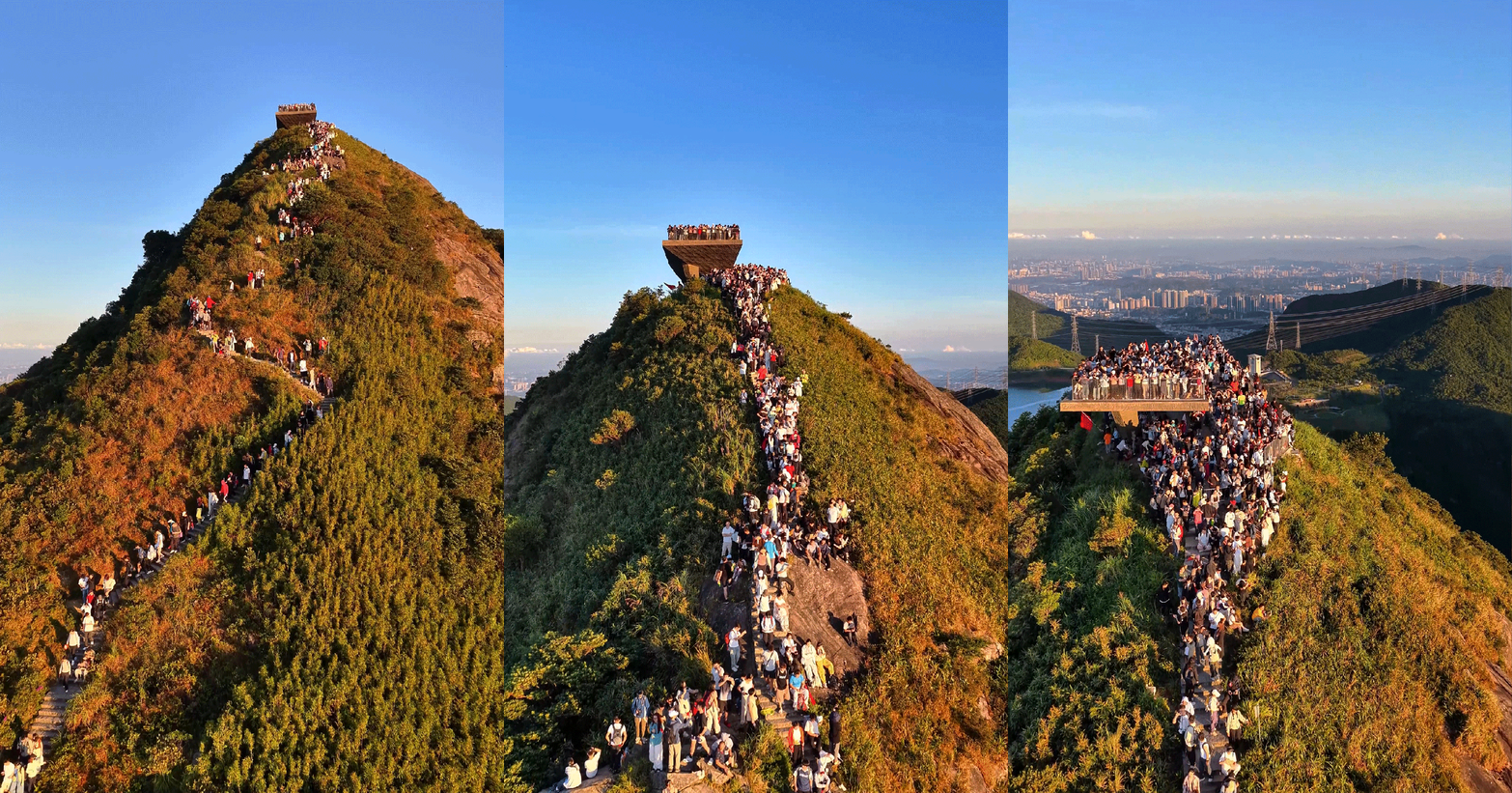
As a node along the mountain loop, the design avoids enclosing forms that would interrupt circulation. Instead, a Z-shaped ramp connects with the existing stone steps to create a continuous walking experience. Climbers may pause here to take in the view or naturally transition into the descent. In this way, architecture emerges from the path itself, turning the act of reaching the summit into a spatial experience imbued with ritual.
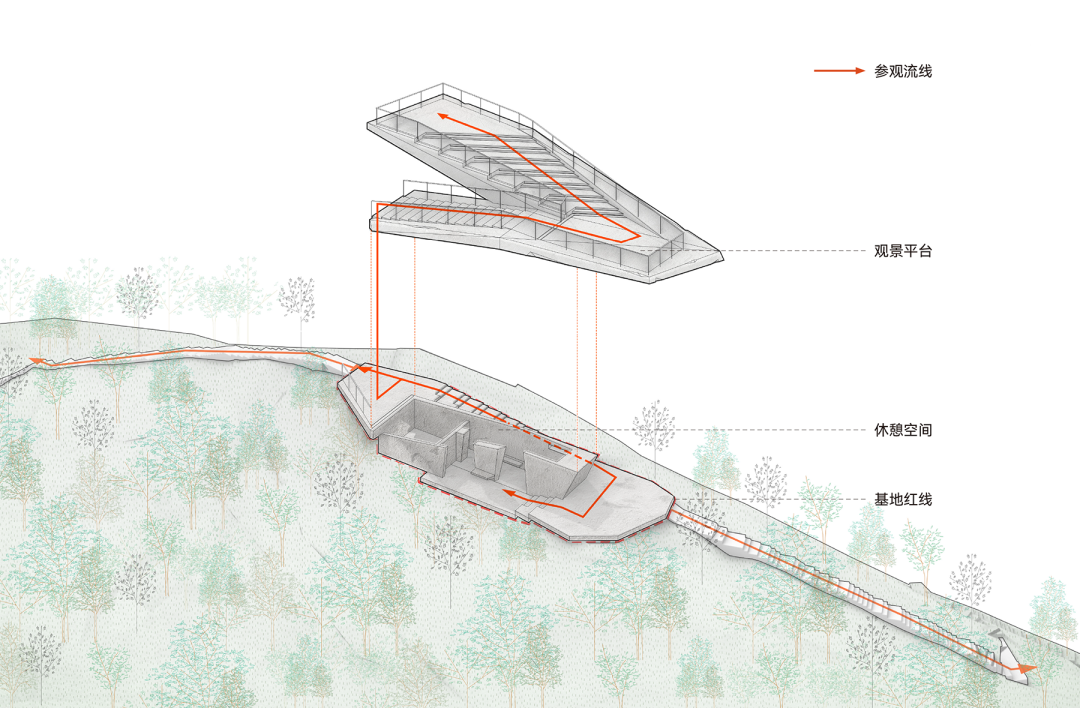
△ Circulation Analysis
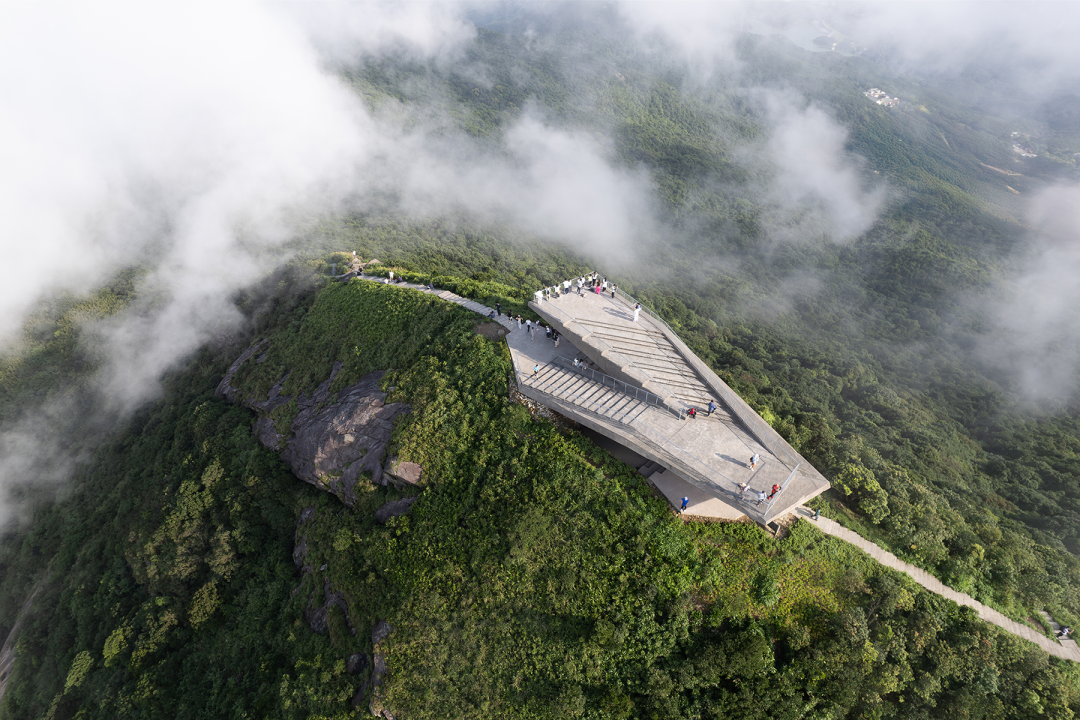
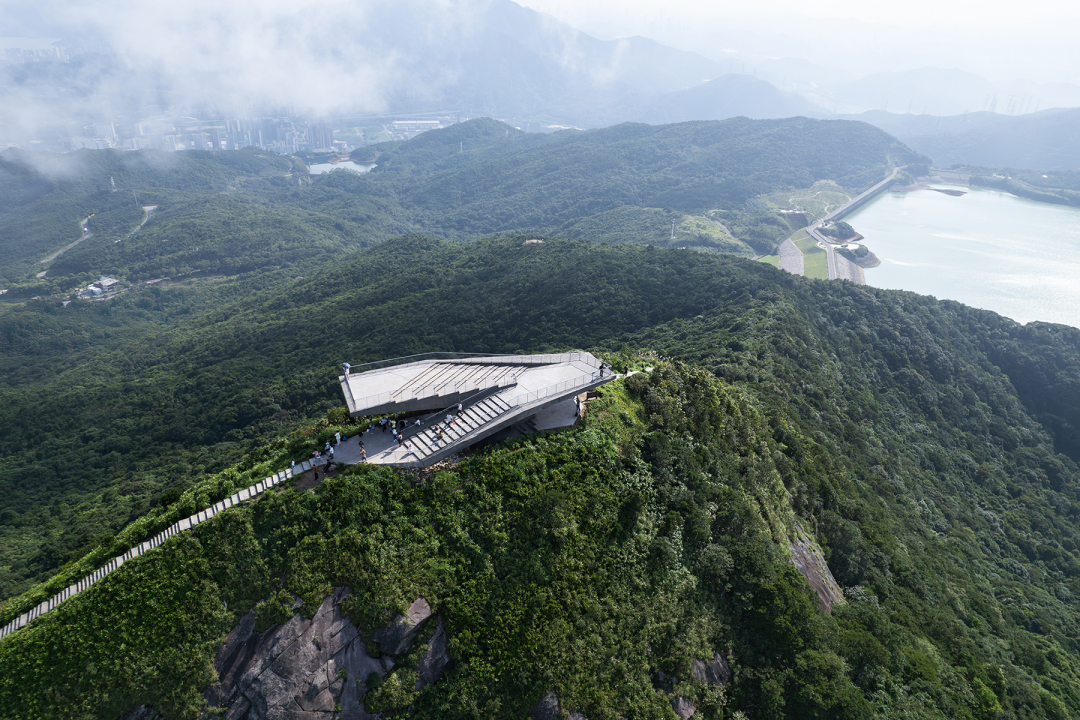
To address the lack of essential services at the mountaintop, we integrated functional spaces into the viewing platform.

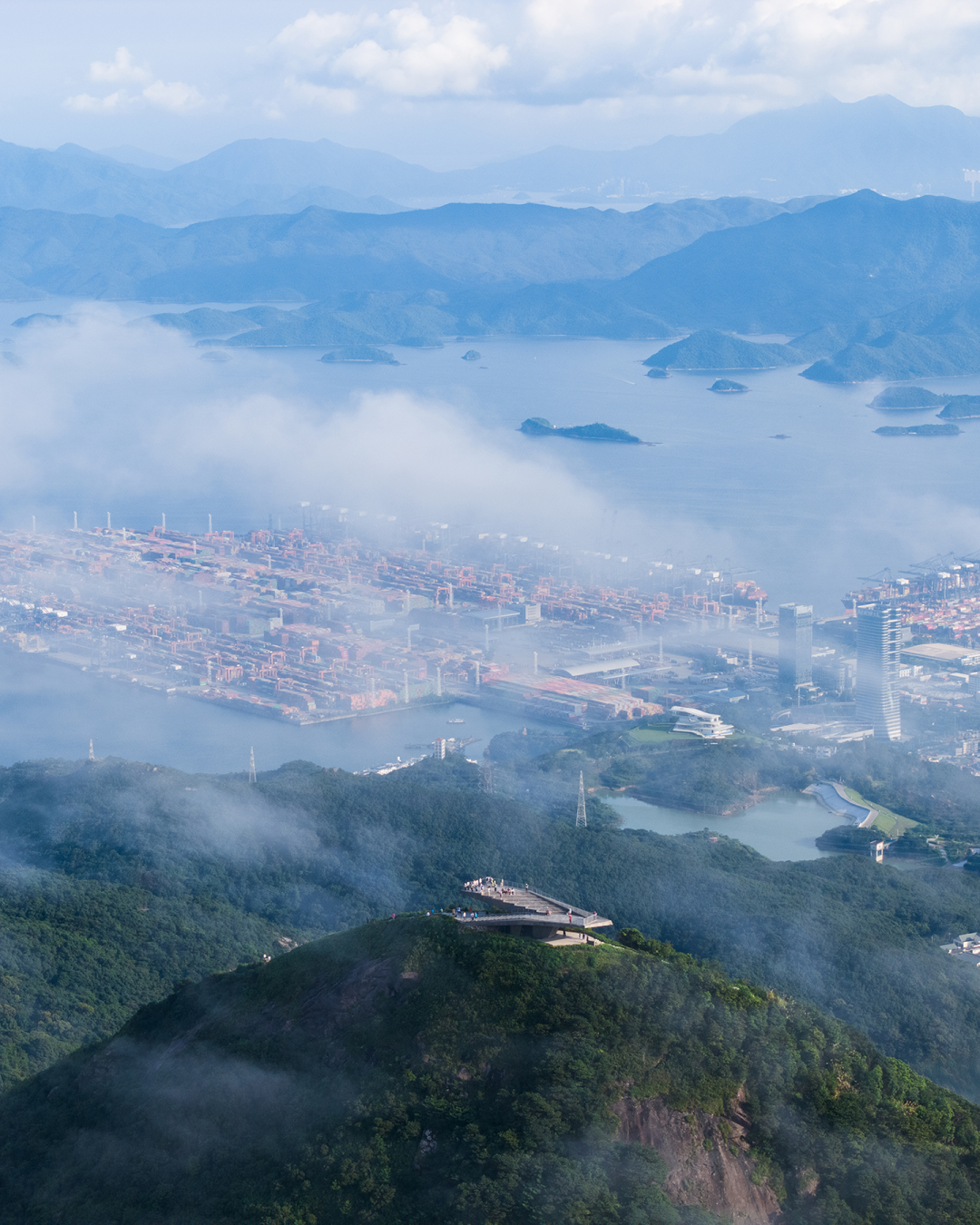
The upper stone platform extends toward the horizon, offering a 360-degree panoramic view, while the service spaces embedded in the lower mountain provide rest and shelter. Through this "light intervention," the design preserves the original ridgeline, transforming artificial elements into a continuation of the landscape through changes in path direction and elevation.
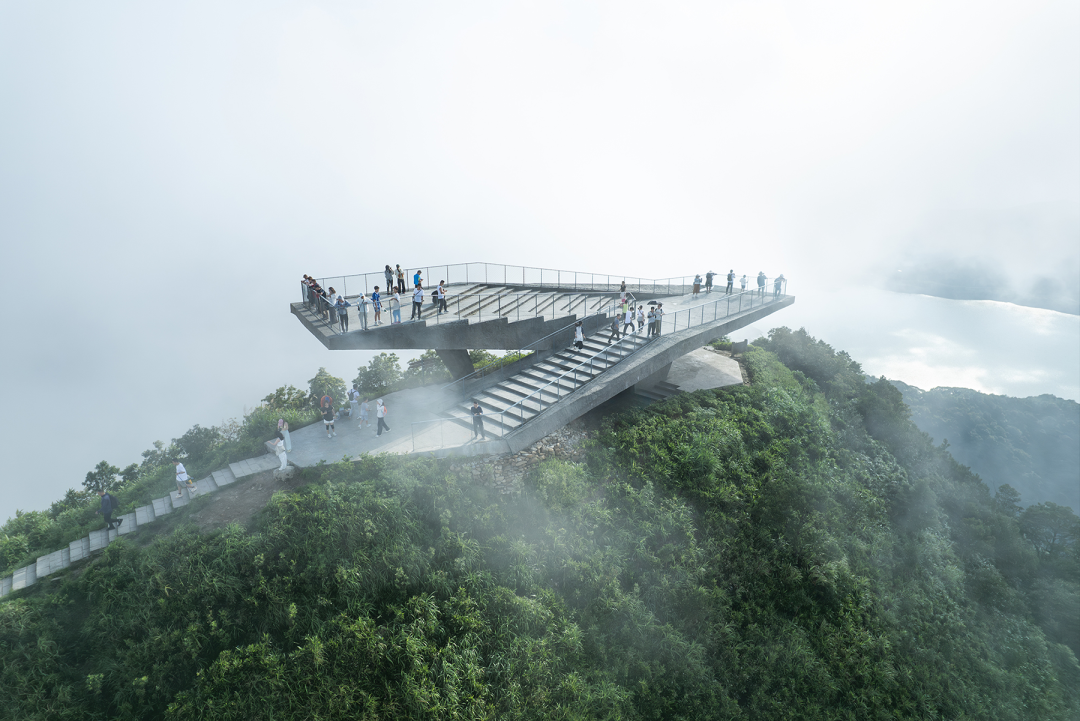

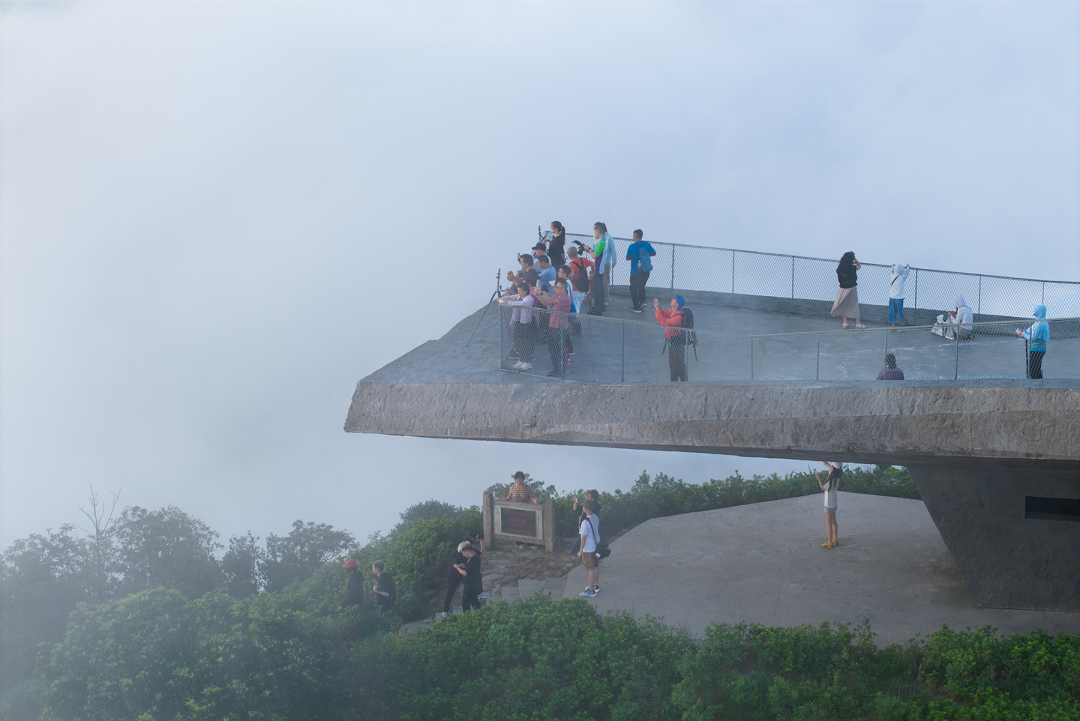
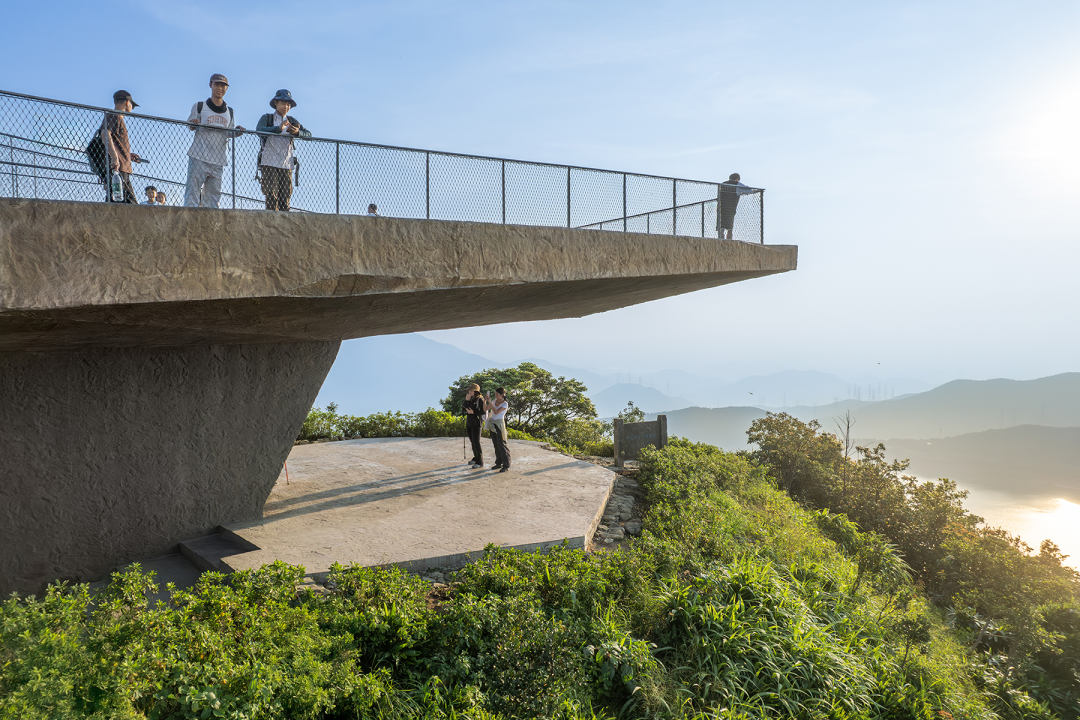

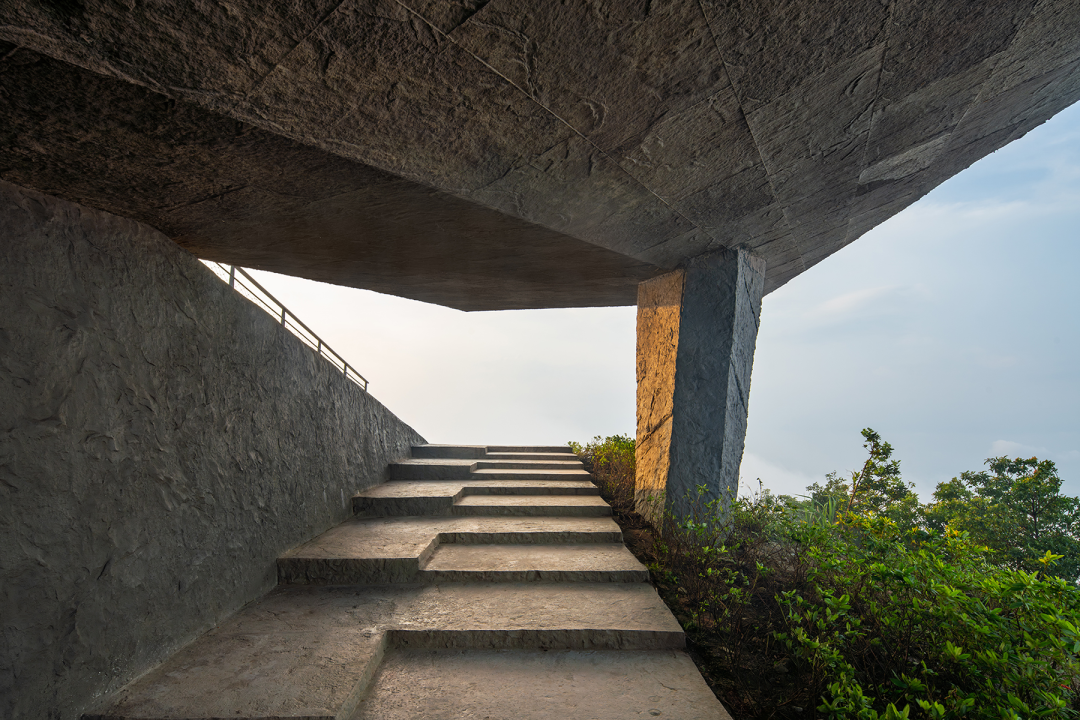
Meishajian became has been hailed as one of Shenzhen’s “three-most” projects—its highest mountain-top construction site, its smallest summit working platform, and its most logistically demanding challenge, requiring mules, drones, cableways, tractors, and manual relay. To meet these extremes, our construction strategy revolved around three key imperatives:

1. UHPC Process Optimization:
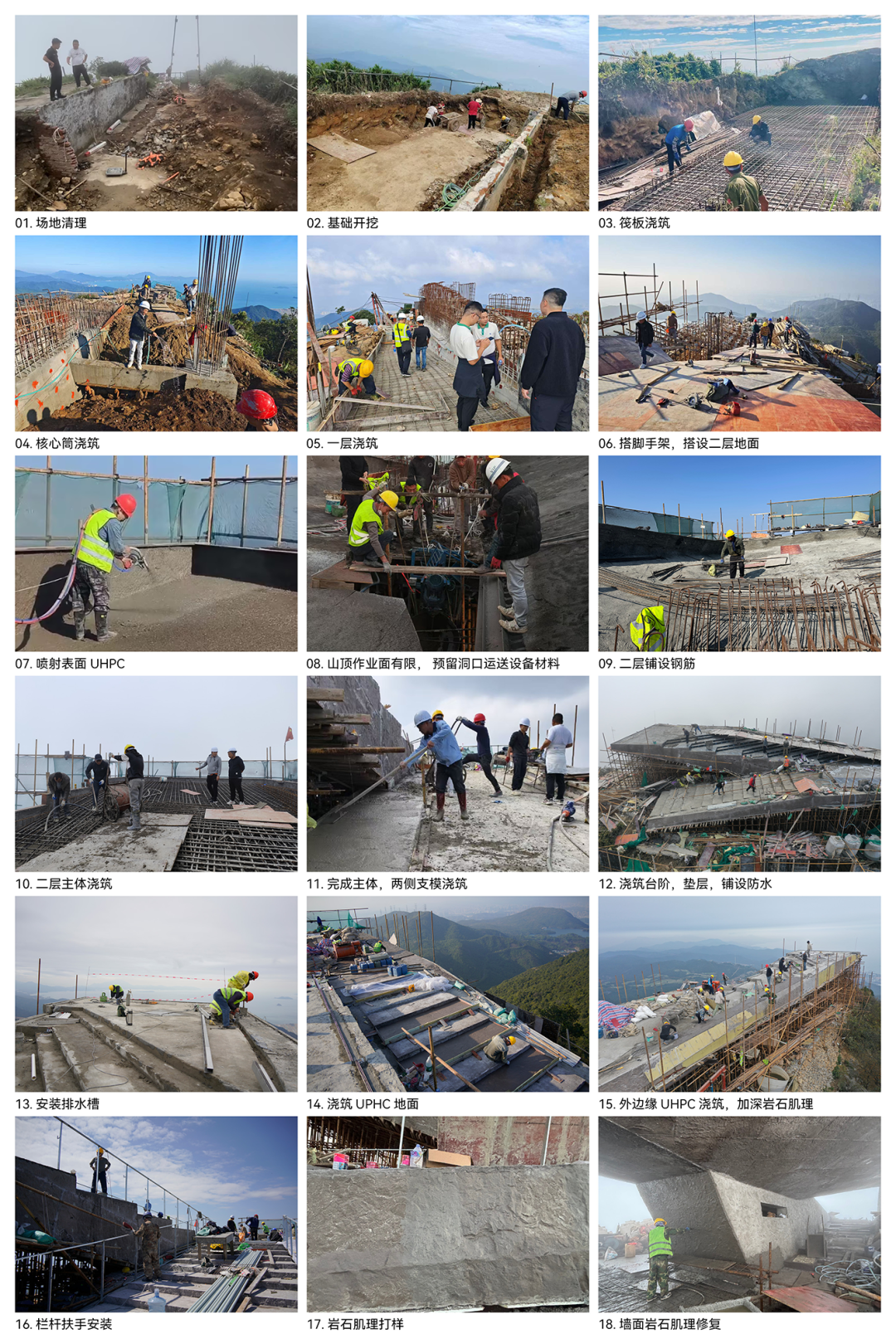
The structure used a UHPC system combining prefabricated molds with In-situ casting to balance material performance and extreme transport constraints. Multiple stone-textured molds were fabricated in the factory, transported as complete sets to the summit, and randomly assembled over conventional timber formwork. A compact mixing station was established on-site for immediate UHPC thin-layer casting, ensuring both surface quality and fine detailing. For the main body, concrete was mixed at the mountain base with retarder additives, then relayed uphill for secondary pouring. This process secured continuous casting and structural stability, while fully leveraging UHPC’s material properties to meet the limits of high-altitude construction.
2.Innovative logistics:
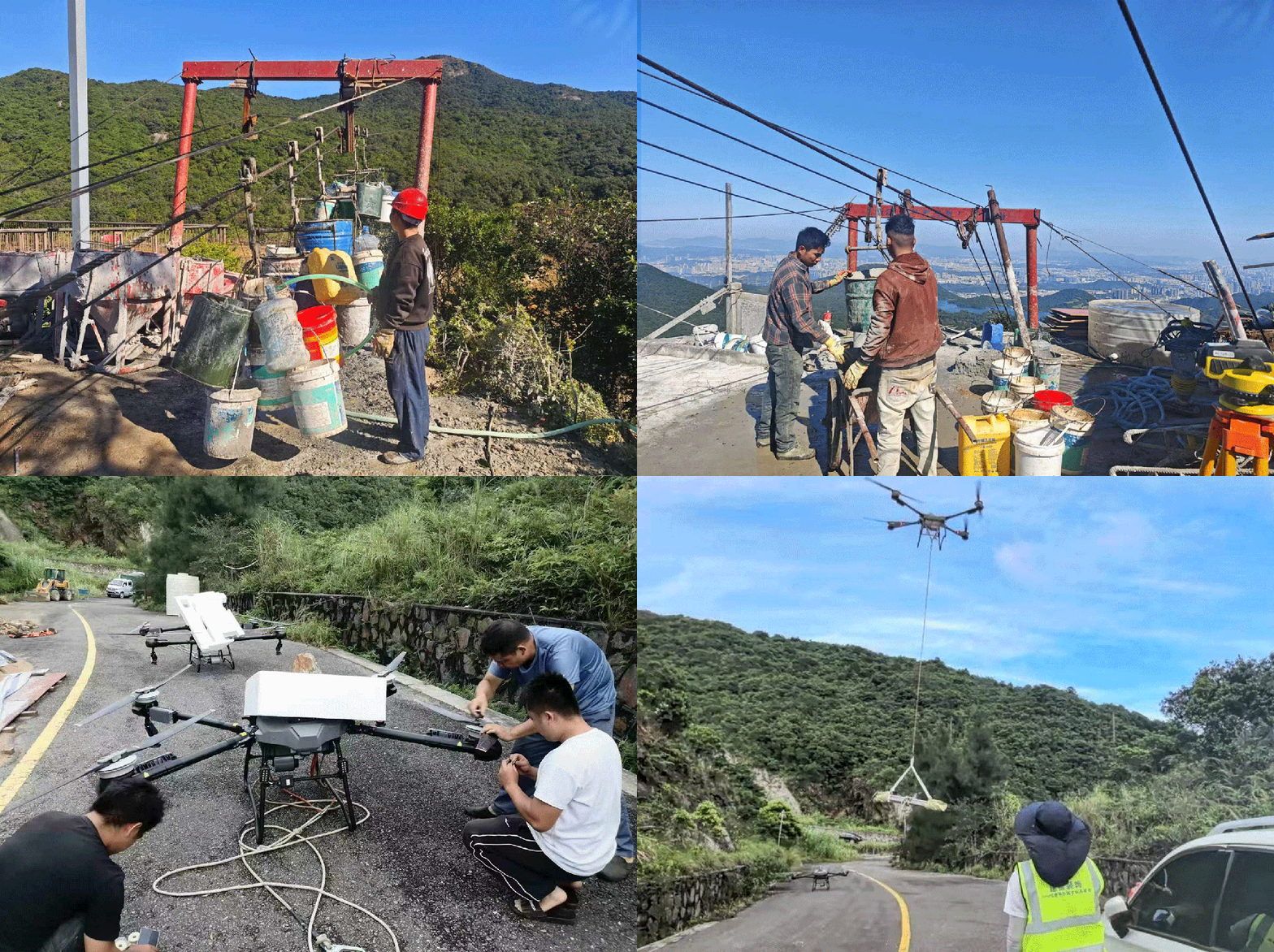
Material transport went through multiple iterations. Initially, pack animals were used, but steep terrain and load limits constrained efficiency. The team then tested agricultural drones for lifting precision molds and small equipment, but limited payload and weather vulnerability proved challenging. Ultimately, a cableway was implemented as the main transport method, moving roughly 30 m³ of material per day—about 15 times more efficient than manual carriage.
3.Minimal intervention construction:
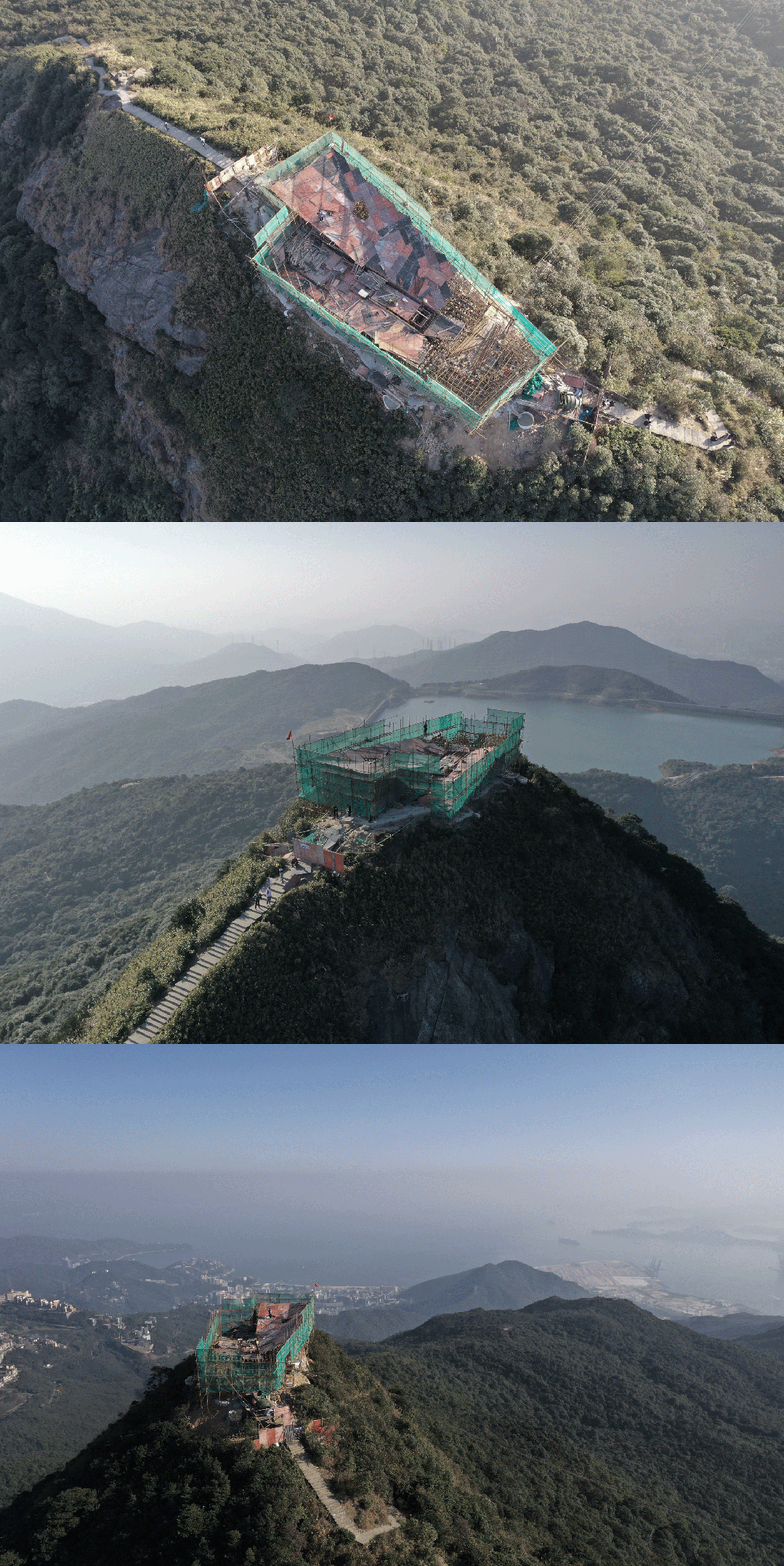
Temporary works were limited and fully decommissioned on completion; only the cableway anchor points remain as faint traces of the construction history.
4.On-site presence
A field architect was stationed on the summit throughout critical phases to address tolerances in real time and ensure the design was fully realize
As a node in Shenzhen’s suburban recreational network, the Meishajian Viewing Platform frames a paired narrative with the mid-slope Forest Service Station: where the latter responds to cloud and mist with lightness and suspension, the summit answers with stone-like gravity.
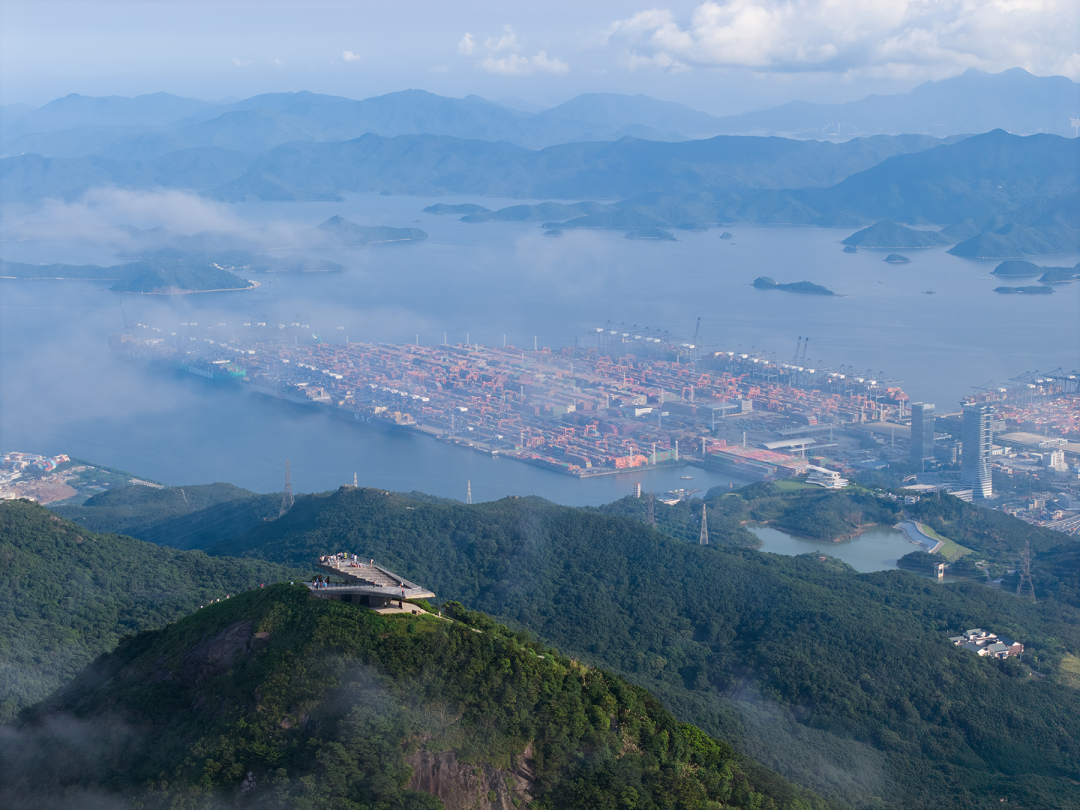
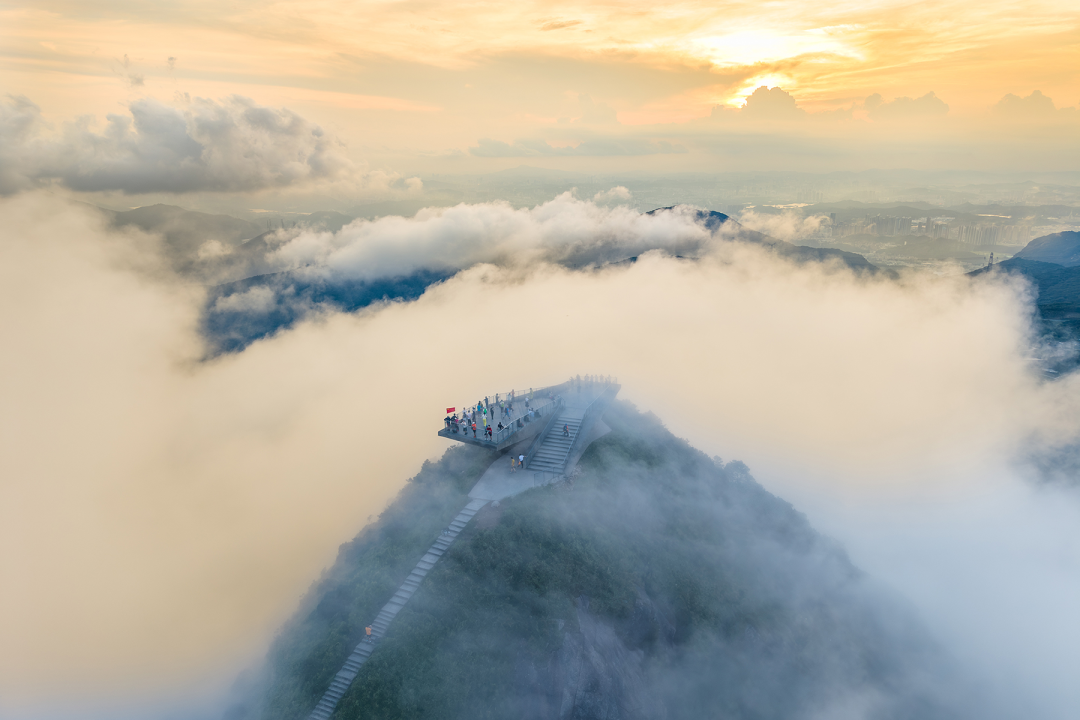
Both interventions pursue the same core idea — minimal, respectful repair that allows landscape gestures to remain primary.

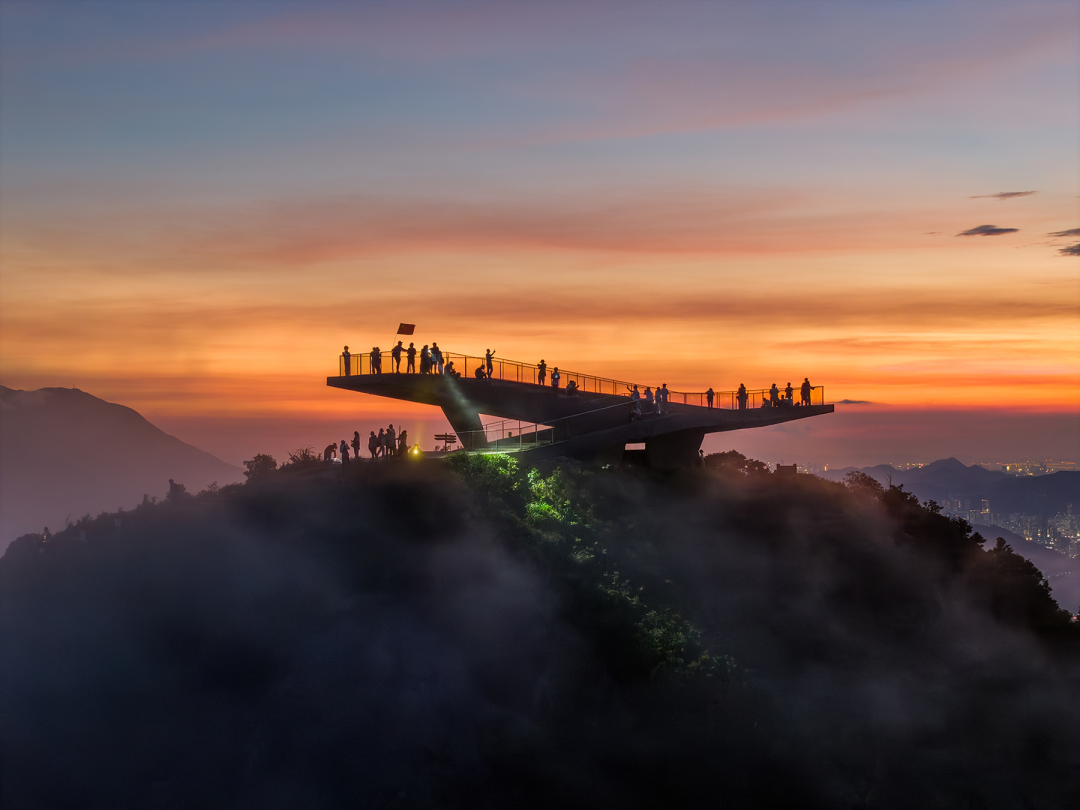
The pavilion is not an isolated structure but an integral part of the ascent, serving as a restorative experiment in the spirit of the place. Over time, the concrete “boulders” will be softened by moss and merge seamlessly with the mountain, and the architect’s ambition quietly recedes. What remains is the climber’s timeless moment at the summit — standing against the wind, taking in the panoramic view, fully immersed in the dialogue between body and landscape.
- DRAWINGS -
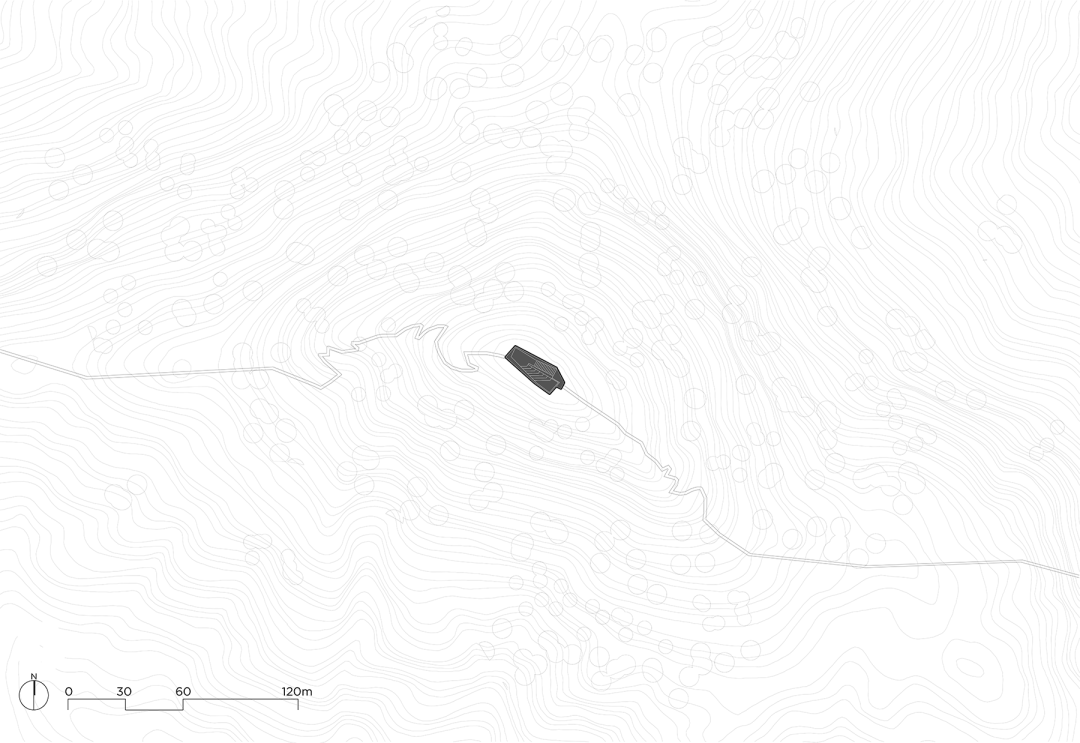
△ Site Plan
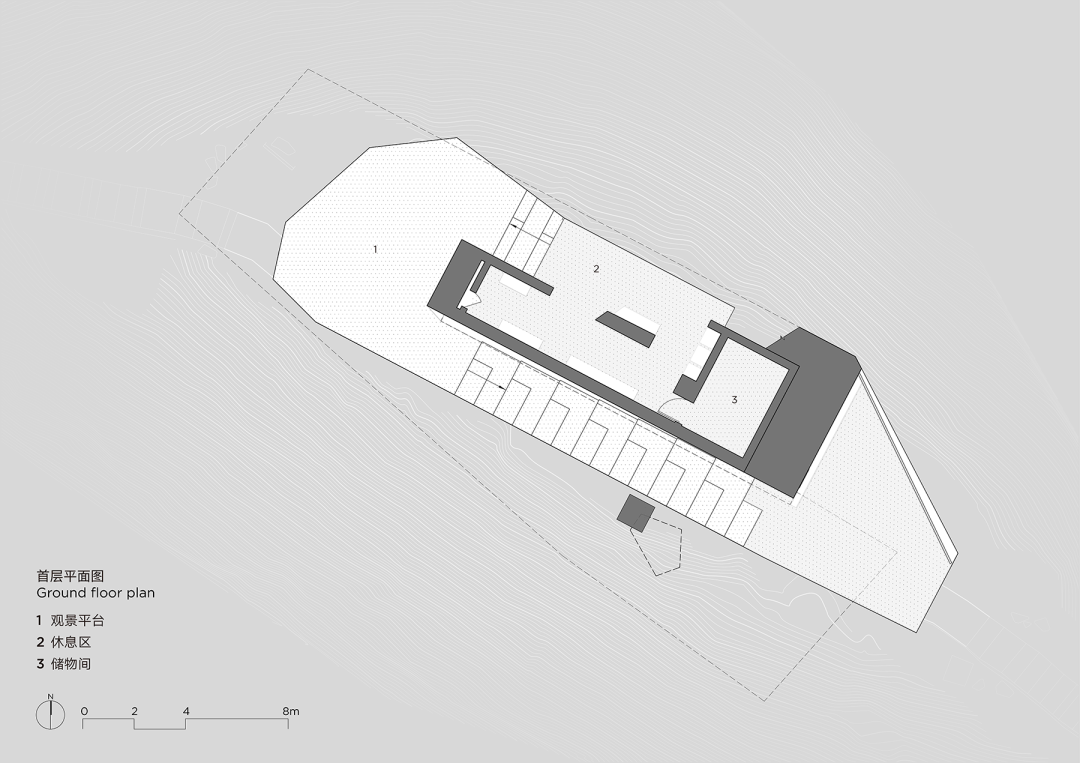
△ Ground Floor Plan
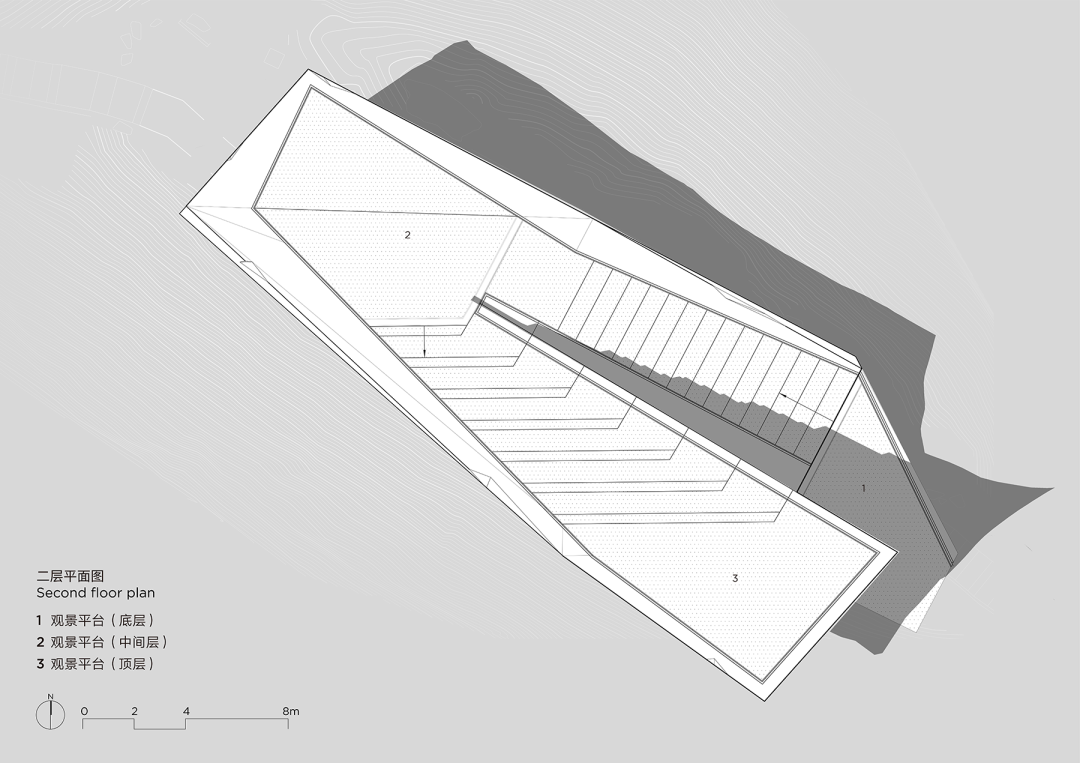
△ Second Floor Plan
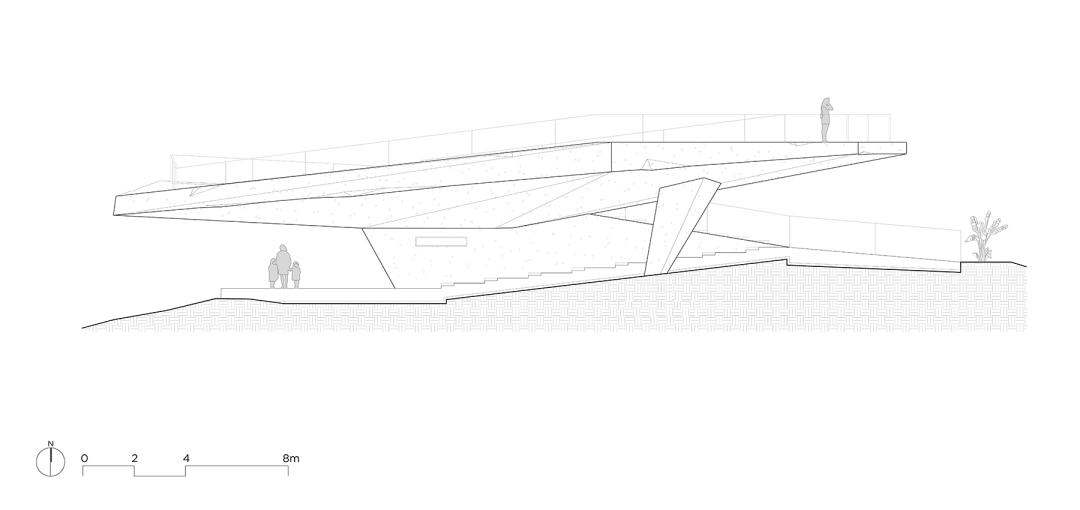
△ Elevations
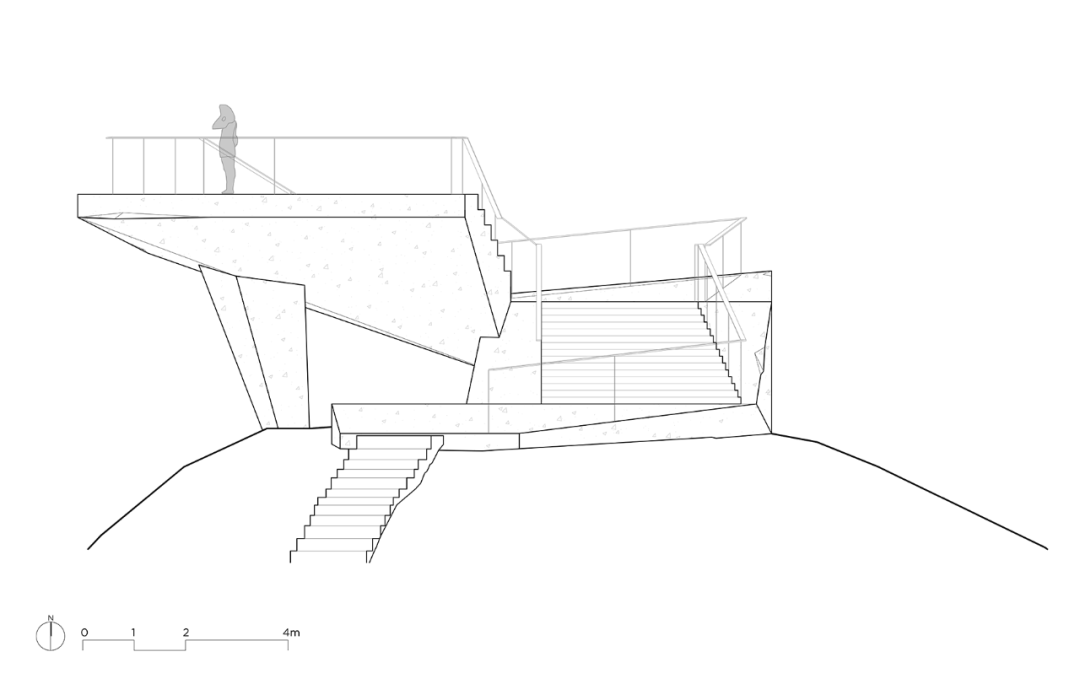
△ Elevations