


At the final landmark parcel of Hangzhou Century City, Zhu Peidong — principal of line+ — partners with Poly to reclaim the sensibility of “Hangzhou-ness,” shaping a perceptible spatial language that reframes contemporary dwelling.
“A good home is not only to contain the body — but to resonate with the heart.” — Zhu Peidong
Project Name: Poly Aobo Tianjun
Design Firm: line+ Architectural Design
Chief Architect / Project Leader: Zhu Peidong
Location: Hangzhou Zhejiang, China
Floor Area: 153,400.19 m²
Structure: SRC frame-shear system
Materials: luxury stone, ceramic craftwork, stone, metal cladding
Intention as Soul|Reconstructing Local Cultural Perception
The design traces Hangzhou’s cultural substratum — misted landscapes, the cosmology of Liangzhu jade, and the grace of tea aesthetics — and translates locality into public spatial legibility within a standardized development regime. Dwelling becomes a return of mind and meaning.
Planning as Skeleton|Aligning with Urban Geography
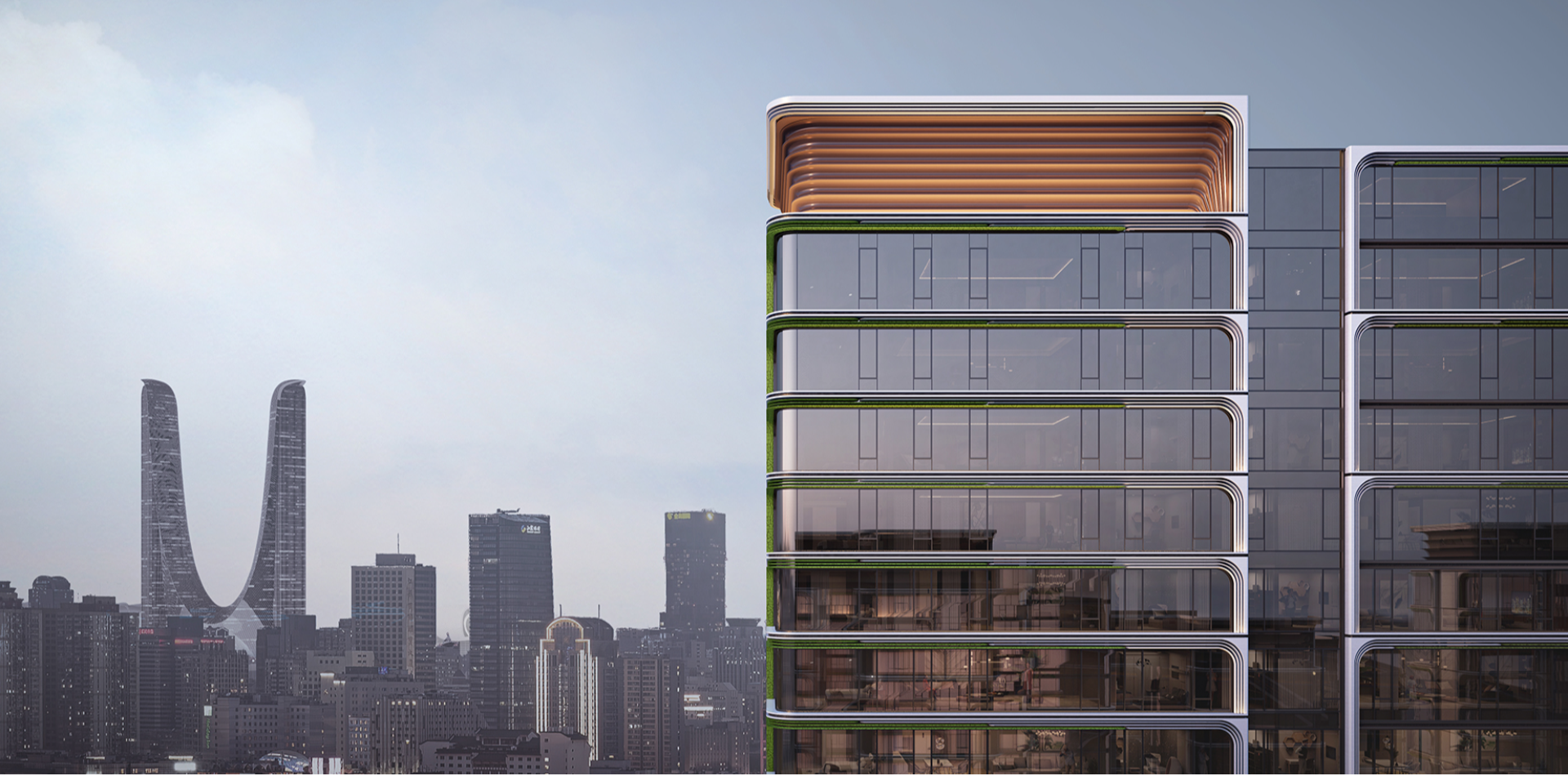
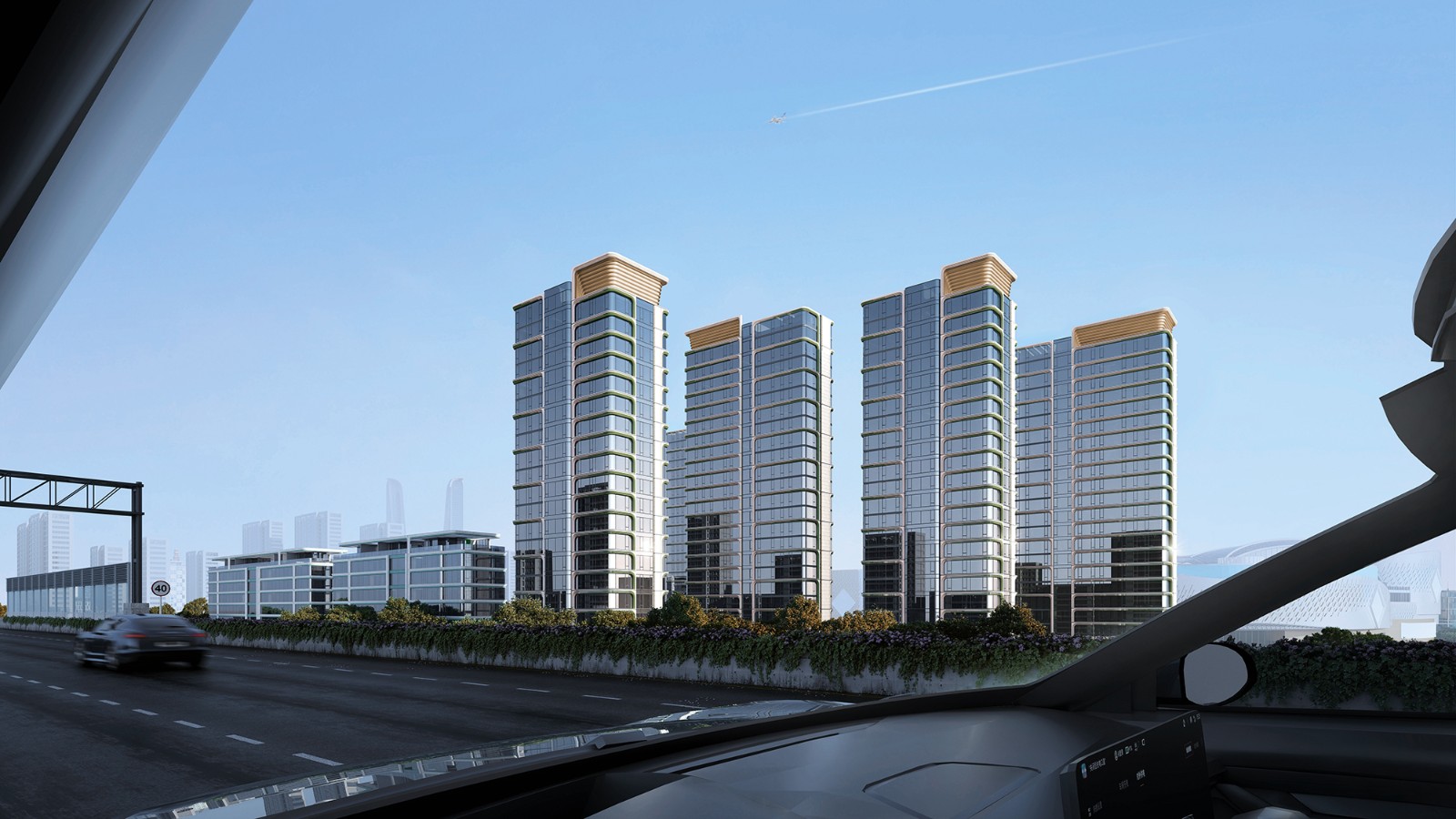
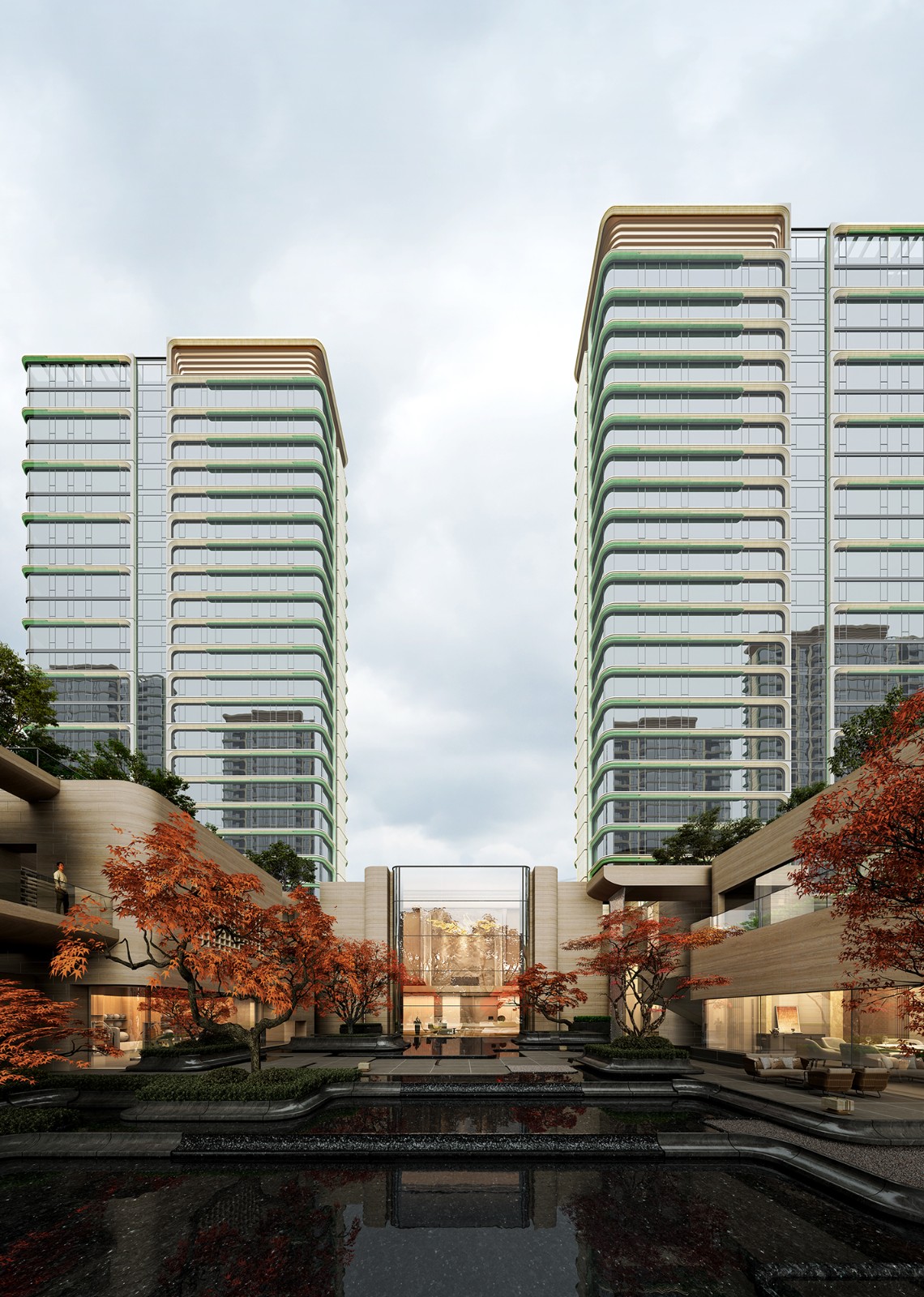
Situated at the pivotal “cross-axis” of the Aobo district, the masterplan links landmarks, green systems, and waterfront spaces. A calibrated east-high / west-low massing aligns with topography and insolation — balancing land value with metropolitan image. The stepped skyline forms a renewed southeastern gateway for Hangzhou.
Community as Body|Orchestrating Three-Dimensional Life
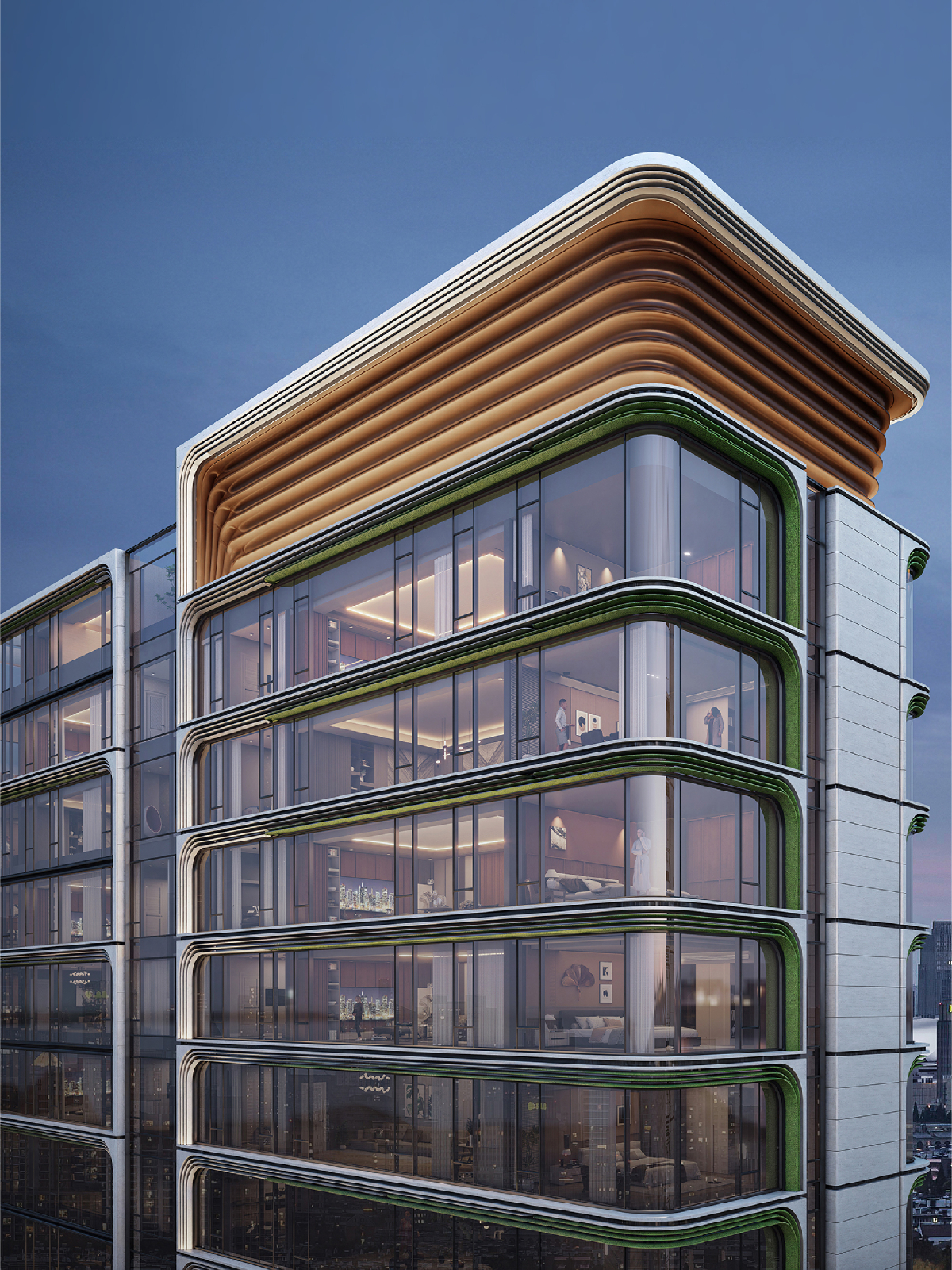
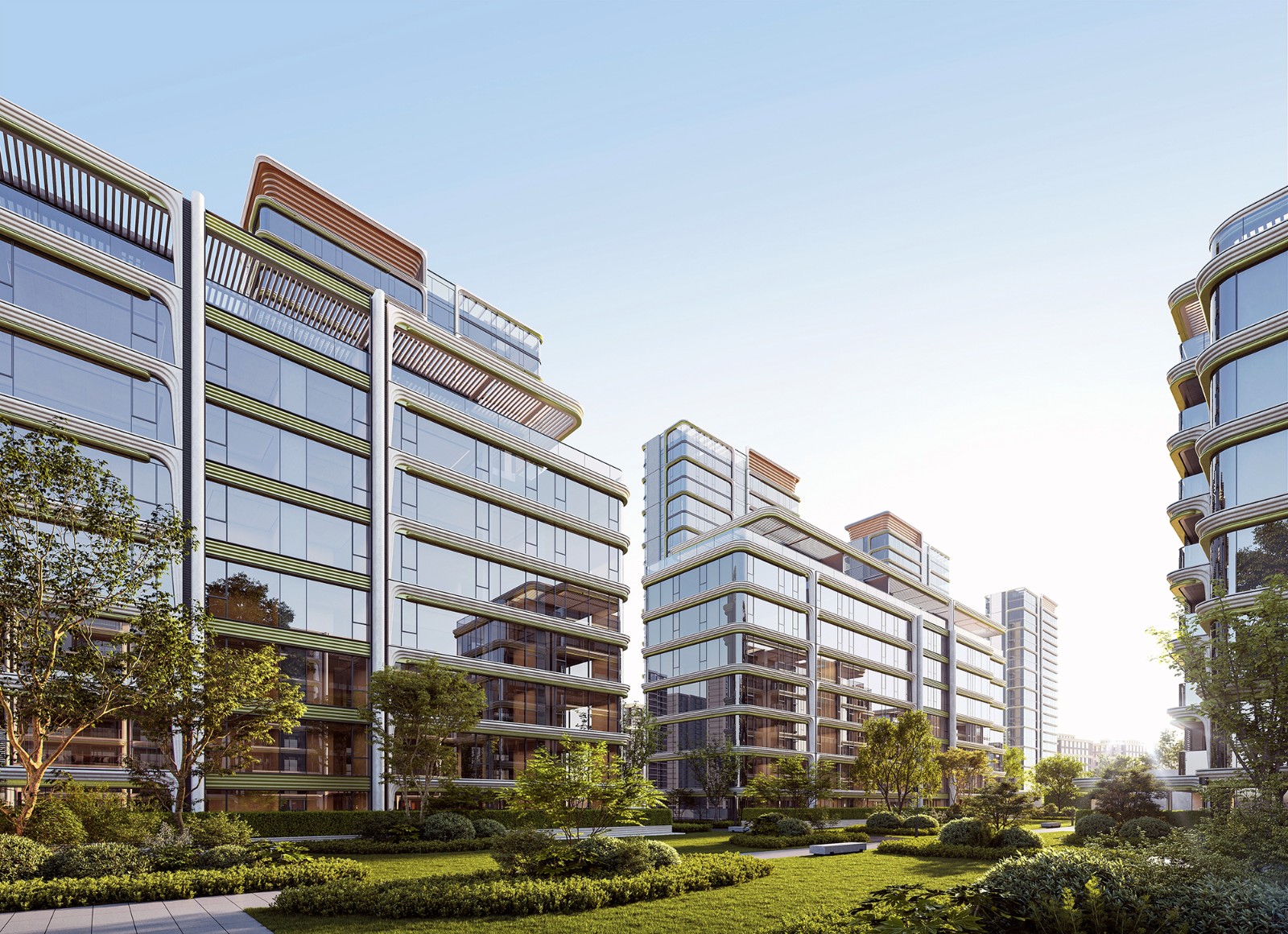
A stratified spatial system organizes gradations of public and private. The high-rise zone — through elevated podiums and “holographic ground” — hybridizes multiple programs. The low-rise zone creates privately gated dwellings of retreat and ceremony. Rooftop gardens across both bands weave nature and domesticity vertically.
Ritual as Rhythm|Encoding Jiangnan Spatial Poetics
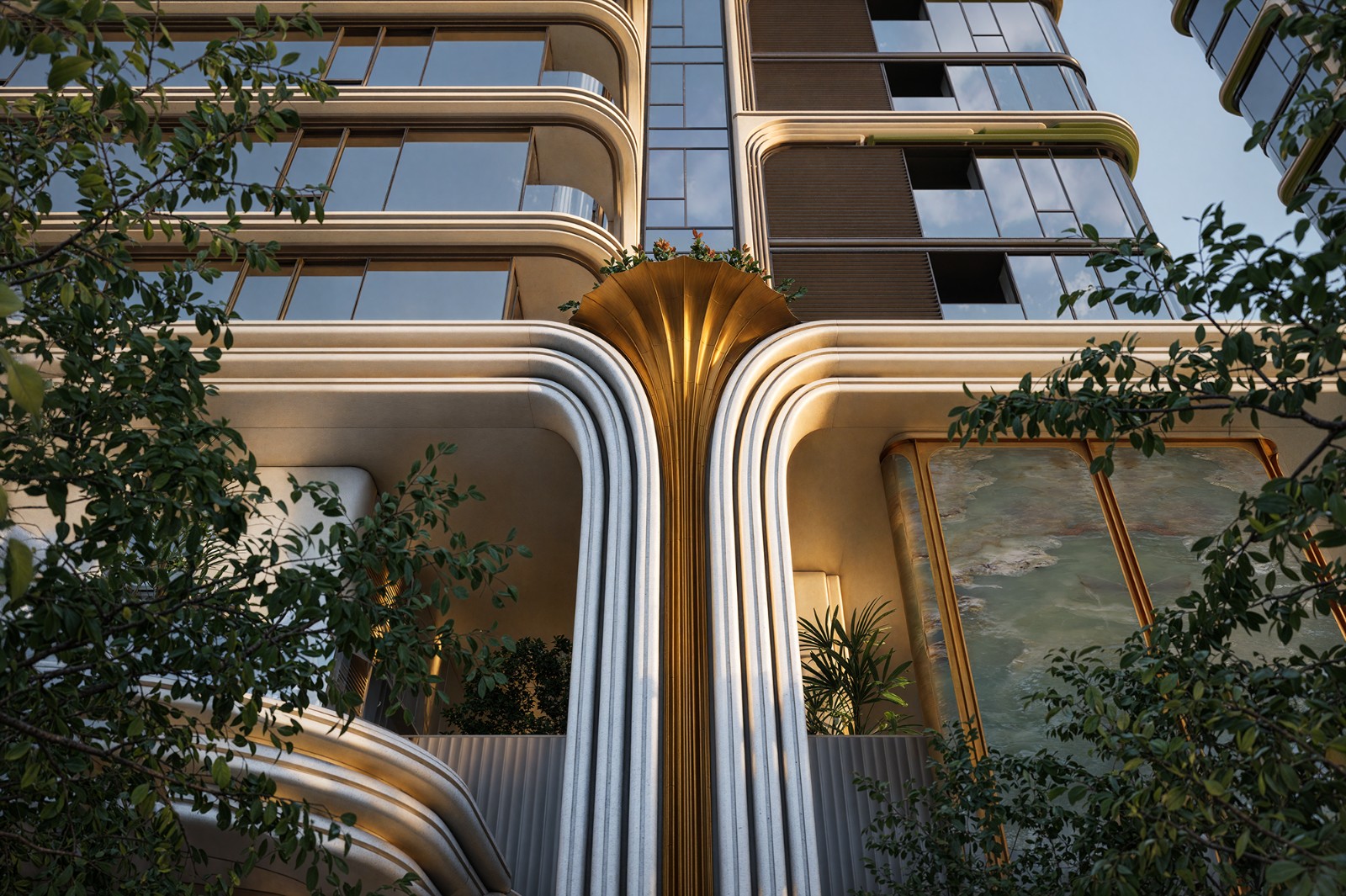
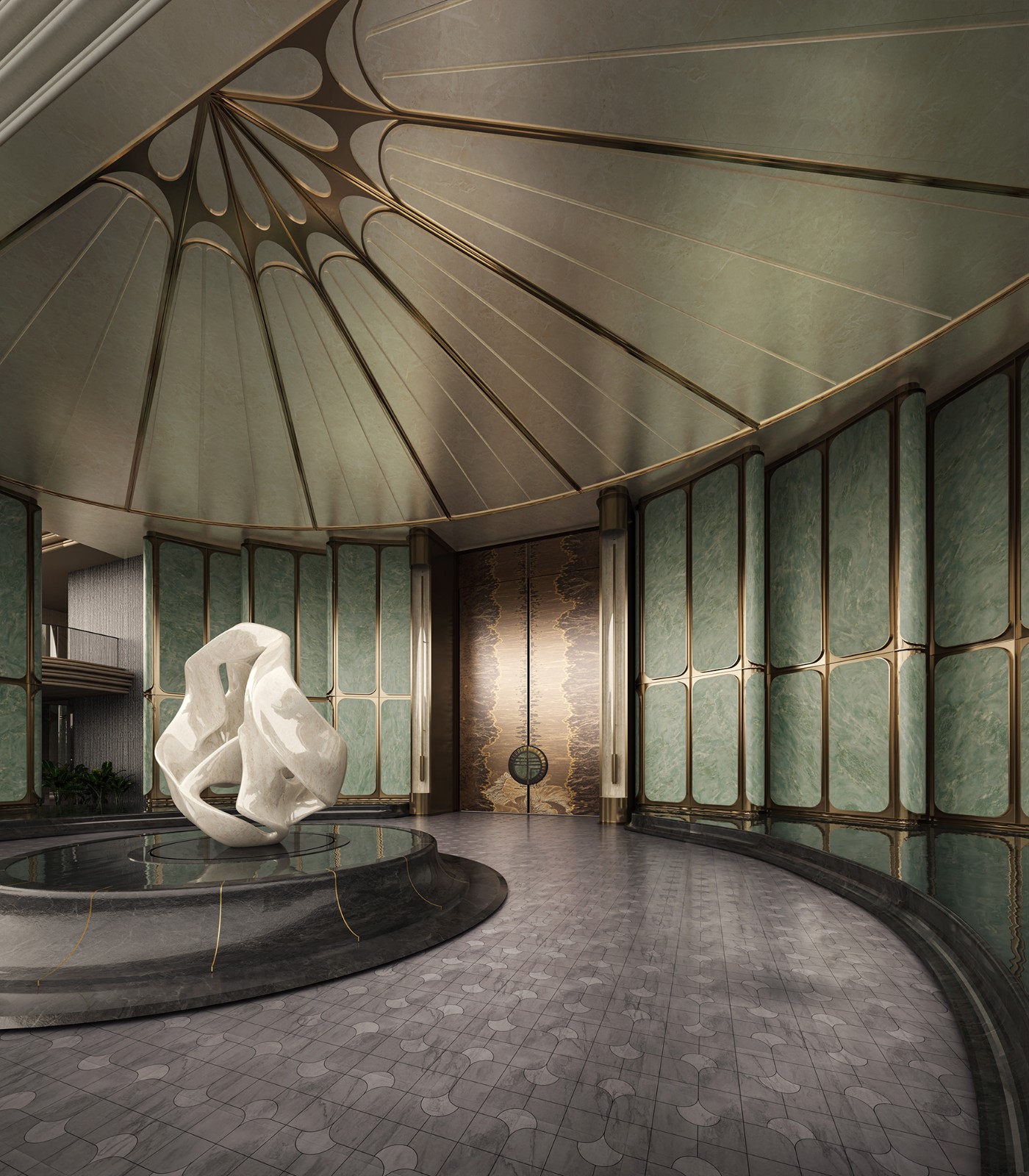
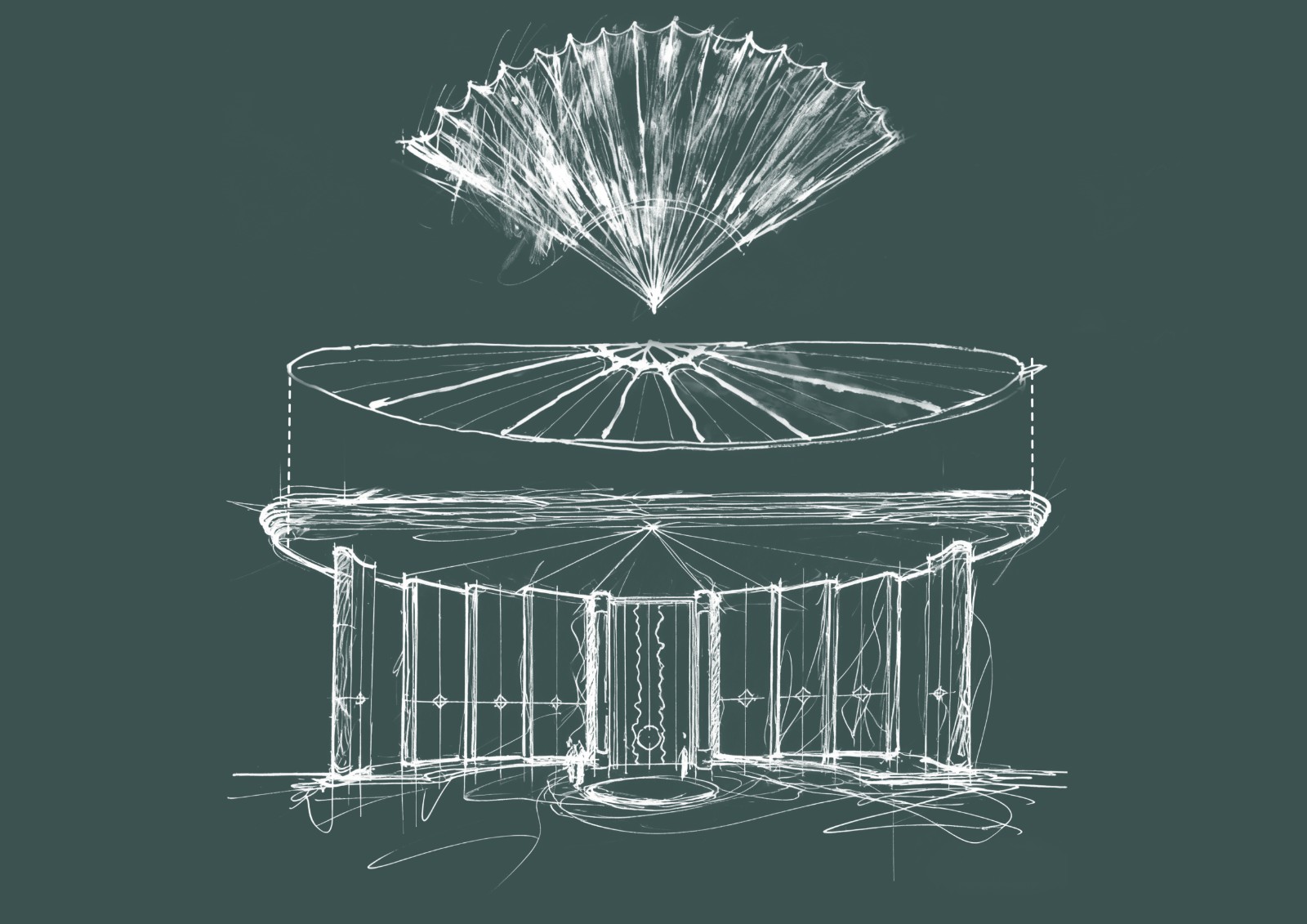
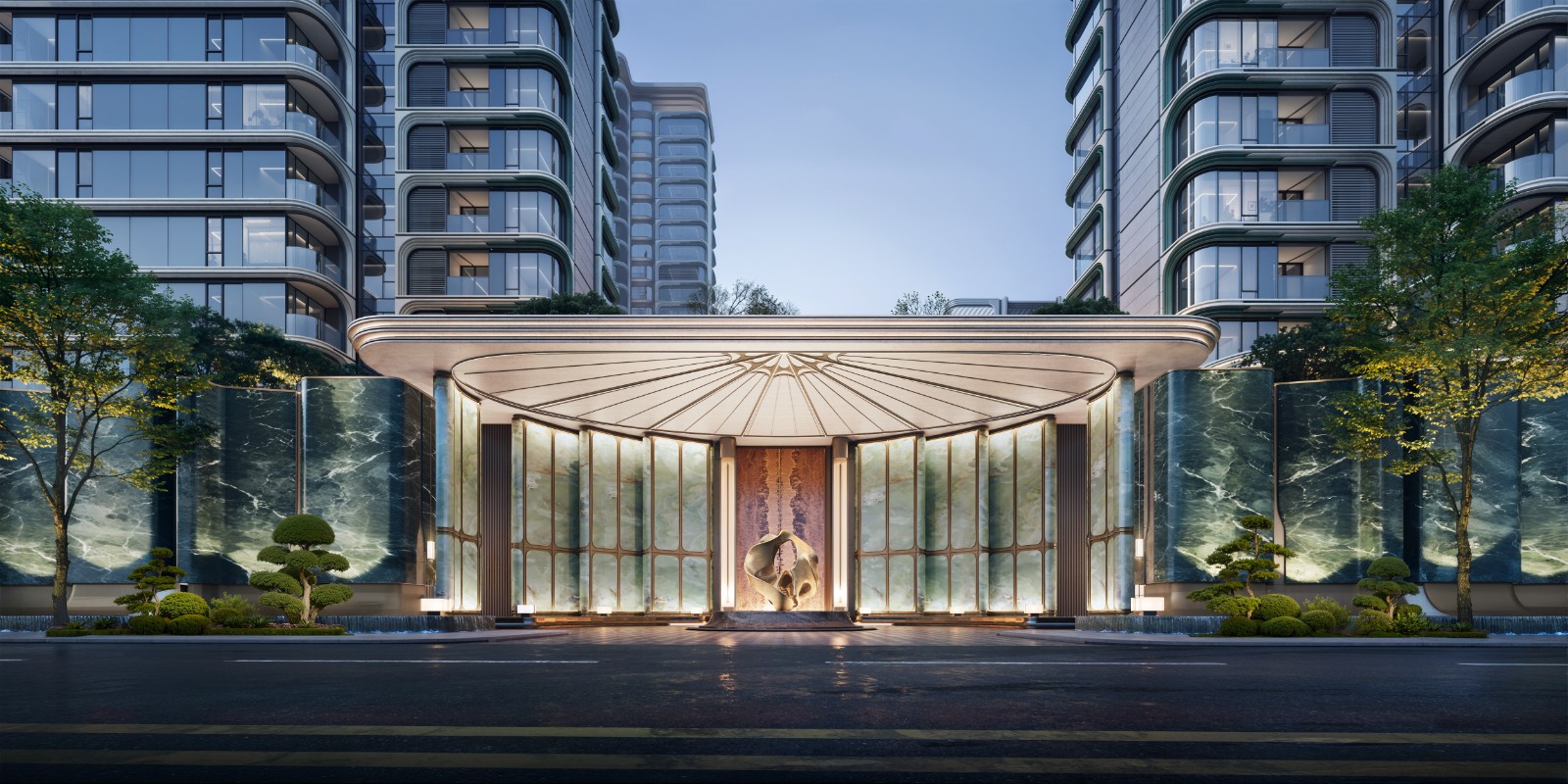
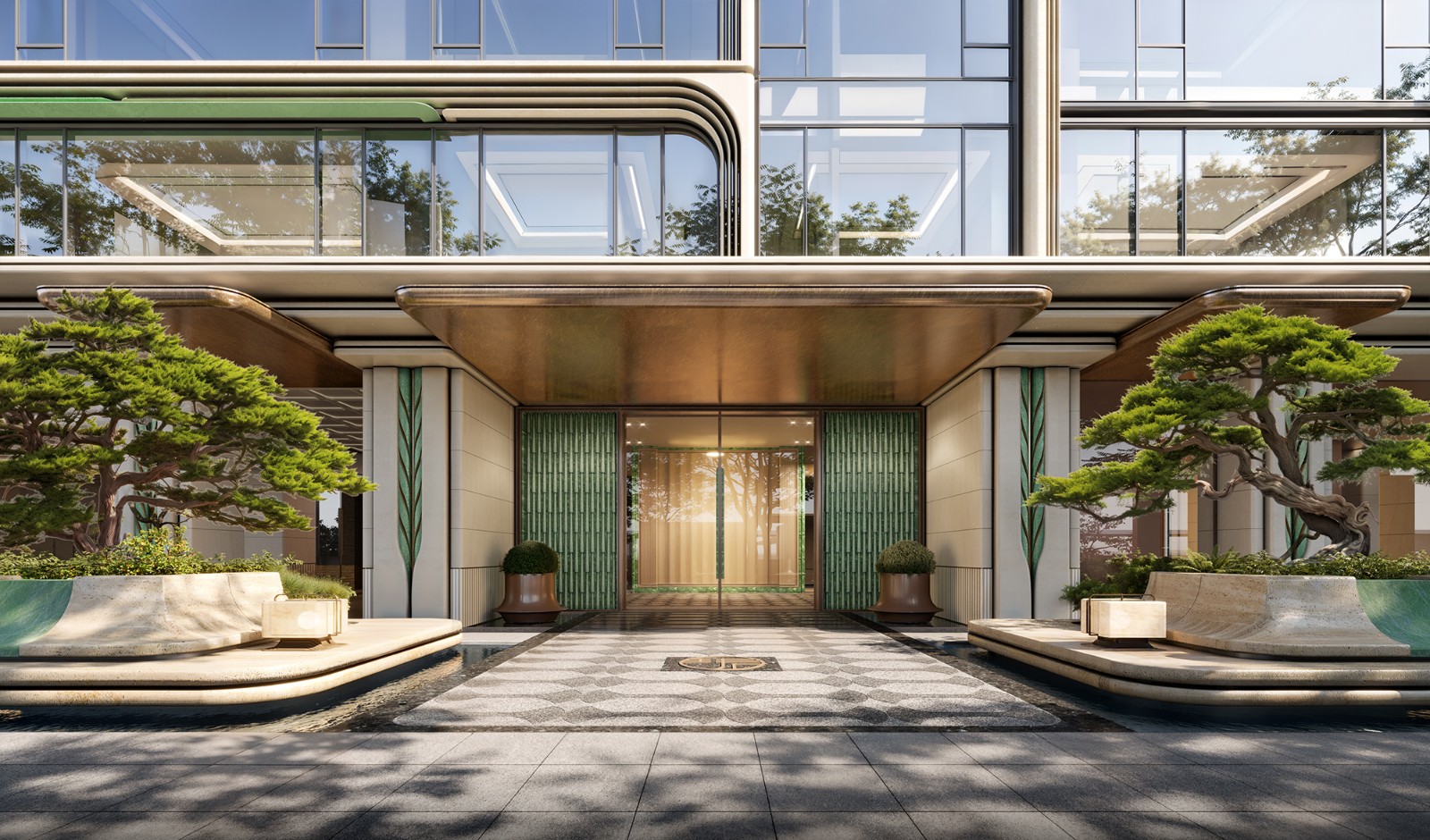
The main entry adopts the archetype of a Jiangnan screen: pale-green jade, softly luminous, condenses the spirit of mountains and water. A refined fan canopy draws wind and water into the court — grounding cosmic intent. Bronze gates abstract the tidal surge of the Qiantang — turning homecoming into a cultural rite.
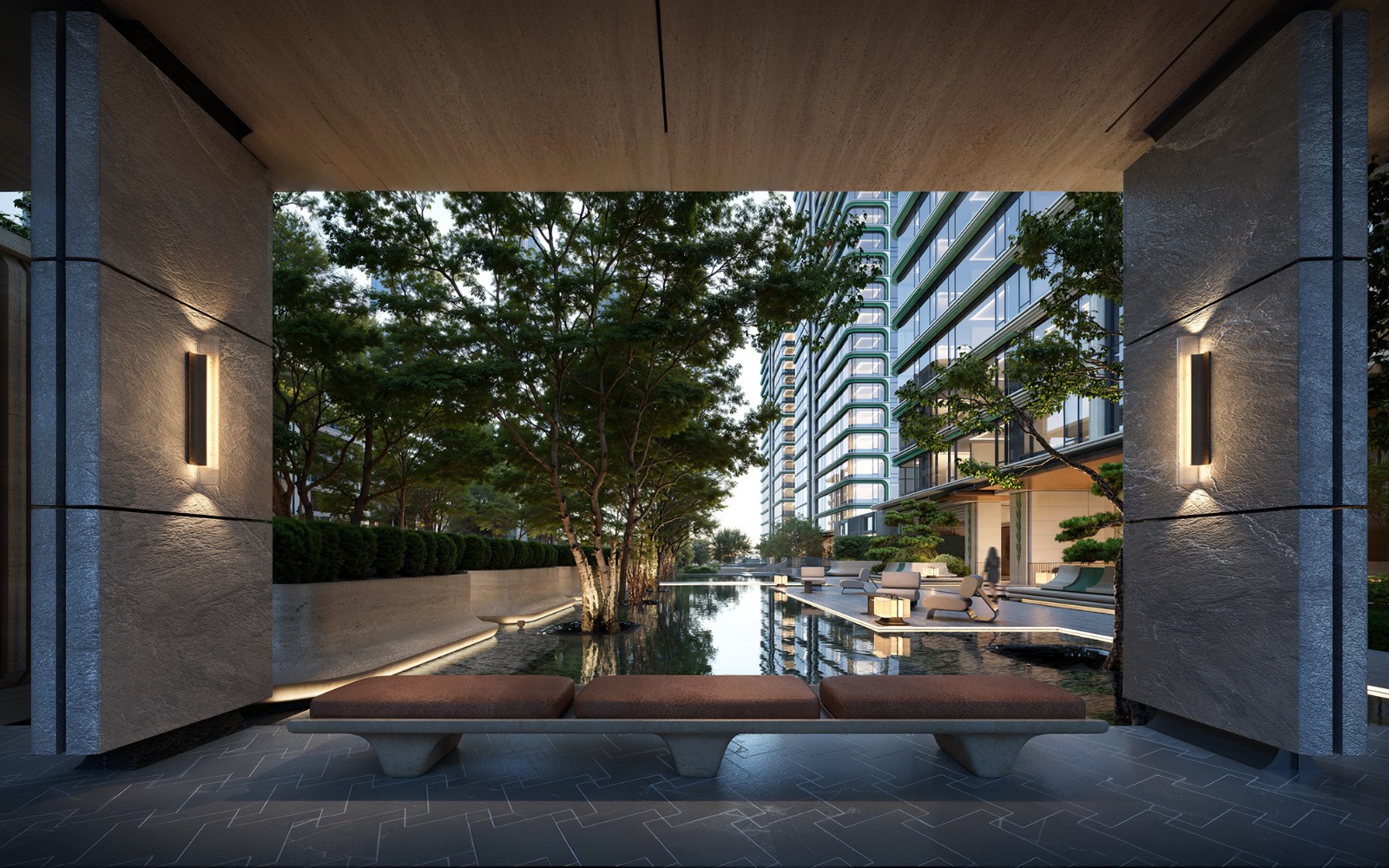
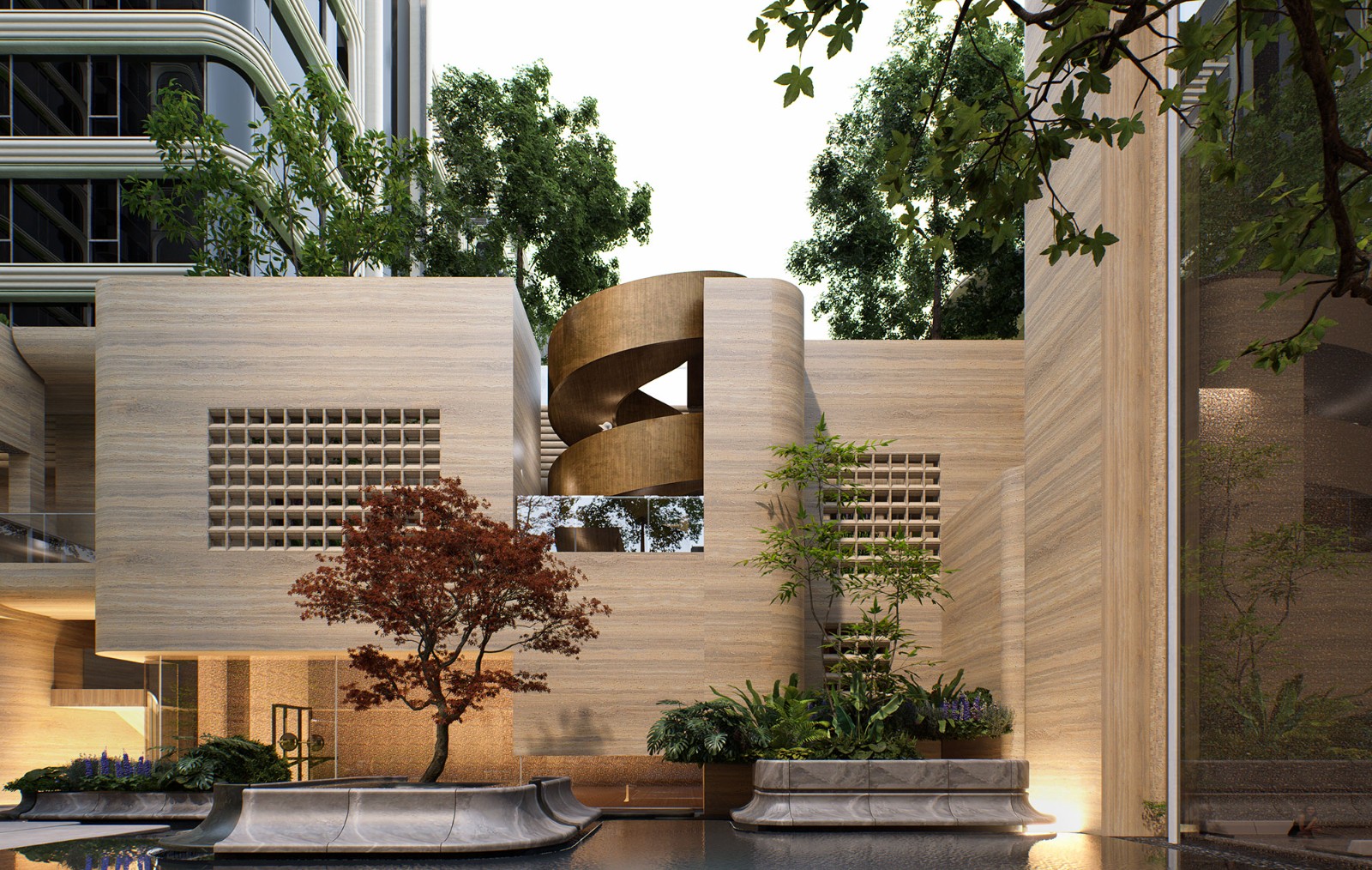
The inner court — “jade emerging from stone” — follows classic Chinese garden syntax to craft immersive, layered scenography.
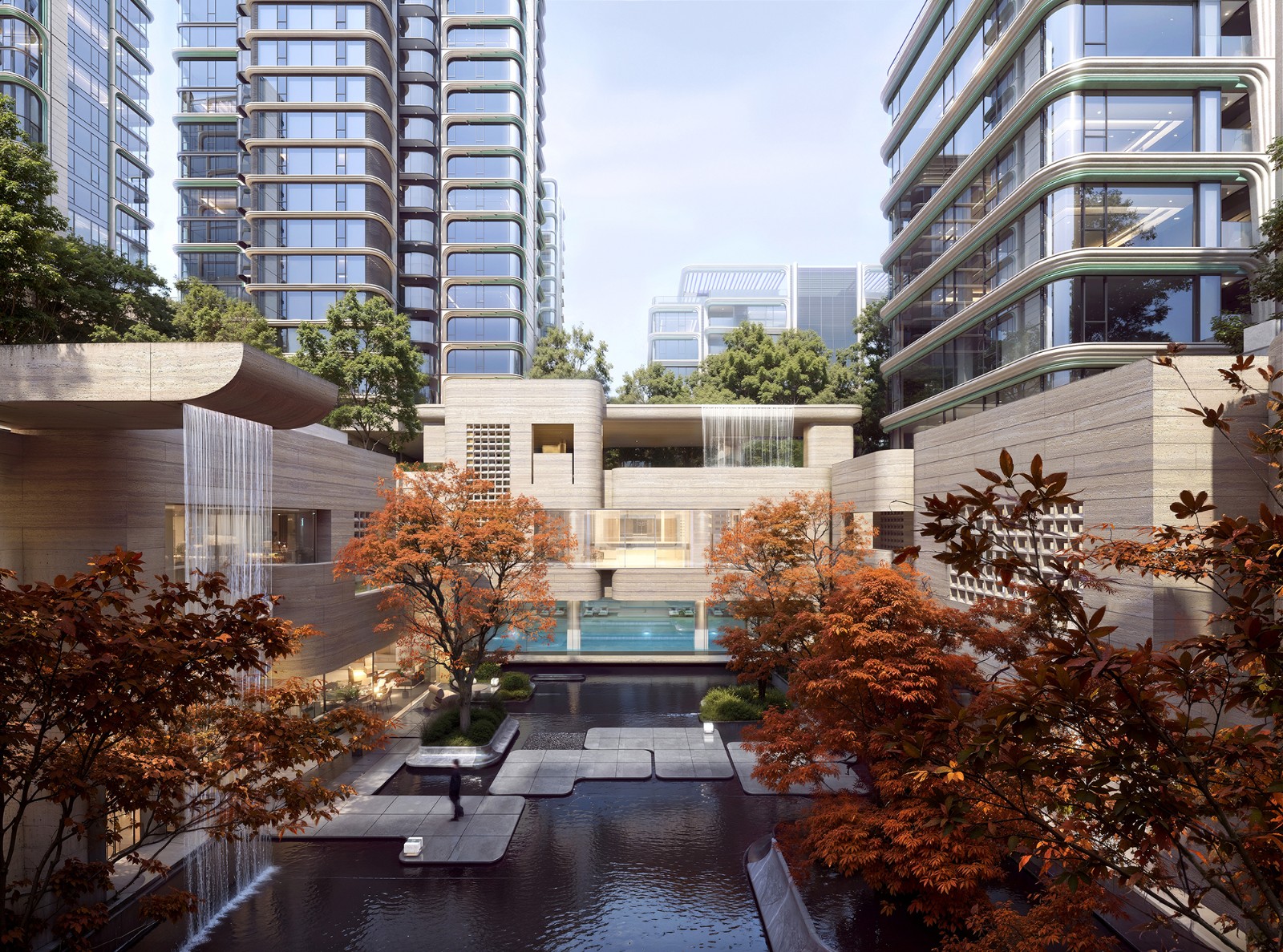
Facade as Poem|Extending Oriental Craft
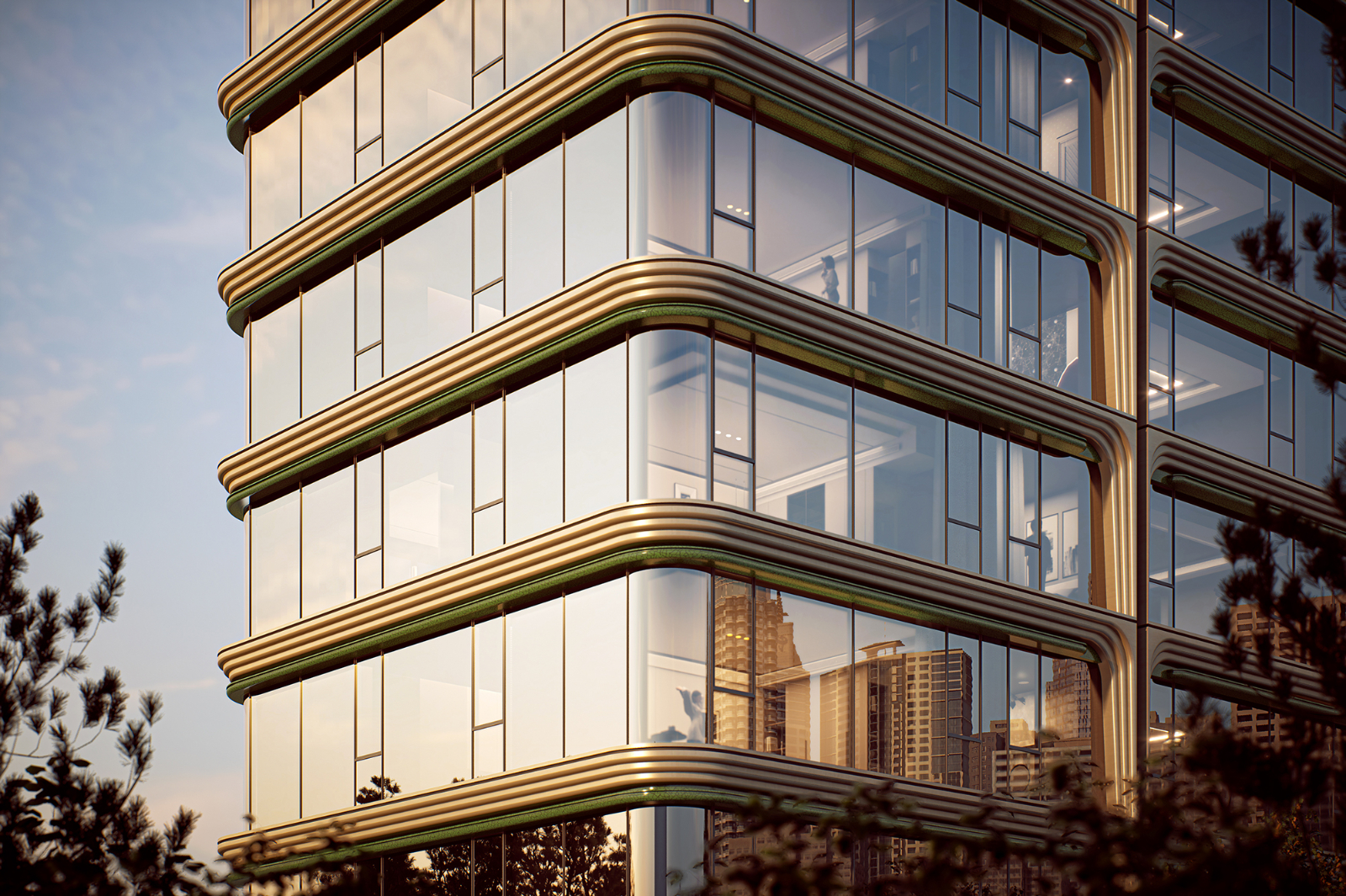
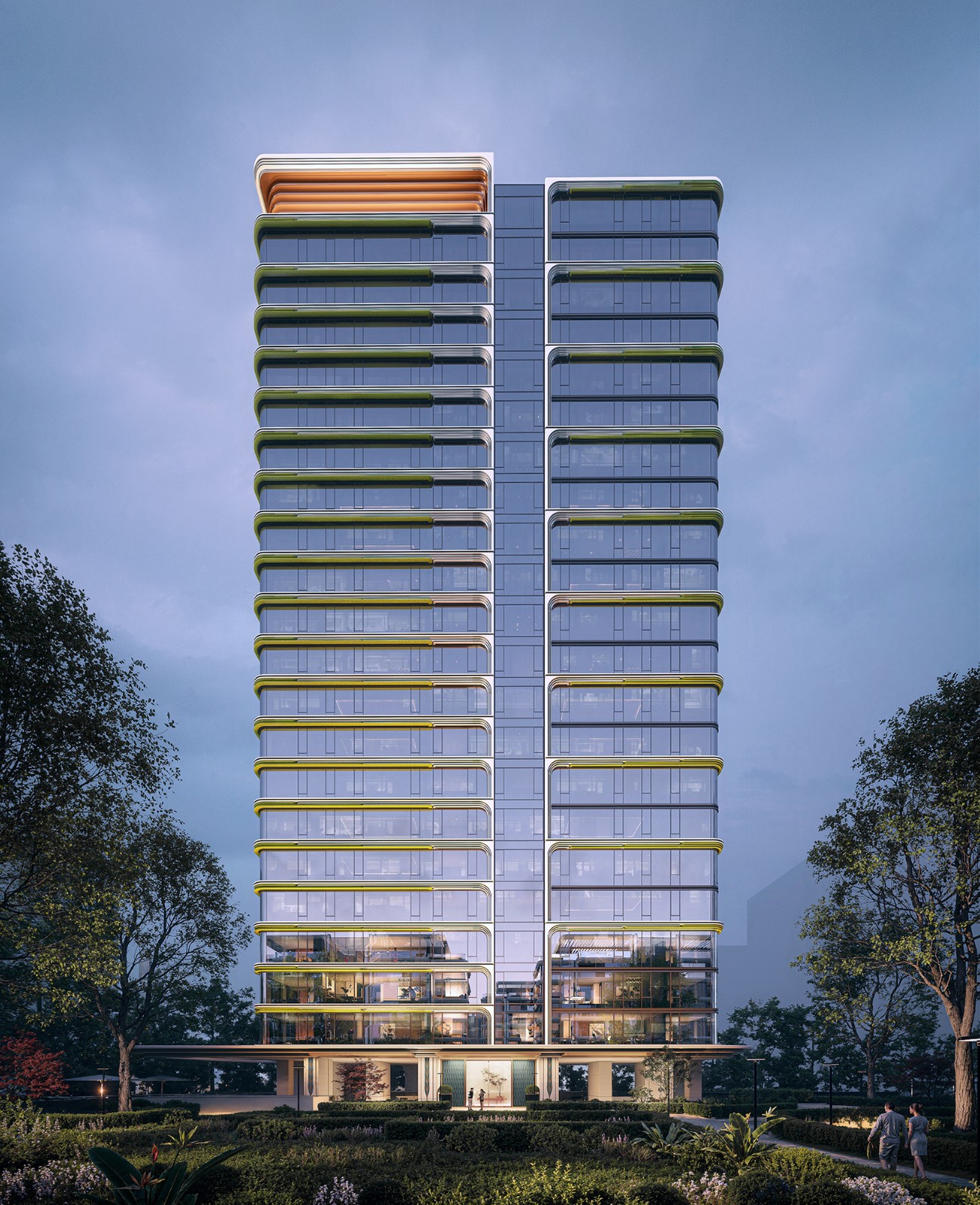
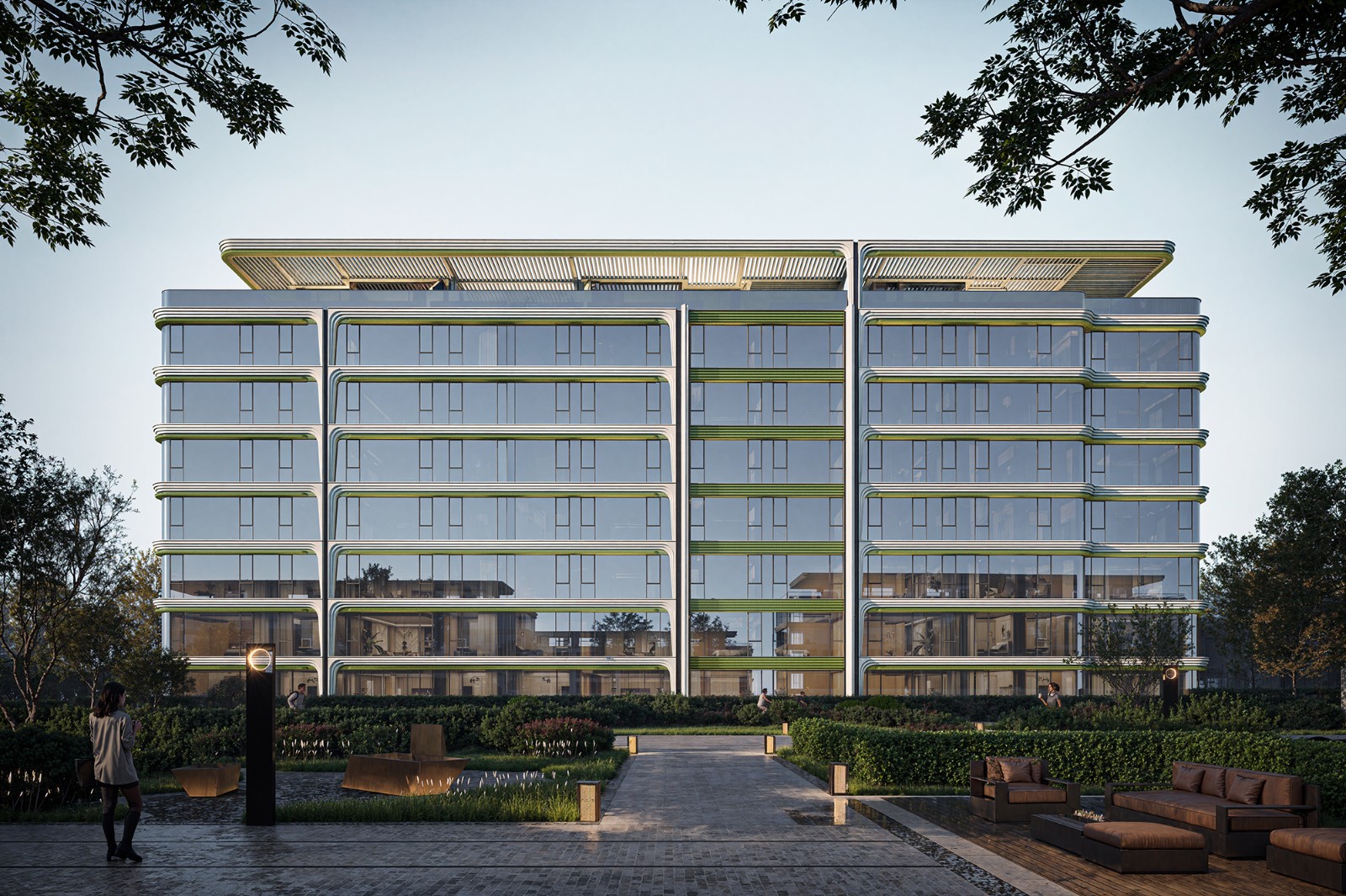
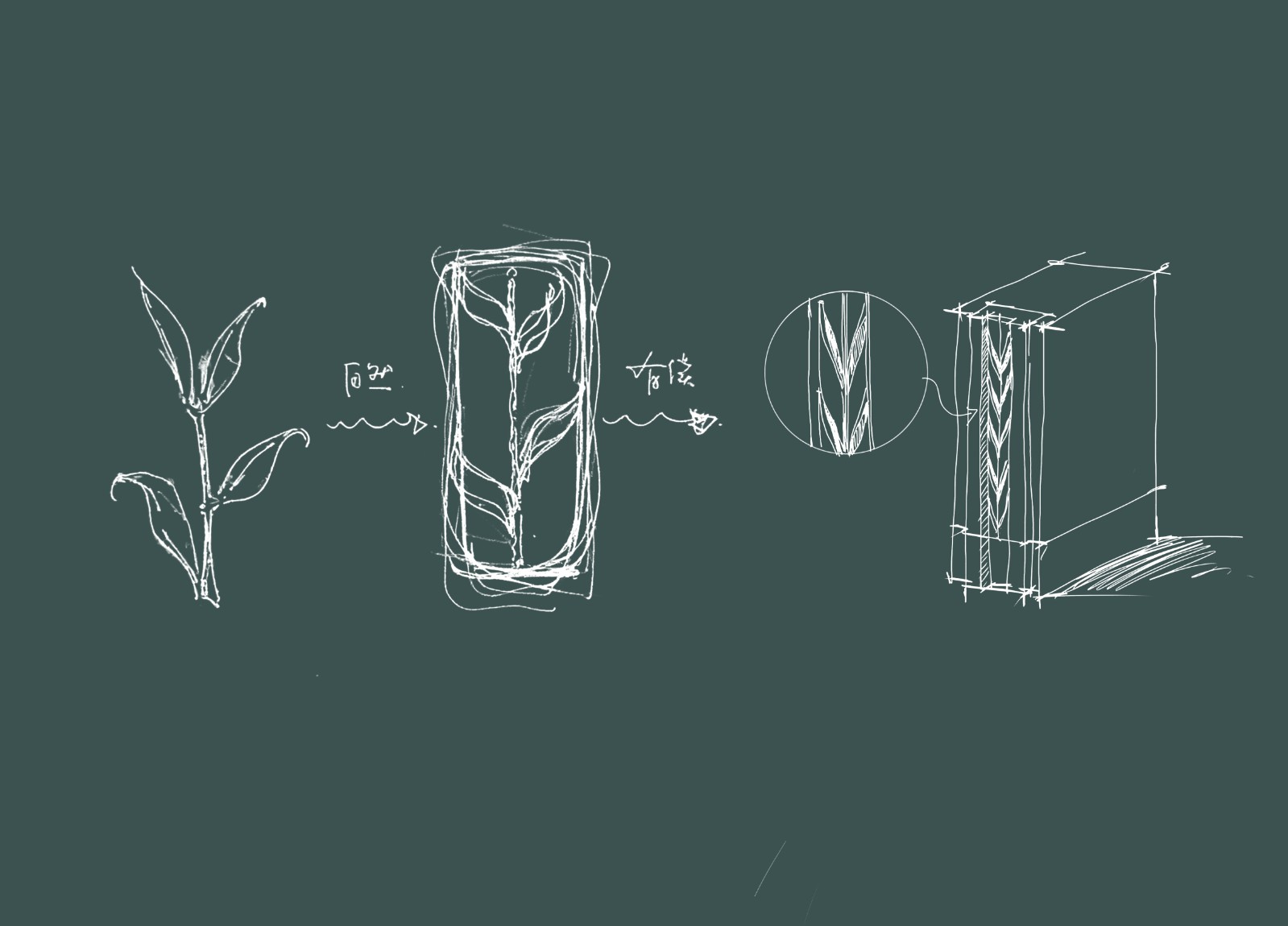
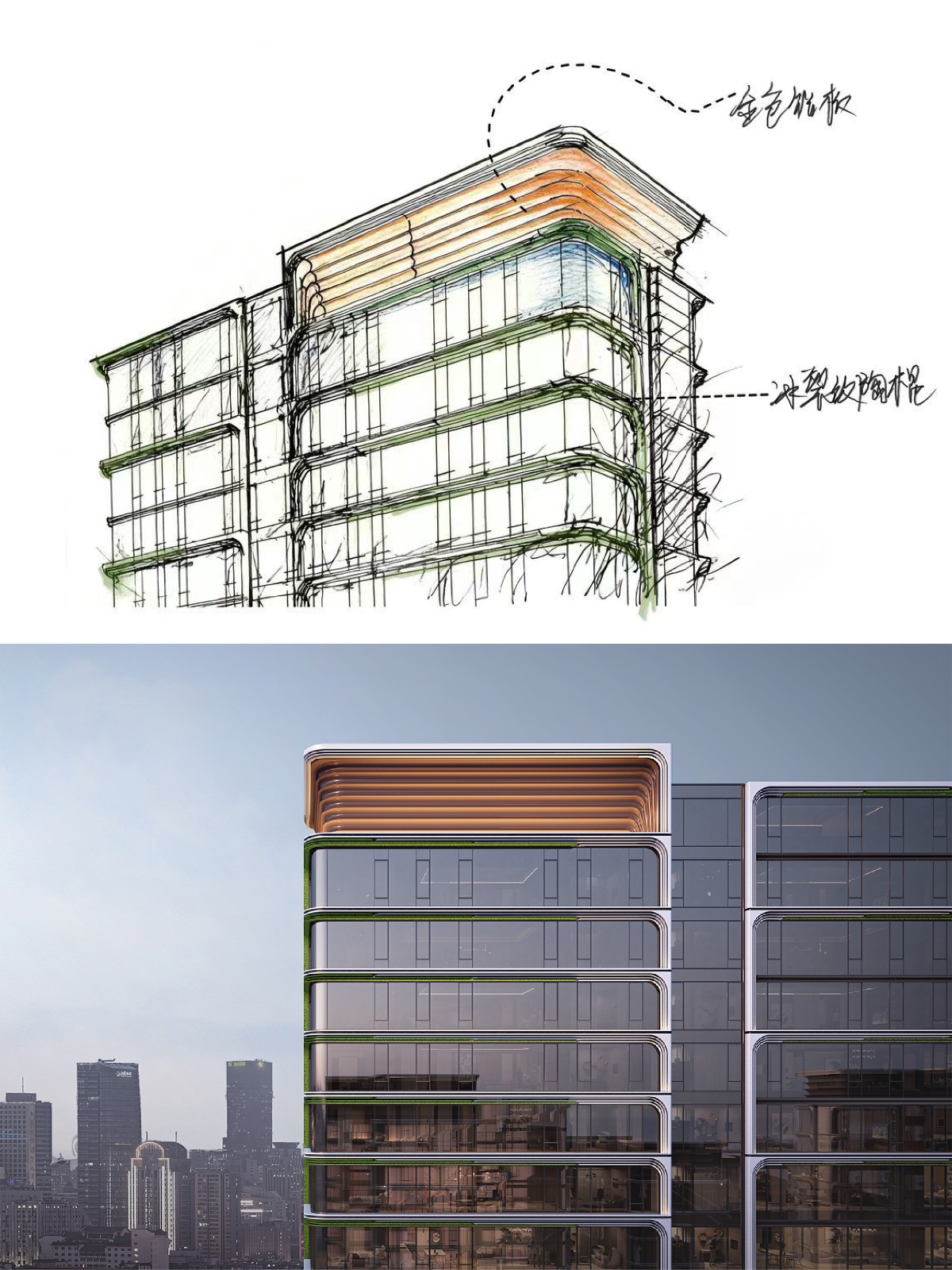
Facade expression derives from the “spring bud” motif: a luminous bud-green base tone, deep emerald accents on mullions and eaves — a gradation akin to the veins of new tea. “Ice-crackle celadon rods,” reinterpreted from Song imperial kilns, preserve artisanal tactility within rational order.
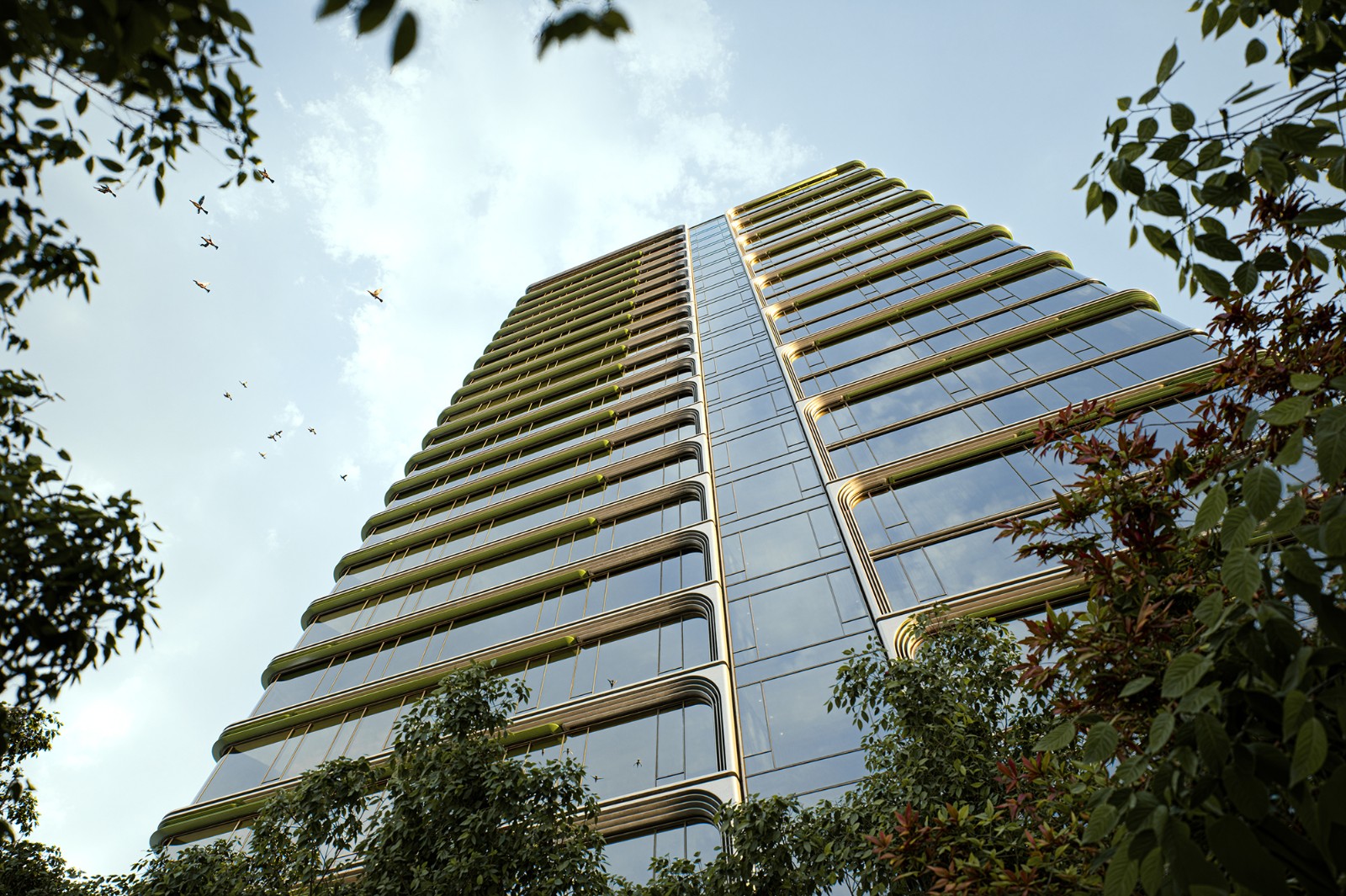
As the final piece of Century City, Tianjun’s value transcends typological finesse: luxury is no longer additive materiality, but resonance with millennia of cultural memory.