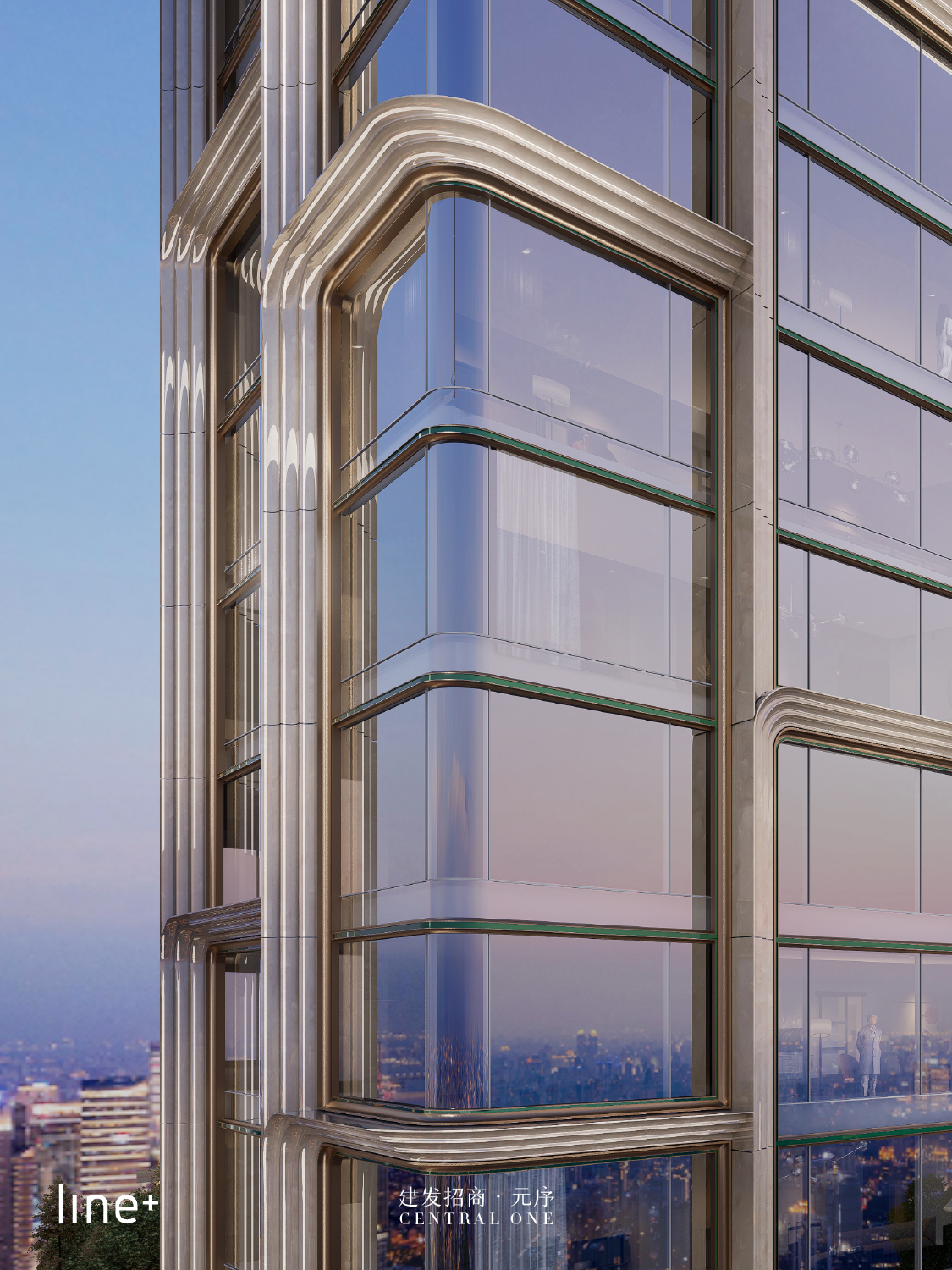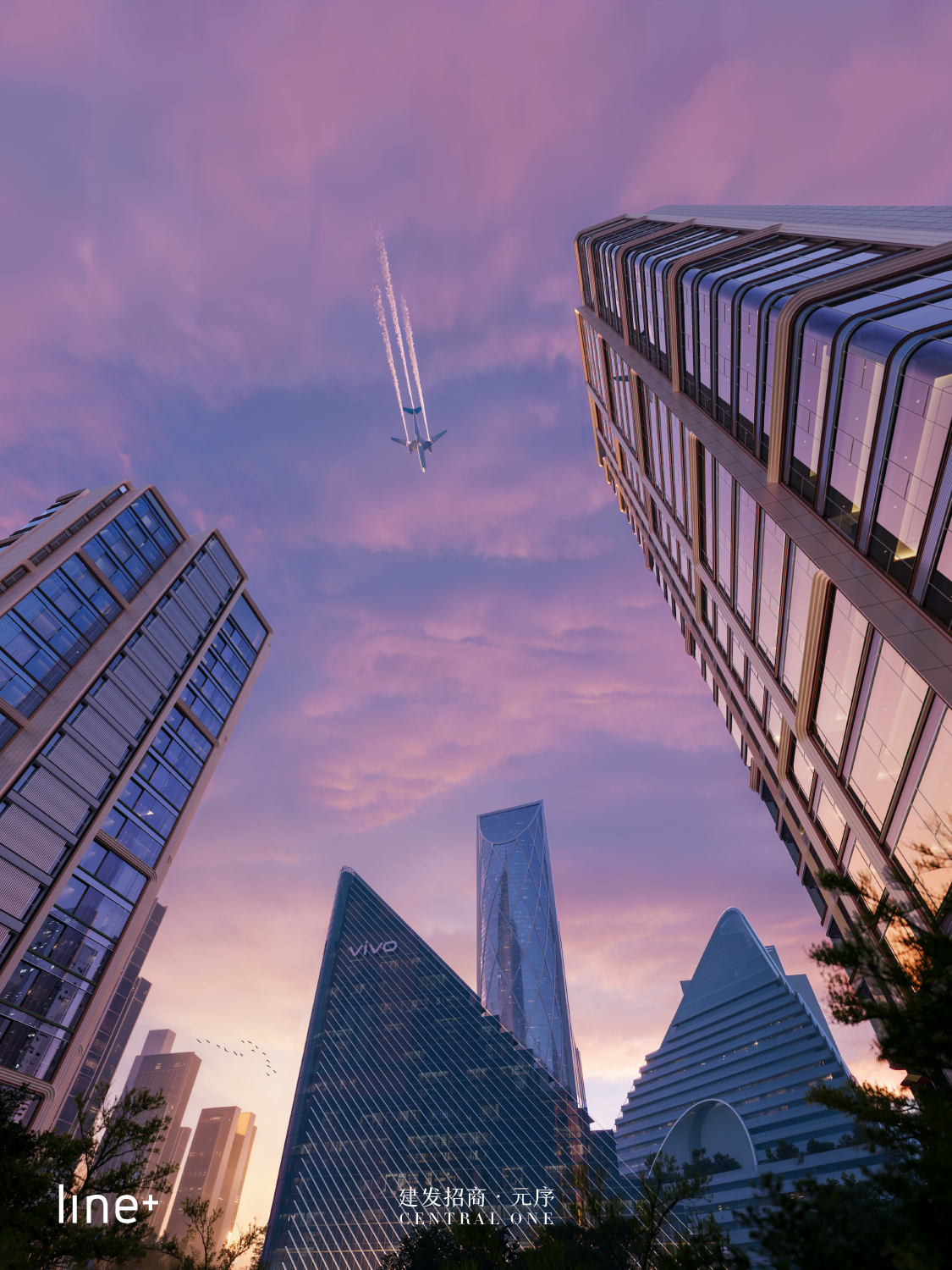



Recently, CENTRAL ONE, designed by Fanhao Meng, co-founder of line+ and lead architect of the project, sold out upon its first launch in the core area of Hangzhou Future Sci-Tech City, becoming the only residential project in Hangzhou to achieve a complete sell-out in February.
Despite being priced at approximately RMB 12,000 per square meter above the area’s previous price ceiling, the project was rapidly absorbed by the market. Against a backdrop of increasing rationality in the broader housing market, it carved out its own strong momentum and quickly became a phenomenon-level project drawing attention across Hangzhou’s third city center and beyond.
Occupying a prime landmark site in Future Sci-Tech City, the project is located on a rare and highly desirable residential parcel along Yuhang’s world-class central axis, adjacent to major technology headquarters including DingTalk, ByteDance, and Feishu. As industrial concentration continues to accelerate, Future Sci-Tech City has gradually evolved into an urban district shaped primarily by a young, highly educated demographic. Yet for a long time, residential developments in the area remained relatively homogeneous, falling short of this group’s expectations for future living.
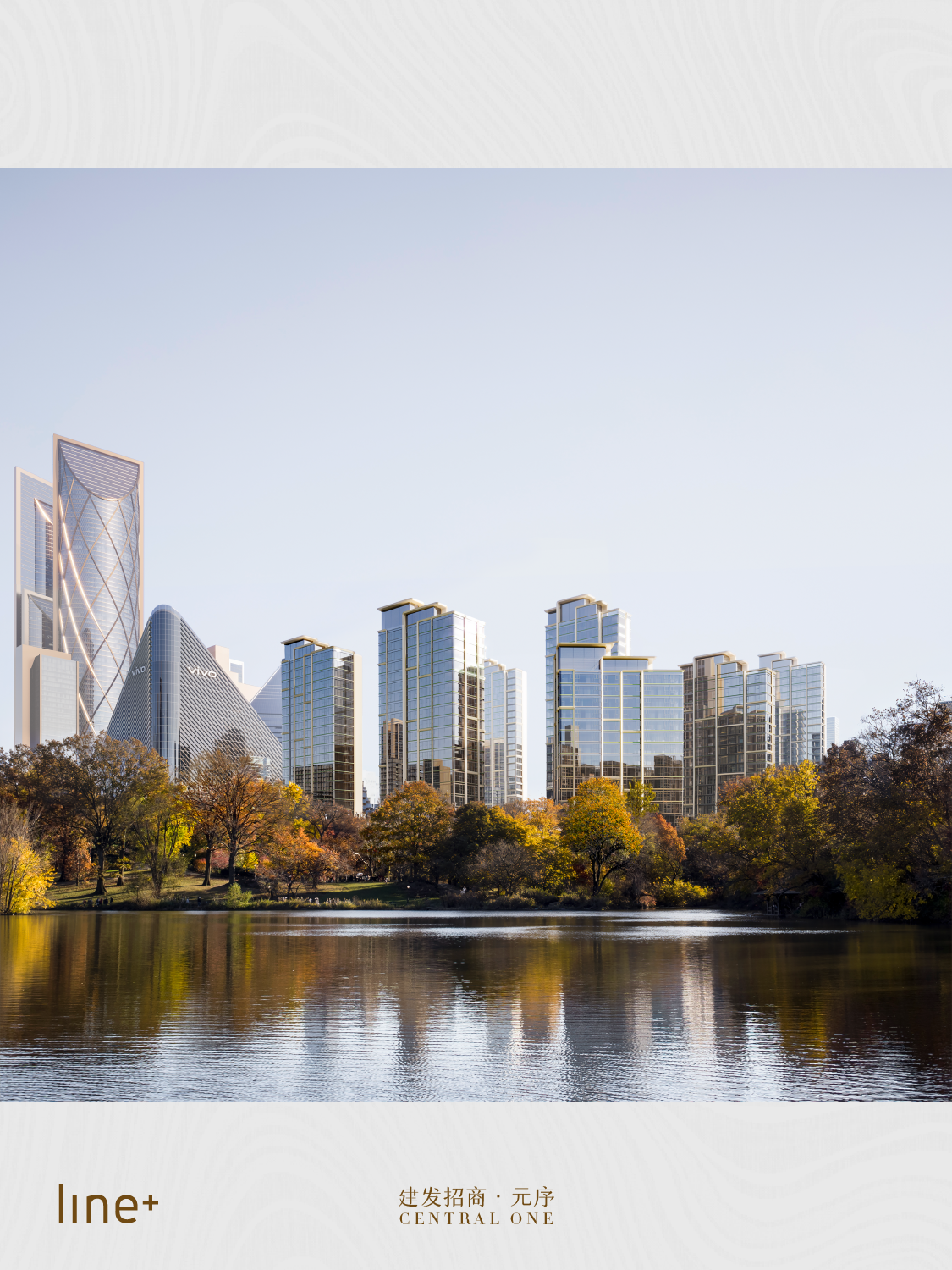
The immediate sell-out of CENTRAL ONE is a direct market response to the idea that product strength is vitality. When residential space can offer a new vision of life through a more systematic and forward-looking product strategy, the value coordinates of Future Sci-Tech City are rewritten accordingly—from a singular industrial cluster into a true urban lifestyle center for the younger generation. In doing so, it also sends a long-awaited signal of confidence to the property market.
“Non-standardization is not deliberate formal differentiation; it is the use of spatial growth to respond to the era’s essential spiritual needs.”
— Fanhao Meng
💎 Non-Standard Innovation: Reconstructing the Community Through a “Three-Dimensional Symbiosis” System
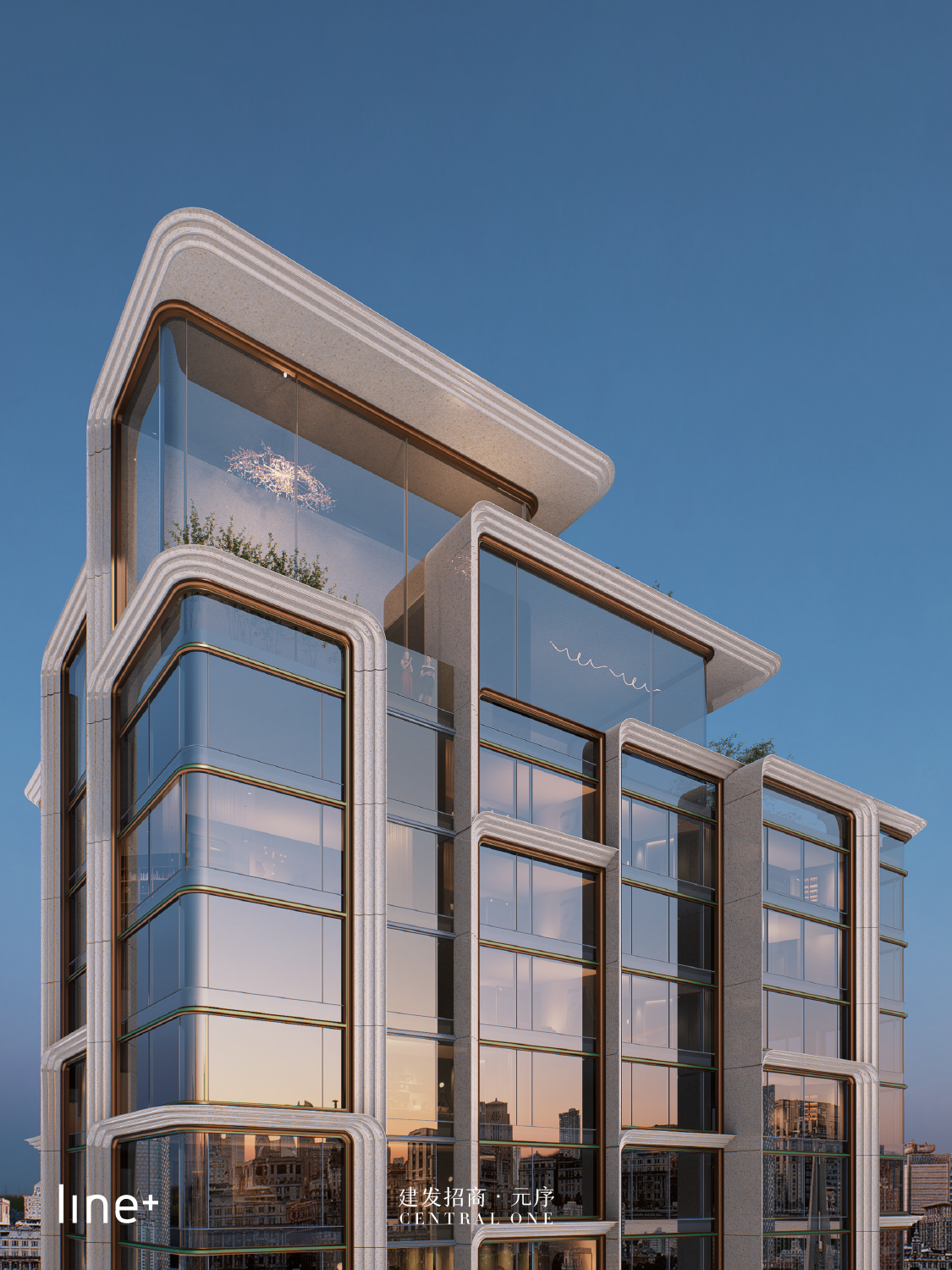
At the product level, the design breaks decisively away from C&D’s conventional Chinese-style residential typology, completing a disruptive iteration through a more contemporary and future-oriented architectural language. It also marks the first modern resort-style residential project within the C&D system.
/ Spatial Revolution
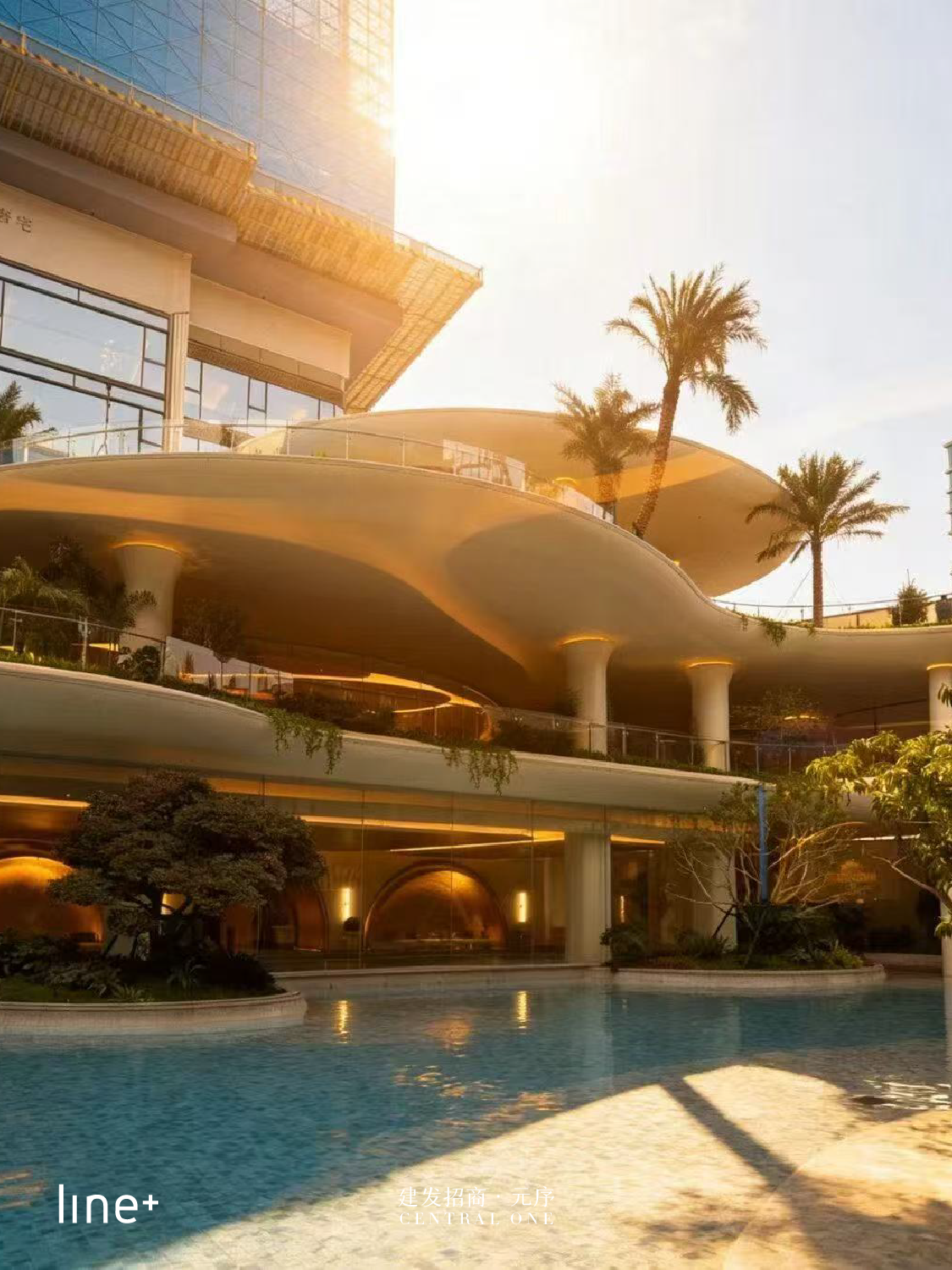
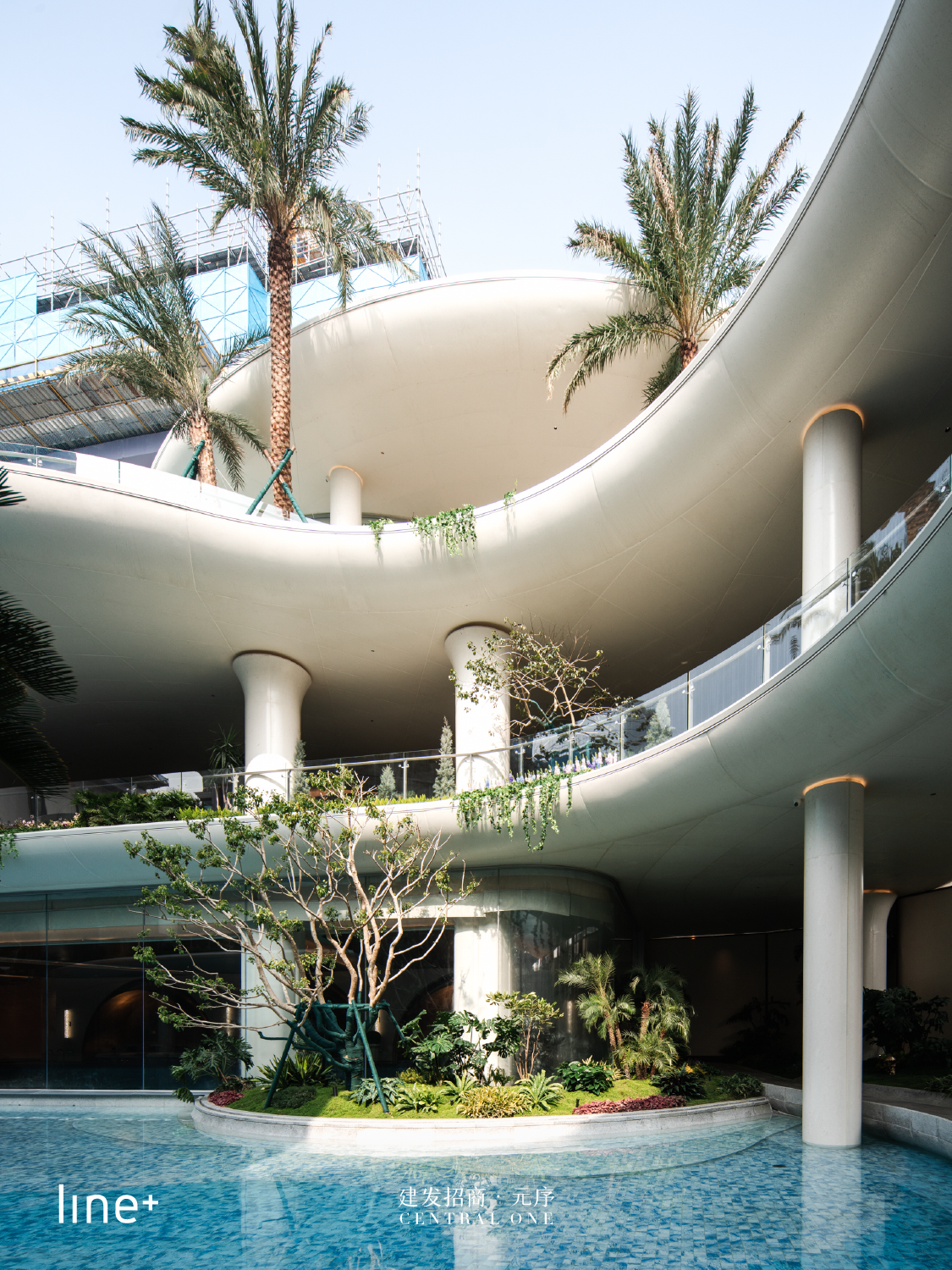
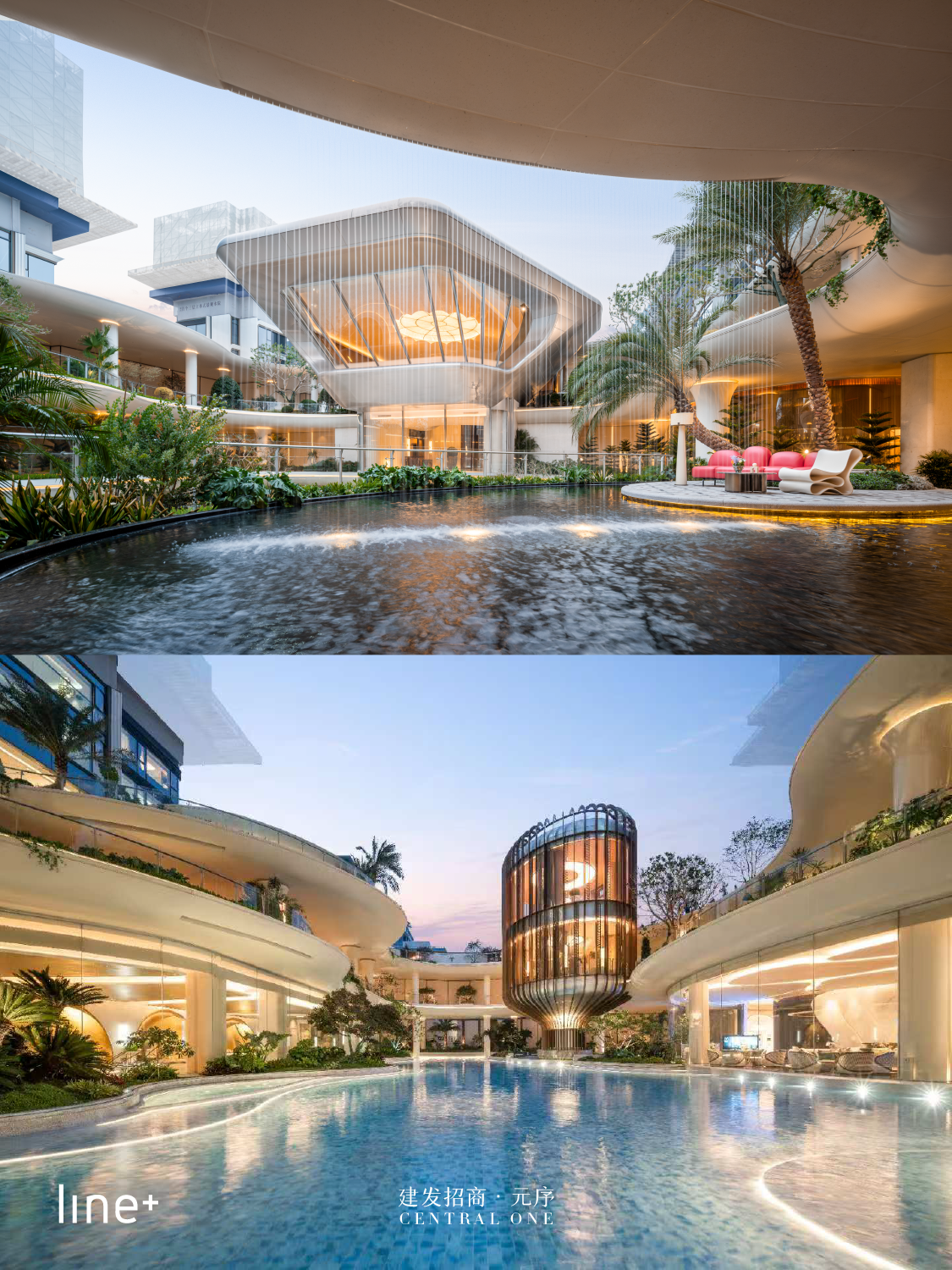
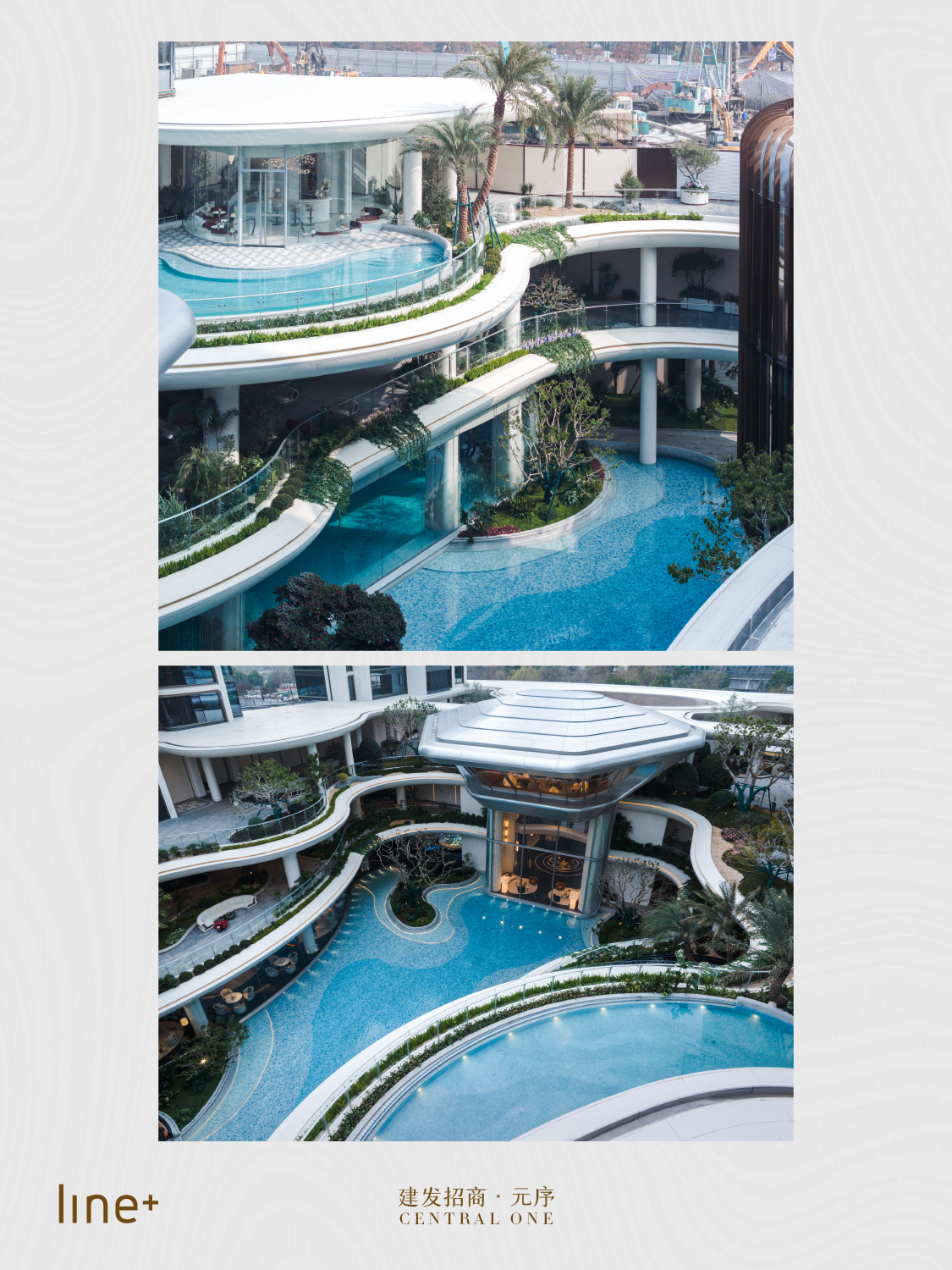
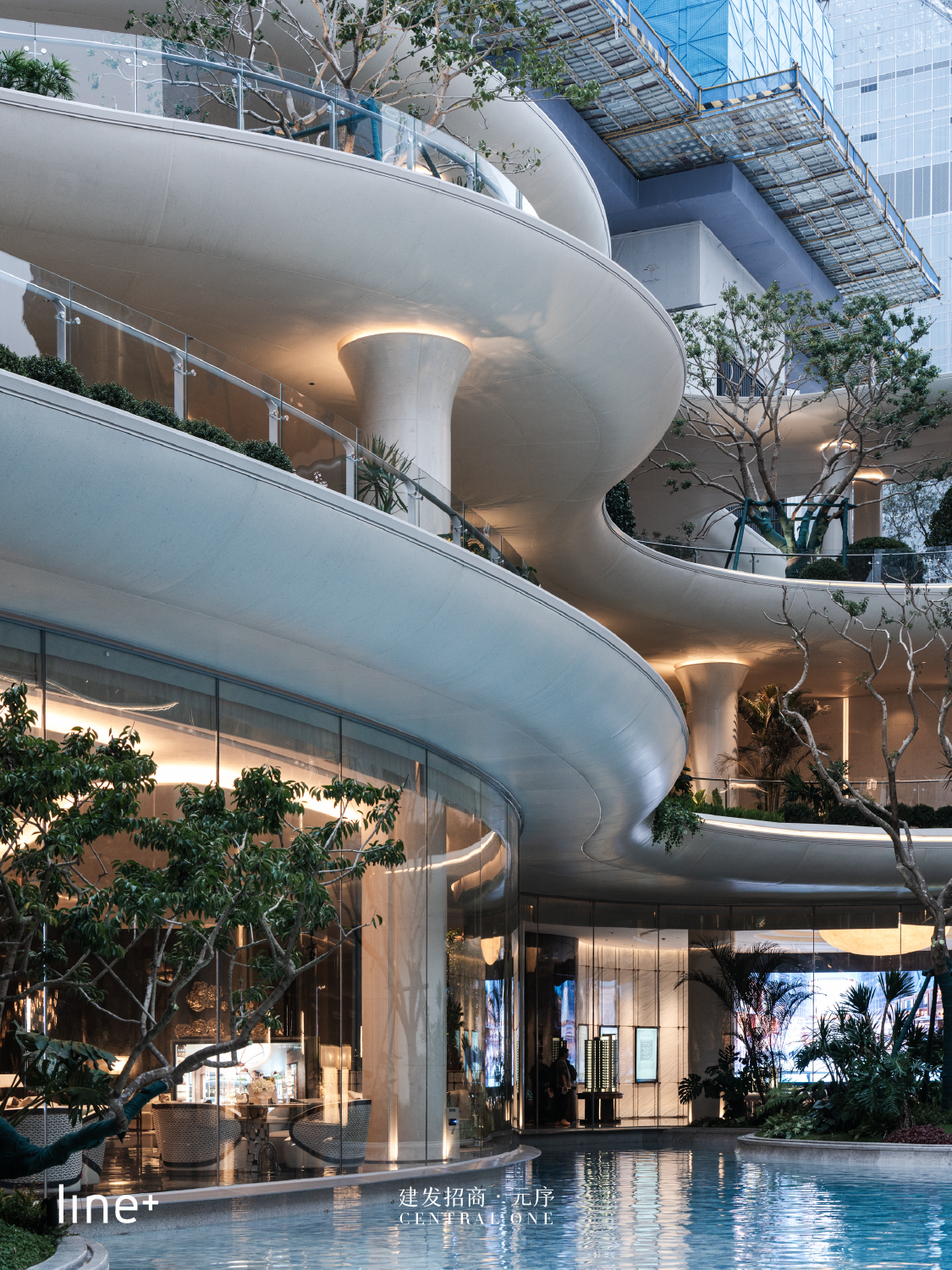
The entire development is elevated by 5 meters, with the highest stilted level reaching 6.3 meters, forming a 14,000-square-meter three-dimensional public system—the largest in Hangzhou—linking underground, elevated, and entrance levels into one integrated whole. In this way, public space is no longer treated as an “underground auxiliary facility,” but instead becomes the central generator of community life.
/ Fluid Interfaces
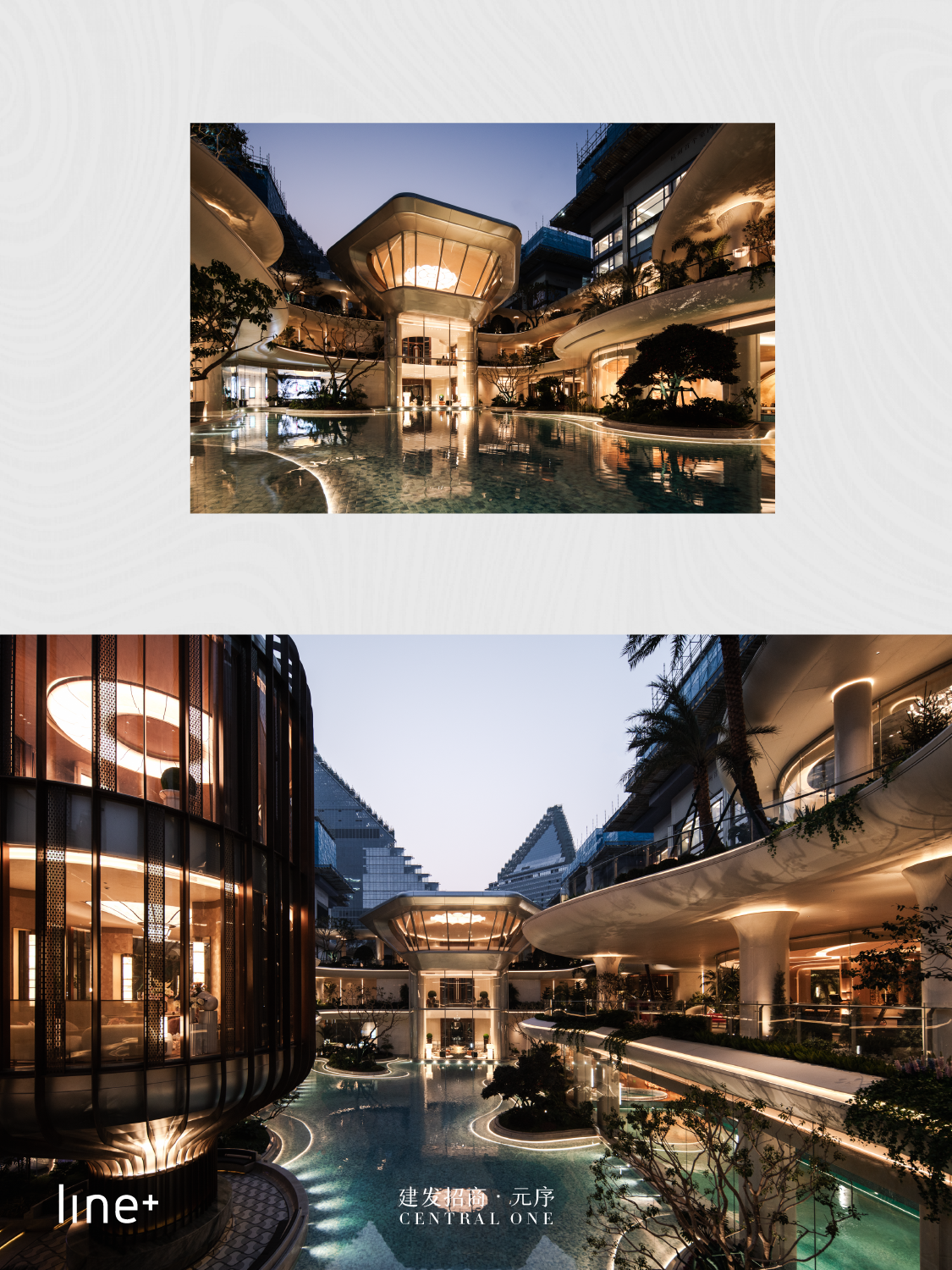
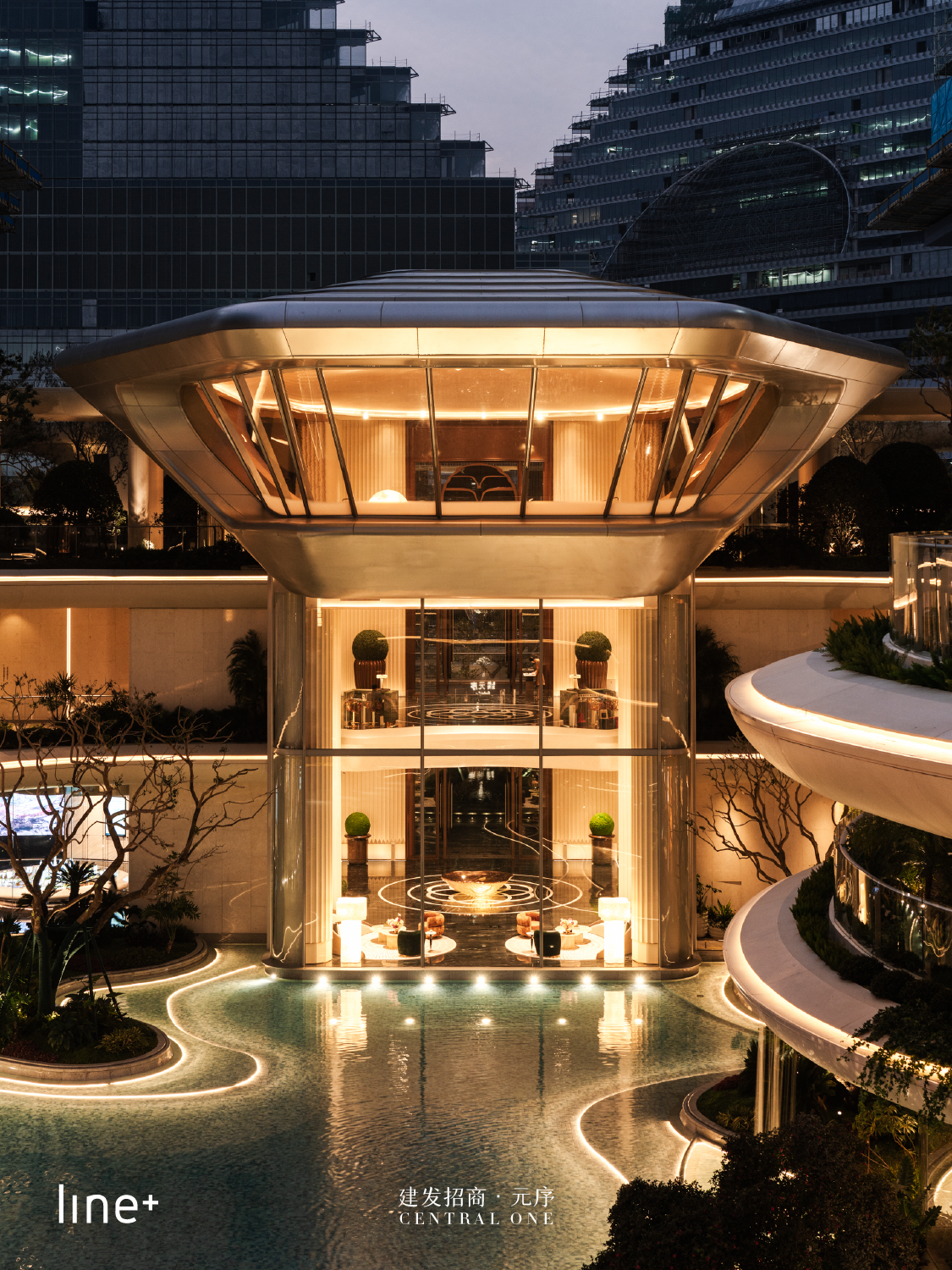
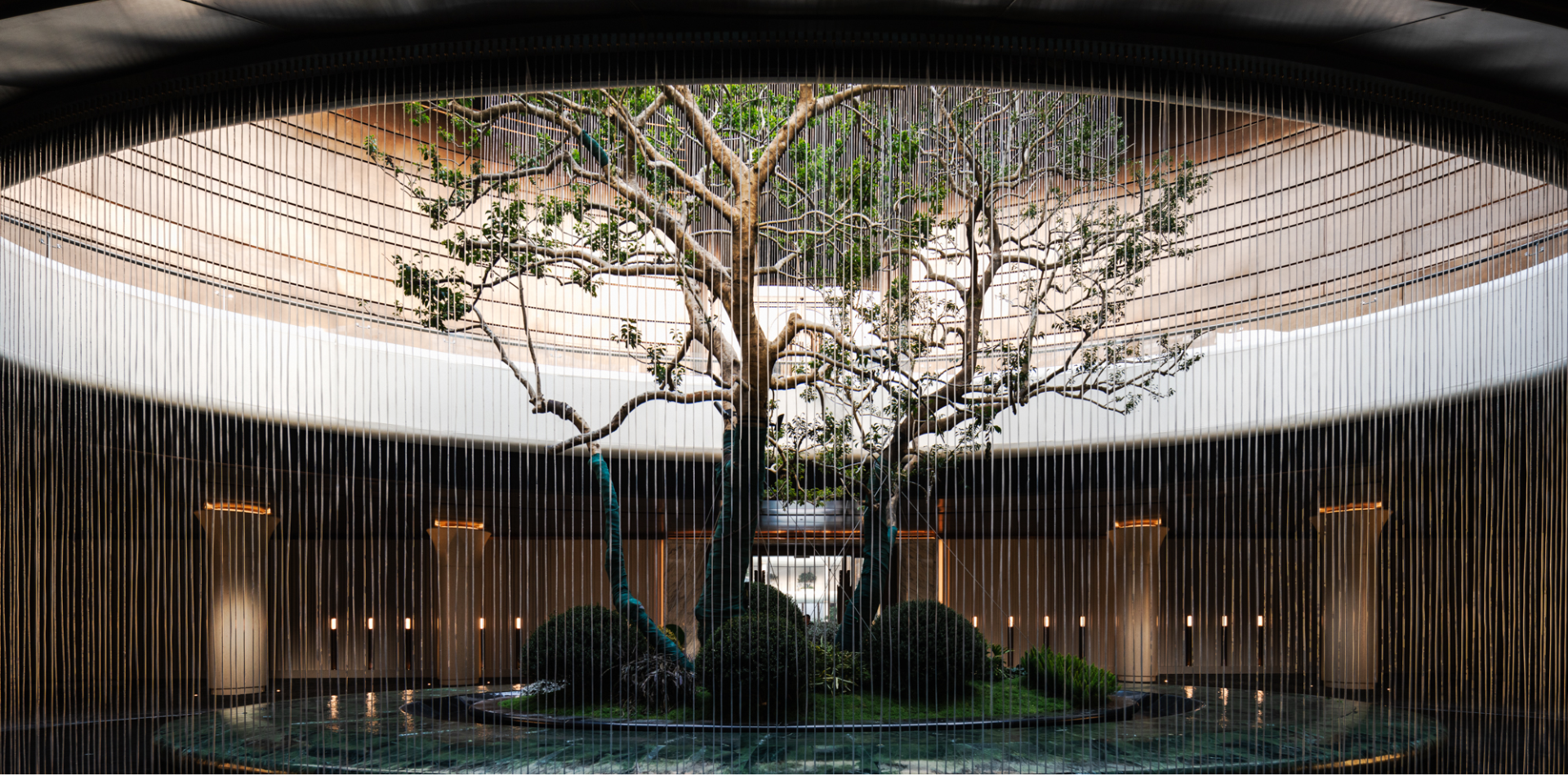
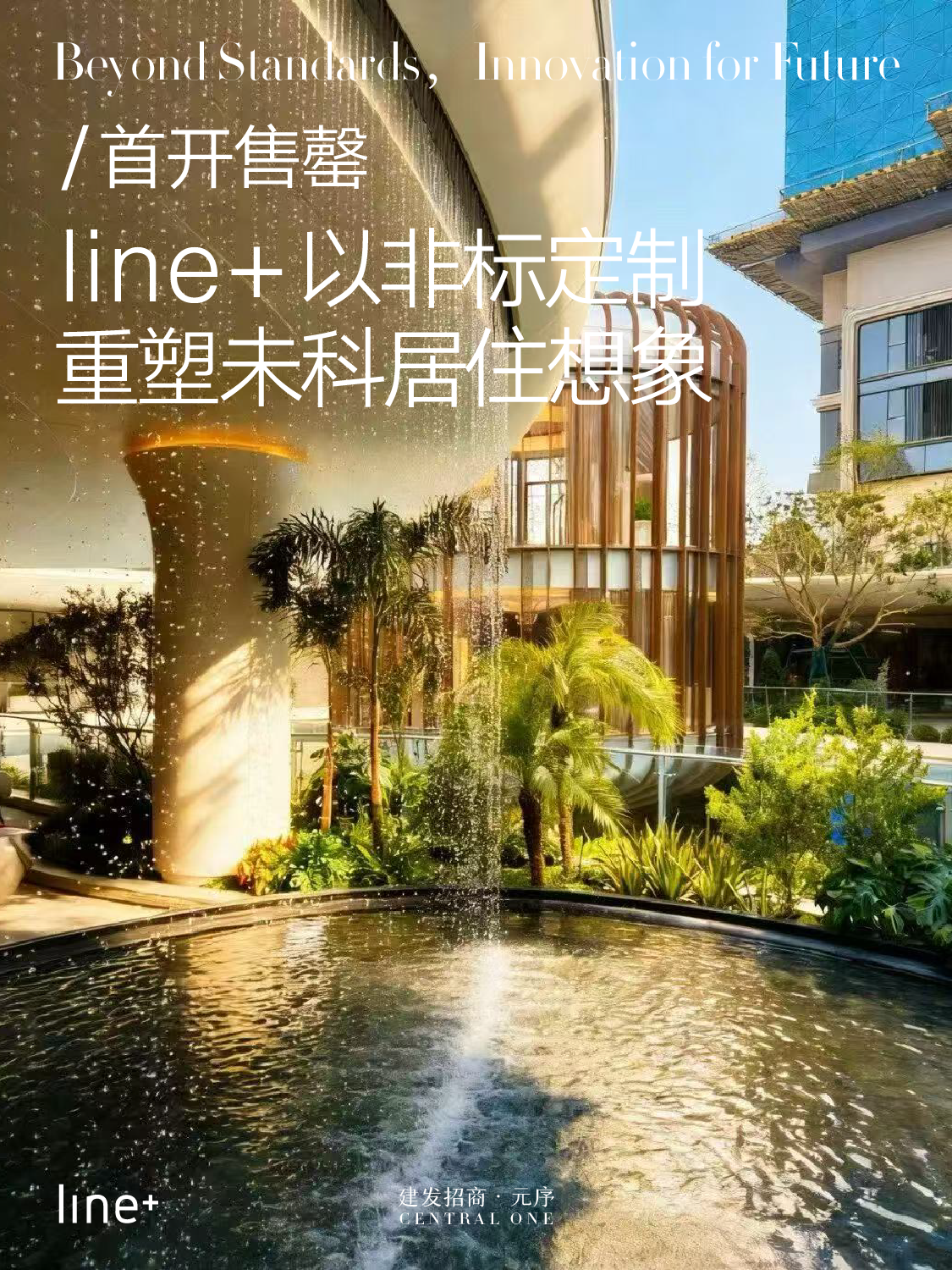
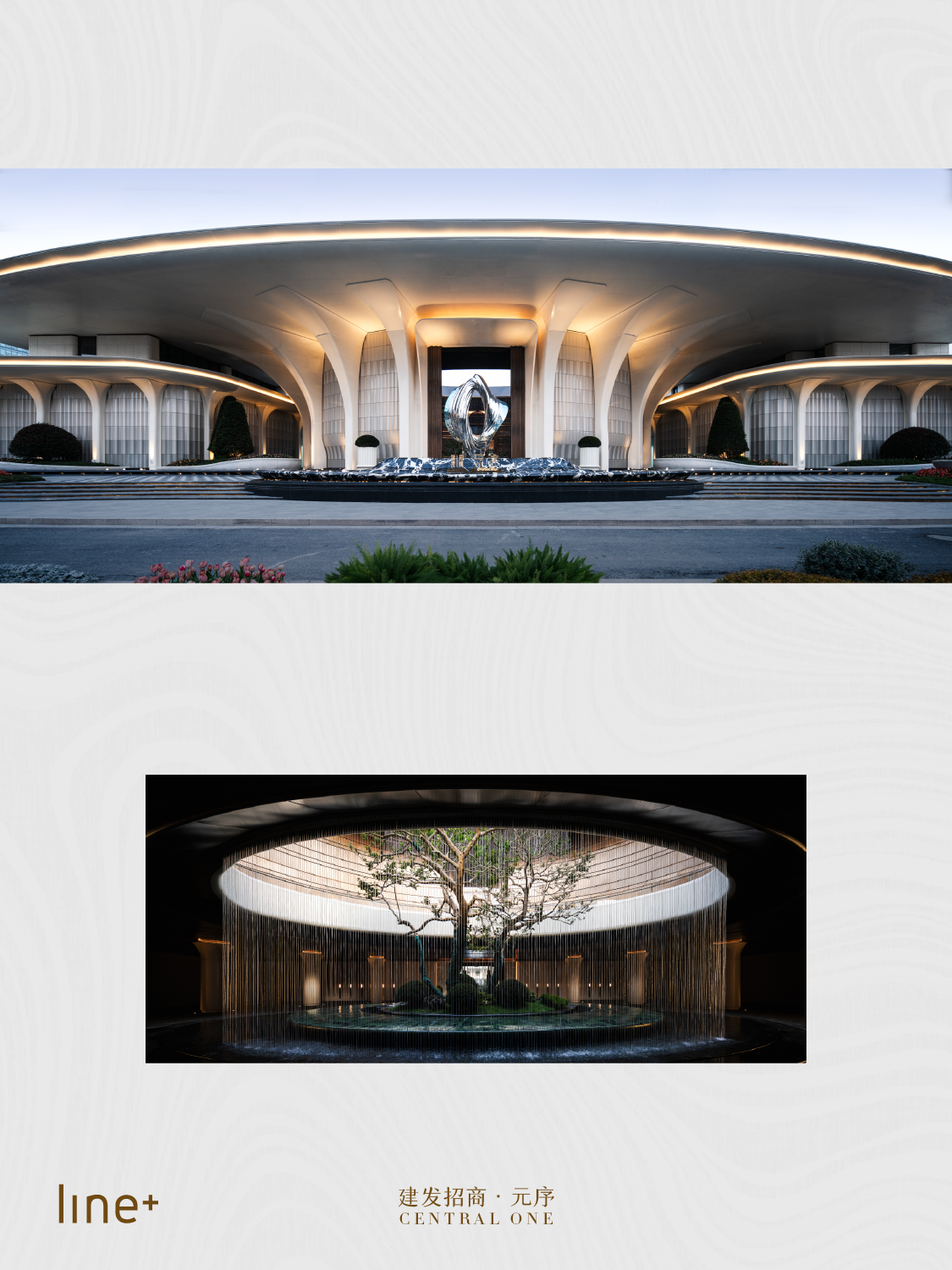
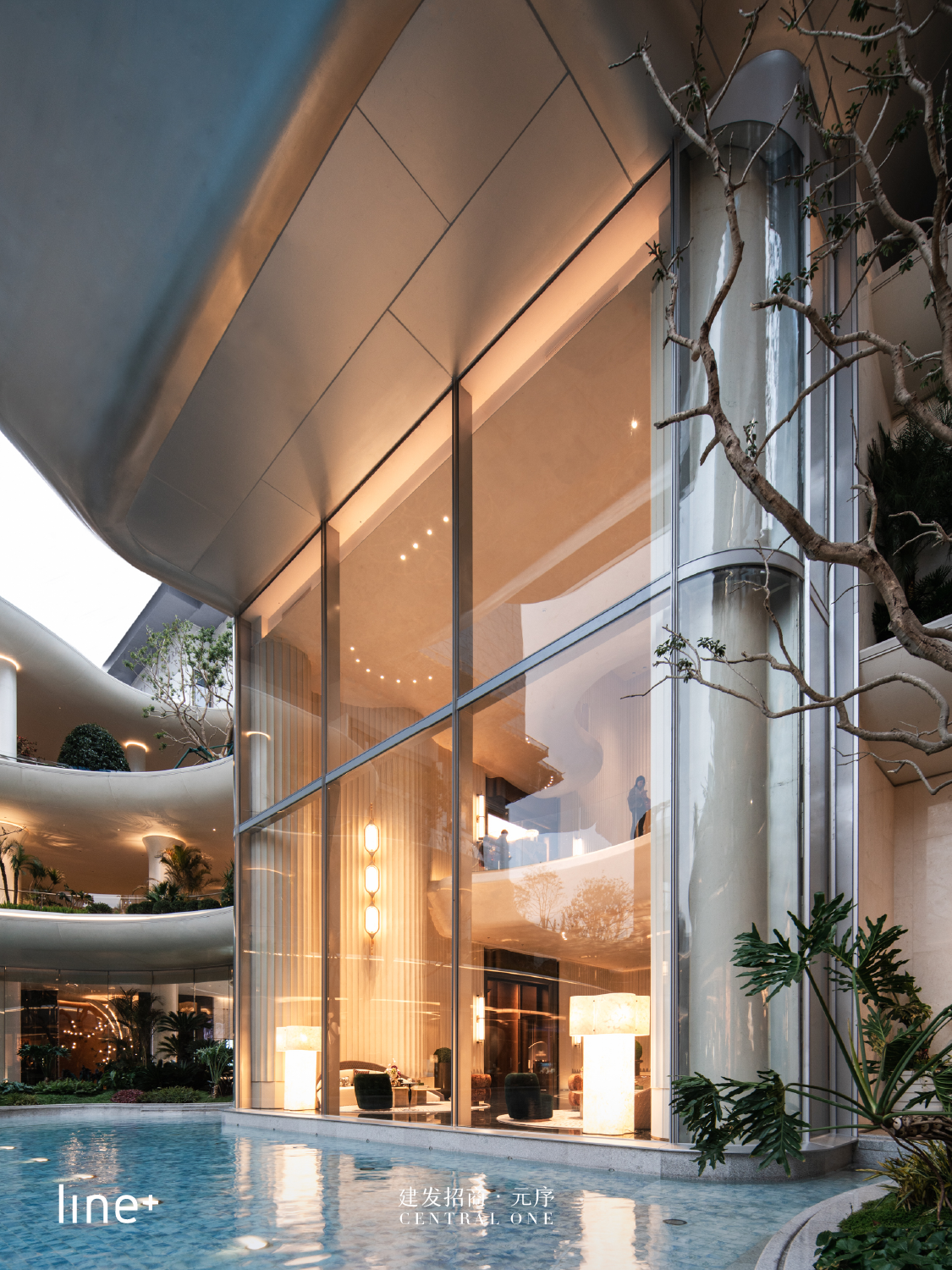
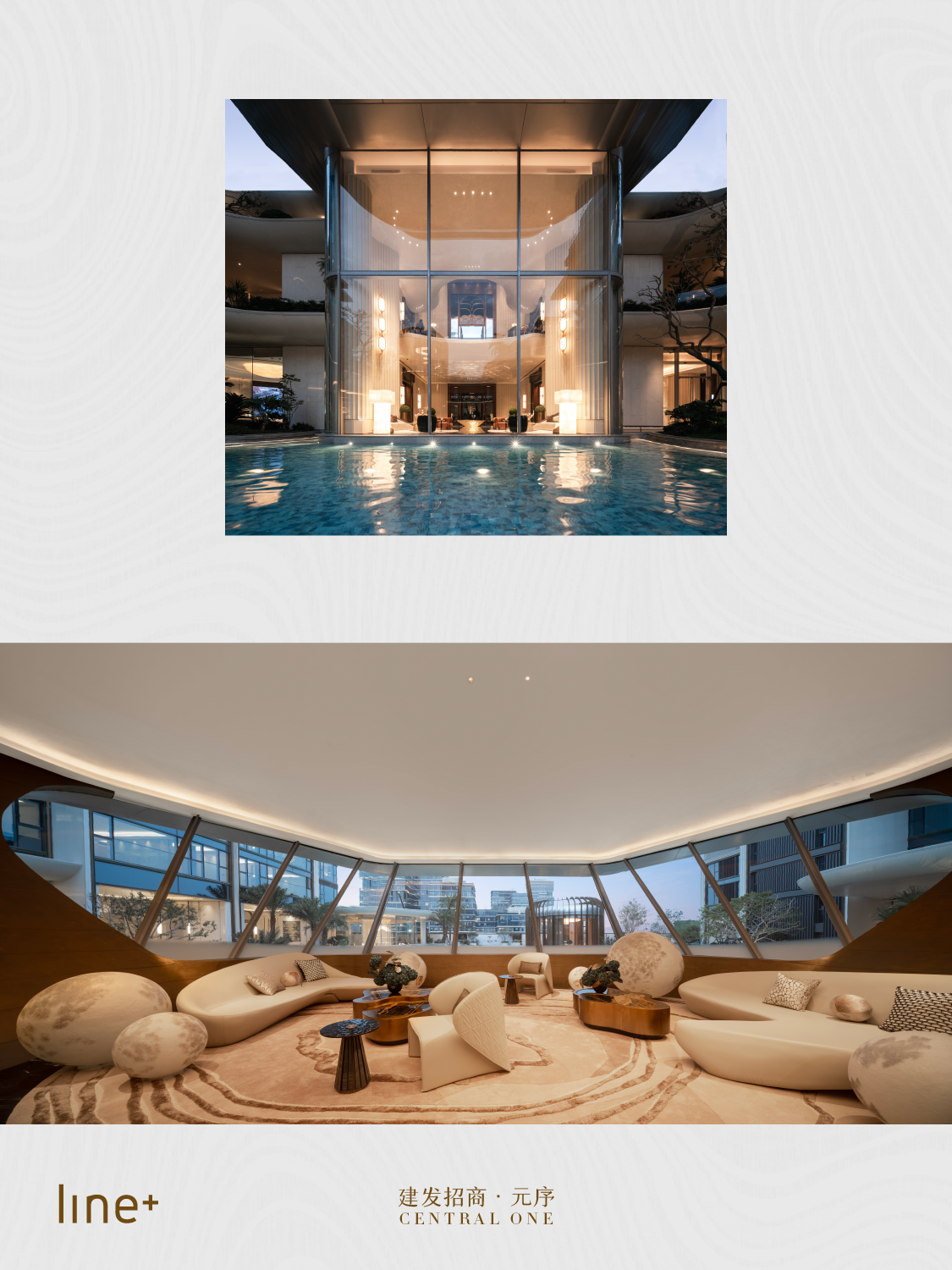
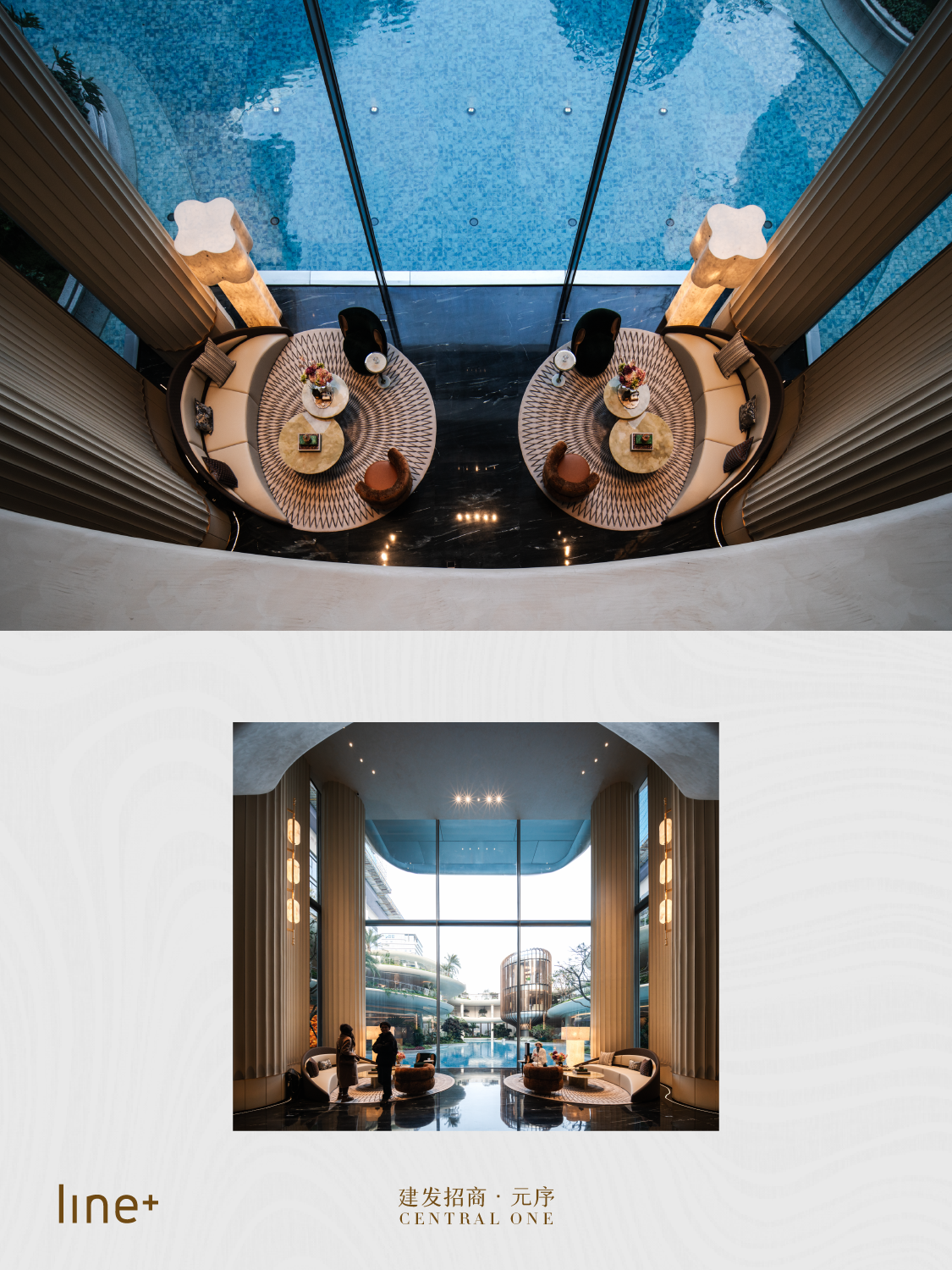
Using “superfluidity” as its design language, the project connects the lobby, clubhouse, and public nodes through continuous spatial flows. The “Floating UFO” integrates reception and viewing functions, while the “Energy Pavilion” reinterprets the spirit of traditional gardens through copper-toned grilles, becoming a dynamic public landmark. At the main entrance, a nearly 100-meter-wide urban frontage, a 16-meter cascading waterfall, and a diamond-like entrance hall redefine the ritual of returning home, creating a seamless transition from city to life.
/ Everyday Micro-Resort Living
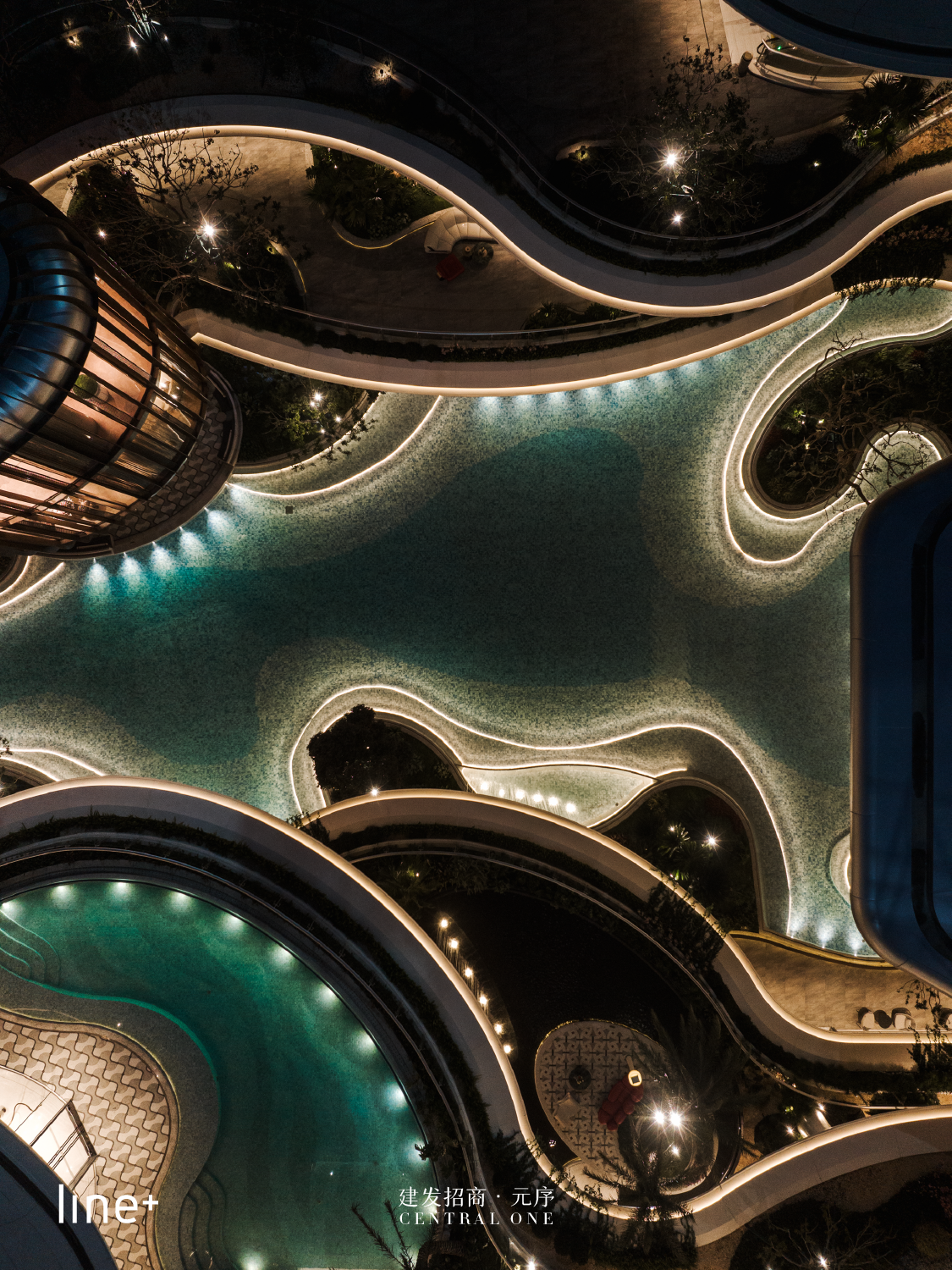
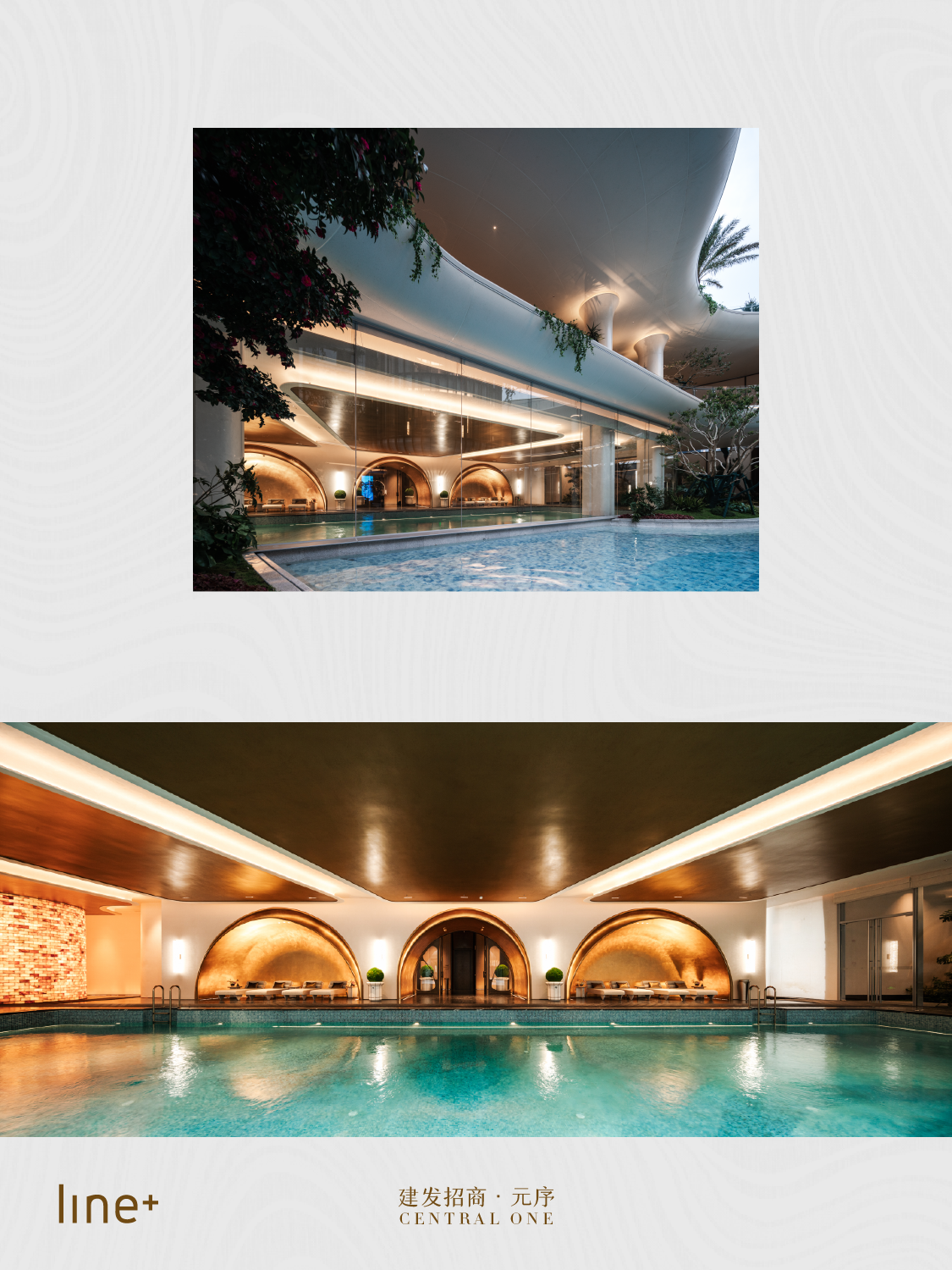
An elevated valley-like landscape is layered with gardens and rooftop greenery, while the swimming pool, terraces, and slow walking paths create a relaxed rhythm of micro-resort living, allowing high-density housing to embody both a sense of futurity and the warmth of nature.
💎 Renewed Confidence: Non-Standardization Is the Only Way Forward for Real Estate
The sell-out of CENTRAL ONE at first launch stands as concrete proof of how line+ is helping restore confidence to the property market through product strength. Iterative innovation through non-standard design is not a risk—it is the only viable path for real estate to break through.
When a community is able to keep growing and continue responding to evolving needs, it gains the ability to transcend market cycles and face the future. The sell-out of CENTRAL ONE is not the end, but rather a symbolic step forward for Hangzhou’s housing market—from manufacturing toward creation. The value benchmark of Future Sci-Tech City has changed, and Hangzhou’s residential future begins here.