


Following the phenomenal market success of CENTRAL ONE, the first modern-series residential product created by line+ for C&D Real Estate in Hangzhou, line+ co-founder and principal architect Fanhao Meng was once again invited to design Chenqi Mansion 2 in Xiamen, where C&D is headquartered. As one of C&D’s three flagship strategic projects, it also marks Xiamen’s first fourth-generation residential practice.
This time, we set out to answer a more important question: how can we shape an urban landmark for Xiamen that is able to enter into dialogue with the world?
Project Name | Xiamen · Chenqi Mansion 2
Architecture Firm | line+ studio
Chief Architect / Project Principal | Fanhao Meng
Type | Residential Architecture
Client | C&D
Structural Consultant | Arup
Location | Xiamen, Fujian, China
Gross Built Area | 109,360.3 m²
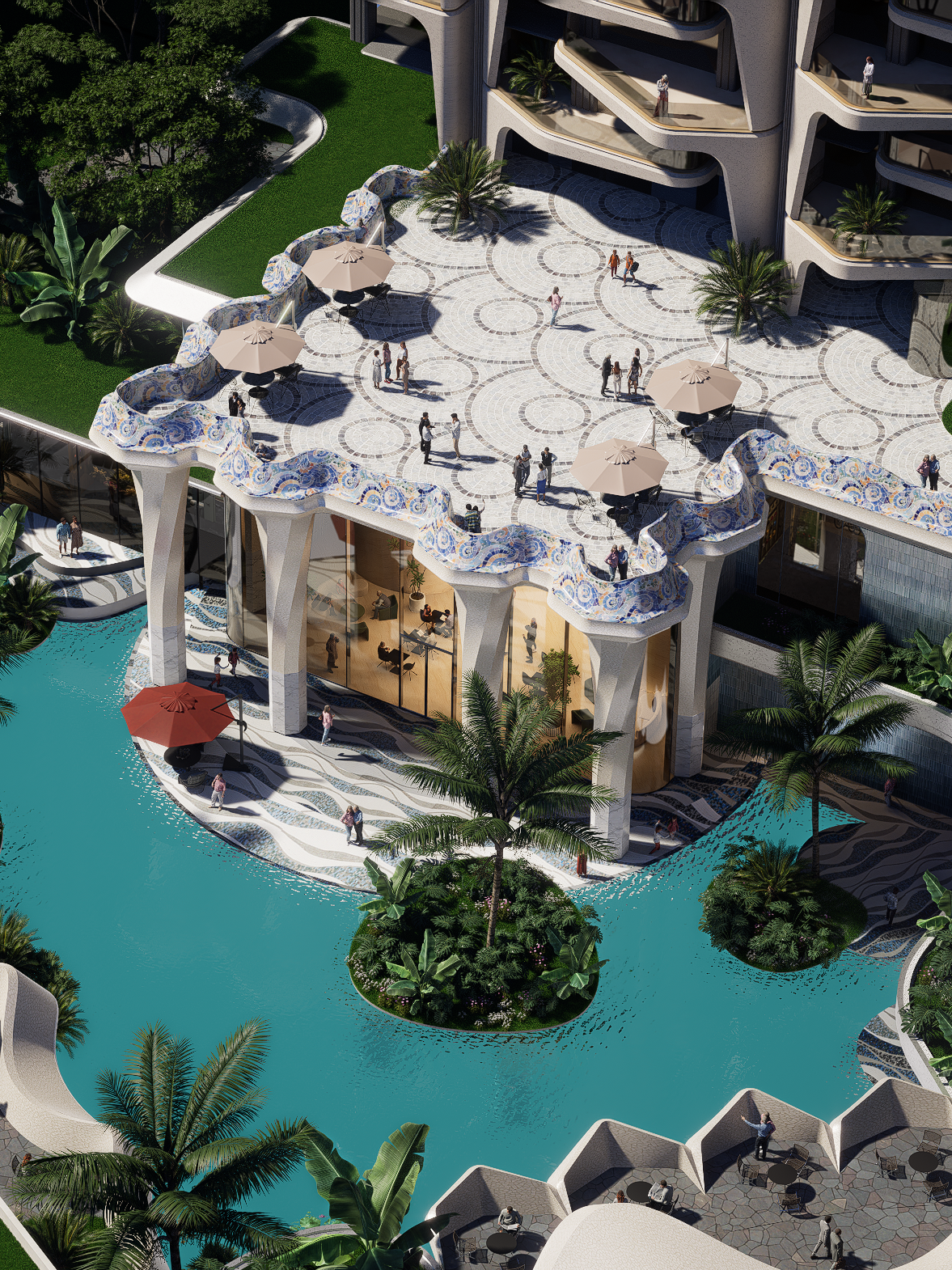
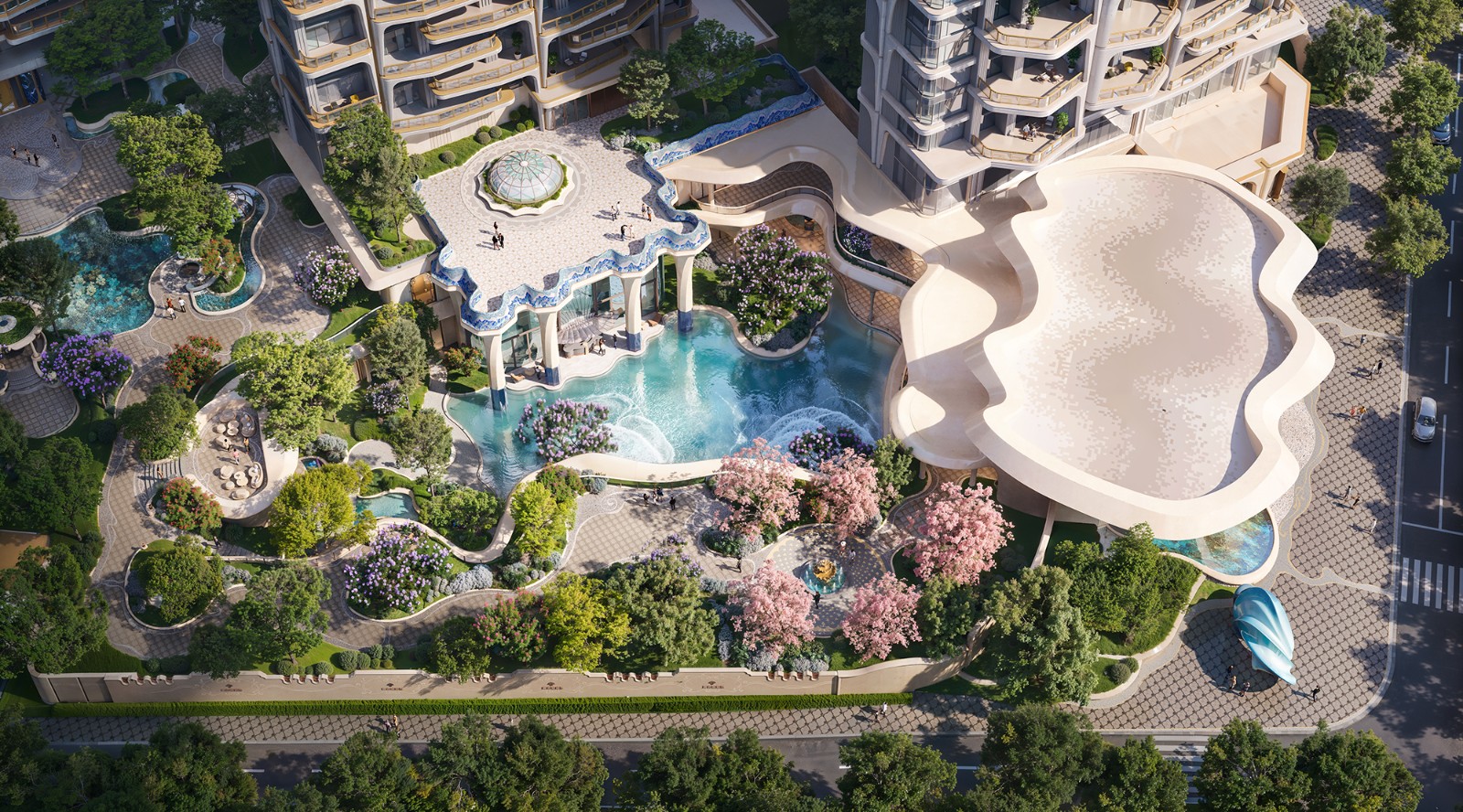
Located in the Hubian Reservoir area on Xiamen Island, the project occupies a rare lakeside living environment in the city’s core, with access to an approximately 870,000㎡ lake landscape and a 5.7-kilometer lakeside greenway.
In an urban context shaped by the ocean, islands, and overseas Chinese culture, the project is not merely an upgrade of residential products, but an attempt to reconnect regional culture, natural order, and contemporary living.
🕊️ From “Garden on the Sea” to “White Egret Spreading Its Wings”
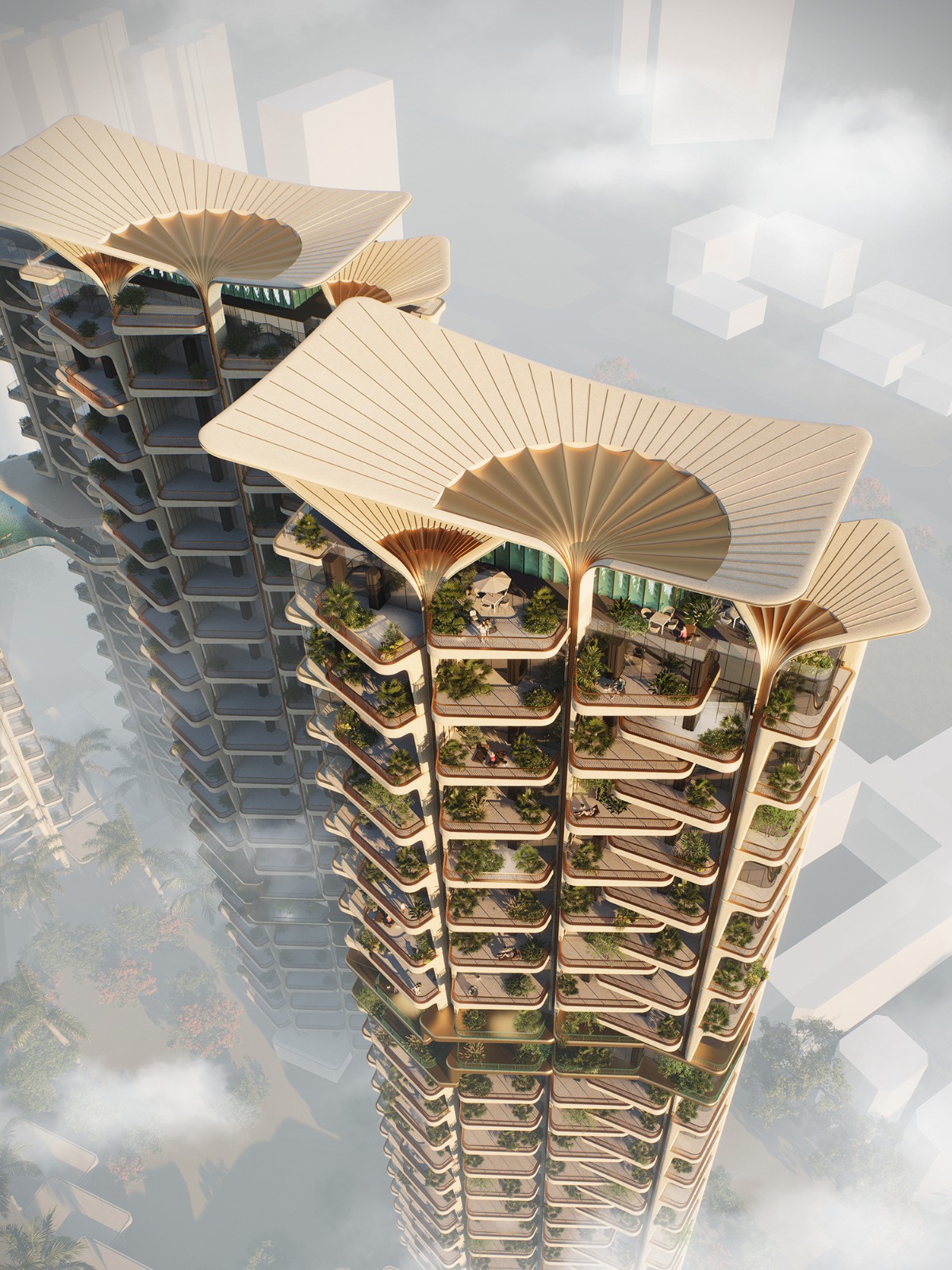
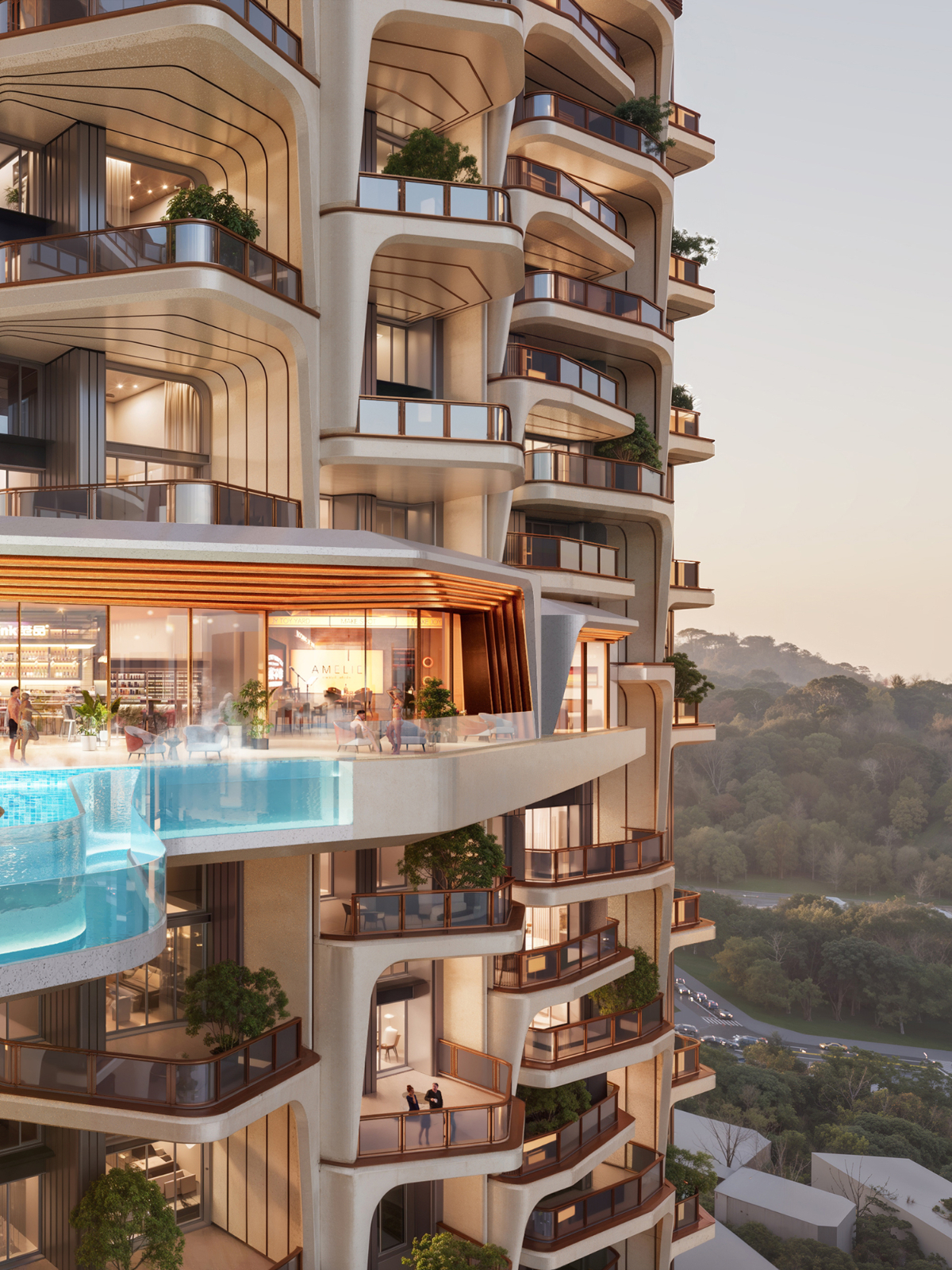
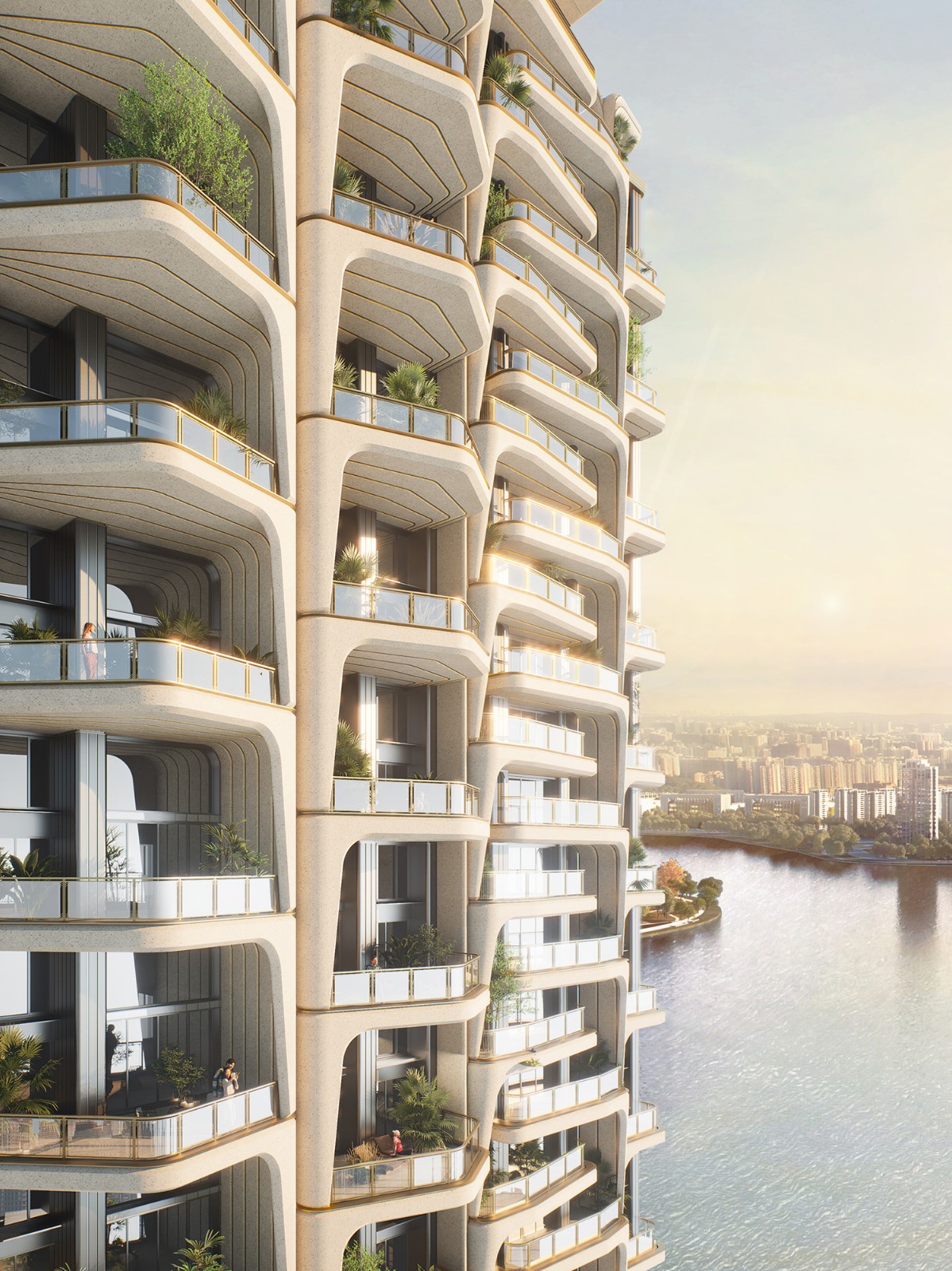
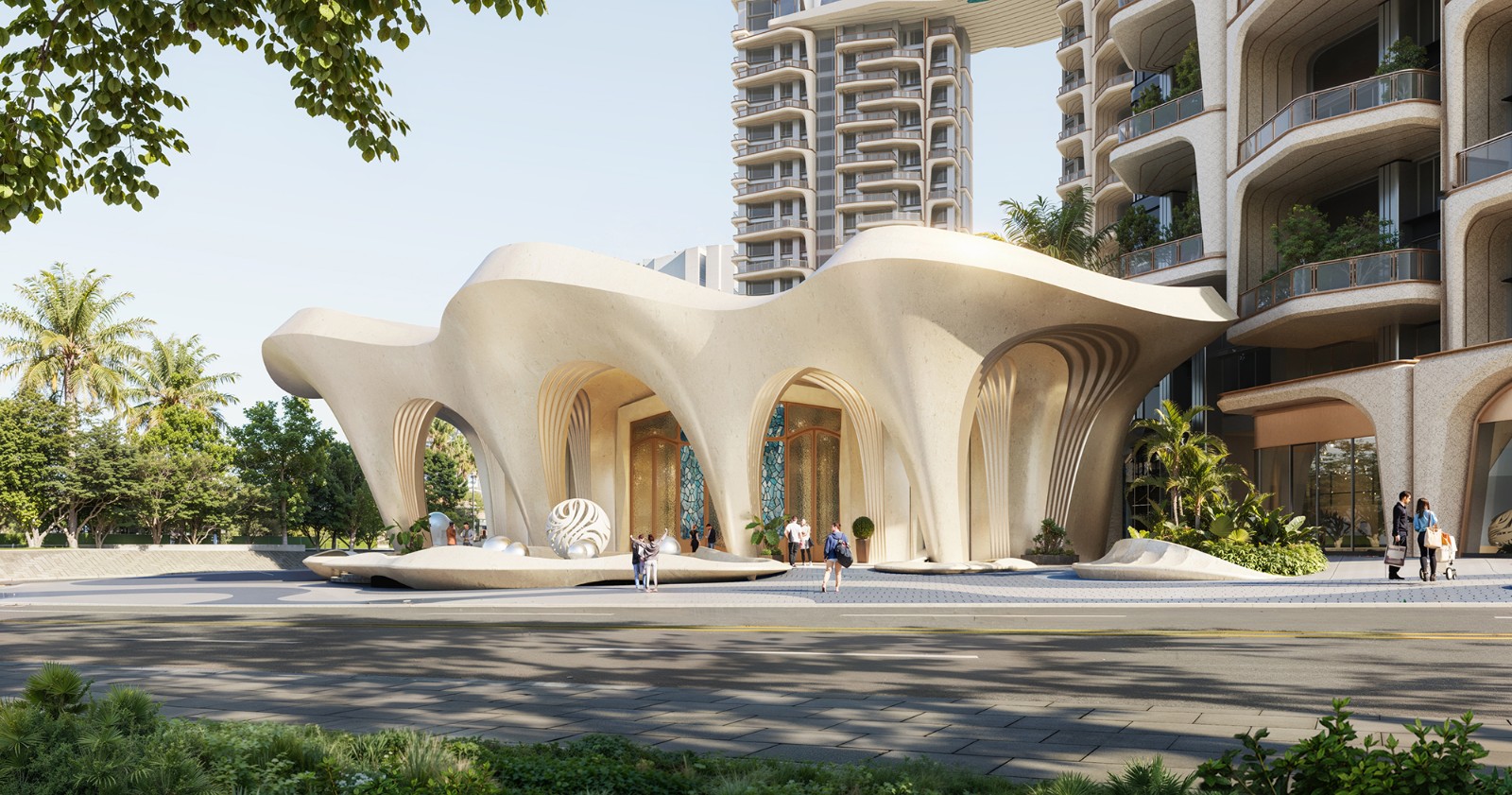
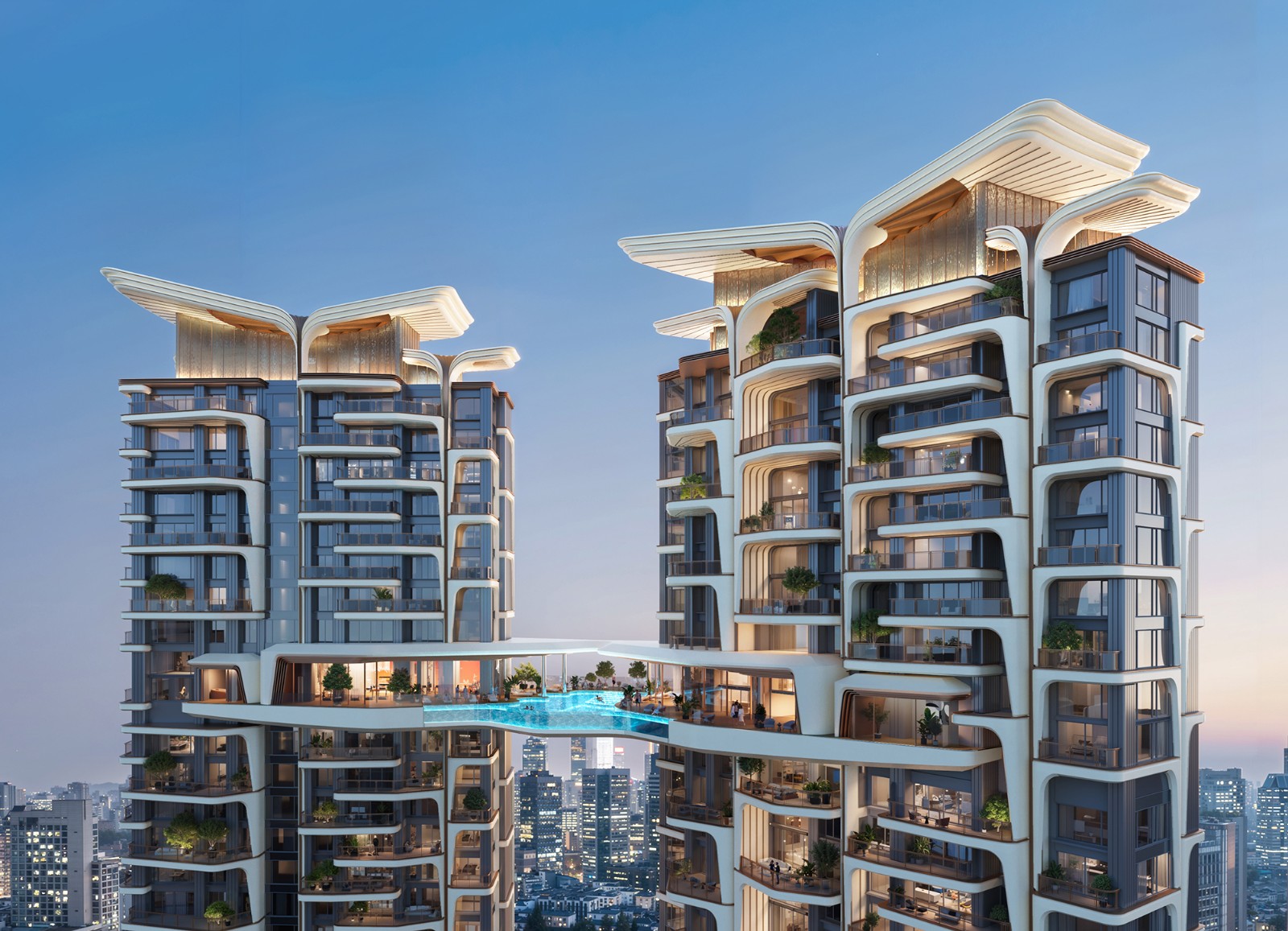
Inspired by the image of a white egret spreading its wings, the architecture responds to Xiamen’s identity as the “Egret Island.” Combined with the sky courtyard system of fourth-generation housing, the staggered wing-like volumes unfold lightly toward the lake, creating elevated lake-view residences that integrate lake scenery, courtyard experience, and privacy, while reconstructing a nature-oriented way of living in a high-density urban context.
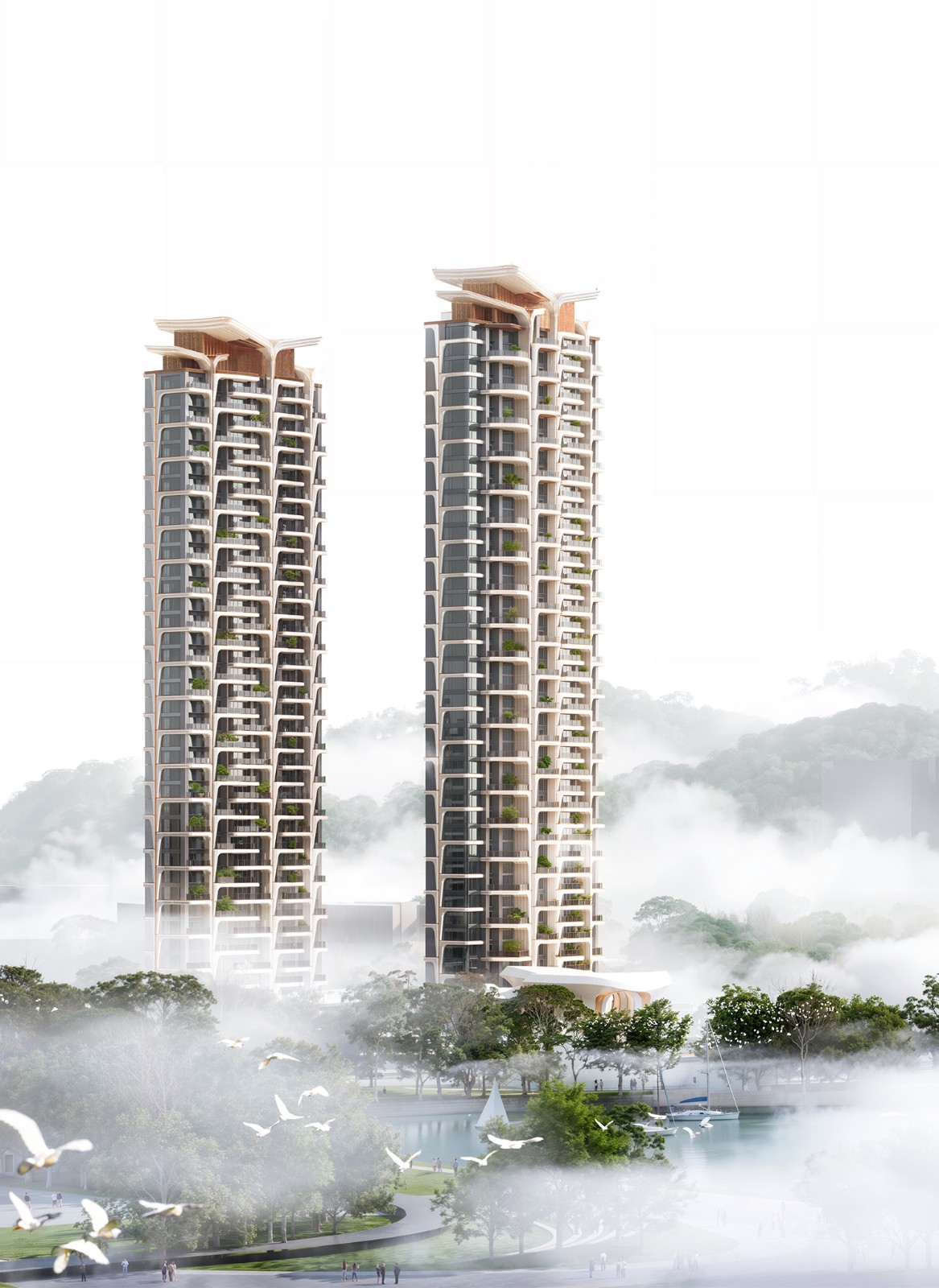
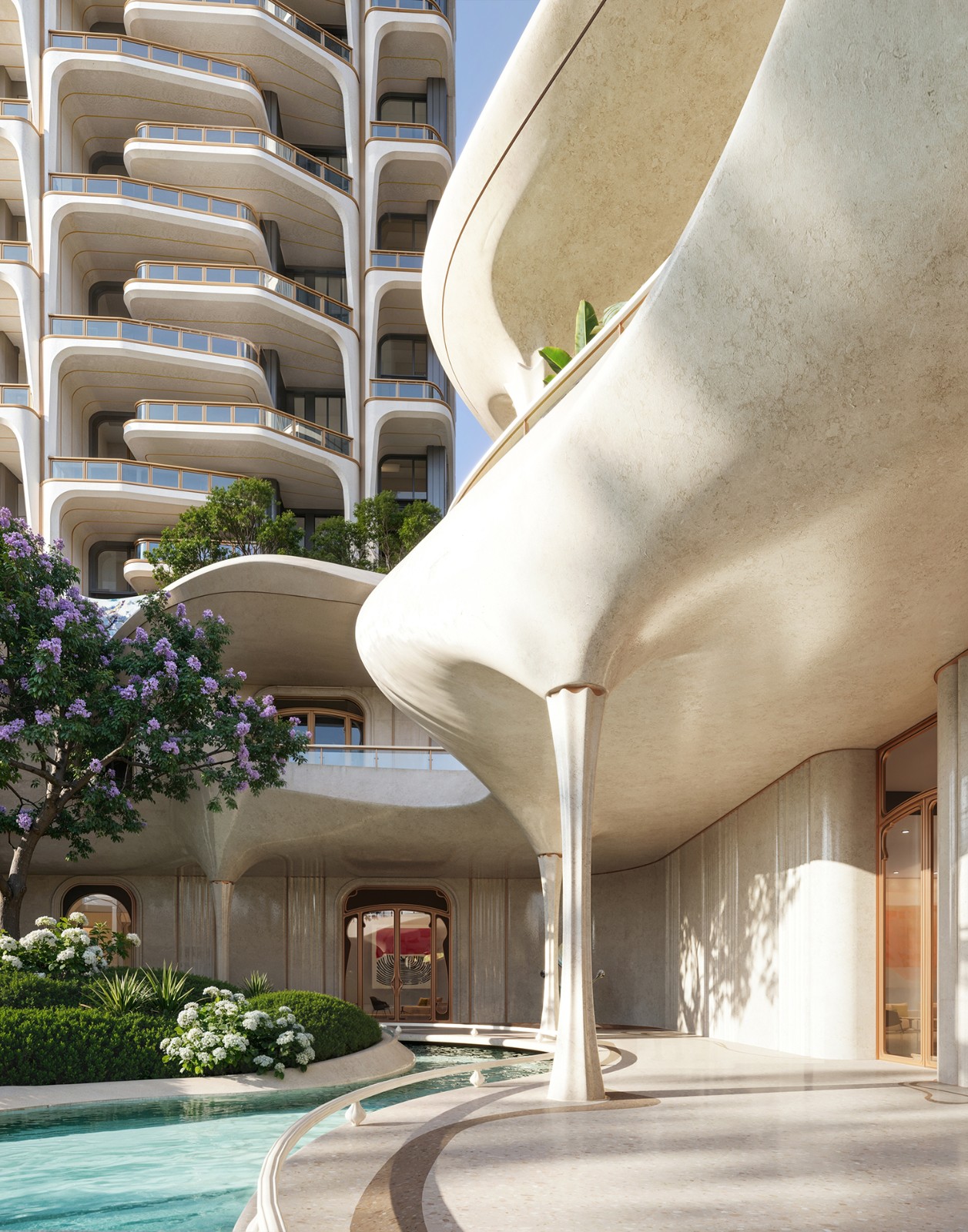
While shaping a distinctive façade identity, the wing-like components also use staggered volumes and layered screening to address the issue of privacy and overlooking at height. At the top, the design draws inspiration from traditional folding fans, extending toward the sky with light curves like the silhouette of a white egret in flight, establishing a clear architectural presence along the skyline of Hubian Reservoir.
🕊️ Curves Belong to God
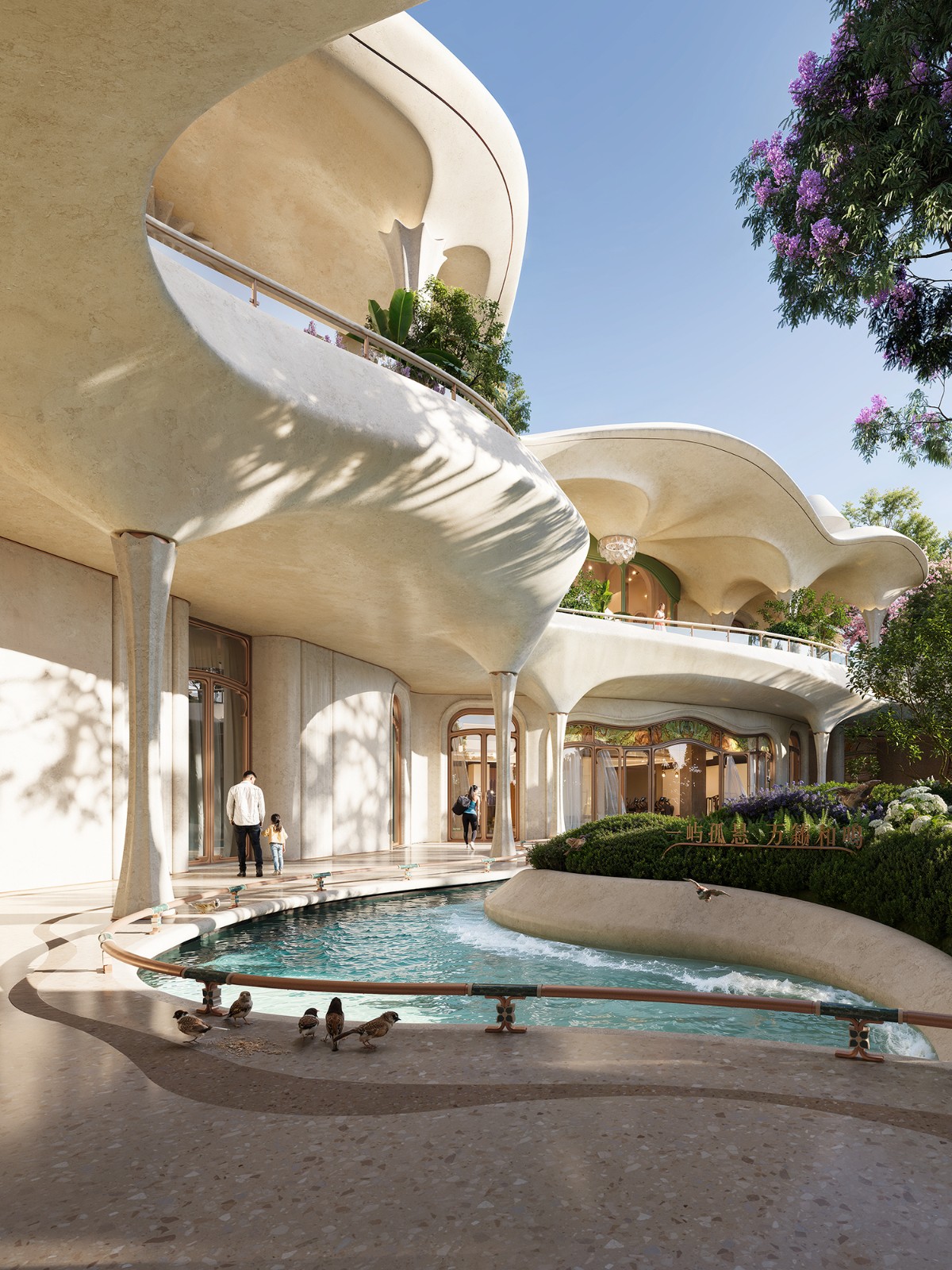
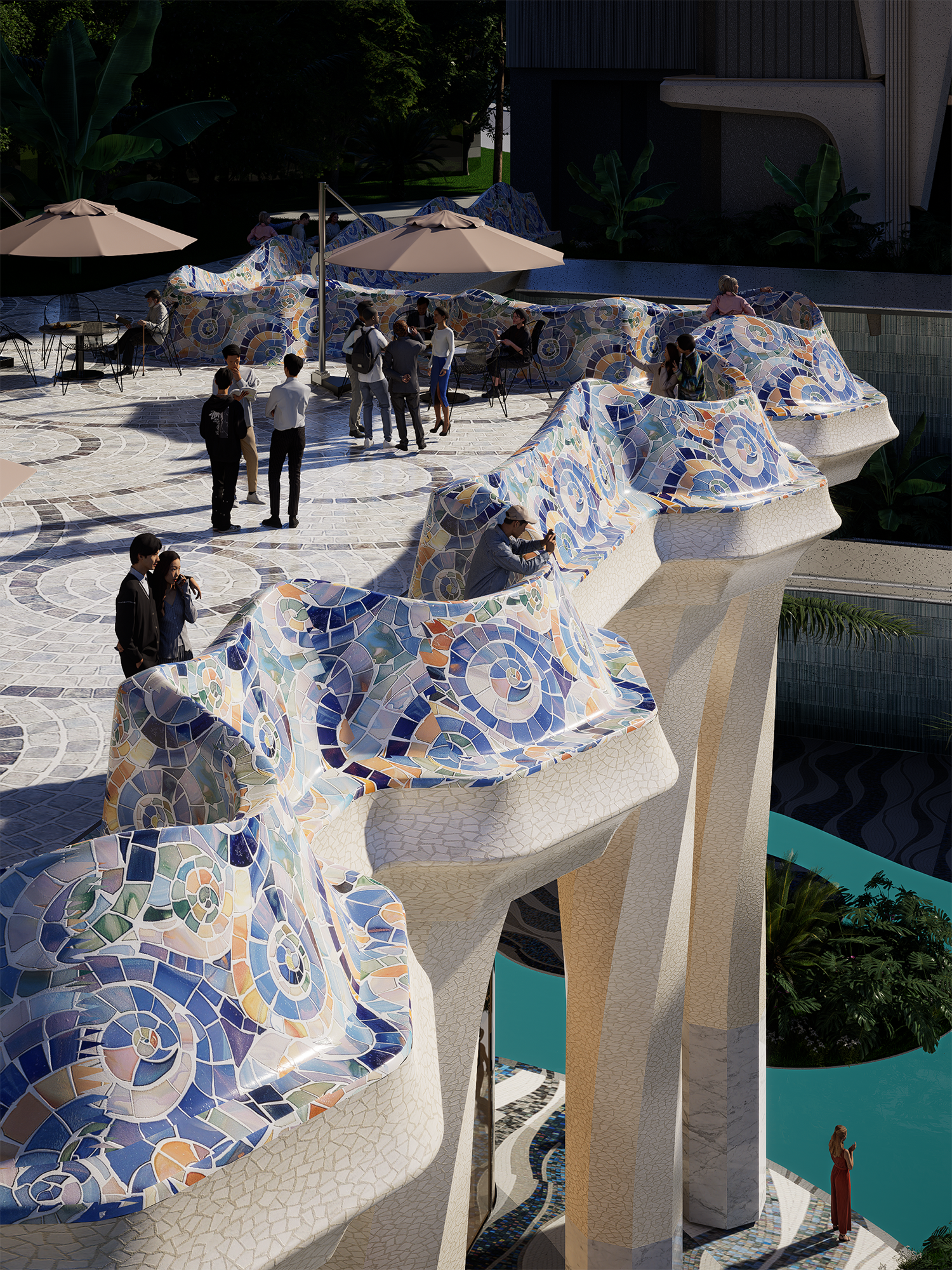
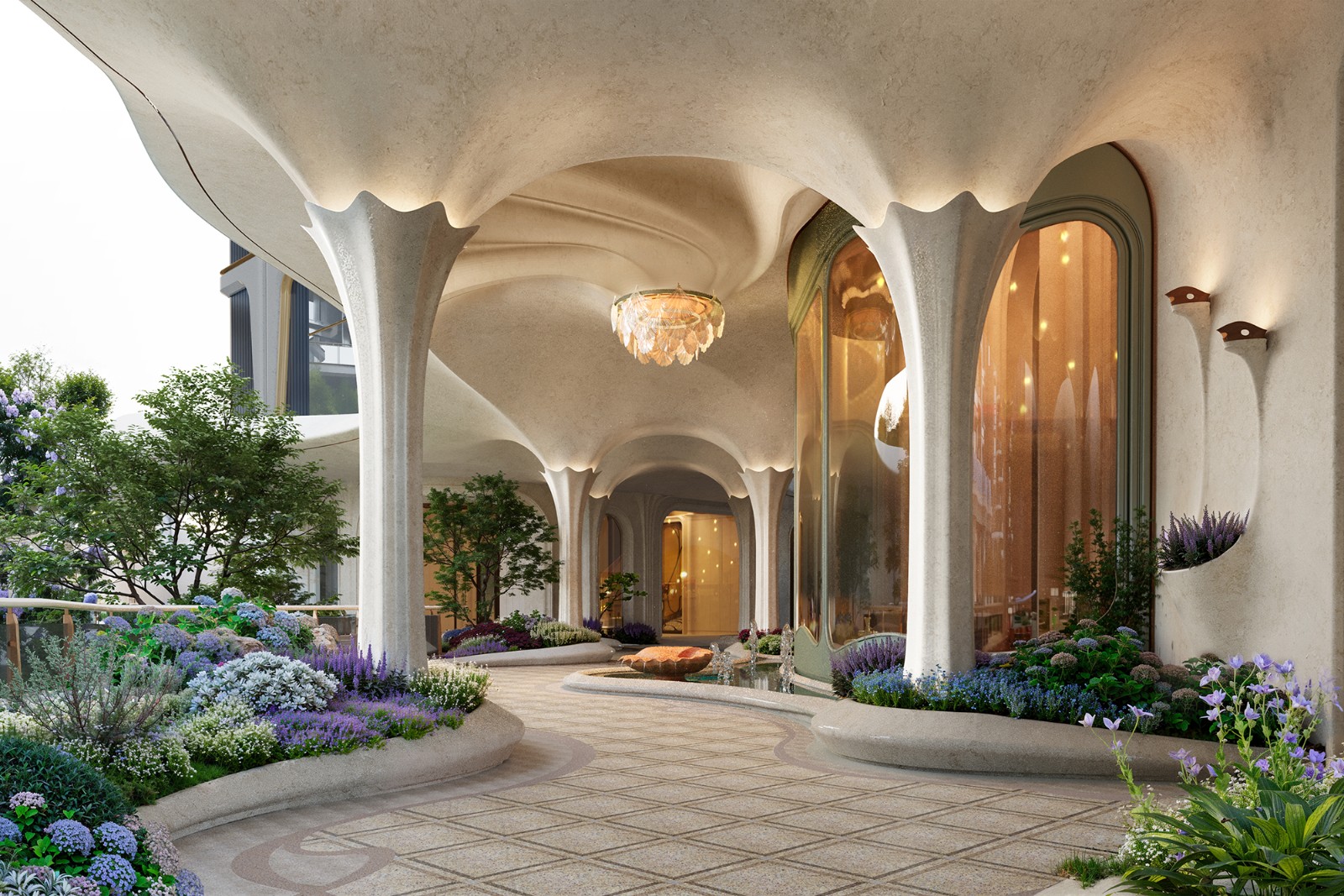
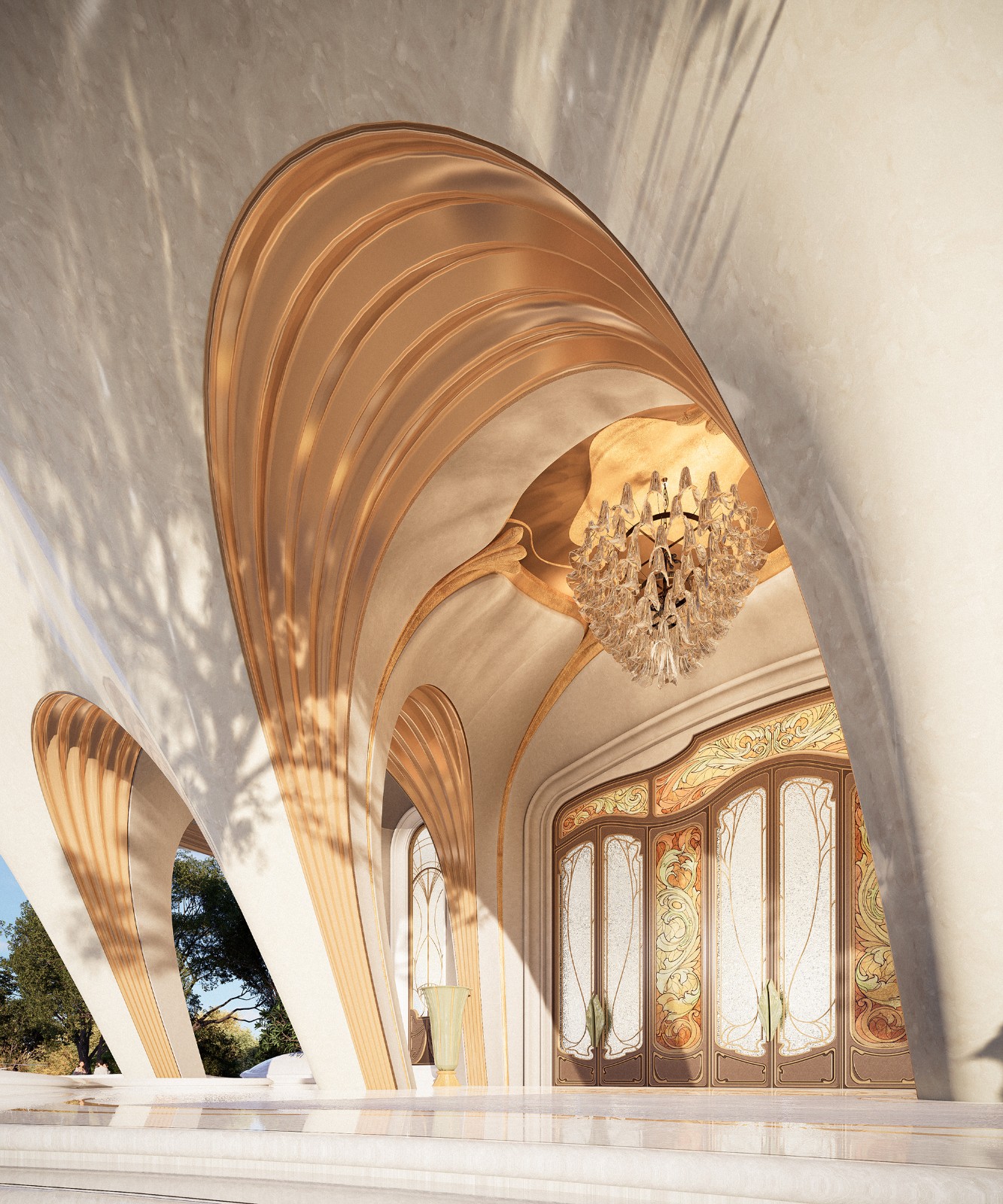
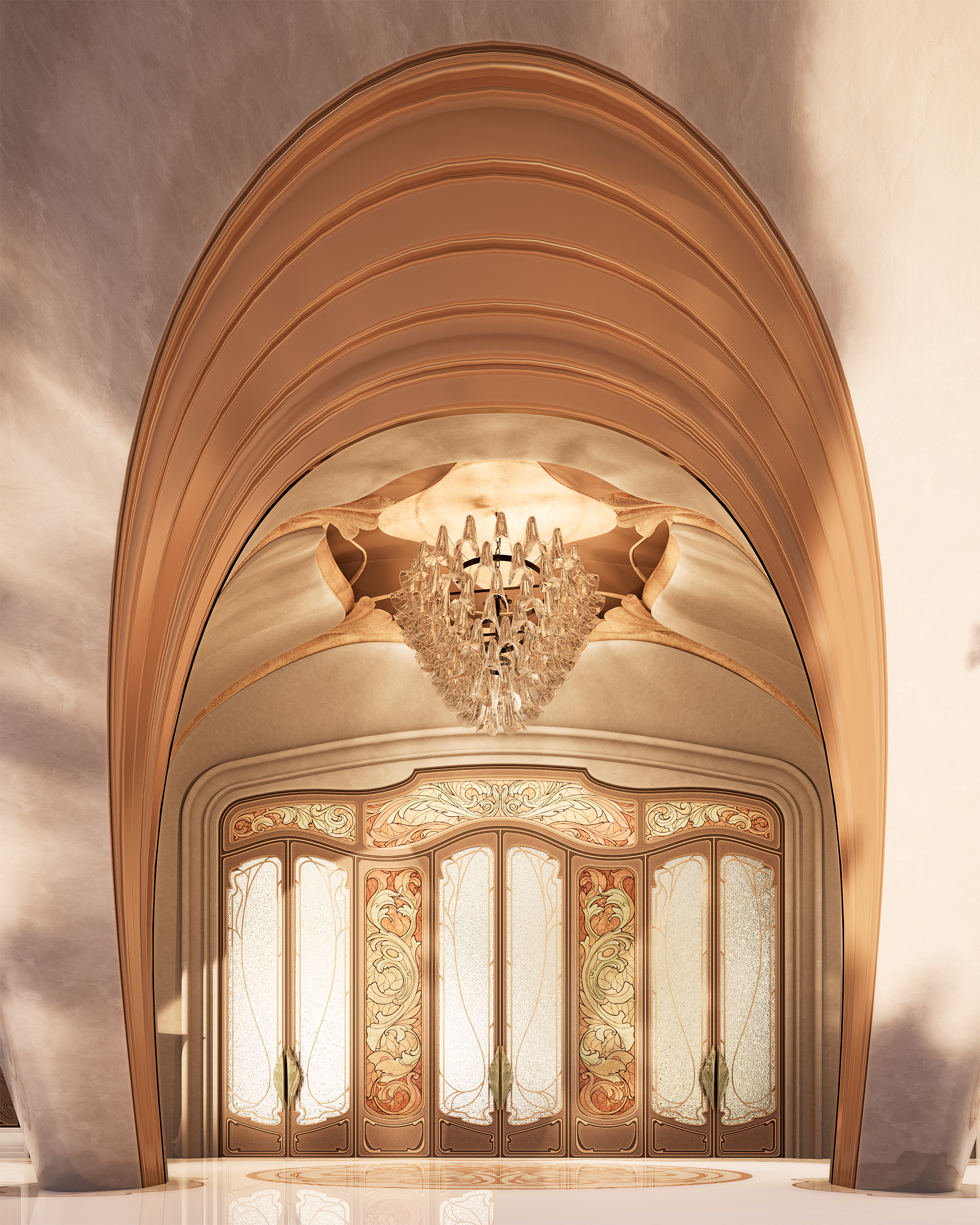
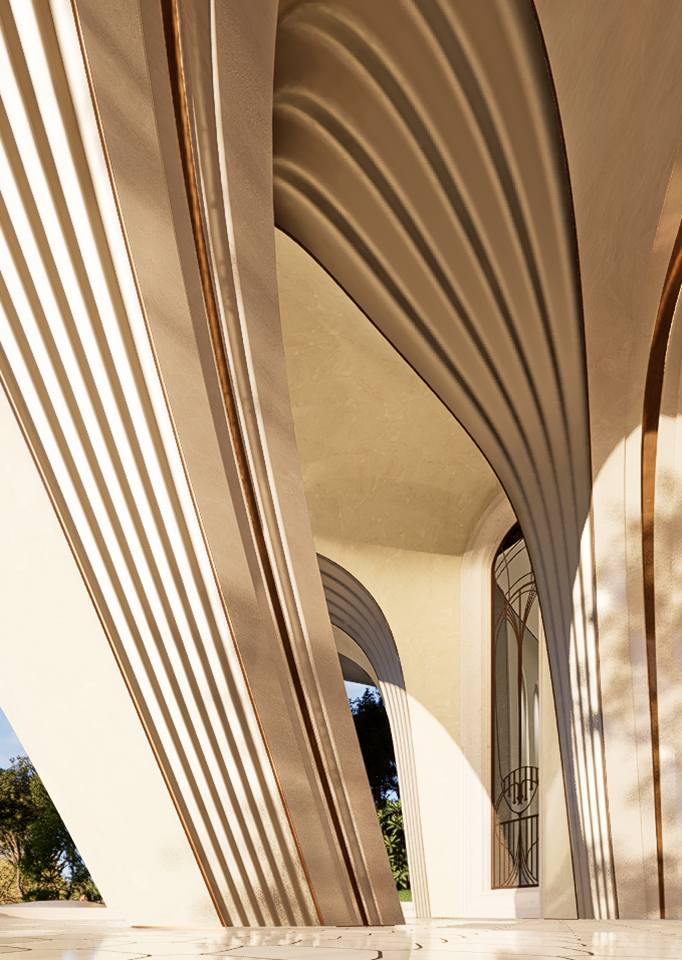
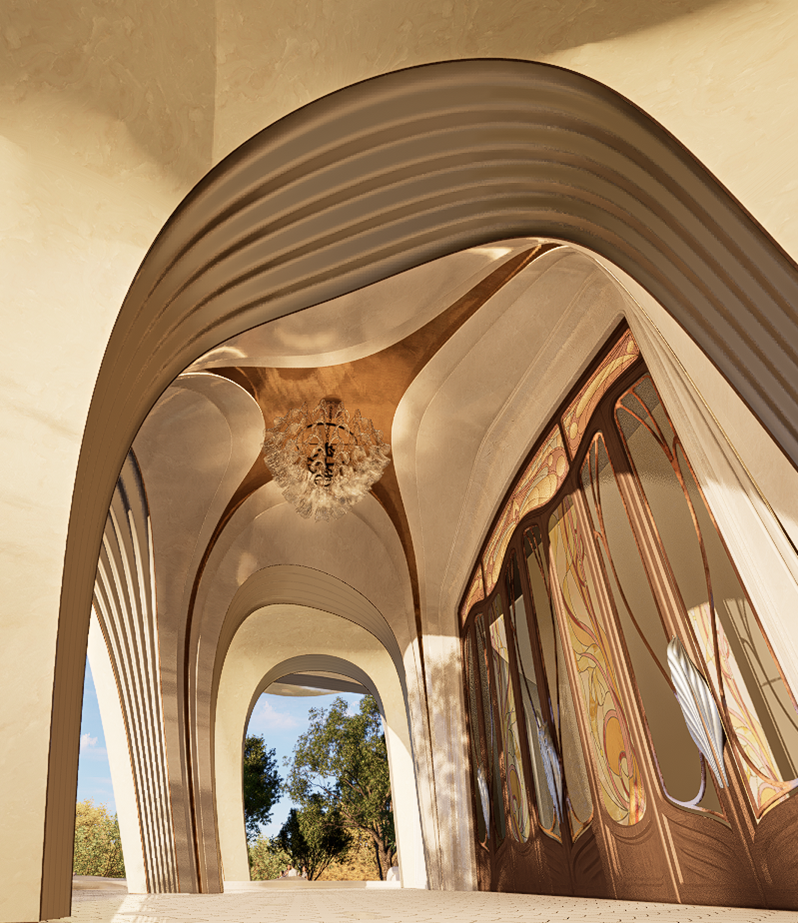
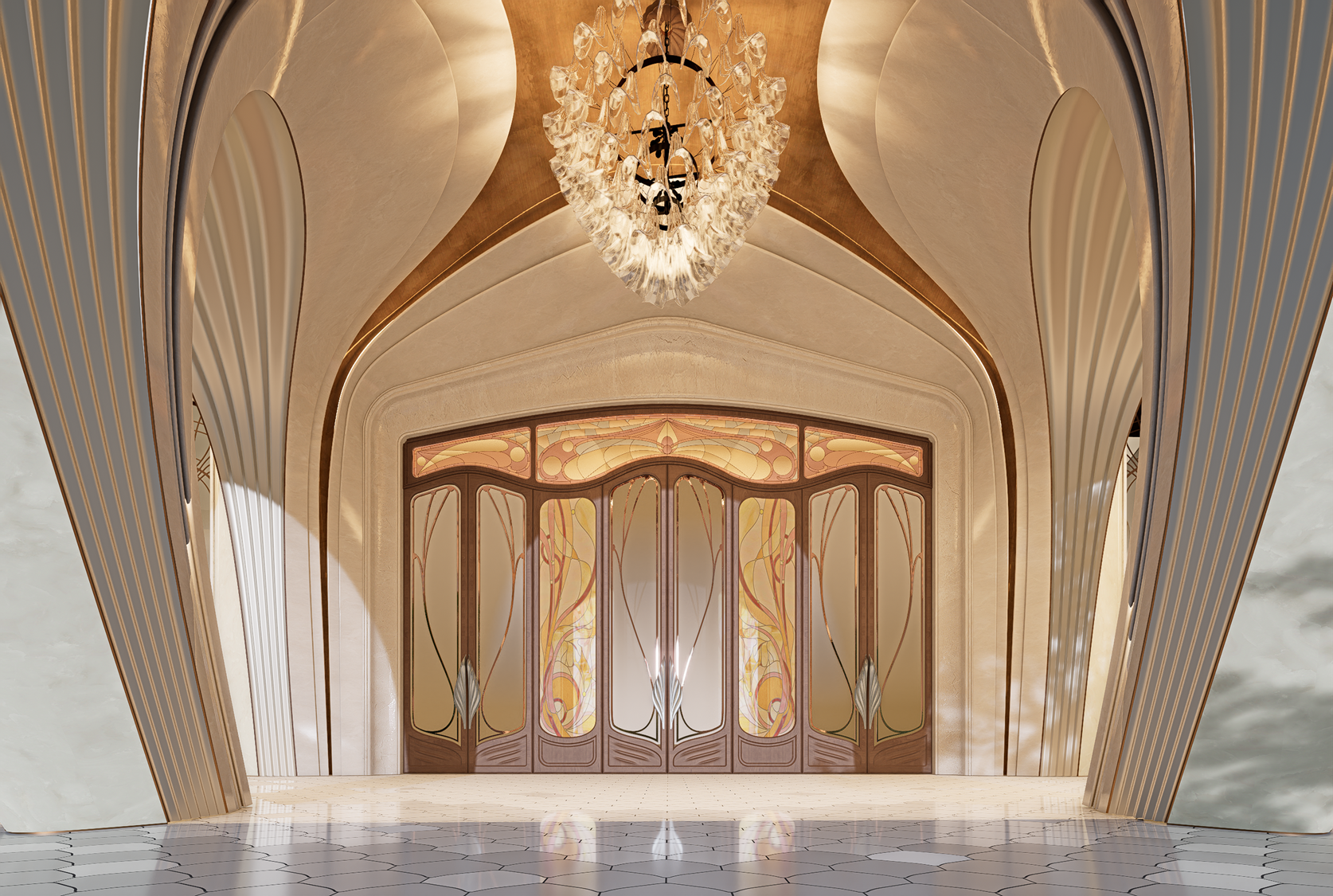
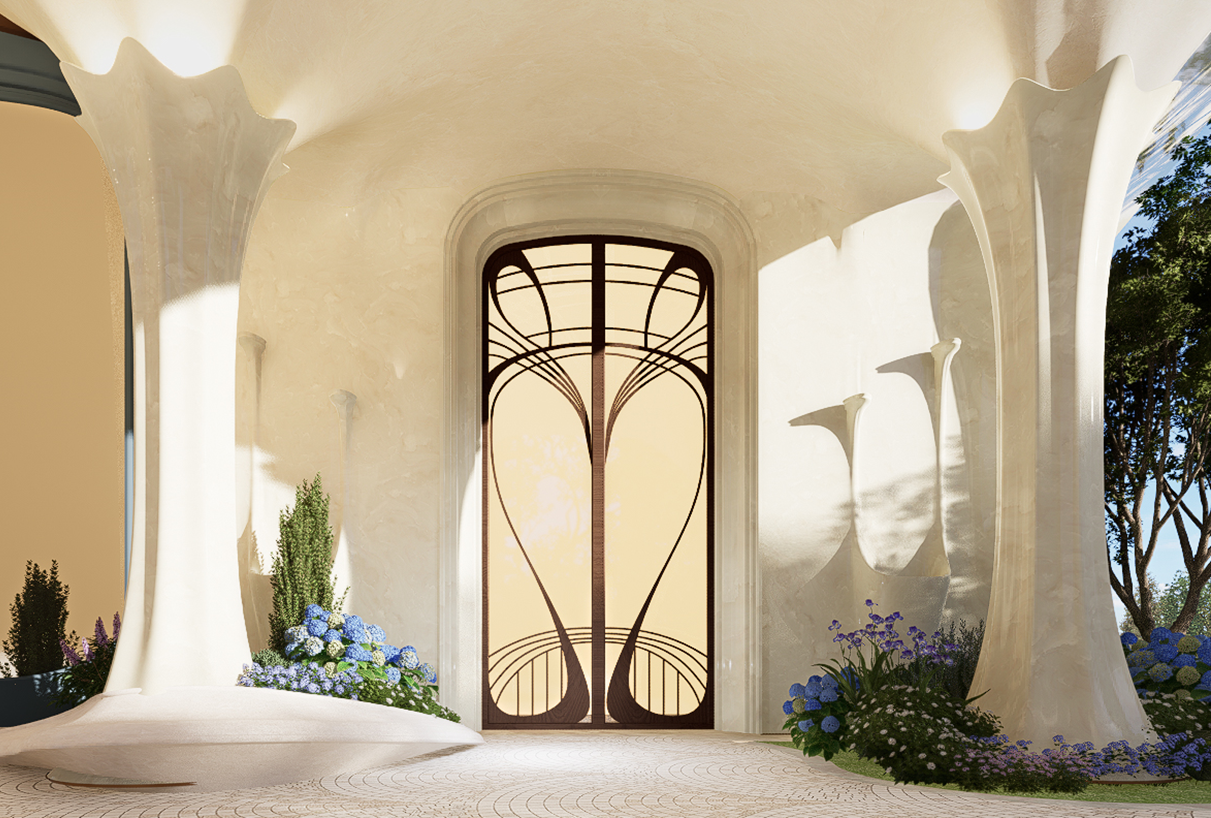
Another design thread comes from a contemporary dialogue between Gaudí’s Art Nouveau language and Xiamen’s maritime culture. “The straight line belongs to man, the curve belongs to God.” This is not only Gaudí’s architectural declaration, but also a spatial philosophy through which we respond to nature and perception.
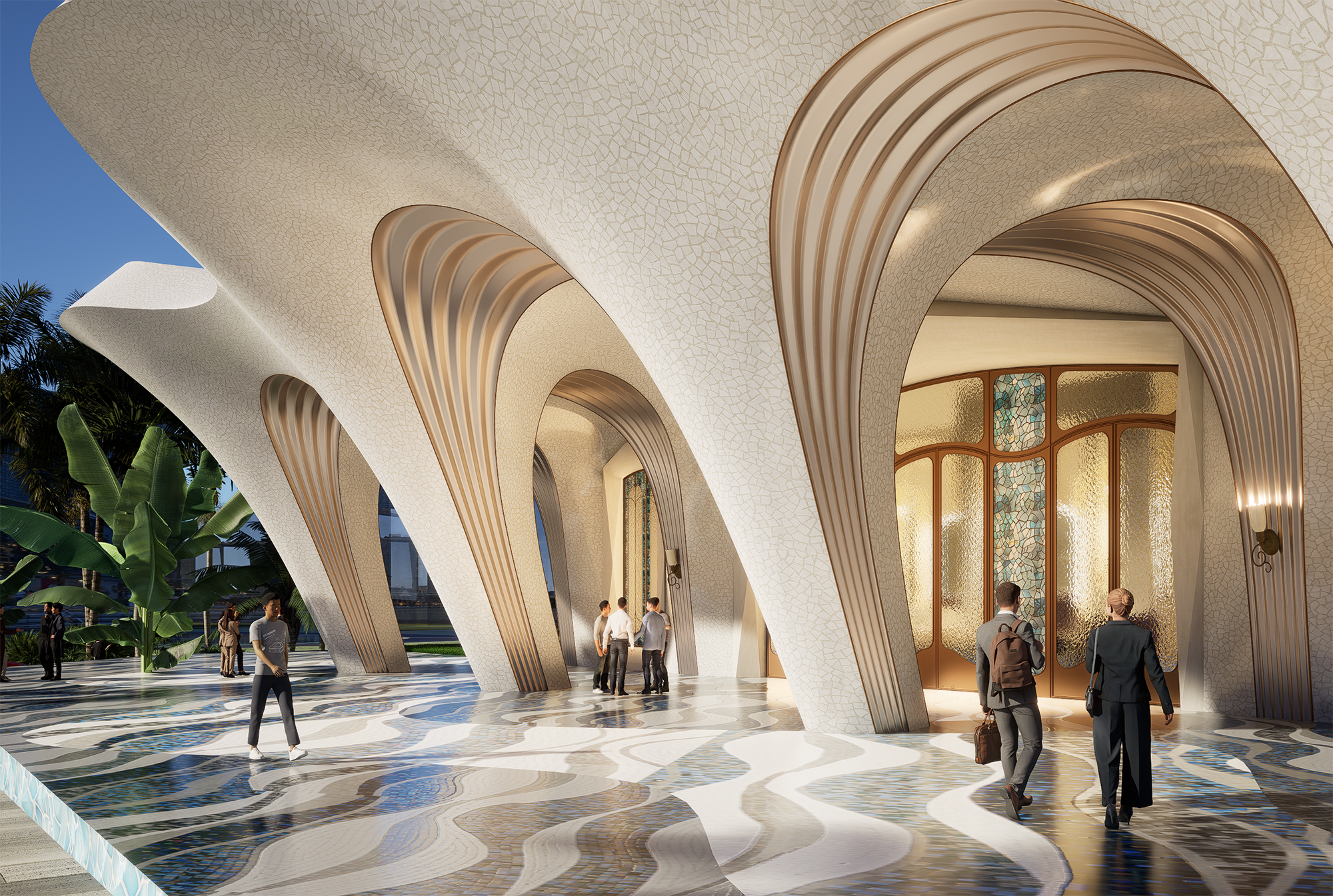
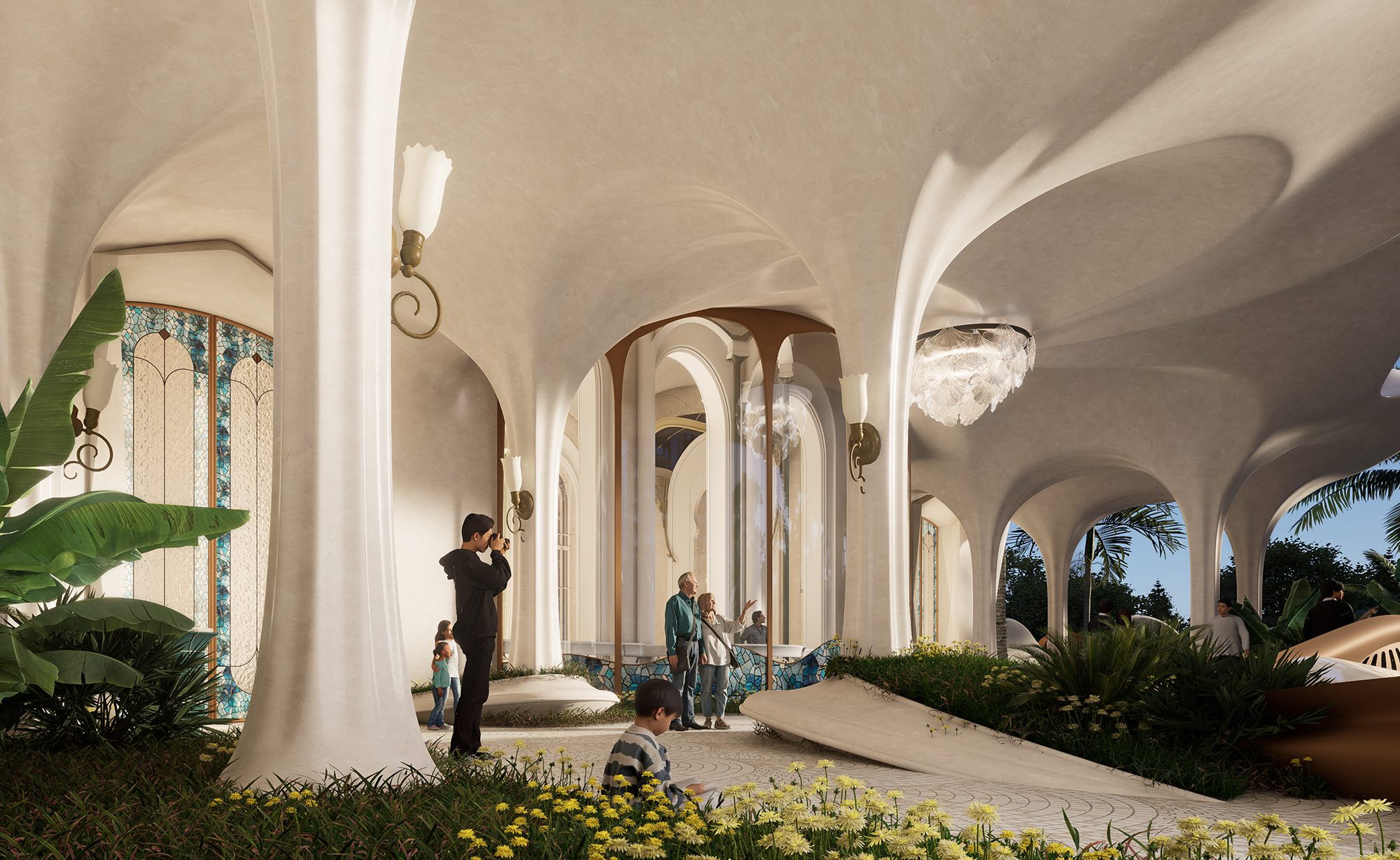
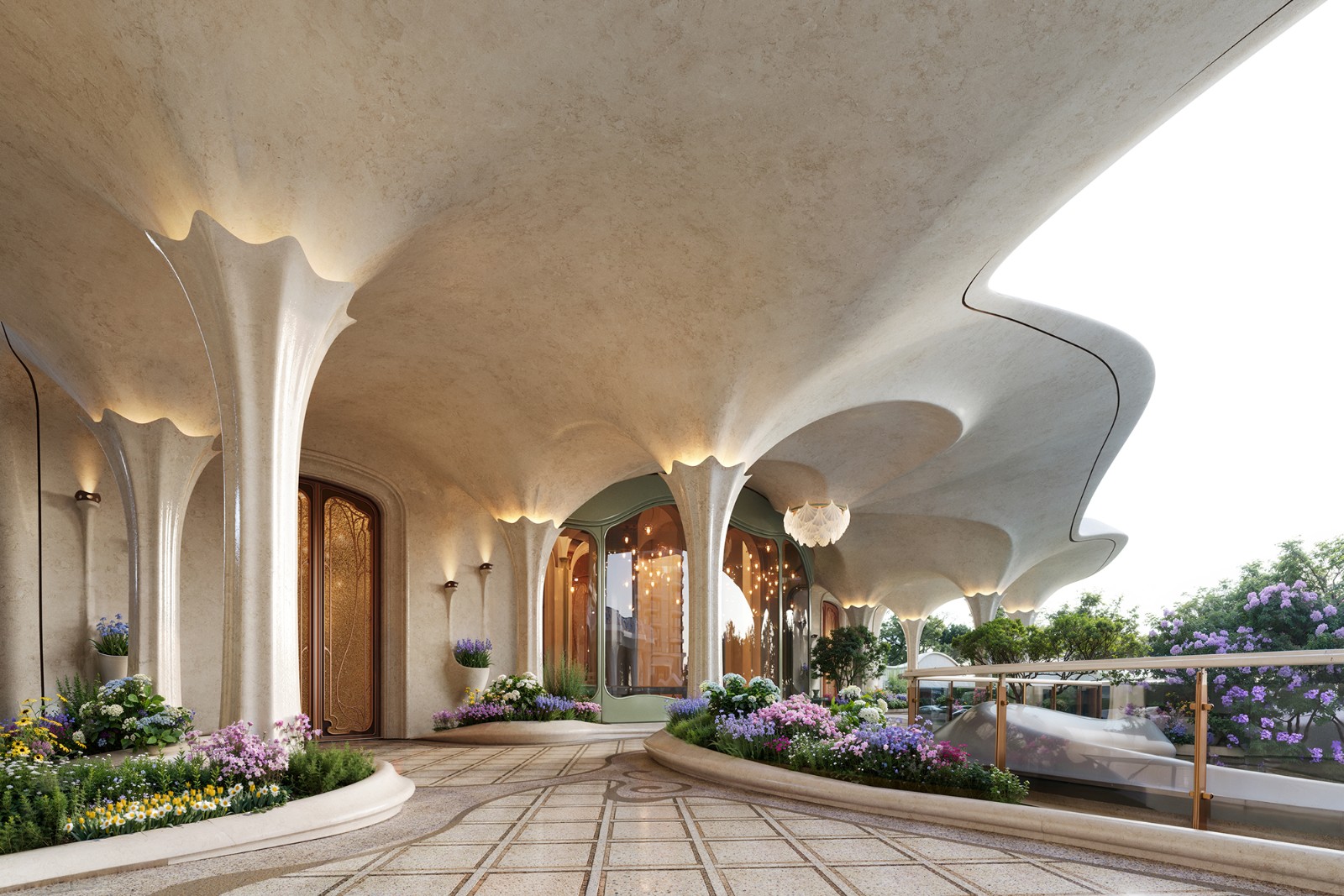
The design extracts its core language — continuous curves, organic structures, and flowing spatial experiences — to reorganize light, wind, water, and human movement. The main entrance uses the rising and falling rhythm of waves to dissolve boundaries, while the petal columns and dome in the atrium simulate the upward growth order of plants. Here, nature is no longer simply an object to be viewed, but becomes the internal order that organizes space.
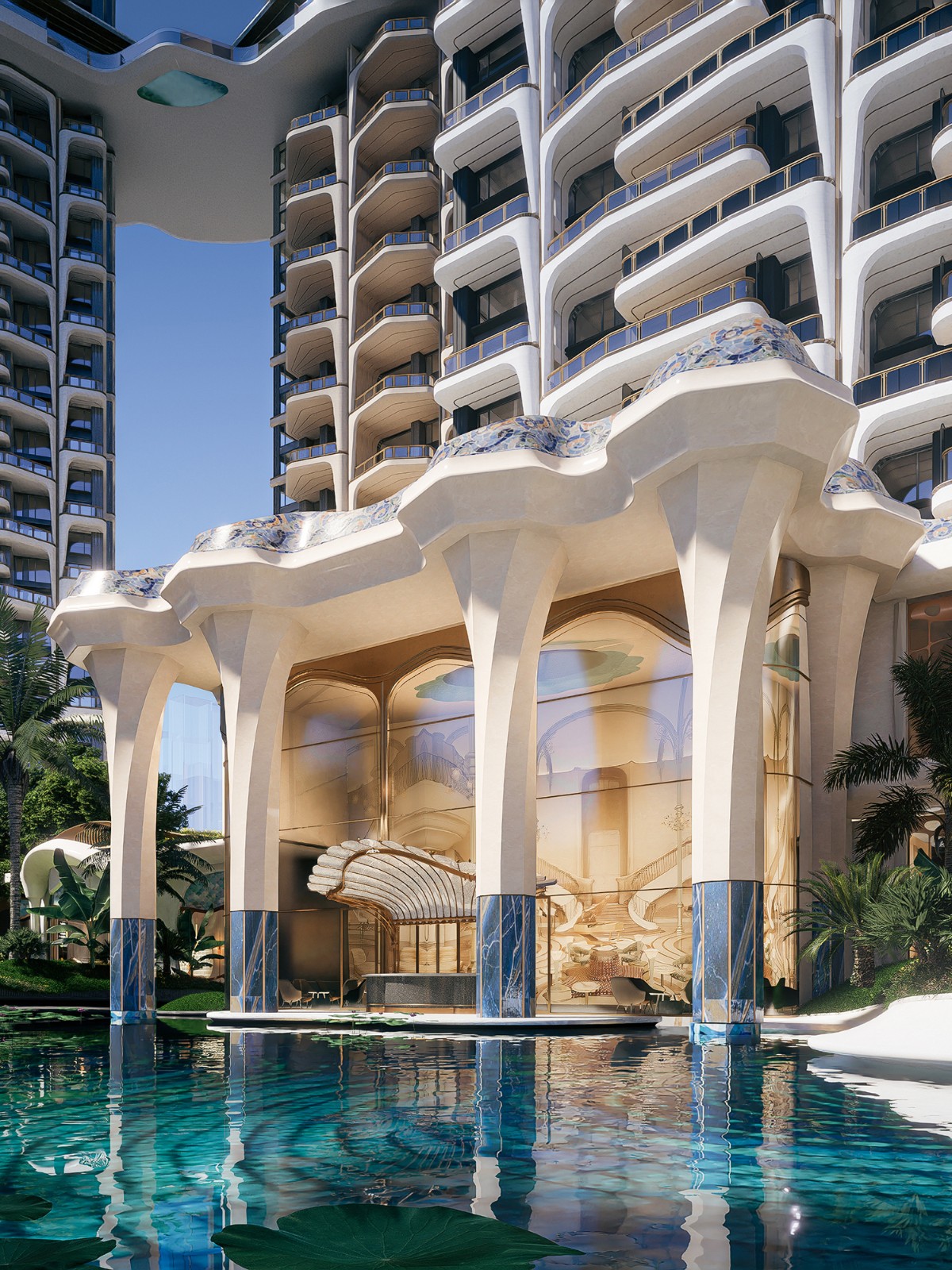
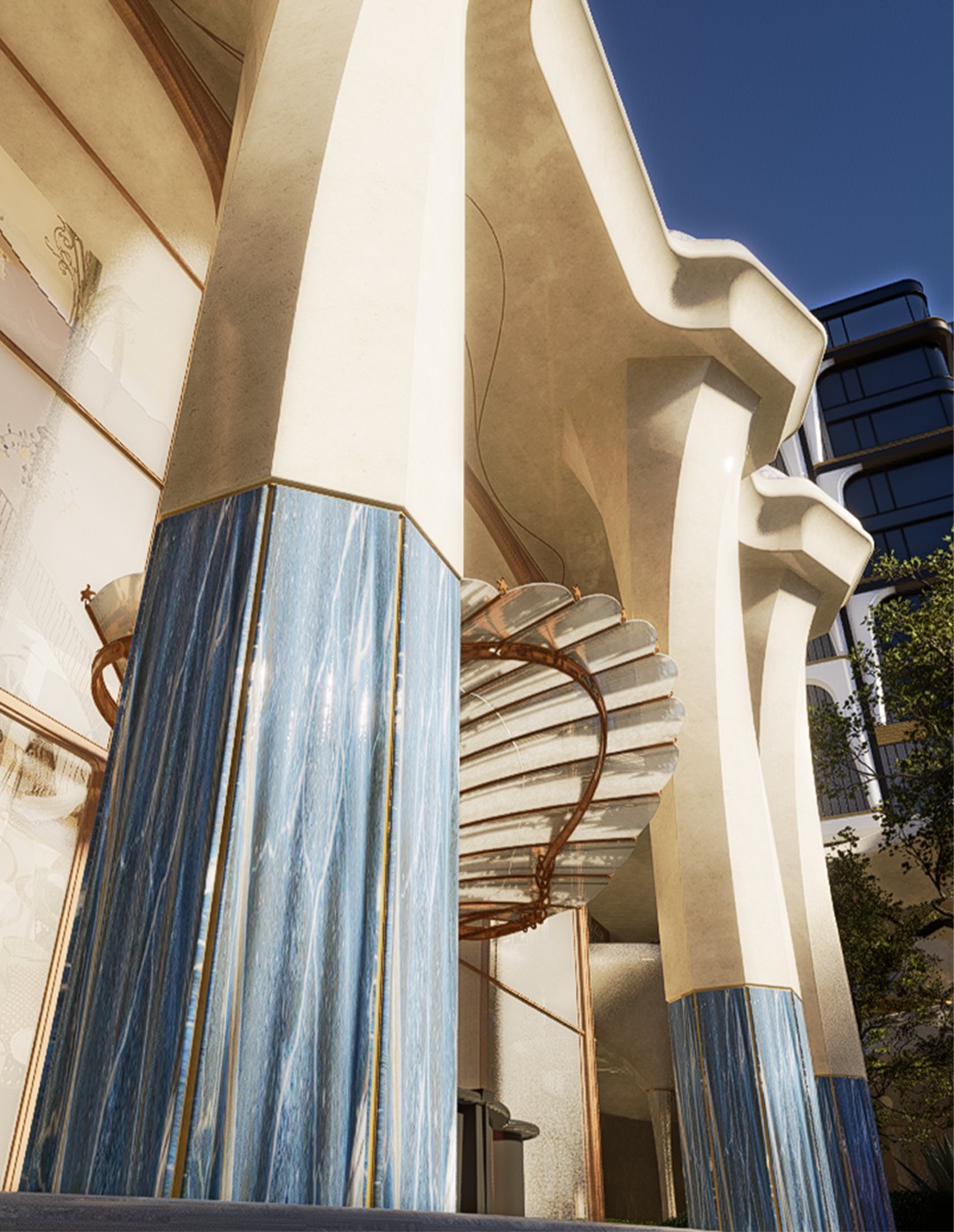
🕊️ Vertical Island
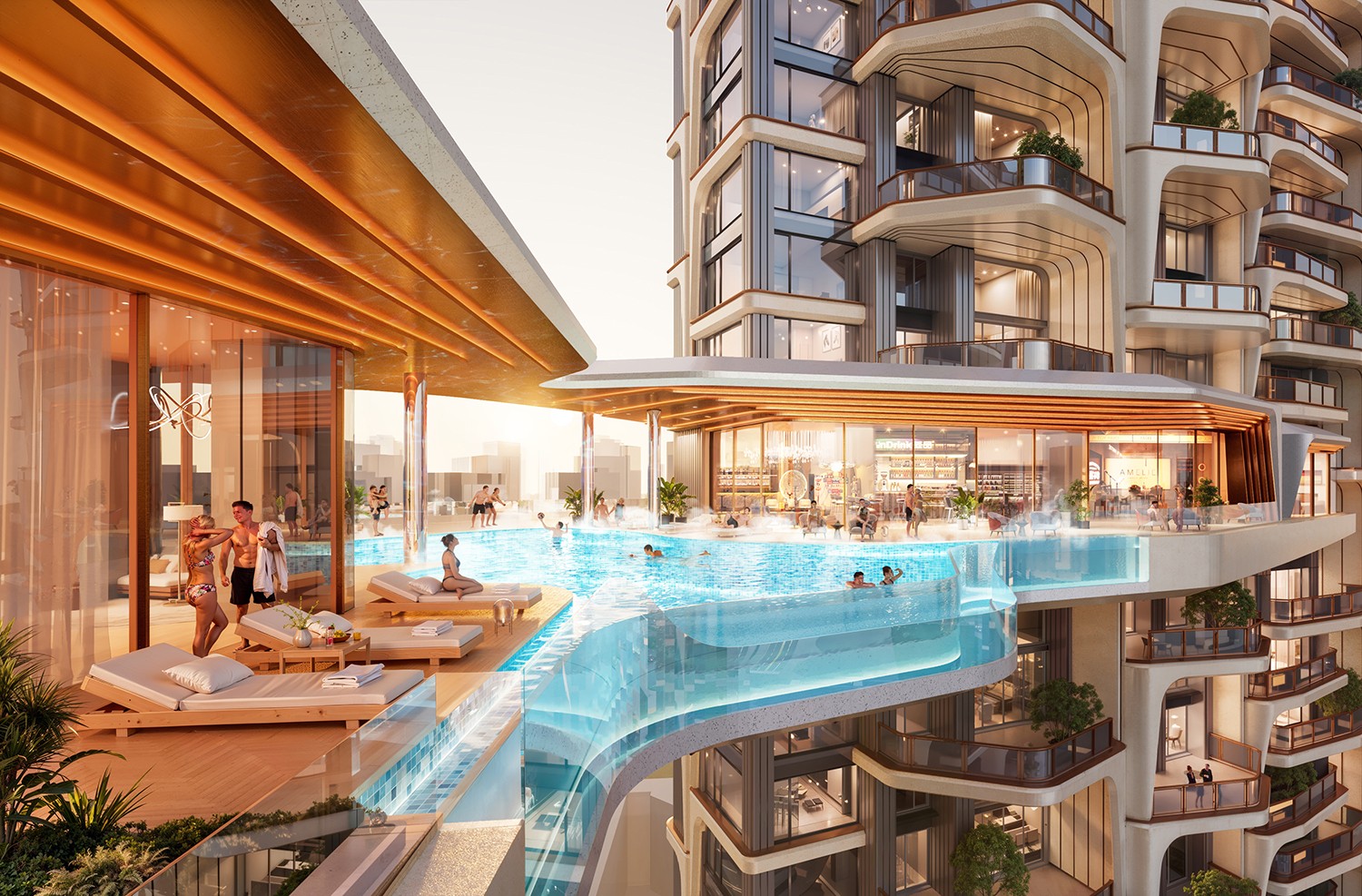
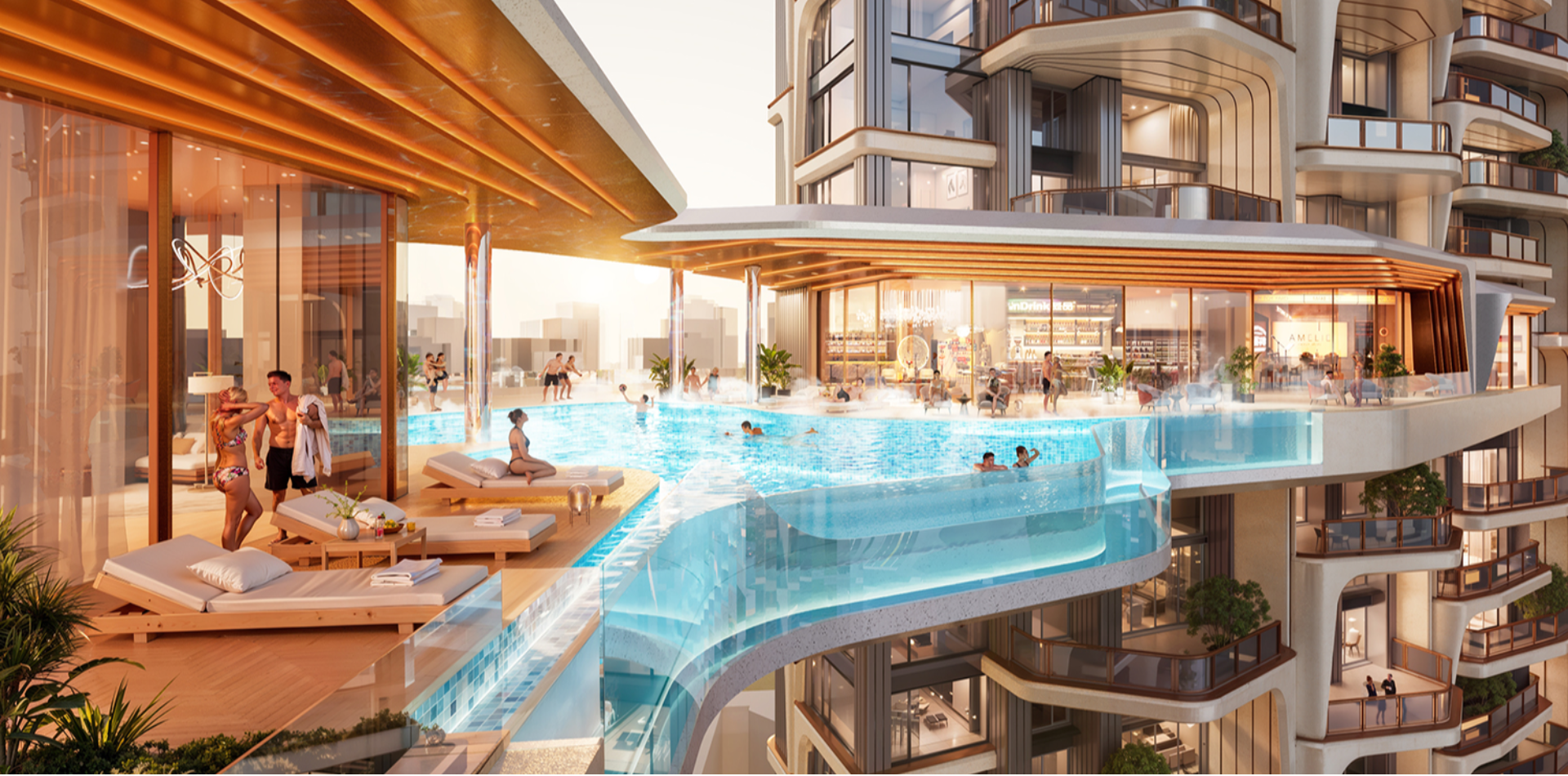
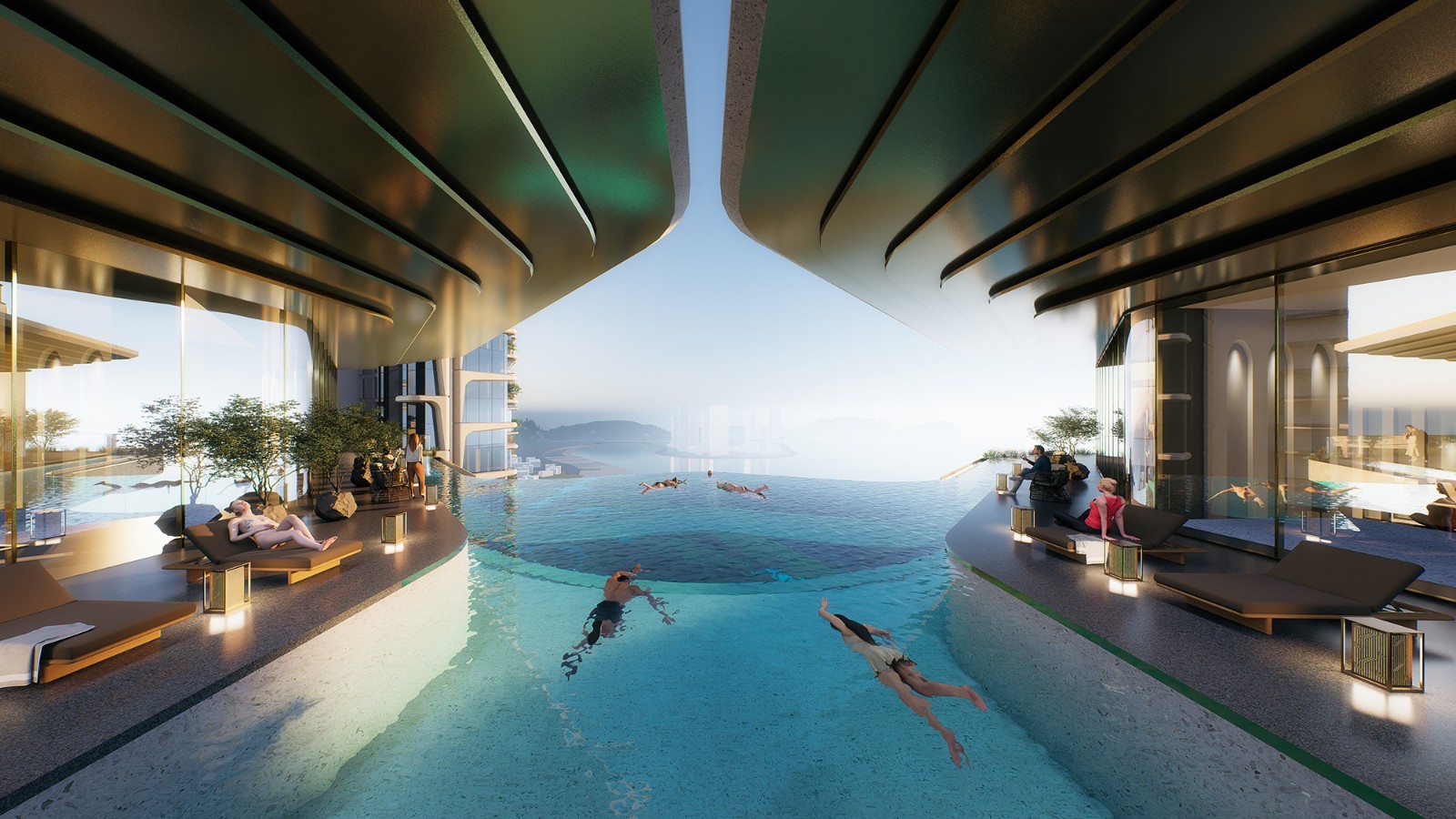
The charm of Gulangyu lies in the continuous perception formed by mountain-and-sea terrain, turning paths, and public life. Taking the “island” as a spatial prototype, the project compresses the wandering experience of a “Garden on the Sea” into the interior of the community through spatial organization and circulation systems.At approximately 80 meters above ground, the sky clubhouse and viewing pool further extend this experience into the vertical dimension — viewing the lake below and the sea beyond.
This is not an experiment in style, but a rewriting of Xiamen: allowing the freedom of the ocean, the artistic spirit of Gulangyu, and the scale of contemporary life to grow together within the skyline of a city.